
Decorating your home with Christmas lights can bring magic and warmth to the holiday season. But hanging those lights perfectly can feel tricky and overwhelming.
What if you could learn a simple, step-by-step way to string your Christmas lights safely and beautifully? Imagine your house glowing just right, catching the eyes of neighbors and spreading festive cheer. In this guide, you’ll discover easy tips that make the whole process smooth and even fun.
Ready to turn your home into a holiday masterpiece? Let’s get started!
Choosing The Right Lights
Choosing the right Christmas lights can make or break your holiday display. The perfect lights highlight your home’s best features and create a warm, festive atmosphere. But with so many options available, how do you find the right fit for your space and style?
Types Of Christmas Lights
There are several types of Christmas lights to consider, each with its own benefits. Traditional incandescent bulbs offer a classic glow but consume more energy and can get hot. LED lights, on the other hand, are cool to the touch, last longer, and use less electricity.
Mini string lights are great for wrapping around railings or outlining windows. Larger C7 or C9 bulbs provide a bold look for rooflines and big trees. Net lights can quickly cover bushes or hedges with an even spread of light.
Energy Efficiency Options
Energy efficiency matters, especially if you plan to keep your lights on for long hours. LEDs reduce your electricity bill and lower the risk of overheating. Solar-powered lights are another eco-friendly choice, ideal for areas with plenty of sunlight.
Consider timers or smart plugs to control when your lights turn on and off. This not only saves energy but also adds convenience to your decorating routine. Would you rather save money or focus on the brightest display? Balancing both is possible with the right setup.
Color And Style Choices
Your color and style choices set the mood for your holiday display. Warm white lights create a cozy, traditional feel. Multicolor strands bring a playful, festive vibe that kids often love.
Think about coordinating your lights with your home’s exterior color or your overall holiday theme. Some prefer steady-on lights, while others enjoy twinkling or chasing effects. Which style matches your personality and neighborhood vibe?
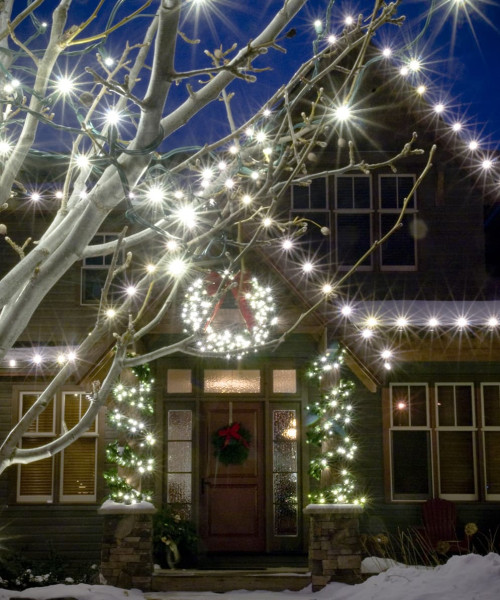
Credit: thelandmarkgroup.ca
Planning Your Layout
Planning your layout is a key step before hanging Christmas lights. It helps avoid tangled wires and uneven spacing. A good plan saves time and makes your display look neat and festive. Take your time to think about the size of your house and the style you want.
Measuring Your House
Start by measuring the areas where you want to hang lights. Use a tape measure to get the length of eaves, windows, and doors. Write down each measurement clearly. This helps you know how many light strands to buy. Measure twice to avoid mistakes.
Designing Patterns
Think about the look you want. Simple lines along the roof edges create a classic style. Zigzags or loops add more fun and detail. Draw your ideas on paper or use a phone app. Mark where each light strand will go. This plan guides you during installation.
Safety Considerations
Check for power outlets near your work areas. Use outdoor-rated extension cords and lights. Avoid placing lights near water or fragile plants. Keep cords away from walkways to prevent tripping. Wear gloves and use a sturdy ladder. Safety ensures a worry-free decorating experience.
Gathering Supplies
Gather all needed items before starting, like lights, clips, and a ladder. Check that lights work to avoid surprises later. Choose supplies that fit your home’s size and style.
Gathering all the necessary supplies before you start stringing Christmas lights on your house is crucial for a smooth and enjoyable decorating experience. Having everything at hand not only saves time but also reduces the frustration of missing items halfway through the process. Plus, being well-prepared allows you to focus on creating that magical holiday display without interruptions. Let’s dive into the essentials you need to get started.Essential Tools
Before you climb the ladder, make sure you have the right tools ready. A sturdy ladder is a must for reaching high spots safely. Consider using a pair of gloves to protect your hands from sharp edges or cold weather. A light tester can also come in handy to ensure all your bulbs are working before hanging them up.Extension Cords And Timers
Plan where each string of lights will connect to an outlet. Outdoor-rated extension cords are vital for reaching those far-off spots. Timers are a lifesaver, allowing you to automate when your lights turn on and off. This not only saves energy but also adds convenience—no more going outside in the cold to unplug lights!Mounting Accessories
How will you secure the lights to your house? Clips and hooks designed for outdoor lights are your best friends. They prevent damage to your home and make it easy to take the lights down after the holidays. If your home has gutters, gutter clips can be particularly useful. Have you ever found yourself halfway up a ladder only to realize you forgot something essential? By gathering all your supplies first, you can avoid those frustrating moments and focus on bringing your festive vision to life. Are you ready to light up your house with holiday cheer?Preparing The Lights
Preparing the lights before hanging them on your house ensures a smooth decorating experience. It saves time and prevents frustration while working outdoors. Proper preparation helps spot any damage early and guarantees all strands work perfectly. Follow these simple steps to get your lights ready.
Testing Each Strand
Plug in every strand to check if all bulbs light up. Use an outdoor outlet or a power strip for testing. Look for any sections that stay dark or flicker. Working lights make installation faster and prevent late-night repairs. Testing first avoids climbing ladders multiple times.
Untangling And Inspecting
Carefully unwind each strand to remove knots and tangles. Straight strands are easier to hang and look neater. Check the wires for cracks or frays that could cause shorts. Inspect the plugs and sockets to ensure they fit securely. Untangling now saves hassle and keeps the lights safe.
Replacing Bulbs
Replace any broken or missing bulbs before hanging the lights. Use bulbs that match the size and color of the strand. Many light sets include extra bulbs for quick swaps. A full set of working bulbs keeps the display bright and festive. Replace bulbs carefully to avoid damaging the strand.
Installing The Lights
Installing Christmas lights on your house creates a festive and welcoming glow. Proper setup ensures lights stay secure and look great all season. Plan the installation carefully to avoid damage and keep safety in mind.
Starting Points
Begin near an outdoor power outlet for easy plug-in. Choose a corner or edge of the roof to start. This helps keep cords organized and hidden. Unroll the light strand fully before hanging. Check for any broken bulbs or damaged wires.
Securing Lights Safely
Use clips designed for outdoor lights to prevent damage. Avoid nails or staples that can pierce wires. Fasten clips every 12 to 18 inches for steady support. Keep cords off the ground to avoid tripping hazards. Double-check connections to keep them dry and secure.
Working With Different Surfaces
On wood siding, use plastic clips or hooks that won’t harm the surface. For brick or stone, adhesive hooks work well without drilling. Vinyl siding benefits from specialized clips that grip firmly but gently. Metal gutters can hold clips tightly but watch for sharp edges. Match clip type to your home’s exterior for the best hold.

Credit: www.festive-lights.com
Enhancing With Extras
Adding extra touches can transform your Christmas light display from simple to spectacular. These enhancements draw attention, highlight key areas, and create a more immersive festive vibe. Think about what will make your home stand out in the neighborhood and how you want visitors to feel when they see your decorations.
Adding Spotlights And Projectors
Spotlights can highlight unique features of your house like wreaths, doorways, or large trees. Use warm white or colored bulbs to match your overall light scheme. Projectors add dynamic movement and patterns on walls or the lawn, making your display lively without extra wiring.
Have you tried using a spotlight to focus on a special decoration? It’s amazing how one well-placed light can change the whole look. Projectors are also great if you want a quick setup but still want to impress with variety.
Incorporating Decorations
Adding physical decorations alongside your lights creates depth and interest. Think about garlands, bows, or oversized ornaments that complement your light colors. Placing decorations on railings, around door frames, or hanging from eaves works well to tie everything together.
Don’t forget to secure decorations properly to withstand winter weather. Combining textures like shiny baubles and natural pinecones adds a festive touch. What decorations do you already have that could work in your outdoor setup?
Creating A Cohesive Theme
Choosing a theme guides your decoration choices and keeps your display looking polished. Whether you prefer classic red and green, icy blues, or rustic charm, stick to a limited color palette and style. Consistency helps your lights and extras feel intentional, not random.
Think about the story you want to tell with your decorations. Are you going for a cozy cabin feel or a bright, modern look? Planning your theme before you start hanging lights saves time and makes the final result more satisfying.
Maintaining Your Display
Maintaining your Christmas light display ensures it stays bright and beautiful throughout the holiday season. Regular attention keeps the lights safe and prevents unexpected outages. It also saves you time and frustration when the season ends, making next year’s setup smoother.
Routine Checks
Check your lights weekly to catch any broken bulbs or loose connections early. Pay close attention to areas near doorways and windows where movement can cause wires to loosen. Replace damaged bulbs immediately to avoid overloading other parts of the strand.
Test the entire display after any adjustments. Use a simple plug-in tester or swap strands to find faults quickly. Have extra bulbs and fuses ready so you can fix issues without delay.
Handling Weather Challenges
Wind, rain, and snow can damage your lights or make them unsafe. Secure lights tightly with clips or insulated hooks instead of nails or staples, which can pierce wiring. Consider wrapping outdoor plugs and connections with plastic bags to keep moisture out.
Have you noticed your lights flickering during a storm? This often signals water intrusion or loose connections. Taking a few minutes to weatherproof your setup can save you from frequent outages.
Storing Lights After Season
Proper storage extends the life of your lights and makes next year’s decorating easier. Wrap strands loosely around a piece of cardboard or a spool to avoid tangles and wire damage. Store lights in a dry, cool place away from heavy items that could crush them.
Label your storage containers clearly with the type and length of lights inside. This small step cuts down on unpacking time and frustration when you’re eager to start decorating again. What’s your best tip for keeping holiday gear organized?
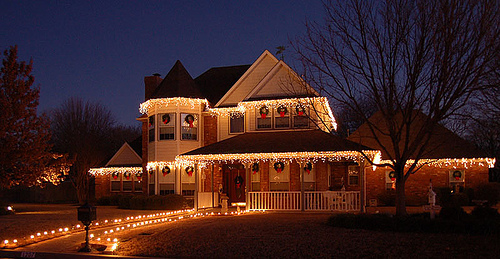
Credit: www.nedesignbuild.com
Frequently Asked Questions
How Do I Safely Hang Christmas Lights On My House?
Use a sturdy ladder and wear gloves to protect your hands. Secure lights with clips instead of nails. Check for damaged wires before plugging in. Avoid overloading electrical outlets to prevent hazards.
What Type Of Lights Work Best For Outdoor Use?
LED lights are energy-efficient and durable for outdoor use. Choose weather-resistant lights with proper insulation. Ensure the lights are rated specifically for outdoor conditions to withstand rain and snow.
How Can I Make My Christmas Lights Last Longer?
Turn off lights when not in use to save energy. Use timers to control lighting hours automatically. Store lights properly after the season to avoid damage and tangling.
What’s The Best Way To Plan Christmas Light Placement?
Measure your house dimensions before buying lights. Sketch a layout to visualize where lights will go. Prioritize areas like rooflines, windows, and door frames for maximum impact.
Conclusion
Stringing Christmas lights on your house adds joy and warmth to the holidays. Take your time and plan each step carefully. Use safe tools and check all connections before hanging lights. Start from the power source and work outward for even coverage.
Keep the lights secure to avoid damage from wind or rain. Brighten your home and enjoy the festive glow with family and friends. Decorating can be fun and rewarding with the right approach. Celebrate the season by creating a beautiful, shining display.



