
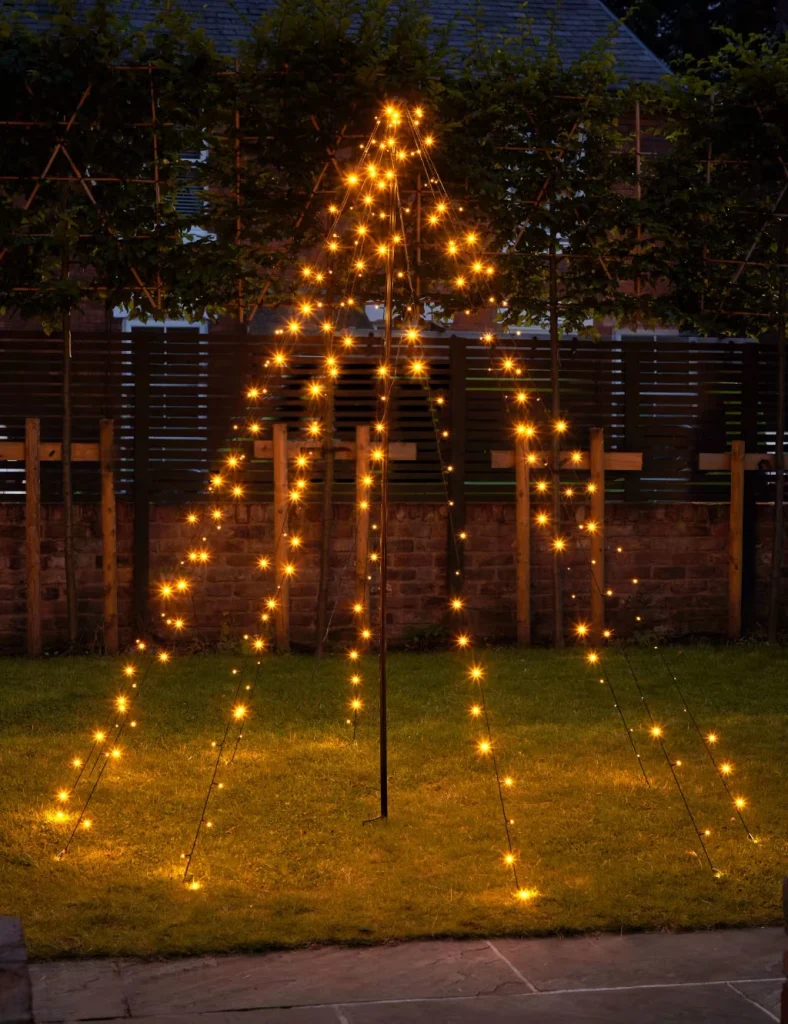
Your outdoor tree can become the highlight of your yard with just a few simple steps. Imagine soft, glowing lights wrapping around the branches, creating a warm and inviting atmosphere every evening.
You might think stringing lights on a tree is tricky or time-consuming, but it doesn’t have to be. In this guide, you’ll discover easy, practical tips to light up your tree like a pro. Keep reading, and by the end, you’ll have the confidence and know-how to transform your outdoor space into a magical spot that friends and family will love.
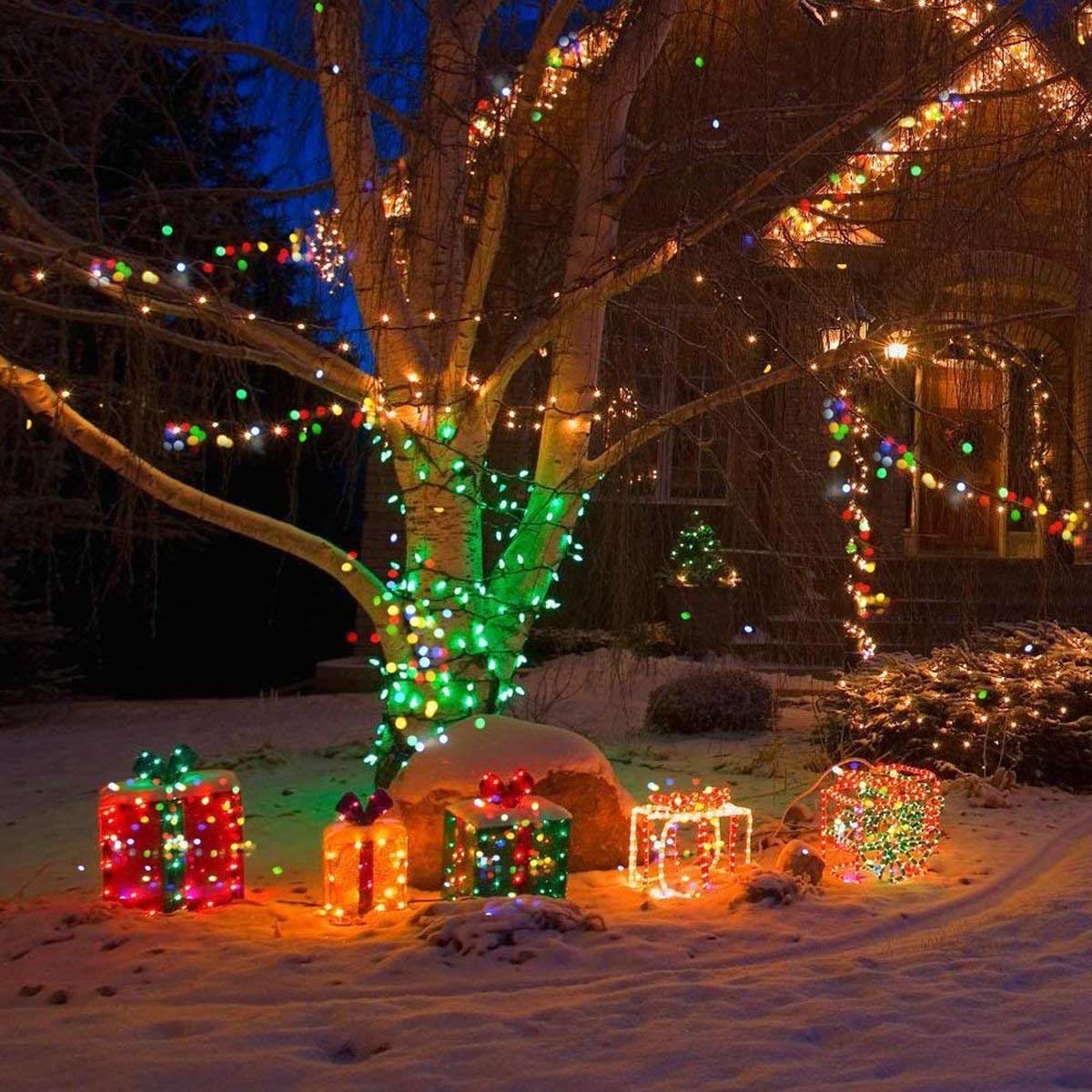
Credit: www.familyhandyman.com
Choosing The Right Lights
Choosing the right lights for stringing on your outdoor tree can make a huge difference in both the look and durability of your setup. The perfect lights will highlight your tree’s natural beauty while standing up to the elements. Let’s break down how to pick lights that suit your style, budget, and outdoor conditions.
Types Of Outdoor Lights
There are several types of outdoor lights, each offering unique effects and benefits. Traditional incandescent bulbs give a warm, classic glow but consume more energy and have shorter lifespans.
LED lights are popular because they’re bright, last longer, and come in a wide range of colors and styles. You can choose from mini lights, globe bulbs, or even fairy lights depending on the mood you want to create.
Consider your tree’s size and shape too. Larger bulbs work well on big trees for a bold statement, while smaller lights add subtle charm to delicate branches.
Energy Efficiency Options
Energy efficiency is more than just a buzzword—it affects your electricity bill and environmental impact. LED lights use up to 80% less energy than incandescent bulbs, which means they can stay on longer without costing you more.
Solar-powered string lights are another option if you want to avoid wiring or outlets. They charge during the day and light up automatically at night, but their brightness depends on sunlight availability.
Ask yourself: Are you looking for lights that stay on all night or just for a few hours? This will help you decide which energy option fits your needs best.
Weatherproof Features
Your outdoor tree lights need to handle rain, wind, and temperature changes. Look for lights rated IP65 or higher—these are designed to resist water and dust, ensuring your display lasts through storms.
Check the quality of plugs and connectors too. Rubberized or sealed connectors prevent moisture from causing shorts or corrosion.
Remember, investing in weatherproof lights saves you time and money on replacements. How often do you want to climb your ladder to fix or replace bulbs?
Preparing The Tree
Preparing the tree is the first step to creating beautiful outdoor lighting. It sets the stage for a safe and stunning display. Take time to select a healthy tree with good shape and enough branches. Clean the branches thoroughly to allow the lights to stick well and shine bright. Check the power sources nearby to ensure the lights will work without any hazards. Proper preparation makes the decorating process smooth and enjoyable.
Selecting The Tree
Choose a tree with strong, healthy branches. Look for a tree that stands tall and has good shape. Avoid trees with dead or broken limbs. The tree should be close to a power outlet. Pick a tree with enough space for the lights to spread evenly. This helps the lights look full and balanced.
Cleaning The Branches
Remove dirt, dust, and spider webs from the branches. Use a soft brush or cloth to clean the surfaces. This helps the lights stick better and last longer. Clean branches also let the lights shine clearly. Avoid using water if the tree is delicate or the weather is cold.
Checking Power Sources
Find a nearby outdoor power outlet that works well. Check the outlet for any signs of damage or rust. Use a weatherproof extension cord if needed. Make sure the cord is safe for outdoor use. Plan the light plug location to avoid stretching or tripping hazards. Test the outlet with a small device before hanging lights.
Planning The Layout
Planning the layout is the first key step to string lights on an outside tree. It helps create a beautiful and balanced look. Careful planning saves time and avoids wasting lights. Start by understanding the size and shape of the tree. Think about the style and pattern of lights you want. Keep safety in mind to prevent accidents.
Measuring The Tree
Measure the height and width of the tree. Use a tape measure or a long string. Wrap the string around the tree to estimate the length of lights needed. Count the main branches and trunk size. Write down these numbers for better planning. This step helps buy the right amount of lights.
Deciding Light Patterns
Choose how you want the lights to look on the tree. You can wrap lights around branches or hang them vertically. Consider spiral wrapping for a classic look. Or drape the lights loosely for a soft glow. Mixing patterns adds depth and interest. Pick one or combine styles for a unique effect.
Safety Precautions
Check the lights for any damage before use. Use outdoor-rated lights and extension cords only. Avoid overloading electrical outlets to prevent fire hazards. Secure the lights tightly to avoid falling or wind damage. Keep plugs and connections away from water. Turn off lights when not in use for extra safety.

Credit: mkillumination.co.uk
Stringing The Lights
Begin by wrapping lights around the trunk, then extend to the branches evenly. Secure wires gently to avoid damage. Test the lights before dark to ensure they glow beautifully.
Stringing lights on outdoor trees creates magical displays. This task might seem daunting, but with a few steps, you can transform your garden into a twinkling wonderland.Starting From The Base
Begin at the tree’s base. Plug the first string of lights into an outdoor extension cord. Position the cord near the tree trunk. Wrap the lights around the trunk, ensuring they are evenly spaced. This creates a strong foundation.Wrapping Branches Evenly
Move up the tree, wrapping lights around each branch. Keep the lights evenly spaced for a balanced look. Use a ladder for taller branches, ensuring safety. Work from the inside out for better coverage. This method highlights the tree’s natural shape.Securing The Lights
Use zip ties or twist ties to secure the lights. Fasten them loosely to avoid damage. This prevents the lights from slipping or getting tangled. Check connections as you go to ensure all lights work. This step ensures a secure and bright display.Testing And Adjusting
After carefully stringing your lights around the tree, the next crucial phase is testing and adjusting. This step ensures every bulb shines brightly and the display looks just right. Skipping this could leave you with dark spots or uneven lighting that spoils the effect.
Powering On
Once your lights are in place, plug them in and turn them on to see the full effect. Watch closely for any bulbs that don’t light up or flicker, as these need immediate attention. If you encounter a section that stays dark, it could mean a loose connection or a faulty bulb.
Have you ever noticed a strand where only part of it works? It’s often a simple fix but catching it early saves frustration later.
Fixing Loose Spots
Loose spots happen when the lights aren’t snug against the branches or when a bulb isn’t fully seated in its socket. Carefully adjust these areas by pushing bulbs back in or tightening the string around the branches. You can use twist ties or small clips to secure the lights firmly without damaging the tree.
Pay attention to spots that sag or hang awkwardly. Adjusting these not only improves appearance but prevents bulbs from falling out or breaking in wind or rain.
Enhancing The Glow
To boost the overall glow, step back and observe your tree from different angles and distances. If certain areas look dim, add extra strands or reposition existing ones to fill gaps. Wrapping lights closer around the trunk or thicker branches can create a warm, concentrated glow that catches the eye.
Think about layering your lights by combining warm white with soft color tones for a richer effect. What small changes can you make to bring your outdoor tree to life after dark?
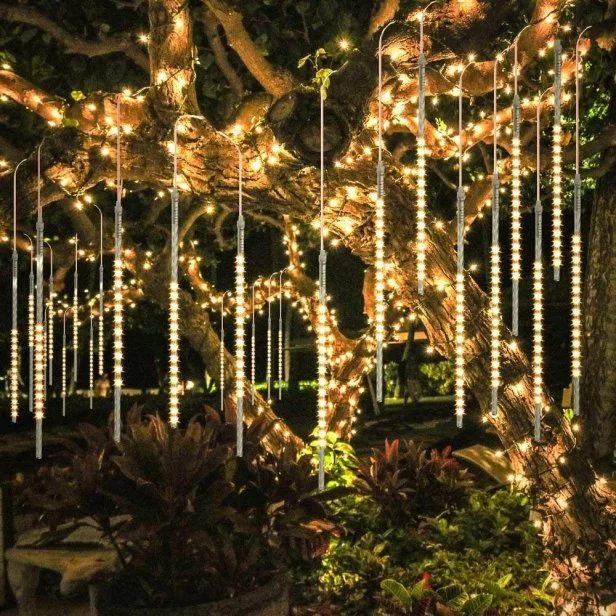
Credit: www.hgtv.com
Maintaining The Lights
Maintaining the lights on your outside tree is key to keeping your display bright and safe. Neglecting this task can lead to burnt-out bulbs, tangled wires, or even electrical hazards. With a little care, your string lights can last for many seasons, making your outdoor space inviting year after year.
Regular Checks
Check your lights at least once a week while they are in use. Look for any frayed wires, loose connections, or bulbs that have gone dark. A quick glance can save you from unexpected blackouts or safety issues.
Have you ever found a section of lights completely out right before guests arrive? Spotting problems early means you can replace bulbs or fix wiring before it ruins your setup. Keep a small kit with spare bulbs and electrical tape handy for quick fixes.
Weather Protection Tips
Outdoor lights face harsh weather—rain, wind, and even snow. Protect your string lights by using waterproof covers for plugs and connectors. Secure wires tightly to branches to prevent them from blowing around and getting damaged.
Consider using LED lights designed for outdoor use, as they resist moisture and temperature changes better. If a storm is approaching, unplug your lights to avoid electrical shorts or damage. How much damage could you prevent with just a few extra precautions?
Storage After Use
When the season ends, take time to store your lights properly. Untangle and coil them gently to avoid kinks or breaks. Avoid stuffing them in a box where they can get crushed or tangled with other decorations.
Use a sturdy container or a dedicated reel to keep your lights organized and safe from dust or pests. Label your storage to find exactly what you need next time—no more digging through piles. Proper storage means your lights will be ready to shine without fuss next season.
Frequently Asked Questions
How Do I Prepare My Tree For String Lights?
Start by choosing a healthy tree with sturdy branches. Clean any debris and trim dead branches. Measure the tree’s height and width to estimate the light length needed. Use outdoor-rated extension cords and lights for safety and durability.
What Type Of Lights Work Best Outdoors?
LED string lights are energy-efficient and long-lasting. Choose waterproof, weather-resistant lights with a suitable outdoor rating. Warm white or multicolor options add ambiance. Ensure the lights have insulated wiring to withstand outdoor conditions.
How Many Lights Should I Use Per Tree?
A general rule is 100 lights per vertical foot of tree height. Adjust based on desired brightness and tree fullness. More lights create a denser, brighter effect. Less lights give a subtle, elegant glow.
How Do I Safely Hang Lights On A Tree?
Start from the trunk and wrap lights around branches evenly. Use plastic clips or zip ties to secure lights gently. Avoid metal fasteners that damage bark. Plug lights into a GFCI outlet to prevent electrical hazards.
Conclusion
Stringing lights on an outside tree adds charm and warmth. Start with a plan and choose safe, outdoor lights. Wrap the trunk and branches carefully for an even look. Check connections to avoid any electrical issues. Enjoy the cozy glow your tree creates at night.
Simple steps bring a festive touch to your outdoor space. Brighten evenings with your beautifully lit tree this season.



