
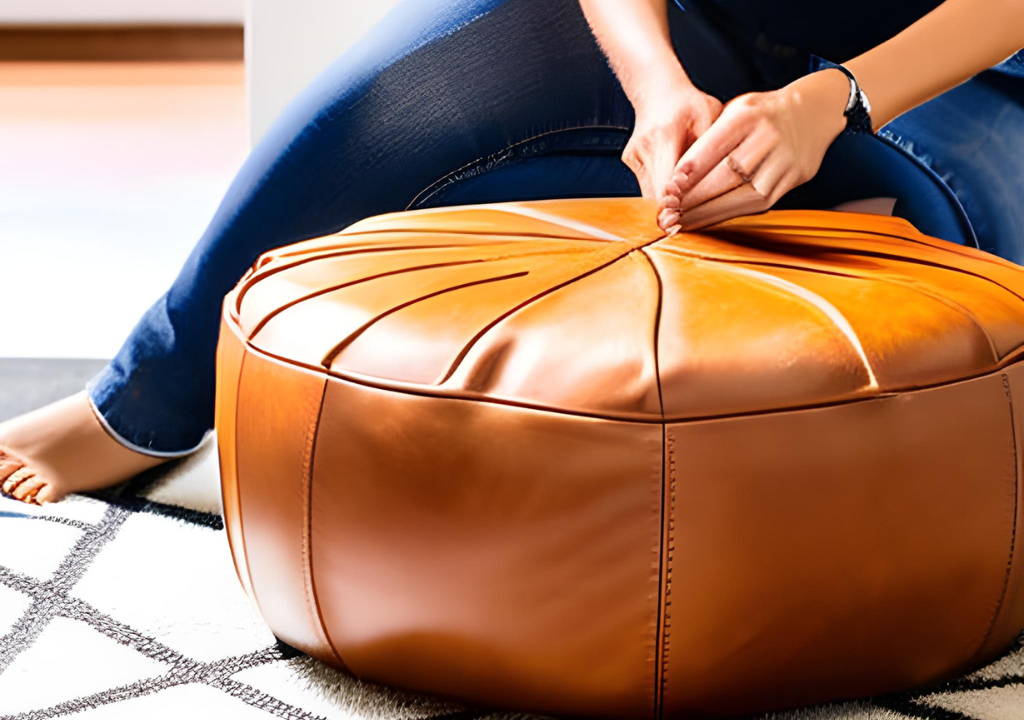
If you have a Moroccan leather pouf sitting empty in your living room, you might wonder how to fill it the right way. Stuffing your pouf correctly is key to making it comfortable, durable, and stylish.
You’ll discover simple steps to stuff your Moroccan leather pouf so it looks great and feels perfect every time you use it. Whether you want a firm seat or a soft footrest, you’ll find easy tips that anyone can follow.
Keep reading to transform your pouf into the cozy, eye-catching piece it was meant to be.

Credit: www.marrakeche.com
Choosing The Right Pouf
Choosing the right Moroccan leather pouf is the first step to creating a stylish and comfortable space. Your choice affects not only the look but also how easy and effective stuffing it will be. Think about your space, your style, and how you plan to use the pouf before making a decision.
Types Of Moroccan Leather Poufs
Moroccan poufs come in various styles, each with unique features. You’ll find classic round poufs, which are the most common and versatile. Square and hexagonal shapes also exist, offering a more modern or geometric look.
Some poufs feature intricate hand-stitched patterns or embossed designs. Others keep it simple with plain leather, letting the material’s texture speak for itself. Knowing the type helps you decide what stuffing will work best to maintain its shape and comfort.
Size And Shape Considerations
Size matters because it affects both comfort and practicality. A larger pouf can serve as extra seating or a footrest, while a smaller one works better as a decorative accent. Think about how much space you have and what you want the pouf to do.
Shape also plays a role in stuffing. Round poufs usually need even stuffing for a smooth look, while angular shapes can require more precise filling to keep sharp edges. Ask yourself, do you prefer a soft, cushy feel or a firm, supportive one? Your stuffing choice will follow that preference.
Selecting Filling Materials
Choosing the right filling material for your Moroccan leather pouf can change how it looks, feels, and lasts. Your choice affects comfort, durability, and ease of maintenance. Before you start stuffing, think about what you want most: softness, firmness, or something that holds its shape for years.
Common Filling Options
- Polyester Fiberfill:A soft, lightweight synthetic option that’s easy to work with.
- Foam:Comes in various densities and offers good support and shape retention.
- Old Clothes or Fabric Scraps:Eco-friendly and budget-friendly, using recycled materials.
- Bean Bag Beads:Small polystyrene beads that give a flexible and moldable feel.
- Cotton Batting:Natural and breathable, providing a firm but comfortable fill.
- Wool:Offers natural resilience and a luxurious, firm texture.
Pros And Cons Of Each Material
| Filling Material | Pros | Cons |
|---|---|---|
| Polyester Fiberfill |
|
|
| Foam |
|
|
| Old Clothes/Fabric Scraps |
|
|
| Bean Bag Beads |
|
|
| Cotton Batting |
|
|
| Wool |
|
|
Think about what matters most to you. Do you want a pouf that stays firm after years of use, or one that’s soft and inviting from the start? Your choice of filling material will directly impact how your Moroccan leather pouf serves you daily. What kind of feel do you imagine every time you sit down?
Preparing The Filling
Preparing the filling for your Moroccan leather pouf is a crucial step. The right filling gives the pouf its shape, comfort, and durability. Taking time to prepare the filling properly ensures a long-lasting and cozy pouf. Focus on measuring the amount correctly and treating the filling to keep it fluffy and soft.
Measuring The Required Amount
First, measure your pouf’s size. Note its diameter and height. This helps estimate how much filling you need. Use a flexible tape measure for accuracy.
Filling materials vary. Common choices include polyester fiberfill, old clothes, or foam pieces. Each type has a different density and weight.
Here is a simple guide for filling amounts based on pouf size:
| Pouf Diameter | Pouf Height | Filling Weight Approx. |
|---|---|---|
| 18 inches | 14 inches | 3-4 pounds |
| 20 inches | 16 inches | 4-5 pounds |
| 22 inches | 18 inches | 5-6 pounds |
Measure filling by weight, not volume, for better results. Prepare a little extra filling to adjust firmness.
Fluffing And Conditioning
Fluff the filling to make it soft and springy. Break up clumps by hand or with a fork. This helps air flow inside the pouf.
Conditioning the filling prevents it from becoming flat quickly. Spray a small amount of fabric freshener or mix in a few drops of essential oil. This keeps the pouf smelling fresh.
Shake the filling in a bag before stuffing. This adds volume and separates fibers. Fluffy filling fills the pouf evenly and feels comfortable.
Step-by-step Stuffing Process
Stuffing a Moroccan leather pouf is simple with the right approach. Follow the process carefully to get a firm and comfortable pouf. Proper stuffing keeps the pouf in shape and adds to its charm.
Opening The Pouf
Locate the zipper or opening on the pouf. Gently unzip it to avoid damaging the leather. If no zipper exists, find a seam that can be opened carefully. Use clean hands to keep the inside fresh.
Inserting The Filling
Choose the right filling like polyester fiber, cotton, or foam. Start inserting small amounts into the pouf. Press the filling inside to remove air pockets. Continue adding until the pouf feels firm but soft.
Ensuring Even Distribution
Move the filling around inside the pouf with your hands. Spread it evenly to avoid lumps and bumps. Sit or press the pouf gently to check for comfort. Add or remove filling to balance the shape perfectly.
Sealing And Finishing
Sealing and finishing your Moroccan leather pouf is a key step to keep its shape and look. This process ensures the stuffing stays inside and the pouf feels smooth and inviting. Proper sealing protects the leather and gives a clean, polished appearance.
Closing The Pouf Securely
Start by folding the open edges of the pouf inward. Use strong thread or leather cord to stitch the opening tightly. Double knot the thread to prevent it from loosening over time. Check for any gaps and sew them closed to keep the stuffing safe. A tight closure stops the filling from spilling out during use.
Smoothing The Surface
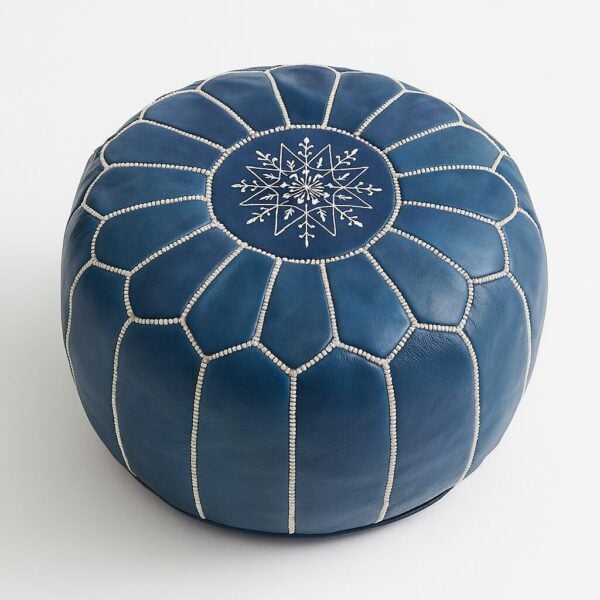
After closing, press the pouf gently to even out the stuffing inside. Use your hands to push lumps toward the center and create a smooth surface. If needed, pat the leather lightly to soften any wrinkles. This step helps the pouf look neat and comfortable. A smooth surface enhances the pouf’s overall appeal and feel.
Credit: www.marrakeche.com
Maintaining Your Filled Pouf
Keep your Moroccan leather pouf firm by regularly checking its stuffing. Add soft materials like cotton or foam to maintain shape and comfort. Avoid overfilling to prevent damage to the leather surface.
Maintaining your filled Moroccan leather pouf is essential for longevity. A well-stuffed pouf can remain comfortable and visually appealing. Regular maintenance ensures it stays in top condition. Proper care also highlights the beauty of the leather and stitching. Here’s how you can keep your filled pouf looking and feeling great.Regular Fluffing Tips
Fluffing keeps your pouf comfy and looking full. Gently press and knead it. Do this weekly to keep it in shape. Rotate the pouf to even out wear and tear. This simple act extends its life.Cleaning And Care Advice
Leather requires gentle cleaning. Use a soft, damp cloth to wipe dust. Avoid soaking the leather. Use mild soap if necessary, but rinse well. Let it air dry to prevent damage. For stains, consider a leather cleaner. Test it on a small area first. Keep the pouf away from direct sunlight. This prevents fading and cracking. Regularly check for any loose threads. Trim them gently to avoid unraveling.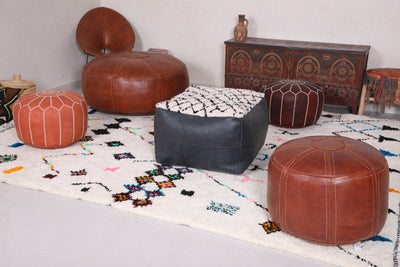
Credit: www.boucherouiterug.com
Frequently Asked Questions
How Do I Prepare A Moroccan Leather Pouf For Stuffing?
First, unzip the pouf and lay it flat. Choose clean, dry stuffing material. Ensure the pouf’s inner lining is intact before filling.
What Materials Are Best For Stuffing A Moroccan Pouf?
Use polyester fiberfill, old clothes, or foam pieces. These materials provide comfort and maintain shape. Avoid heavy or damp materials.
How Much Stuffing Is Needed For A Moroccan Leather Pouf?
Fill the pouf until firm but not overstuffed. It should hold shape while remaining comfortable to sit on.
Can I Stuff A Moroccan Pouf Without A Zipper?
Yes, use a needle and strong thread to create an opening. Stuff carefully, then sew the opening securely to avoid leaks.
Conclusion
Stuffing a Moroccan leather pouf is simple and fun. Choose soft, light filling for comfort and shape. Take your time to fill evenly for a neat look. Keep adjusting until the pouf feels just right. Enjoy the cozy seat or stylish decor it creates.
Your handmade pouf adds a warm, personal touch to any room. Try this easy project to brighten your space today.



