
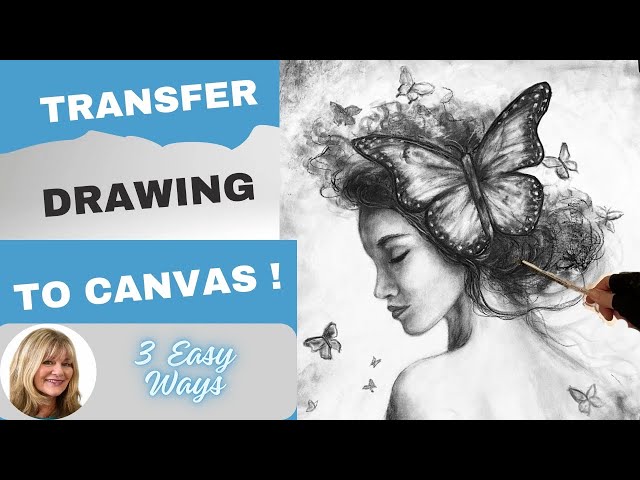
Have you ever wished to turn your favorite photo into a stunning piece of wall art? Transferring a picture to canvas is a creative way to preserve memories and add a personal touch to your space.
But how do you make sure the image stays clear and vibrant? In this guide, you’ll discover simple, step-by-step methods to transform your pictures into beautiful canvas prints. Whether you want to decorate your home or create a meaningful gift, this article will show you how to bring your photos to life on canvas—effortlessly and with great results.
Keep reading, and you’ll soon have the skills to make your walls truly unique.
Choosing The Right Image
Choosing a clear, high-quality image ensures your canvas looks sharp and vibrant. Simple designs with strong contrast transfer best to canvas. Avoid busy or blurry pictures for a cleaner result.
Choosing the Right Image Choosing the right image is crucial when transferring a picture to canvas. Your chosen picture can make or break the final artwork. A well-selected image will bring your canvas to life, adding depth and vibrancy.Image Resolution And Quality
A high-resolution image is essential for a clean and sharp transfer. Low-resolution images tend to look pixelated or blurry on canvas. Aim for images with at least 300 DPI (dots per inch) to ensure clarity. Consider using a photo editing tool to check your image’s resolution before proceeding. Higher quality ensures that every detail is preserved during the transfer process.Selecting Suitable Photos
Think about the story you want your canvas to tell. Personal photos, like family portraits or travel snapshots, often resonate more deeply. Choose images that reflect emotions or moments that are meaningful to you. Black and white photos can also be a great choice, offering a timeless, classic feel.Adjusting Image Colors
Before transferring, adjust the colors to enhance the image’s appeal. Use editing software to tweak brightness, contrast, and saturation. If your image is too dark or washed out, a few adjustments can make a significant difference. Play around with filters to find the perfect look that complements your space. What image will you choose for your canvas? Consider how each element contributes to your story and the ambiance of your home.Gathering Materials
Before you start transferring your picture to canvas, gathering the right materials is key to achieving a smooth and satisfying result. The quality of your supplies will directly affect how well your image transfers and how vibrant your final artwork looks. Let’s break down what you need to get ready.
Types Of Canvas
Choosing the right canvas is more important than many realize. You can opt for a pre-stretched canvas, which is ready to use and offers a smooth surface. Alternatively, canvas boards are sturdy and budget-friendly, perfect if you want something less bulky.
Consider the texture too. A smoother canvas works better for detailed images, while a rougher texture adds artistic character but might distort fine lines. What kind of finish do you want your picture to have?
Essential Tools And Supplies
- Printed Image:Use a laser print or photocopy of your picture, as inkjet prints can smudge during transfer.
- Gel Medium:This adhesive is crucial for transferring your image onto the canvas effectively.
- Brushes or Sponges:You’ll need these to apply the gel medium evenly.
- Palette Knife or Credit Card:Helpful for smoothing out bubbles and wrinkles after placing the image.
- Water and Cloth:For gently removing the paper backing once the gel medium dries.
Missing just one of these items can make your transfer uneven or incomplete. Have you checked your supplies twice?
Preparing Your Workspace
Setting up a clean, well-lit workspace can save you a lot of frustration. Cover your surface with newspaper or a plastic sheet to protect against spills. Ensure you have enough room to work comfortably without rushing.
Good lighting helps you see the details clearly while applying gel medium and removing paper. Also, keep a cup of water nearby for cleaning your brushes quickly. How organized is your creative space right now?
Preparing The Canvas
Getting your canvas ready is a crucial part of transferring a picture. The better prepared your canvas, the sharper and more durable your final artwork will be. Taking time to properly prepare ensures your image sticks well and lasts long without peeling or fading.
Priming The Surface
Priming your canvas creates a sealed, stable surface that helps your picture transfer smoothly. Use a good-quality acrylic gesso for priming. Apply it in thin, even layers, letting each dry completely before adding the next.
Skipping this step might cause your paint or transfer medium to soak unevenly. Have you noticed how some canvases absorb paint too fast or unevenly? That’s usually because they weren’t primed properly.
Sizing The Canvas
Sizing adds another protective layer that prevents the canvas fibers from absorbing moisture from your transfer materials. You can use rabbit skin glue or acrylic size, depending on your preference.
This step is especially important if you’re working with delicate or water-based transfer techniques. It acts like a moisture barrier, keeping your picture crisp and clear. Do you know what happens if you skip sizing? The image might blur or warp as the canvas absorbs liquid.
Ensuring A Smooth Base
A smooth base makes a huge difference in how well your picture adheres and looks on the canvas. After priming and sizing, lightly sand the surface with fine-grit sandpaper. This removes any bumps or rough spots.
Wipe away the dust with a damp cloth before starting your transfer. A perfectly smooth canvas feels almost like glass and helps your picture transfer with no hiccups. Have you tried applying an image on a rough surface? The results can be frustratingly patchy.

Credit: www.youtube.com
Transferring Methods
Transferring your picture onto canvas can breathe new life into your artwork and give it a unique, textured appeal. There are several methods available, each with its own strengths depending on the materials you have and the effect you want to achieve. Understanding these techniques can help you choose the best way to bring your image to life on canvas.
Using Transfer Paper
Transfer paper is a straightforward tool for moving your image onto canvas. Simply place the transfer paper between your picture and the canvas, then trace over the image with a pen or pencil. This leaves a clear outline on the canvas, ready for painting or further work.
This method is great if you want precise control over the design and prefer to add your own colors later. It’s also budget-friendly and easy for beginners to try. Have you ever used tracing in your art projects? You might find this method surprisingly effective.
Gel Medium Transfer Technique
The gel medium transfer technique involves printing your image on regular paper and then applying a gel medium to transfer the ink onto the canvas. After placing the printed side down on the canvas, you smooth it out and let it dry completely. Once dry, you gently rub away the paper, leaving the image embedded in the gel medium on the canvas.
This approach creates a textured, vintage look and works well with black-and-white or color prints. It’s perfect if you want an artistic, layered effect. Are you ready to experiment with texture in your art?
Iron-on Transfer Method
Using an iron-on transfer sheet is a quick way to imprint your picture onto canvas. Print your image on the special transfer paper, place it face down on the canvas, and apply heat with an iron as instructed. The heat helps the image stick firmly to the canvas surface.
This method is ideal for sharp, clear images and is especially useful if you want a smooth finish without additional painting. Do you prefer a clean, polished look for your canvas art?
Projector Tracing
Projector tracing lets you enlarge your image and directly trace it onto the canvas. By projecting the image onto the canvas surface, you can outline it with a pencil or marker. This technique is perfect for large-scale pieces or complex designs.
This method saves time and ensures accuracy, especially when working on detailed art. Have you considered how enlarging your picture might change your creative process?
Painting And Finishing Touches
After transferring your picture onto the canvas, the painting and finishing touches bring your artwork to life. This stage allows you to enhance the image with colors, textures, and depth. Your choices here will define the final look and feel, so taking time with each step matters.
Choosing Paints And Brushes
Your choice of paints affects not only the colors but also the texture and drying time. Acrylic paints are great for beginners because they dry quickly and are easy to work with. Oil paints offer richer colors and longer blending time but require more patience.
Brushes come in various shapes and sizes. Flat brushes are perfect for broad strokes, while round brushes help with details. Don’t forget to have a few small, fine-tip brushes ready for intricate parts of your picture.
Adding Details And Layers
Start with broad colors and shapes, then gradually add layers to build depth. Each layer should dry before you apply the next to avoid muddy colors. Adding details last lets you highlight the important parts of your image.
Think about where light and shadow fall in your picture. Adding shadows with darker tones and highlights with lighter ones can make your painting pop. Have you ever noticed how small details can completely change the mood of a painting?
Sealing And Protecting Artwork
Once your painting is completely dry, sealing it protects your hard work from dust, moisture, and fading. Use a clear varnish made for the type of paint you chose—matte finishes keep colors soft, while glossy finishes make them vibrant.
Apply the sealant in thin, even coats with a clean brush or spray. Make sure to do this in a well-ventilated area. Taking this extra step will keep your artwork looking fresh for years to come.

Credit: www.youtube.com
Tips For Best Results
Achieving the best results when transferring pictures to canvas requires attention to detail and careful handling. Small choices can make a big difference in the final look of your artwork. Follow these tips to ensure your transfer is clear, vibrant, and long-lasting.
Avoiding Common Mistakes
- Choose the right type of image for transfer. High contrast and simple images work best.
- Do not skip surface preparation. Clean the canvas to remove dust and oils.
- Use a gentle touch when applying the transfer medium. Too much pressure can blur details.
- Allow adequate drying time between layers. Rushing causes smudging and peeling.
- Test the transfer on a small canvas piece first. This prevents wasting materials on errors.
Enhancing Texture And Depth
Texture adds life to your canvas art. You can create it by layering paint over the transfer.
- Apply a thin coat of acrylic medium over the image for protection and shine.
- Use a dry brush or sponge to add paint highlights around key areas.
- Try embossing paste or gel mediums to build raised textures on parts of the picture.
- Vary brush strokes and colors to enhance the image’s depth and feel.
Maintaining Your Canvas Art
- Keep your canvas away from direct sunlight to prevent fading.
- Use a soft cloth or brush to dust your canvas regularly.
- Avoid humid or damp environments to stop mold and damage.
- Consider framing your canvas behind glass for extra protection.
- Reapply a clear acrylic sealer every few years to preserve colors and texture.

Credit: fixthephoto.com
Frequently Asked Questions
How Do I Prepare A Picture For Canvas Transfer?
To prepare a picture, choose a high-resolution image. Edit for brightness and contrast. Print it on special transfer paper or regular paper if using gel medium.
What Materials Are Needed To Transfer A Picture To Canvas?
You need a canvas, printed image, gel medium or transfer paper, a brush, and a scraper or credit card for smoothing.
Can I Transfer Pictures Using A Laser Or Inkjet Printer?
Inkjet prints are ideal for gel medium transfers. Laser prints work well with transfer paper. Choose the method based on your printer type.
How Long Does It Take To Transfer A Picture Onto Canvas?
The transfer process usually takes 30 to 60 minutes, including drying time. Drying time may vary with materials and room conditions.
Conclusion
Transferring a picture to canvas can bring your photos to life. It adds a personal touch to your home or gifts. The process is simple and fun to try. Choose the right materials and follow the steps carefully. With practice, your results will improve each time.
Enjoy creating unique art that shows your style. This craft lets you turn memories into lasting displays. Start your project today and see the difference.



