
Looking to add a fresh touch to your living room without a full makeover? Poufs might be exactly what you need.
These versatile pieces can bring style, comfort, and extra seating all at once. Imagine having a cozy spot to rest your feet, a place for guests to sit, or even a unique accent that ties your room together—all with one simple addition.
If you want to discover how to use poufs to transform your living space, keep reading. You’ll learn easy tips that make your room more inviting and stylish right away.

Credit: sarahjoyblog.com
Choosing The Right Pouf
Choosing the right pouf for your living room can change the way you use the space. It’s more than just picking a pretty accessory; it’s about finding a piece that fits your lifestyle and complements your decor. Think about how you want the pouf to function—extra seating, footrest, or even a small side table—and let that guide your choice.
Materials And Fabrics
The material of your pouf affects both comfort and durability. Natural fabrics like cotton and linen offer a soft, breathable feel, perfect if you plan to use it as a seat frequently.
Leather poufs add a touch of sophistication and are easy to wipe clean, making them great for homes with kids or pets. If you want something cozy, consider knitted or woven poufs that bring texture and warmth.
Size And Shape Options
Size matters when picking a pouf. A small pouf fits well in tight spaces and can be moved around easily, while a larger one can serve as a centerpiece or coffee table alternative.
Think about the shape too: round poufs offer a casual vibe, square ones provide structure, and rectangular poufs can double as extra seating or a footrest for multiple people. Which shape complements your furniture layout best?
Color And Pattern Choices
Color sets the mood in your living room. Neutral tones like beige or gray blend seamlessly with most decor, giving you flexibility if you like changing your style often.
Bold colors or patterns can inject personality and become conversation starters. Stripes, geometric designs, or even ethnic prints can add a unique flair, but make sure they don’t clash with your existing furniture.
Ask yourself if you want the pouf to stand out or quietly blend in. Your answer will guide your color and pattern choice effectively.
Poufs As Functional Furniture
Poufs are more than just decorative pieces in your living room. They serve many practical functions that make your space comfortable and organized. Using poufs as functional furniture helps you maximize small spaces and create a cozy atmosphere.
Extra Seating Solutions
Poufs provide additional seating without taking much space. They are easy to move around and fit perfectly in corners or next to sofas. Guests can sit comfortably on poufs during gatherings. Their lightweight design allows quick rearranging for any occasion.
Footrest Benefits
Using a pouf as a footrest helps you relax after a long day. It supports your legs and improves blood circulation. Poufs come in soft, cushioned varieties that add comfort to your living room. They offer a stylish alternative to traditional ottomans.
Storage Poufs
Storage poufs combine seating and storage in one piece of furniture. Inside, you can keep blankets, magazines, or toys neatly hidden. This keeps your living room tidy and clutter-free. Storage poufs are perfect for small spaces that need smart organization.
Styling Poufs In Different Living Room Themes
Styling poufs in your living room can elevate its overall look. They are versatile and adaptable, fitting into various decor themes effortlessly. Whether your space exudes a bohemian vibe or a modern aesthetic, poufs add character and functionality. Let’s explore how to style poufs in different living room themes.
Boho And Eclectic Spaces
Boho spaces thrive on layers and textures. Choose poufs with vibrant colors and bold patterns. Mix and match different fabrics like leather, cotton, and jute. Place them near low seating or on patterned rugs. These poufs can serve as extra seating or footrests. They complement the free-spirited, eclectic vibe.
Modern And Minimalist Looks
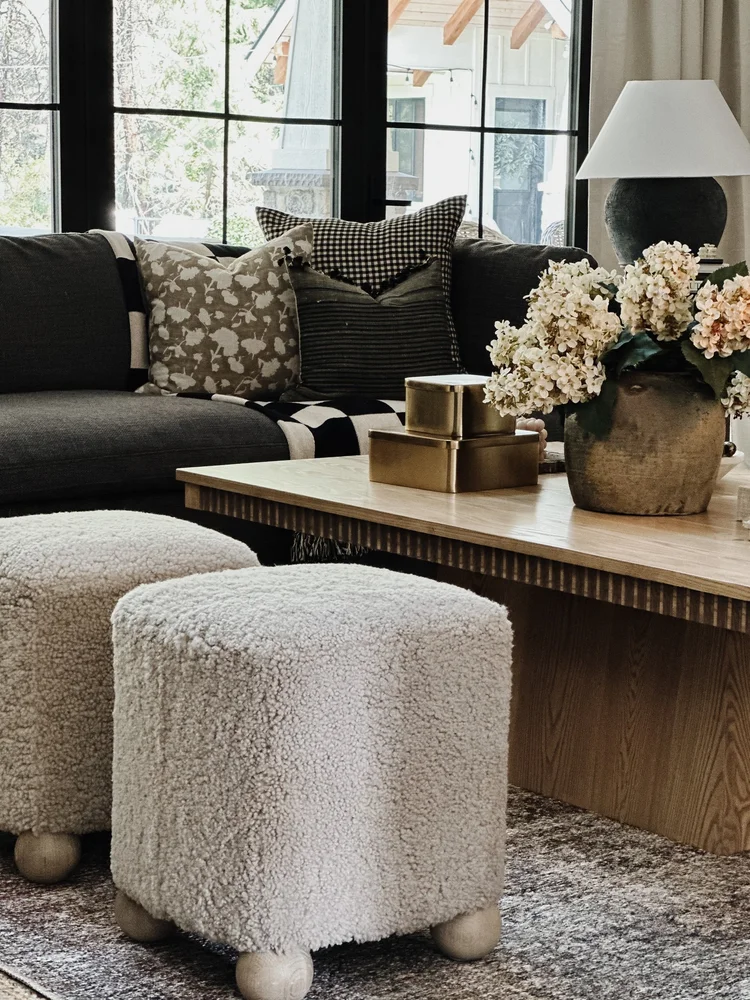
Modern spaces focus on simplicity and clean lines. Opt for poufs in neutral tones like gray, beige, or white. Choose sleek designs with minimal embellishments. Place them beside streamlined furniture pieces. They provide a subtle pop without overwhelming the space. Poufs in modern settings can act as understated accents.
Rustic And Cozy Settings
Rustic spaces embrace warmth and natural materials. Select poufs with earthy tones and textures. Leather, wool, and knitted poufs work well here. Position them near a fireplace or cozy seating area. They add a homely touch and extra comfort. Poufs in rustic themes invite relaxation and coziness.
Credit: www.ryanhausinteriors.com
Arranging Poufs For Comfort And Flow
Poufs add a cozy and flexible touch to any living room. Arranging them well improves comfort and room flow. Thoughtful placement lets everyone relax and move freely. Use poufs to create inviting spaces without crowding the room. Consider how people sit, talk, and walk around.
Creating Conversation Areas
Group poufs near sofas or chairs to form cozy spots for talking. Arrange them in circles or semi-circles to face each other. This setup invites guests to chat comfortably. Use poufs of different heights to add variety and interest. Keep the space open enough for easy movement.
Balancing Space And Accessibility
Place poufs where they don’t block walkways or doors. Leave at least 18 inches between furniture for smooth flow. Use smaller poufs in tight spaces to avoid clutter. Position poufs near seating so people can use them as footrests or extra seats. This balance keeps the room functional and inviting.
Mixing Poufs With Other Furniture
Combine poufs with sofas, chairs, and coffee tables for layered seating. Match pouf colors and textures with existing furniture to create harmony. Use poufs as side tables by adding trays on top. This mix enhances both style and practicality. Change pouf placement to refresh the room’s look anytime.
Maintaining And Caring For Poufs
Maintaining and caring for poufs is key to keeping them looking fresh and extending their lifespan. You want your poufs to remain a cozy, stylish part of your living room without becoming worn out or dirty. Paying attention to how you clean and protect them can save you time and money in the long run.
Cleaning Tips For Different Fabrics
Different fabrics need different care, so knowing your pouf’s material is crucial. For cotton or linen poufs, vacuum regularly and spot clean with mild soap and water. Avoid soaking the fabric to prevent shrinkage or damage.
Leather poufs benefit from wiping with a damp cloth and using a leather conditioner once every few months. Avoid harsh chemicals that can strip the leather’s natural oils. For velvet poufs, use a soft brush to lift dirt and occasionally steam to refresh the fabric without flattening the texture.
Protecting Poufs From Wear
Think about where you place your pouf. High-traffic areas may cause quicker wear, so rotating your poufs occasionally can help distribute use evenly. Using poufs as footrests? Place a small tray on top to protect the fabric from oils and dirt from your feet.
Keep pets away from your poufs if possible, or train them to avoid scratching and chewing. Adding a protective spray designed for fabrics can repel stains and spills, making cleaning easier. Do you notice certain spots getting dirtier faster? That’s your cue to adjust placement or add a washable cover.
When To Replace Or Refresh
Even with great care, poufs will eventually show signs of aging like flattened stuffing or faded fabric. If your pouf no longer holds shape or the fabric is torn, it might be time to replace it. But before tossing it out, consider refreshing it with new stuffing or a reupholstery project.
Refreshing your pouf can be a fun way to update your living room’s look without buying new furniture. Ask yourself: does the pouf still fit your style and needs? If not, swapping it out can breathe new life into your space instantly.

Credit: www.castlery.com
Frequently Asked Questions
What Are The Benefits Of Using Poufs In Living Rooms?
Poufs add versatile seating, extra comfort, and style to living rooms. They save space and can serve as footrests or side tables. Poufs are lightweight, easy to move, and come in various materials and designs to enhance any decor.
How To Choose The Right Pouf Size For Living Room?
Pick a pouf size that complements your living room layout. It should be proportional to your furniture and not overcrowd the space. Measure the available area and consider poufs that offer both comfort and functionality without obstructing movement.
Can Poufs Replace Traditional Living Room Chairs?
Poufs can replace chairs for casual seating but may lack back support. Use them for short-term seating or as additional spots during gatherings. For long-term comfort, combine poufs with regular chairs to maximize seating options.
How To Style Poufs With Living Room Furniture?
Match poufs with your sofa or rugs for cohesive decor. Use contrasting colors or textures to create visual interest. Arrange poufs near sofas or coffee tables to boost functionality and add a cozy, inviting vibe to the room.
Conclusion
Poufs bring style and comfort to any living room space. They serve as extra seating or a footrest for tired feet. Choose colors and textures that match your room’s look. Move them around easily for flexible use. Small or large, poufs fit well in tight spots.
They add warmth and invite relaxation. Simple, useful, and pretty. Poufs make your living room feel cozy and complete. Try adding one today and enjoy the change.



