
Is your basement feeling damp, stuffy, or musty? Without windows, getting fresh air down there can seem impossible.
But don’t worry—you can still ventilate your basement effectively. You’ll discover simple, practical ways to bring fresh air into your basement and keep it dry and comfortable. Keep reading to find out how to improve your basement’s air quality and protect your home from mold and mildew.
Your basement will thank you!

Credit: www.grandrapidsbasementpros.com
Challenges Of Basements Without Windows
Basements without windows face unique challenges in maintaining fresh air. Without natural ventilation, stale air can build up quickly. This creates discomfort and potential health risks. Proper ventilation becomes tricky but essential. Understanding these challenges helps in finding the right solutions for a healthy basement environment.
Common Air Quality Issues
Basements without windows often suffer from poor air circulation. This leads to:
- High humidity levels causing dampness
- Musty odors from trapped moisture
- Accumulation of dust and allergens
- Possible mold and mildew growth
- Reduced oxygen levels making the air feel heavy
These problems affect comfort and can harm health over time.
Risks Of Poor Ventilation
Without proper airflow, several risks arise in basements without windows:
- Growth of harmful mold spores causing allergies
- Increased chances of respiratory issues
- Damage to furniture and stored items from moisture
- Structural damage due to persistent dampness
- Unpleasant and unhealthy living conditions
Ventilation must address these risks to keep basements safe and dry.

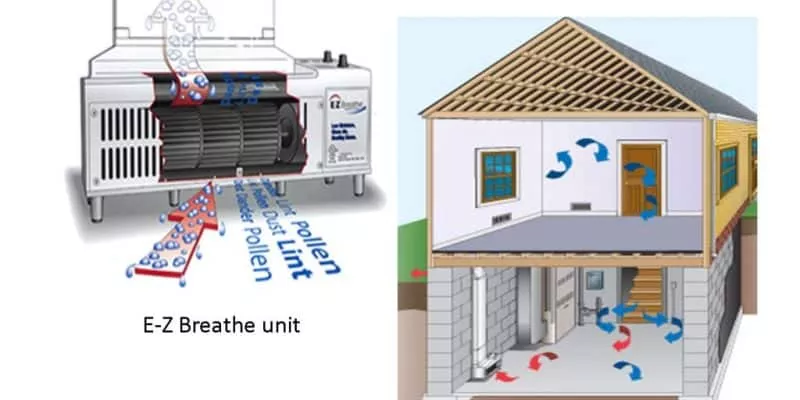
Credit: ezbreathe.com
Mechanical Ventilation Options
Mechanical ventilation offers effective solutions for basements without windows, ensuring fresh air circulates and moisture stays under control. These options help prevent mold growth, reduce stale odors, and improve overall air quality. Let’s look at practical ways to bring mechanical ventilation into your basement and how they can make a real difference.
Installing Exhaust Fans
Exhaust fans pull stale, damp air out of your basement and push it outside. They are relatively simple to install on an exterior wall or ducted through to the outside if walls are not available.
Choosing a fan with the right capacity matters—too small, and it won’t move enough air; too large, and you risk over-drying or noise issues. Have you checked your basement’s square footage and ceiling height to calculate the needed airflow (measured in CFM)? This step ensures you pick the right fan.
Once installed, exhaust fans work quietly in the background, reducing humidity and bringing in fresher air from connected spaces. Consider adding a timer or humidity sensor to automate operation based on need.
Using Air Exchange Systems
Air exchange systems actively replace indoor air with fresh outdoor air, maintaining balanced ventilation. These systems often include heat recovery ventilators (HRVs) or energy recovery ventilators (ERVs) that capture heat from outgoing air and transfer it to incoming air, saving energy.
While the initial installation is more complex and costly, the long-term benefits include consistent air quality and energy efficiency. If you’ve noticed persistent musty smells or a damp feeling despite other efforts, an air exchange system might be your best bet.
These systems require ductwork and space for the unit, so plan carefully. Professional installation ensures proper sealing and balanced airflow to avoid pressure problems in your home.
Benefits Of Dehumidifiers
Dehumidifiers don’t ventilate air but play a vital role in basement air quality by removing excess moisture. High humidity encourages mold, mildew, and dust mites, which can affect health and damage belongings.
Using a dehumidifier alongside mechanical ventilation keeps moisture levels in check, especially in humid climates or poorly sealed basements. I once used a dehumidifier after installing an exhaust fan, and the combined effect made the basement noticeably fresher and more comfortable.
Look for models with an automatic shut-off and a built-in hygrometer to maintain ideal humidity around 50%. Regular maintenance, like cleaning filters and emptying water tanks, keeps your device running efficiently.
Natural Ventilation Techniques
Basements without windows can stay fresh using vents and fans to move air. Installing air bricks or vents near the floor and ceiling helps air flow naturally. Using a dehumidifier also reduces moisture and keeps the space dry.
Natural ventilation can be a practical solution for windowless basements. It uses simple methods to improve airflow. This helps reduce humidity and odors. Let’s explore some effective techniques to ventilate such spaces naturally.Creating Ventilation Shafts
Ventilation shafts are a practical way to move air. They connect the basement to the outside. You can install shafts through the ceiling or walls. This setup allows stale air to escape. Fresh air enters through other openings. Choose a location with easy access to the outside. Use materials like PVC or metal for durability. Ensure the shaft openings are clear of obstructions. This maximizes airflow.Utilizing Door And Stairwell Gaps
Doors and stairwells can aid basement ventilation. Keep doors slightly ajar to promote airflow. Ensure there are gaps under the doors. This helps air circulate between rooms. Stairwells can act as natural funnels. They guide air up and out. Place a fan at the base of the stairs. This pushes air upwards efficiently. Regularly check for blockages. Keep the path clear for optimal ventilation.
Credit: budgetdry.com
Air Purification Solutions
Basements without windows often suffer from stale air and musty odors. Air purification solutions help improve air quality and remove harmful particles. These solutions keep the basement fresh and safer to breathe.
Choosing The Right Air Purifier
Select an air purifier designed for small, enclosed spaces. Look for models with HEPA filters to capture dust, mold spores, and allergens. Activated carbon filters help remove odors and chemicals.
Check the purifier’s Clean Air Delivery Rate (CADR). Higher CADR means faster air cleaning. Choose a unit with quiet operation to avoid noise disruption in your basement.
Incorporating Indoor Plants
Indoor plants naturally improve air quality by absorbing carbon dioxide and releasing oxygen. Some plants also filter toxins from the air. Easy-to-care-for plants like spider plants, snake plants, and pothos work well in basements.
Place plants in areas with some indirect light. Use plant stands or shelves to maximize space. Remember to water them regularly to keep them healthy.
Maintenance And Monitoring
Keeping your basement ventilated without windows is only half the battle. Maintenance and monitoring ensure your system runs smoothly and your space stays fresh. Neglecting this can lead to hidden problems like mold growth or stale air, which you definitely want to avoid.
Regular Cleaning And Inspection
Dust and debris can clog vents and fans quickly. Make it a habit to clean these components every few months. Use a vacuum or a damp cloth to remove dirt and check for any blockages that might reduce airflow.
Inspect seals and duct connections to catch leaks early. Even a small gap can let moisture in, causing dampness or mold. I once found a tiny crack in my vent pipe that was ruining the air quality—fixing it made a huge difference.
Don’t forget to check your basement walls and floor for any signs of water damage or mold. Early detection means easier fixes and a healthier environment.
Using Humidity And Air Quality Monitors
Investing in a humidity monitor helps you keep moisture levels in check. Basements tend to be damp, and high humidity can lead to mold and mildew. Aim for a humidity level between 30% and 50% to keep things comfortable and safe.
Air quality monitors detect pollutants like radon, carbon monoxide, or volatile organic compounds. These invisible threats can impact your health without obvious signs. Having a monitor alerts you to problems before they get serious.
Think about placing these monitors near your ventilation system to track how well it’s working. If readings spike, it’s a clear signal to inspect your setup or increase ventilation.
Frequently Asked Questions
How Can I Ventilate A Basement Without Windows?
Use mechanical ventilation like exhaust fans or air exchangers to circulate fresh air. Installing a dehumidifier also helps reduce moisture and improve air quality.
What Are The Best Ventilation Systems For Windowless Basements?
Heat recovery ventilators (HRVs) and energy recovery ventilators (ERVs) are effective. They bring in fresh air while maintaining temperature and reducing energy loss.
Can A Dehumidifier Replace Basement Ventilation?
A dehumidifier controls moisture but doesn’t provide fresh air exchange. For proper ventilation, combine it with fans or mechanical ventilation systems.
How Do I Prevent Mold In A Windowless Basement?
Ensure good airflow using fans or vents. Control humidity with dehumidifiers and fix any water leaks promptly to prevent mold growth.
Conclusion
Proper basement ventilation keeps air fresh and prevents moisture. Using fans, vents, or dehumidifiers helps air move. Sealing cracks stops damp air from entering. Regularly checking air quality protects your home and health. Good airflow reduces mold and musty smells.
Take simple steps to improve basement ventilation today. A dry basement means a safer, cleaner space. Fresh air makes your basement more comfortable and healthy.



