
Is your bathroom feeling stuffy or filled with lingering moisture, but you don’t have a fan to fix it? You might think a fan is the only way to keep your bathroom fresh and dry, but that’s not true.
You can breathe new life into your space and stop mold before it starts—all without installing a noisy fan. Imagine stepping into a bathroom that smells clean, feels fresh, and stays dry, simply by using smart, easy methods you can try today.
Keep reading, and you’ll discover simple, effective ways to ventilate your bathroom that will change how you think about air flow forever.
Common Ventilation Challenges
Ventilating a bathroom without a fan is not just about opening a window or leaving the door ajar. There are real challenges that can affect your bathroom’s air quality and overall comfort. Understanding these common ventilation hurdles can help you find smarter ways to keep your space fresh and dry.
Humidity Issues
Bathrooms are naturally humid environments. Without a fan, moisture from showers and baths can linger longer than it should. This trapped humidity can make your bathroom feel stuffy and uncomfortable.
Have you noticed water droplets on mirrors or walls hours after a shower? That’s a sign your bathroom isn’t drying out quickly enough. Consistent humidity can also cause paint to peel or wallpaper to bubble, damaging your space over time.
Mold And Mildew Risks
Excess moisture creates the perfect breeding ground for mold and mildew. These fungi don’t just look unpleasant; they can affect your health by triggering allergies and respiratory problems.
If you’ve spotted black or green spots in corners or on grout lines, mold might already be taking hold. Without proper ventilation, mold can spread quickly, making cleaning a constant battle.
Airflow Limitations
Relying on natural airflow can be tricky. A small window or a door left open might not provide enough circulation to remove damp air effectively. This limitation can leave stagnant air trapped inside your bathroom.
Think about the layout of your home. Does your bathroom have access to cross-ventilation? If not, you might struggle to keep air moving, especially on humid or windless days. This can leave your bathroom feeling less fresh and increase the risk of moisture problems.
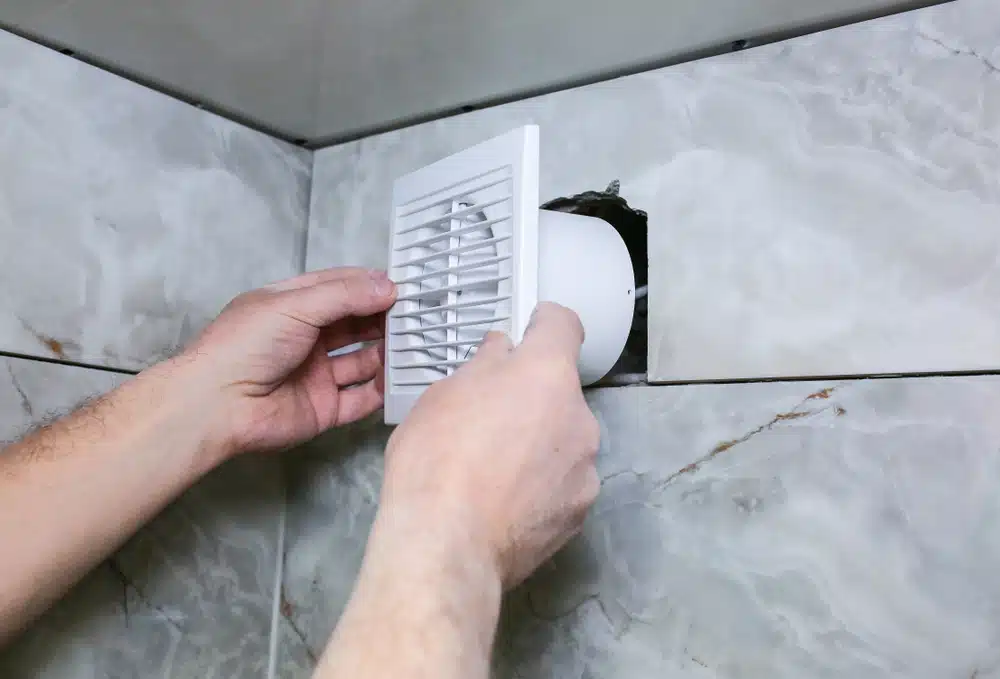
Credit: www.i-sells.co.uk
Benefits Of Natural Ventilation
Natural ventilation offers several benefits that go beyond just moving air around your bathroom. It creates a healthier space while saving you money and reducing hassle. You might be surprised how effective simple changes can be in making your bathroom fresher without relying on electrical fans.
Energy Savings
Using natural ventilation means you don’t need to power a fan constantly. This cuts down on your electricity bills, especially if your bathroom is used frequently. Imagine the small savings adding up month after month, simply because you opened a window or installed a vent.
Have you ever thought about how much energy your bathroom fan consumes? Even a low-wattage fan running for an hour daily can add up over time. Natural airflow eliminates this cost entirely.
Improved Air Quality
Natural ventilation brings fresh outdoor air inside, which helps reduce moisture and unpleasant odors. This lowers the risk of mold and mildew growth, which can cause health problems and damage surfaces.
When you rely solely on a fan, stale air may not fully leave the space, especially if the fan isn’t powerful or well-maintained. Opening a window or adding a vent creates a continuous exchange of air, making your bathroom feel cleaner and more inviting.
Low Maintenance
Fans need regular cleaning and occasional repairs to keep running smoothly. Natural ventilation systems like windows or passive vents have fewer moving parts, so they require less attention.
This means you spend less time worrying about broken fans or clogged exhausts. Plus, there’s no noise from a fan motor, making your bathroom a quieter place to start your day.
Using Windows Effectively
Using windows effectively can transform your bathroom ventilation without needing a mechanical fan. Windows not only bring in fresh air but also help remove moisture and odors naturally. Understanding how to use them right will make your bathroom fresher and prevent mold buildup.
Optimal Window Placement
Position your bathroom window where it can catch the most breeze. South-facing windows usually get sunlight and warmth, which helps dry out humidity faster. If your bathroom shares a wall with an exterior space, placing the window there allows direct airflow.
Think about privacy too—frosted glass or window films can keep your space bright without sacrificing discretion. Have you considered a higher window? It lets steam escape without exposing your bathroom to outside view.
Maximizing Cross Ventilation
Cross ventilation happens when air flows in through one window and exits through another opening. If your bathroom has only one window, try opening a door or a window in an adjacent room to create airflow.
Even a small vent or a gap under the door can help air move through the space. You might be surprised how a simple breeze path reduces humidity quickly. Could rearranging your windows or doors improve the airflow in your home?
Installing Window Vents
Adding window vents is a smart way to increase airflow without fully opening the window. These vents allow fresh air in while keeping rain and bugs out.
- Choose vents designed for bathrooms that resist moisture.
- Install them at the top or bottom of the window frame for better air exchange.
- Consider adjustable vents so you control how much air enters.
I once installed a small vent on my bathroom window and noticed a significant drop in condensation within days. This simple addition made a huge difference in comfort and maintenance. What small change could improve your bathroom’s air quality?
Door Ventilation Techniques
Door ventilation techniques help improve airflow in bathrooms without fans. Proper air movement reduces moisture and prevents mold growth. These simple methods use the bathroom door to allow fresh air in and moist air out. They are easy to apply and require little effort or cost.
Adding Door Grilles
Door grilles are panels with small openings. They let air pass through the door while keeping privacy. Installing grilles near the bottom or top of the door boosts air circulation. Choose materials like metal or plastic for durability. Grilles come in various designs to match bathroom decor.
Keeping Doors Ajar
Leaving the bathroom door slightly open allows air to flow freely. This simple trick lets fresh air enter and moist air escape. Use a doorstop or wedge to keep the door at a small gap. This method works best in homes with good overall ventilation. It avoids trapping humidity inside the bathroom.
Using Ventilated Door Sweeps
Ventilated door sweeps are seals with built-in vents at the bottom of doors. They block drafts but allow air to move under the door. Installing these sweeps improves airflow while reducing noise and dust entry. They fit most standard doors and are easy to install. These sweeps keep the bathroom fresh without needing a fan.
Natural Airflow Enhancers
Natural airflow enhancers can refresh your bathroom without a fan. These methods harness the power of nature to improve ventilation. They are cost-effective and require little maintenance. Let’s explore some practical ways to enhance bathroom airflow.
Ventilation Through Vents And Air Bricks
Vents and air bricks can greatly improve bathroom ventilation. Install them on exterior walls for the best results. They allow fresh air to flow in while letting stale air escape. Ensure they remain clean and free from obstructions. This setup is simple yet effective in enhancing natural airflow.
Utilizing Transom Windows
Transom windows are excellent for increasing bathroom ventilation. They are small windows placed above doors or high on walls. Opening them helps circulate fresh air throughout the space. Their elevated position ensures privacy while letting light and air in. They are a smart choice for bathrooms lacking fans.
Incorporating Passive Ventilation Systems
Passive ventilation systems work without electricity. They use natural forces like wind and temperature differences. These systems draw fresh air in and push stale air out. Roof vents and wall vents are common components. Install them strategically for optimal airflow. They provide an eco-friendly way to ventilate your bathroom.

Credit: www.pmmag.com
Moisture Absorbing Solutions
Dealing with bathroom moisture without a fan can feel challenging, but moisture absorbing solutions offer practical help. These options reduce humidity levels by drawing excess water vapor from the air. Using them wisely can prevent mold growth and keep your bathroom fresh.
Using Desiccants
Desiccants are materials that absorb moisture from the air. Silica gel packets, often found in product packaging, work well for small bathrooms. You can place several packets in open containers around your bathroom to soak up humidity.
For larger spaces, consider calcium chloride crystals in a breathable bag. They attract and hold moisture efficiently. Have you tried this before? It’s surprising how much water these tiny crystals can collect in just a few days.
Indoor Plants For Humidity Control
Some indoor plants naturally absorb moisture through their leaves. Plants like Boston ferns, peace lilies, and English ivy thrive in humid environments and help lower moisture levels. Plus, they add a touch of greenery, making your bathroom feel more inviting.
Keep in mind that plants need proper care to stay healthy and effective. Are you ready to turn your bathroom into a mini indoor garden that fights humidity?
Charcoal And Baking Soda
Charcoal and baking soda are inexpensive, easy-to-find moisture absorbers. Activated charcoal traps moisture and odors, making it a great choice for bathrooms without fans. Place charcoal briquettes or activated charcoal bags in a bowl or breathable pouch.
Baking soda absorbs moisture and neutralizes smells at the same time. Simply leave an open box or a bowl of baking soda on a shelf. Don’t forget to replace or refresh it every few weeks to maintain its effectiveness.
Design Tips For Better Ventilation
Good ventilation keeps bathrooms fresh and dry. It helps stop mold and mildew growth. You can improve airflow with smart design choices. These tips work well even without a fan.
Material Choices That Resist Moisture
Select materials that handle moisture well. Tiles and glass surfaces dry quickly. Use moisture-resistant paint on walls and ceilings. Avoid wood that can warp or rot. Vinyl or plastic panels also work great in damp areas.
Layout Adjustments For Airflow
Arrange fixtures to allow air to move freely. Place the door or window opposite the shower or tub. Keep space under the door for air to flow in and out. Avoid blocking vents or openings with furniture or towels. Use louvered doors or vents to boost circulation.
Sealing And Insulation
Seal cracks and gaps to stop damp air from entering walls. Insulate walls and ceilings to control temperature changes. Use vapor barriers behind wall panels to block moisture. Proper sealing protects structure and improves air quality. It also prevents water damage and mold buildup.
When To Consider Alternative Fans
Alternative fans become useful when traditional bathroom fans are noisy or hard to install. Choosing options like window vents or ductless fans helps improve air flow effectively. These solutions work well in spaces lacking proper wiring or ventilation ducts.
Ventilating a bathroom without a traditional fan can be a challenge, especially if you’re dealing with excess moisture and unpleasant odors. But, sometimes, traditional fans might not be the best fit for your space or needs. That’s when considering alternative fans becomes essential. You might be looking for more energy-efficient solutions, or perhaps you need a temporary fix while waiting for renovations. Whatever your reason, exploring alternative ventilation options can make your bathroom a fresher and more pleasant space to be in.Solar-powered Fans
Solar-powered fans are an eco-friendly option for ventilating your bathroom. They harness the power of the sun, which means reduced electricity bills and a smaller carbon footprint. Installation is usually straightforward, especially if you have access to your roof or attic. Once set up, they work silently in the background, keeping your bathroom fresh without adding to your energy costs.Window Fans
Window fans can be an effective solution if your bathroom has a window. They work by drawing out moist air and pulling in fresh air, creating a cross-ventilation effect. Look for models with reversible airflow options, so you can switch between intake and exhaust modes as needed. This flexibility ensures that your bathroom remains well-ventilated, regardless of the season.Portable Dehumidifiers
Portable dehumidifiers are a versatile choice for tackling excess moisture in bathrooms. They efficiently absorb dampness, preventing mold and mildew buildup. These devices are easy to move and can be placed anywhere in the bathroom. They also come in various sizes, making it easy to choose one that fits your space and moisture control needs. Have you ever considered how much moisture impacts your bathroom’s atmosphere? Addressing ventilation issues with these alternative fans can significantly improve the comfort and hygiene of your space. Why not give them a try and see the difference for yourself?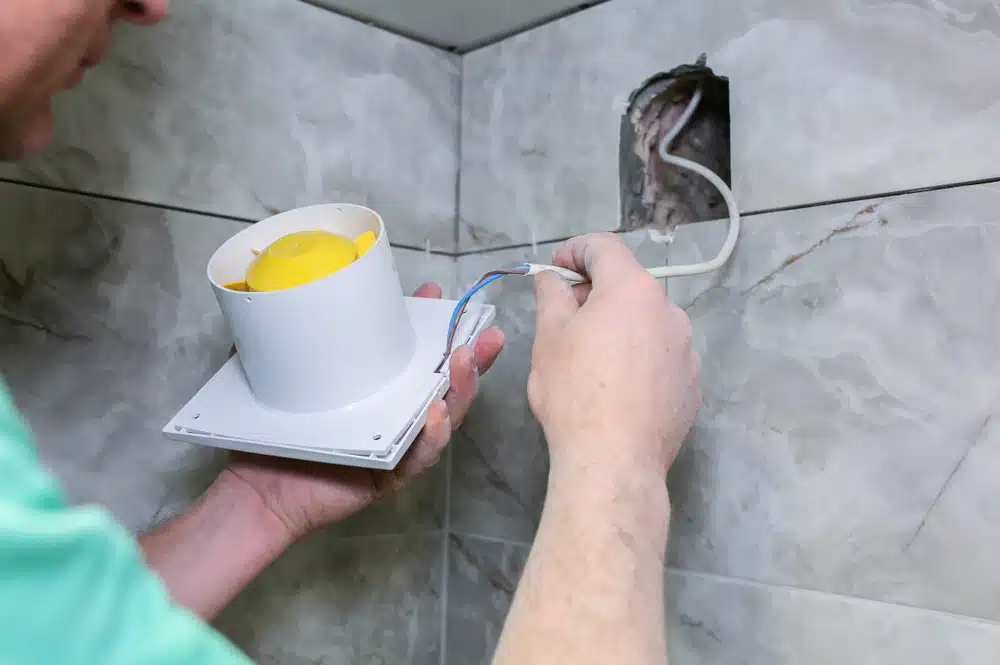
Credit: www.i-sells.co.uk
Frequently Asked Questions
How Can I Ventilate A Bathroom Without An Electric Fan?
Open windows and doors to create cross-ventilation. Use a dehumidifier or moisture absorber to reduce humidity. Adding vents or a skylight helps fresh air flow, preventing mold and mildew buildup.
What Natural Methods Remove Bathroom Moisture Effectively?
Natural ventilation through open windows is key. Houseplants like Boston fern absorb moisture. Using moisture-absorbing materials like charcoal or silica gel also helps maintain dryness.
Can Exhaust Vents Work Without A Fan?
Passive exhaust vents allow air to flow out naturally. They rely on pressure differences and temperature changes. These vents reduce humidity but may be less effective than powered fans.
Is Opening Windows Enough To Prevent Bathroom Mold?
Opening windows promotes air circulation, reducing moisture. However, in humid climates, additional methods like dehumidifiers or moisture absorbers are recommended to prevent mold growth.
Conclusion
Good bathroom ventilation keeps your space fresh and dry. Open windows or doors to let air flow naturally. Use exhaust vents or dehumidifiers to reduce moisture. Plants can help absorb humidity and improve air quality. Regular cleaning stops mold and mildew growth.
Simple steps make a big difference in comfort and health. Keep your bathroom well-ventilated without a fan for a fresher home.



