
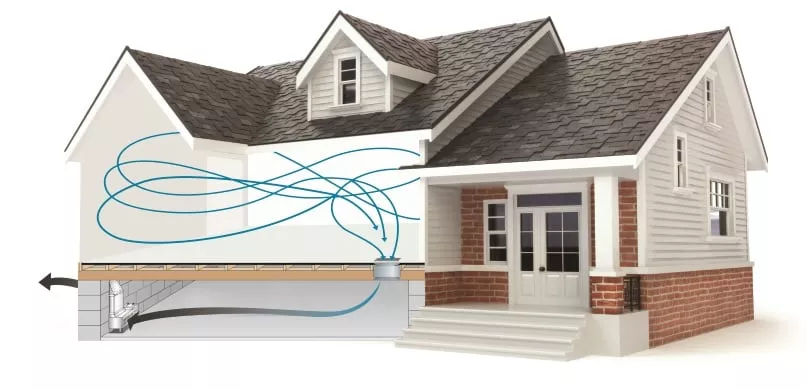
Is your crawl space feeling damp, musty, or even a bit unhealthy? Poor ventilation could be the hidden culprit behind that stubborn moisture and lingering odors.
Ventilating your crawl space properly isn’t just about comfort—it protects your home’s structure, improves air quality, and can even save you money on repairs. If you want to keep your home safe and fresh, you need to understand how to ventilate your crawl space the right way.
Keep reading, and you’ll discover simple, effective steps to breathe new life into your crawl space and protect your biggest investment.
Why Crawl Space Ventilation Matters
Proper crawl space ventilation is essential for a healthy home environment. It keeps air moving beneath the house. This airflow controls moisture levels and prevents many common problems. Ignoring crawl space ventilation can lead to costly repairs and health issues.
Preventing Moisture Build-up
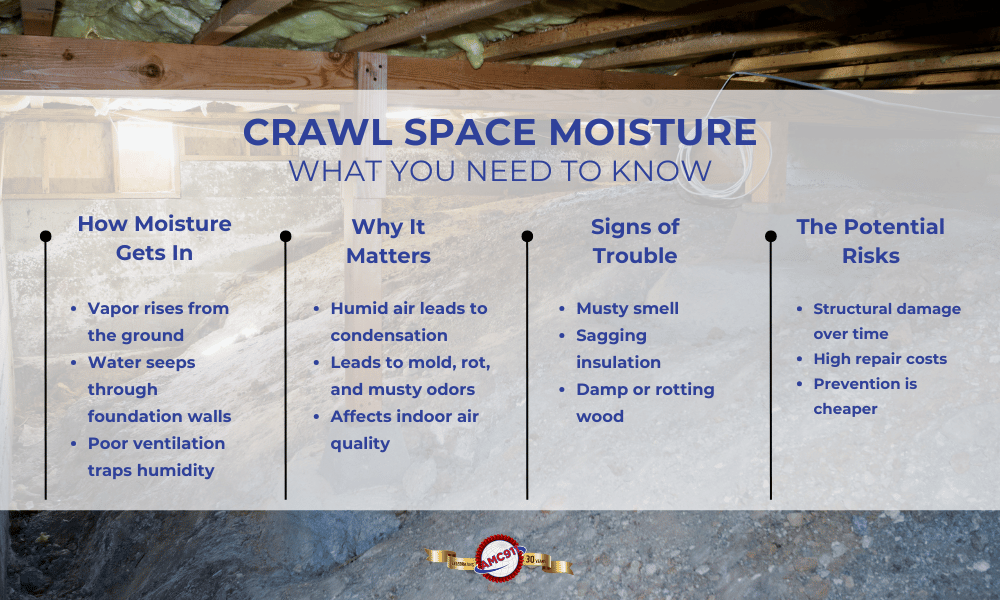
Ventilation helps remove excess moisture from the crawl space. Moisture builds up from ground evaporation and household activities. Without airflow, this moisture stays trapped and causes damage. Proper ventilation keeps the area dry and safe.
Reducing Mold And Mildew Risks
Mold and mildew grow quickly in damp, dark places. Crawl spaces without ventilation provide the perfect environment. Ventilation reduces humidity, stopping mold growth before it starts. This protects your home and your family’s health.
Improving Indoor Air Quality
Air from the crawl space can enter the living areas. Poor ventilation allows stale, damp air to rise inside the home. Proper airflow brings fresh air in and pushes bad air out. This improves the air you and your family breathe every day.
Protecting Structural Integrity
Moisture can damage wood beams and flooring supports. Over time, this weakens the home’s structure. Good ventilation prevents water damage and wood rot. It helps keep your home strong and safe for years.
Types Of Crawl Space Ventilation
Crawl space ventilation is key to keeping moisture and mold away. Different types of ventilation suit different homes and climates. Choosing the right one helps protect your home’s foundation and indoor air quality.
Passive Ventilation
Passive ventilation uses natural airflow to move air through the crawl space. It relies on vents placed around the foundation walls. These vents allow fresh air in and let moist air escape. This method needs no electricity or mechanical parts. However, it works best in dry, mild climates. In humid or cold areas, passive ventilation might not control moisture well.
Active Ventilation
Active ventilation uses fans to pull air in or push it out. It improves airflow compared to passive systems. Fans can be installed in existing vents or new openings. This method helps reduce humidity faster and prevents mold growth. Active ventilation requires electricity and some maintenance. It suits areas with high moisture or poor natural airflow.
Mechanical Ventilation Options
Mechanical ventilation includes advanced systems like dehumidifiers and air exchangers. These devices control humidity and air quality precisely. Dehumidifiers remove excess moisture from the crawl space air. Air exchangers bring fresh outdoor air while removing stale air. Mechanical options often combine with active ventilation fans. They provide the best control but cost more to install and run.
Assessing Your Crawl Space Needs
Proper ventilation starts with understanding your crawl space needs. Assessing the current condition helps decide the best ventilation method. This process involves checking moisture, measuring space size, and considering local climate. Each factor affects airflow and overall crawl space health.
Checking For Moisture And Mold
Look for wet spots on walls and floors. Mold appears as black, green, or white patches. Musty smells often indicate moisture problems. Use a moisture meter to get precise readings. High moisture levels can damage wood and cause air quality issues. Fix leaks and improve drainage before ventilating.
Measuring Crawl Space Size
Measure the length, width, and height of the crawl space. Note any obstructions like pipes or ducts. Size affects the number and placement of vents. Larger spaces need more airflow to prevent dampness. Record measurements to plan ventilation layout accurately.
Evaluating Local Climate Impact
Consider if your area is humid, dry, hot, or cold. Humid climates need more ventilation to reduce moisture. Cold areas may require limited venting to keep pipes from freezing. Dry climates might need less airflow. Climate guides the type and amount of ventilation needed.
Step-by-step Ventilation Installation
Proper ventilation in a crawl space prevents moisture buildup and mold growth. Installing ventilation requires careful planning and execution. This section breaks down the process into clear steps for effective air circulation.
Choosing Vent Locations
Select vents on opposite sides of the crawl space for cross ventilation. Place vents near the floor to allow cooler air to enter. High vents help hot air escape efficiently. Avoid blocking vents with debris or insulation. Make sure vents are evenly spaced along the walls.
Installing Vents And Fans
Cut openings in the crawl space walls to fit vent covers. Use corrosion-resistant materials for long-lasting vents. Secure vents tightly to prevent gaps. Consider installing exhaust fans in larger crawl spaces. Fans boost airflow and reduce humidity levels. Connect fans to a timer or humidistat for automatic control.
Sealing And Insulating
Seal cracks and gaps around vents with caulk or foam. This stops unwanted air leaks and pests. Insulate the crawl space walls to maintain temperature control. Use vapor barriers on the ground to block moisture from soil. Proper sealing and insulation protect your home’s structure.
Ensuring Proper Airflow
Check that air moves freely from intake to exhaust vents. Remove any obstacles like debris or stored items. Use a smoke pencil or incense stick to see airflow direction. Adjust vent positions or fan speed if airflow is weak. Maintain ventilation regularly for lasting results.
Maintaining Crawl Space Ventilation
Proper crawl space ventilation prevents moisture buildup and mold. Install vents on all sides to ensure airflow. Use fans or dehumidifiers to enhance ventilation, especially in damp areas. Regularly check vents for blockages to maintain effectiveness.
Maintaining Crawl Space Ventilation Ensuring proper ventilation in your crawl space is crucial for a healthy home environment. It prevents moisture buildup, mold growth, and structural damage. Regular maintenance keeps your crawl space in top shape, safeguarding your home and your peace of mind.Regular Inspections
Make it a habit to inspect your crawl space at least twice a year. Look for signs of moisture, such as damp spots or condensation on surfaces. Check for any obstructions in the vents that might block airflow. You might be surprised by what you find—leaves, debris, or even critters trying to make a home.Cleaning And Repairing Vents
Clean your vents regularly to maintain optimal airflow. Use a brush to remove dust and debris, ensuring nothing blocks the passage of air. If you notice any damage, such as broken grilles or rust, repair or replace the vents promptly. This simple task can prevent costly repairs down the line.Monitoring Humidity Levels
Use a hygrometer to keep tabs on humidity levels in the crawl space. Ideally, it should be between 30% and 50%. If the humidity is too high, consider using a dehumidifier to bring it down. This small investment can save you from bigger issues like mold and mildew. Are you keeping a close watch on your crawl space conditions? A little attention now can prevent major headaches later.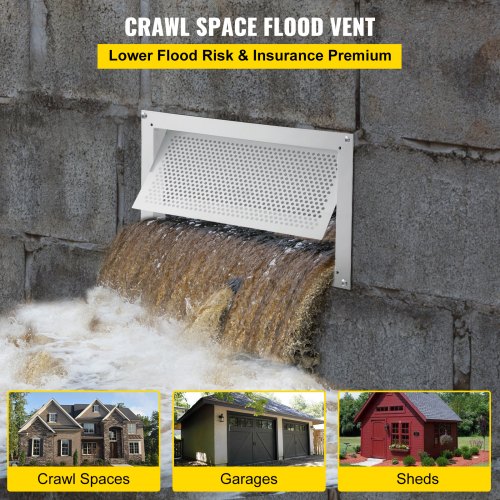
Credit: www.vevor.ca
Common Mistakes To Avoid
Ventilating a crawl space might seem straightforward, but many homeowners make avoidable mistakes that undermine the benefits of proper airflow. Recognizing these common errors can save you time, money, and frustration while protecting your home’s structure and indoor air quality. Are you ready to spot the pitfalls that could be harming your crawl space rather than helping it?
Over-ventilating
More ventilation is not always better. Excessive ventilation can introduce cold, moist air, especially in humid or rainy climates, which encourages mold growth and wood rot.
Think about a friend who installed too many vents and ended up with a damp, musty crawl space every winter. Instead, aim for balanced airflow that matches your local climate conditions.
Ask yourself: Is my crawl space ventilation allowing too much outside air in, causing more harm than good?
Ignoring Insulation Needs
Ventilation alone won’t keep your crawl space dry and comfortable if insulation is lacking. Without proper insulation, cold air seeps through, making your home less energy-efficient and increasing heating costs.
Many overlook insulating the crawl space walls or the floor above, leading to drafts and moisture condensation.
Make sure to insulate strategically—focus on sealing gaps and insulating where airflow meets your home’s interior to maintain a controlled environment.
Neglecting Pest Prevention
Vents can become entry points for pests like rodents, insects, and snakes if you don’t install proper screens or barriers.
I once helped a neighbor who ignored this and ended up with an infestation that required professional removal and extensive cleanup.
Prevent problems before they start by using durable, fine-mesh screens and regularly inspecting your crawl space for signs of unwanted guests.
Alternative Solutions For Crawl Space Fresh Air
Fresh air in a crawl space prevents moisture, mold, and bad odors. Traditional venting is not always enough or possible. Alternative solutions offer effective ways to keep the air clean and dry. These methods improve air quality and protect the home’s structure.
Crawl Space Encapsulation
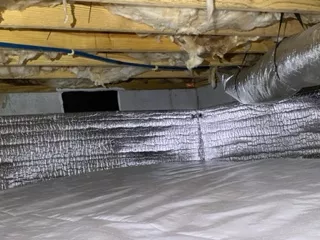
Encapsulation seals the crawl space with a heavy plastic liner on floors and walls. This blocks moisture from the ground and outside air. A sealed crawl space stops dampness and reduces mold growth. It keeps pests and dirt out too. Encapsulation often includes sealing vents to control airflow better. It creates a cleaner, more stable environment under the home.
Dehumidifiers And Air Purifiers
Dehumidifiers remove excess moisture from crawl space air. They keep humidity levels low to stop mold and mildew. Air purifiers filter dust, allergens, and pollutants from the air. These devices improve air quality inside the crawl space. Using them together helps maintain a healthy atmosphere. Regular maintenance ensures they work efficiently over time.
Using Vapor Barriers
Vapor barriers are sheets placed on the ground or walls to block moisture. They prevent damp soil from releasing water vapor into the crawl space air. This reduces humidity and the risk of mold. Vapor barriers are easy to install and affordable. Combining them with other methods improves overall crawl space ventilation. They form a basic but important defense against moisture problems.
Credit: amc911.com
Credit: basementandradonsolutions.com
Frequently Asked Questions
What Is The Best Way To Ventilate A Crawl Space?
The best way to ventilate a crawl space is by installing vents on opposite sides. This allows natural airflow, reducing moisture buildup and mold growth. Using a vapor barrier on the ground also helps keep the space dry and well-ventilated.
How Many Vents Should A Crawl Space Have?
A crawl space should have one square foot of vent space for every 150 square feet of crawl area. Proper vent quantity ensures adequate airflow, preventing moisture and mold. Always distribute vents evenly on opposite walls for balanced ventilation.
Can Crawl Space Ventilation Prevent Mold Growth?
Yes, proper crawl space ventilation helps prevent mold growth by reducing excess moisture. Good airflow keeps humidity low, making the environment less favorable for mold. Combining ventilation with a vapor barrier enhances moisture control effectively.
When Is Crawl Space Ventilation Necessary?
Crawl space ventilation is necessary if the area is damp, musty, or prone to mold. It’s also crucial in humid climates to prevent moisture-related damage. Proper ventilation promotes healthier indoor air and extends the home’s structural life.
Conclusion
Proper crawl space ventilation keeps your home dry and safe. It helps stop mold and wood damage early. Good airflow reduces moisture and improves air quality inside. Check vents regularly and clear any blockages. Seal gaps to prevent pests and water entry.
Simple steps protect your home’s foundation and your family’s health. Start ventilating today for a cleaner, healthier living space.



