
Are you feeling stuffy or noticing unpleasant odors in your room? Proper ventilation can quickly change that.
Knowing how to ventilate a room isn’t just about fresh air—it’s about creating a healthier, more comfortable space for you and everyone around you. You’ll discover simple, effective ways to improve air flow, reduce moisture, and keep your room feeling fresh all day long.
Keep reading, and you’ll learn easy steps that make a big difference in your home’s air quality.
Benefits Of Proper Ventilation
Proper ventilation brings many benefits to any room. It helps keep the air fresh and clean. Proper airflow removes stale air and brings in fresh oxygen. This simple step can improve your home environment greatly.
Improving Indoor Air Quality
Good ventilation removes pollutants, dust, and allergens from the air. It prevents the buildup of harmful gases like carbon dioxide. Fresh air reduces the risk of breathing problems. Clean air supports better focus and energy throughout the day.
Reducing Moisture And Mold
Ventilation controls moisture levels inside a room. It stops dampness that causes mold and mildew growth. Mold can damage walls and furniture. It also triggers allergies and respiratory problems. Removing moisture keeps your home safe and dry.
Enhancing Comfort And Health
Proper airflow keeps room temperature balanced and comfortable. It helps prevent stuffy, hot, or cold spaces. Good ventilation lowers the chance of headaches and fatigue. Breathing fresh air improves overall well-being. A well-ventilated room feels more pleasant to live in.
Credit: medium.com
Signs You Need Better Ventilation
Proper ventilation keeps indoor air fresh and healthy. Poor airflow causes discomfort and health problems. Recognizing signs of bad ventilation helps improve your living space. Watch for these key indicators.
Stale Or Musty Odors
Rooms with poor ventilation often smell stale or musty. These odors come from trapped moisture and stagnant air. Persistent bad smells signal a need for more fresh air. Ventilate regularly to remove these unpleasant odors.
Condensation On Windows
Water droplets on windows show excess moisture inside. This happens when warm, humid air meets cold surfaces. Condensation can lead to mold growth and damage walls. Better ventilation reduces moisture and prevents these problems.
Allergy And Respiratory Issues
Difficulty breathing or allergy symptoms may stem from poor air quality. Dust, mold, and allergens build up without fresh air. Symptoms include sneezing, coughing, and itchy eyes. Increasing ventilation helps clear harmful particles and improves health.
Natural Ventilation Techniques
Natural ventilation is one of the easiest and most energy-efficient ways to keep your room fresh and comfortable. It relies on simple techniques to move air around, reducing stuffiness and improving indoor air quality without the need for electric fans or air conditioning.
By adjusting how you open windows, doors, and use ceiling fans, you can create a steady flow of fresh air that feels cool and inviting. Have you ever noticed how a breeze through an open window can completely change the atmosphere of a room? That’s natural ventilation working its magic.
Cross Ventilation With Windows
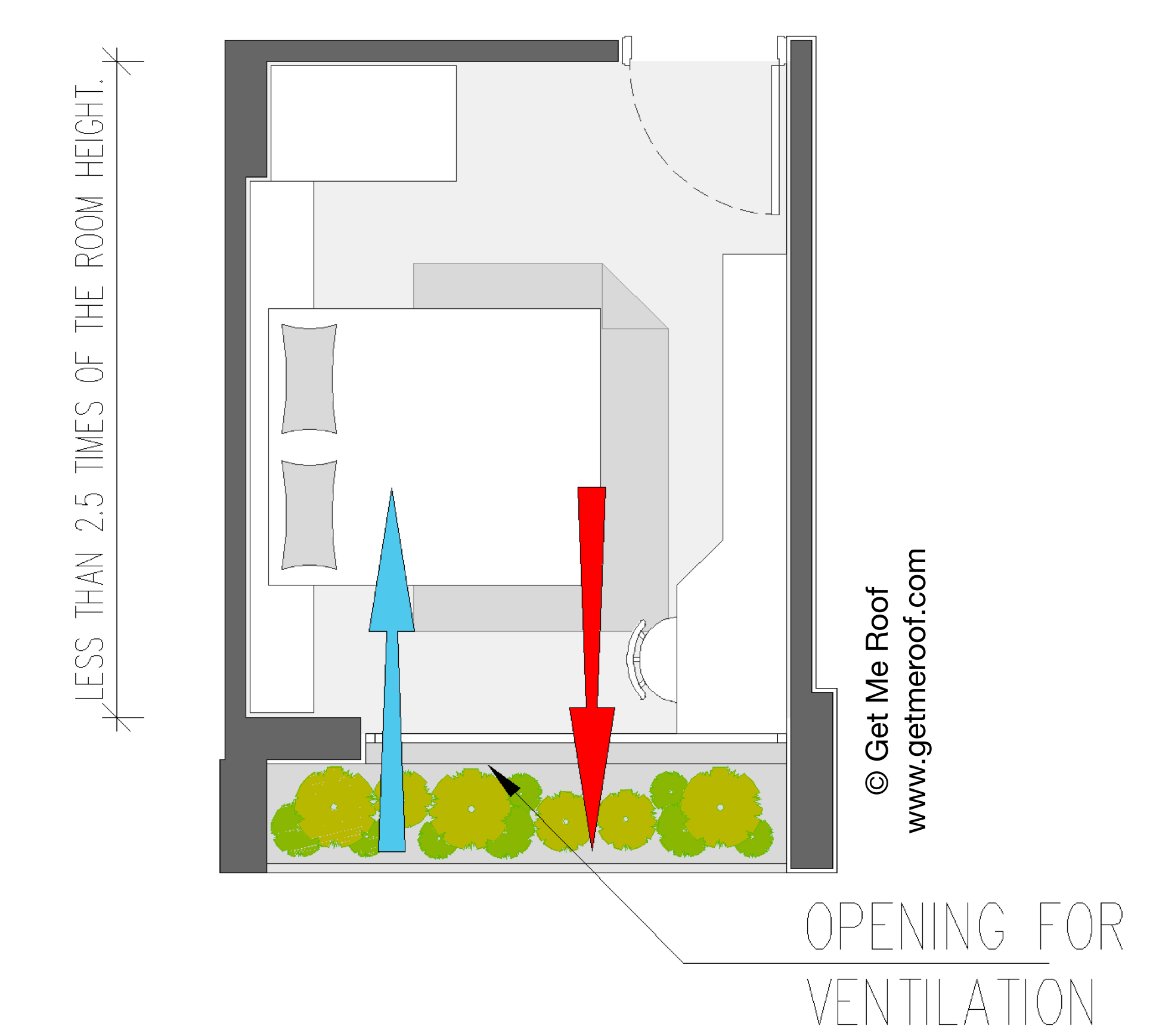
Cross ventilation happens when air enters through one window and exits through another, creating a natural airflow. To make this work, open windows on opposite or adjacent walls to let fresh air sweep through the room.
Positioning is key—windows that face prevailing winds will bring in cooler air, while the opposite side lets warm air escape. If you have a narrow room, opening windows at both ends can make a huge difference in air circulation.
Using Doors For Airflow
Doors can be just as effective as windows for moving air around your space. Keep interior doors open to allow air to flow freely between rooms, especially if you have windows open in different areas of your home.
Try slightly opening exterior doors during cooler parts of the day to invite fresh air inside. This approach can help reduce hot spots and improve overall comfort without any extra equipment.
Leveraging Ceiling Fans
Ceiling fans don’t actually cool the air but help circulate it, enhancing natural ventilation. Running your fan counterclockwise during warmer months pushes air down, creating a cooling breeze that complements open windows.
In rooms where natural airflow is limited, ceiling fans can help move stale air out and bring fresh air in more effectively. Have you adjusted your fan direction based on the season? It’s a simple change that can make your room feel much more comfortable.
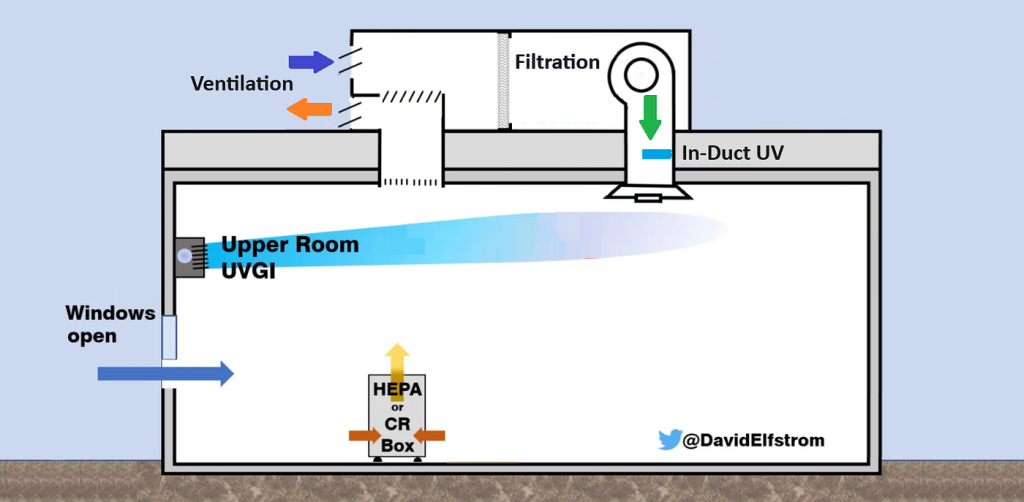
Mechanical Ventilation Options
Mechanical ventilation offers a reliable way to improve airflow in your home, especially in rooms where natural ventilation isn’t enough. These options actively move air in and out, helping to reduce moisture, odors, and indoor pollutants. Understanding the right mechanical solution can make a big difference in your room’s comfort and air quality.
Exhaust Fans For Kitchens And Bathrooms
Exhaust fans are essential in kitchens and bathrooms, where moisture and odors build up quickly. Installing a fan vents humid air outside, preventing mold and mildew from forming on walls and ceilings. Have you noticed how a well-placed exhaust fan can stop that lingering smell after cooking or showering? It’s a simple fix that keeps your space fresh.
Look for fans with a quiet operation and the right power rating for your room size. Some models come with humidity sensors that turn the fan on automatically, which means you don’t have to remember to switch it on or off.
Installing Air Vents
Adding air vents is a practical way to improve airflow without major renovations. You can install wall or ceiling vents to connect rooms to hallways or other areas with better ventilation. This creates a pathway for stale air to escape and fresh air to enter, balancing the air pressure in your home.
Consider where the air is most stagnant and place vents strategically to encourage cross-ventilation. Wouldn’t it be great to have a constant breeze that refreshes your room without you lifting a finger?
Using Portable Air Purifiers
Portable air purifiers don’t ventilate in the traditional sense but help clean the air inside your room by removing dust, allergens, and pollutants. They’re especially useful if outdoor air quality is poor or if you can’t install permanent ventilation systems. You can move them from room to room, making them versatile for different needs.
Look for purifiers with HEPA filters and consider the room size when choosing a model. Have you tried one during allergy season? The difference in air quality can be surprisingly noticeable.
Quick Tips For Immediate Fresh Air
Open windows wide to let in fresh air. Use fans to circulate the airflow effectively. Move furniture to clear air paths.
Ventilating a room quickly can make a world of difference. Fresh air helps improve mood and energy levels. It also removes stale air and odors. Here are some quick tips to freshen up your space immediately.Opening Multiple Windows
Letting air in through several windows boosts ventilation. Open windows on opposite sides of the room. This allows air to flow freely and pushes out stale air. If possible, open windows wide to increase airflow.Creating A Draft
Drafts help move air through your space. Open a door or another window to create a direct path for air. This helps in sucking in fresh air from outside. Ensure the path is clear for maximum effect.Temporary Use Of Fans
Fans can be a quick fix for stuffy rooms. Place a fan near a window to pull in fresh air. You can also point it towards another open window. This speeds up the ventilation process. Use ceiling fans to circulate air inside the room.
Credit: www.reddit.com
Seasonal Ventilation Advice
Seasonal changes affect how you should ventilate your room. Different weather needs different ventilation methods. Proper ventilation keeps the air fresh without wasting energy. It helps maintain comfort and protects your home from moisture problems. Here is advice for ventilating in various seasons.
Ventilating In Winter Without Heat Loss
Open windows briefly for fresh air. Try 5 to 10 minutes, several times a day. Use trickle vents if your windows have them. These allow air flow without big heat loss. Avoid leaving windows open for long periods. Keep interior doors open to spread warm air evenly. Use extractor fans in kitchens and bathrooms to remove moisture fast.
Summer Ventilation Strategies
Open windows and doors to create cross ventilation. This moves cool air through the room. Use ceiling or standing fans to boost airflow. Open windows at night to let in cooler air. Close curtains during the day to block heat. Consider using window screens to keep insects out while ventilating. Use exhaust fans in cooking areas to remove heat and smells.
Handling Humid And Dry Seasons
In humid seasons, ventilate when outdoor air is drier. Early morning or late evening is best. Use dehumidifiers if moisture builds up inside. Avoid drying clothes indoors to reduce humidity. In dry seasons, increase ventilation to bring in fresh air. Use humidifiers to add moisture if the air feels too dry. Keep plants indoors to naturally improve air quality and humidity levels.
Maintaining Ventilation Systems
Maintaining your ventilation systems is key to keeping your room fresh and healthy. Neglecting this can lead to poor air quality and even increased energy bills. Regular care ensures your system works efficiently and lasts longer, saving you time and money.
Cleaning And Replacing Filters
Filters trap dust, pollen, and other particles, but they get clogged over time. Dirty filters reduce airflow and strain your system. Check your filters every month and replace them at least every 3 months or as recommended by the manufacturer.
Using a vacuum to clean reusable filters can extend their life, but never ignore signs of wear. Have you noticed more dust settling in your room despite the ventilation? It might be time to change your filter.
Regular Inspection Of Vents
Vents can get blocked by furniture, debris, or even paint. Blocked vents restrict airflow, making the system work harder. Inspect your vents monthly to ensure nothing is obstructing the airflow.
Look inside vents for dust buildup or mold, especially in humid areas. Cleaning vent covers with a damp cloth helps maintain clear air paths. Have you checked if your vents are distributing air evenly across the room?
Keeping Fans Dust-free
Fans inside your ventilation system move air efficiently, but dust buildup can reduce their performance. Dust on fan blades causes imbalance and noise, and can even damage the motor.
Use a soft brush or compressed air to clean fan blades every few months. Always turn off the power before cleaning to stay safe. How often do you think about cleaning the fans that keep your air moving?

Credit: www.dreo.com
Frequently Asked Questions
What Is The Best Way To Ventilate A Room Naturally?
Opening windows and doors on opposite sides creates cross-ventilation. This allows fresh air to flow and stale air to exit. Adding fans can improve air movement. Natural ventilation reduces humidity and indoor pollutants effectively.
How Often Should You Ventilate A Room Daily?
Ventilate rooms at least 2-3 times daily for 10-15 minutes. Regular airing helps maintain air quality and reduce moisture buildup. More frequent ventilation is needed in humid or crowded spaces. Proper timing prevents energy loss while improving comfort.
Can Mechanical Ventilation Improve Indoor Air Quality?
Yes, mechanical ventilation systems like exhaust fans and air purifiers enhance air quality. They remove pollutants, control humidity, and provide constant fresh air. These systems are ideal in poorly ventilated or sealed rooms. Proper maintenance ensures their efficiency and longevity.
What Are Signs Of Poor Room Ventilation?
Signs include stale or musty odors, condensation on windows, and mold growth. You may also notice headaches or allergies. Poor ventilation traps pollutants and moisture, harming health. Addressing ventilation issues improves comfort and indoor air quality.
Conclusion
Proper ventilation keeps your room fresh and healthy. Open windows and use fans to move air. Regularly check vents for dust and blockages. Good airflow reduces moisture and prevents mold. Simple steps can improve comfort and air quality. Try different methods to find what works best.
Keep your space bright and breezy every day. Fresh air makes your home a nicer place.



