

If you want to enjoy your sauna safely and comfortably, knowing how to ventilate it properly is key. Good ventilation keeps the air fresh, controls humidity, and makes your sauna experience more relaxing.
Without it, your sauna can feel stuffy or even damage over time. You’ll discover simple, effective ways to ventilate your sauna so you can get the most out of every session. Keep reading to learn how to create the perfect airflow that keeps your sauna inviting and healthy.
Credit: hetkisaunas.com
Importance Of Sauna Ventilation
Proper ventilation is crucial for any sauna. It keeps the air clean and helps control humidity levels. Good airflow makes the sauna experience more enjoyable and safer. Without ventilation, heat and moisture build up. This can cause discomfort and damage the sauna structure.
Benefits Of Fresh Air
- Fresh air improves breathing inside the sauna.
- It helps regulate temperature evenly.
- Reduces excess moisture and prevents mold growth.
- Maintains oxygen levels for comfort and safety.
- Enhances relaxation by providing a pleasant atmosphere.
Risks Of Poor Ventilation
- Stale air causes discomfort and fatigue.
- High humidity damages wood and sauna materials.
- Increased risk of mold and mildew.
- Can lead to overheating and health issues.
- Unpleasant odors develop from trapped moisture.
Credit: hetkisaunas.com
Types Of Sauna Ventilation
Ventilating your sauna properly is essential for a safe and comfortable experience. Choosing the right type of ventilation affects air quality, temperature control, and how long your sauna lasts. Understanding the main types of sauna ventilation can help you create the perfect environment inside your sauna.
Natural Ventilation
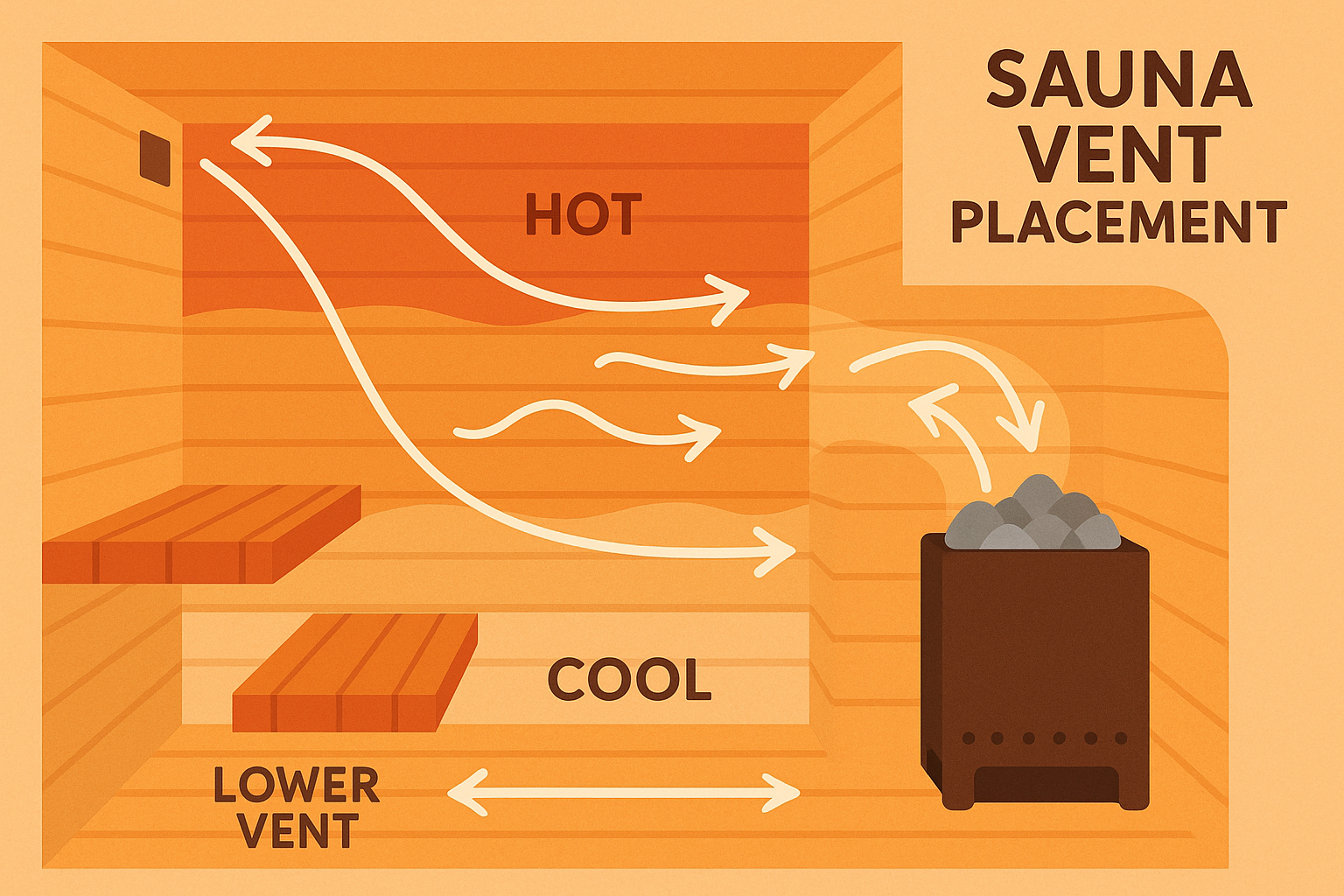
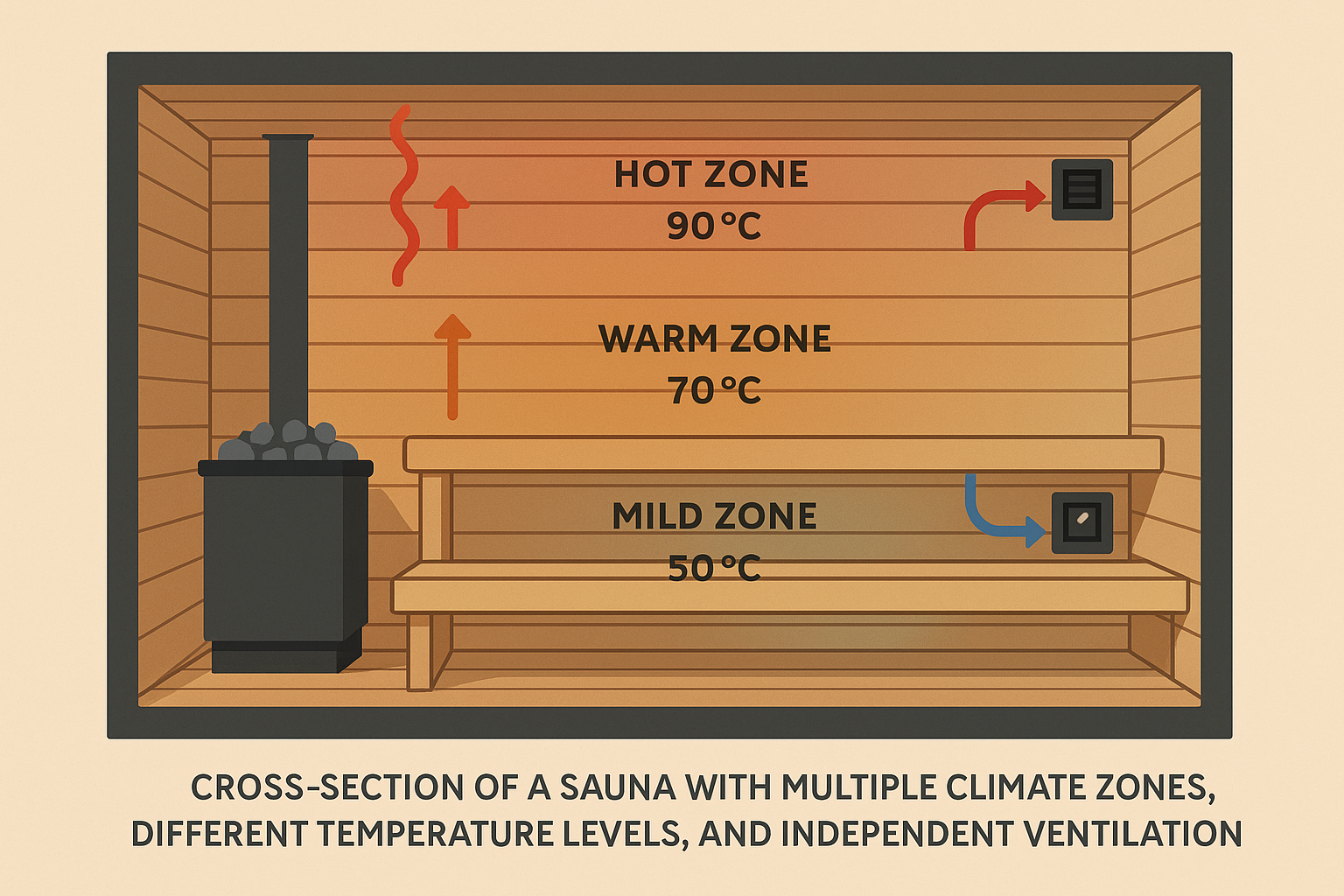
Natural ventilation uses the simple movement of air through openings like vents or gaps. It relies on cooler air entering from a lower vent while warm air exits through a higher vent. This creates a gentle flow that refreshes the air without mechanical help.
Many sauna builders place the intake vent near the heater and the exhaust vent on the opposite wall, near the ceiling. This setup encourages fresh air to circulate directly around the stones and then exit, carrying moisture and stale air with it.
Have you noticed how a small crack under a door can make a big difference? That’s natural ventilation in action. It’s quiet, energy-efficient, and keeps your sauna feeling fresh without any extra noise or equipment.
Mechanical Ventilation
Mechanical ventilation uses fans or blowers to move air in and out of the sauna. This gives you more control over airflow and can quickly improve air quality, especially in saunas with limited natural openings.
Installing a small exhaust fan near the ceiling helps pull out hot, humid air, while a fan near the floor pushes in fresh, cooler air. Some systems allow you to adjust fan speed depending on your needs.
Think about the last time you used a sauna with no ventilation. Did the air feel stuffy or hard to breathe? Mechanical ventilation can solve that by forcing stale air out and bringing fresh air in, so you can breathe easier and enjoy your sauna longer.
Placement Of Vents
Proper vent placement is key for sauna ventilation. It controls air flow and keeps the sauna fresh. Correct vent positioning helps remove moisture and heat efficiently. This makes the sauna safer and more comfortable.
Inlet Vent Locations
Place the inlet vent low on a wall near the heater. This allows fresh air to enter close to the heat source. Cool air flows upward as it warms, creating good circulation. Avoid placing the inlet vent too high. It should be easy to adjust for more or less air. A common spot is 4 to 6 inches above the floor.
Outlet Vent Locations
Position the outlet vent high on the opposite wall from the inlet. Hot, moist air naturally rises, exiting through this vent. This setup encourages continuous air movement inside the sauna. The outlet vent should be near the ceiling or just below it. Keep the outlet vent away from the heater to avoid heat loss. A size similar to the inlet vent ensures balanced airflow.
Sizing And Designing Vents
Proper vent sizing ensures fresh air flows smoothly through the sauna. Design vents near the heater and opposite wall to balance heat and airflow. This setup keeps the sauna comfortable and prevents moisture buildup.
Designing and sizing vents for your sauna can significantly impact its effectiveness and comfort. Proper ventilation ensures a steady flow of fresh air, helping maintain the ideal temperature and humidity levels. But how do you determine the right size and placement for these vents?Optimal Vent Size
Choosing the correct vent size is crucial for efficient air exchange. Generally, the vent should be about 4 to 6 inches in diameter. This size allows sufficient airflow without compromising the heat retention of your sauna. You might wonder if larger vents would improve air circulation. While they might, they can also lead to excessive heat loss, making it harder to maintain the sauna’s warmth. Sticking to the recommended size balances airflow and temperature retention perfectly.Balancing Airflow
Achieving a balance in airflow is essential for a consistent sauna experience. Position the intake vent lower on the wall, ideally near the heat source. This placement ensures fresh air is heated as it enters. The exhaust vent should be placed higher on the opposite wall. This setup allows hot air to rise naturally, facilitating continuous air exchange. Have you noticed how some saunas feel stuffy? Proper vent placement prevents this by ensuring a steady flow of fresh air. Installing adjustable vents can further enhance your control over airflow. Adjust them based on the number of users or personal preference to keep the atmosphere just right. Remember, the goal is to maintain a relaxing environment, not a wind tunnel!Materials And Installation Tips
Choosing the right materials and installing them properly ensures your sauna ventilates well. Good ventilation helps keep air fresh and controls temperature. It also prevents moisture buildup, which can damage the sauna over time. Focus on materials that resist heat and moisture. Follow installation tips that maintain safety and efficiency.
Choosing Vent Materials
Use wood that handles heat and moisture, like cedar or aspen. These woods stay strong and avoid warping. Avoid metals that get too hot or rust. Plastic vents can melt or release harmful fumes. Look for vents with adjustable openings to control airflow.
- Choose natural, heat-resistant wood for vent frames
- Select vent covers made from durable, moisture-resistant materials
- Use stainless steel or aluminum only for small vent components
- Avoid plastic parts inside the sauna room
- Pick vents that allow easy opening and closing
Installation Best Practices
Place the intake vent near the floor and the exhaust vent higher on the wall. This setup promotes air circulation. Make sure vents are not blocked by benches or heaters. Seal gaps around vents to avoid heat loss. Use screws and fasteners that resist rust. Test airflow after installation to confirm proper ventilation.
- Install intake vent low, near the door or floor
- Position exhaust vent high, close to the ceiling
- Keep vents clear from obstacles inside the sauna
- Seal edges with heat-resistant caulk or weatherstripping
- Check all fasteners for rust resistance
- Test airflow by feeling for fresh air movement

Credit: www.reddit.com
Maintaining Sauna Air Quality
Maintaining the air quality in your sauna is crucial for a comfortable and healthy experience. Poor ventilation can lead to stale air, excess moisture, and even mold growth. Keeping the air fresh not only improves your breathing but also extends the life of your sauna.
Regular Cleaning
Cleaning your sauna regularly helps prevent dust and dirt buildup that can affect air quality. Wipe down benches, walls, and floors with a mild detergent to remove sweat and oils. Pay special attention to corners and vents where debris tends to accumulate.
Don’t forget to clean the sauna rocks and heater area too. Removing dust and mineral deposits ensures proper heat circulation and keeps the air clear. How often you clean depends on how frequently you use the sauna—weekly cleaning works well for regular users.
Monitoring Airflow
Proper airflow keeps fresh air moving through your sauna and removes excess humidity. Check that your intake and exhaust vents aren’t blocked by objects or dirt. You want air to flow freely to avoid stuffy conditions.
Consider adding a small fan if your sauna feels stagnant, but avoid strong drafts that can cool the space too much. You might also experiment with adjusting vent sizes or positions to find the best balance. How does your sauna air feel after a session? If it’s heavy or moist, your airflow might need a tweak.
Frequently Asked Questions
How Important Is Sauna Ventilation For Safety?
Proper sauna ventilation prevents harmful gas buildup and controls humidity. It ensures fresh air circulation, reducing mold risk and enhancing user safety.
Where Should Sauna Vents Be Placed?
Place the intake vent near the sauna heater’s base. The exhaust vent should be positioned higher, preferably opposite the intake, to allow hot air to escape efficiently.
How Much Ventilation Does A Sauna Need?
A sauna needs about 4 to 6 air changes per hour. This keeps the air fresh and maintains optimal temperature and humidity levels.
Can Poor Ventilation Damage A Sauna?
Yes, poor ventilation causes moisture buildup, leading to wood rot and mold. It also reduces comfort and may cause overheating or insufficient oxygen.
Conclusion
Proper sauna ventilation keeps air fresh and safe to breathe. It controls humidity and temperature well. Good airflow stops mold and wood damage. Vent your sauna near the heater and opposite wall. Use vents that you can open or close.
Keep checking your ventilation system often. Enjoy your sauna with clean, fresh air every time. Simple steps make your sauna experience better and longer lasting.



