
Are you planning to use a shipping container for storage, a workspace, or even a tiny home? One key step you can’t afford to overlook is proper ventilation.
Without it, your container can become hot, stuffy, and even damaged by moisture. But don’t worry—ventilating a shipping container is easier than you might think. You’ll discover simple, effective ways to keep fresh air flowing and protect what matters most inside your container.
Keep reading, and you’ll learn how to make your space comfortable, safe, and long-lasting.
Importance Of Ventilation
Ventilation is a key factor in making your shipping container a safe and comfortable space. Without proper airflow, problems like moisture and stale air can quickly take over. Understanding why ventilation matters helps you make smarter decisions about how to keep your container in top shape.
Preventing Moisture Build-up
Moisture inside a shipping container can cause serious damage to both the structure and the items stored inside. When air doesn’t circulate well, condensation forms on the metal walls and ceiling. This damp environment can lead to rust and weaken the container over time.
Adding vents or small windows helps air move freely, reducing moisture levels. You might be surprised how a simple vent can stop water droplets from collecting. Have you noticed damp spots inside your container after a rainy day? That’s a clear sign ventilation needs improvement.
Maintaining Air Quality
Stale air inside a container can quickly become unpleasant and even unhealthy. Without fresh air, pollutants and odors build up, making it uncomfortable to spend time inside. Good ventilation ensures that fresh air replaces the old, keeping the space breathable.
If you’re using your container as a workshop or living space, think about how much time you spend inside. Proper airflow isn’t just about comfort; it’s about your well-being. Installing exhaust fans or cross-ventilation can make a noticeable difference.
Avoiding Mold And Mildew
Mold and mildew thrive in dark, damp environments—exactly what a poorly ventilated container becomes. These fungi not only damage your belongings but also pose health risks like allergies and respiratory problems. Preventing mold starts with keeping the air dry and moving.
Regular airflow reduces humidity and stops mold spores from settling and growing. Even if you don’t see mold now, it can develop quickly without ventilation. What measures are you taking to protect your container from this hidden threat?

Credit: a-american.com
Types Of Ventilation Options
Choosing the right ventilation for your shipping container is crucial to keep the air fresh and prevent moisture buildup. Different options offer various benefits depending on your container’s use, location, and budget. Let’s look at the main types of ventilation and what they bring to the table.
Passive Vents
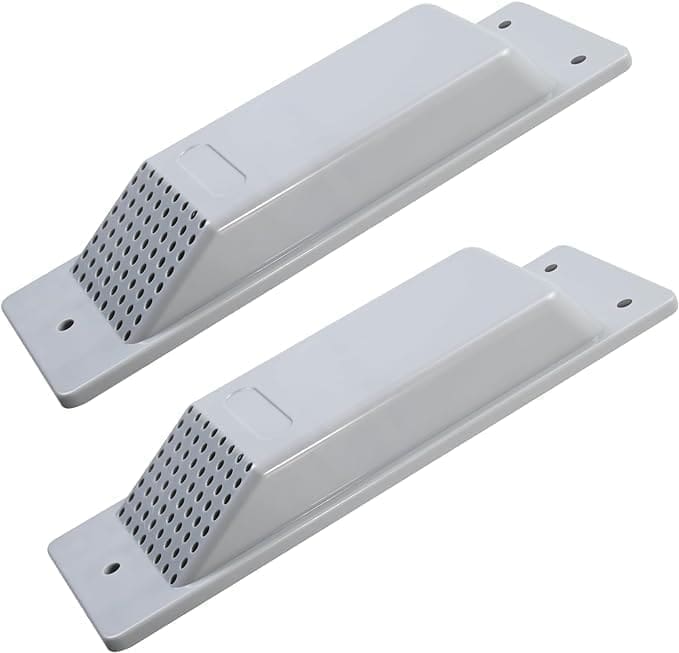
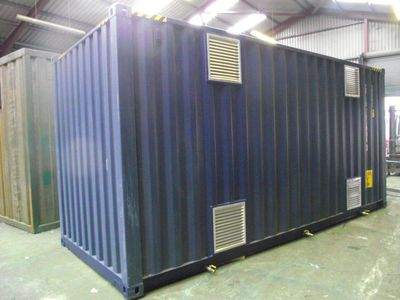
Passive vents rely on natural airflow without using electricity. They are simple, affordable, and require little maintenance. Placing vents on opposite sides of your container encourages air to flow through, helping reduce heat and humidity.
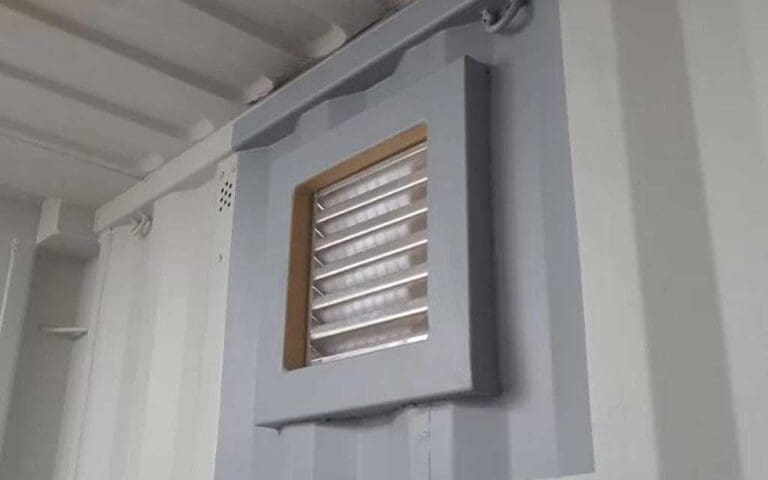
Think about adding mesh covers to keep pests out while still allowing air in. You can also install louvered vents that block rain but let air pass freely. Passive vents work well if your container is in a breezy area, but they might struggle in still or very hot climates.
Mechanical Fans
Mechanical fans actively move air in and out of your container, providing stronger ventilation than passive vents. These fans can be installed on walls or roofs and come in various sizes depending on your container’s volume.
One advantage is that you can control airflow with switches or timers, making it easy to adapt ventilation to changing conditions. However, mechanical fans need power, so think about your energy source and running costs. If your container holds sensitive items, fans help maintain a consistent environment.
Solar-powered Ventilation
Solar-powered ventilation combines the benefits of mechanical fans with renewable energy. Solar panels power the fans, so you don’t need to rely on external electricity. This makes them perfect for remote locations or off-grid setups.
Installing solar vents reduces your carbon footprint and cuts down on electricity bills. Keep in mind, performance depends on sunlight availability, so plan for shaded areas or cloudy days. Have you considered how much sunlight your container’s location gets daily?
Choosing The Right Ventilation Method
Choosing the right ventilation method is key to maintaining a healthy environment inside your shipping container. Proper airflow prevents moisture buildup, heat, and stale air. The best choice depends on how you plan to use the container, the local weather, and your budget.
Assessing Container Use
Think about the container’s purpose. Will it be a workshop, storage, or living space? Different uses need different ventilation types. For example, living spaces need fresh air and temperature control. Storage containers might need less airflow but good moisture control.
Considering Climate Factors
Climate affects ventilation choices greatly. Hot and humid areas require strong airflow and possibly cooling fans. Dry and cold climates need less ventilation but must avoid condensation. Check local weather patterns before deciding on a system.
Budget And Installation Constraints
Budget limits may affect your options. Some ventilation systems cost more to install and run. Simple vents cost less but offer limited airflow. Electric fans or solar-powered vents have higher upfront costs but improve air circulation. Also, consider how easy the system is to install in your container’s structure.
Credit: containersalesgroup.com
Step-by-step Installation Guide
Proper ventilation in a shipping container prevents heat buildup and moisture damage. Installing vents and fans allows fresh air to flow inside. This step-by-step guide helps you set up effective ventilation safely and easily.
Marking Vent Locations
Choose vent spots on opposite sides for good airflow. Avoid areas near sharp edges or structural beams. Mark the container walls clearly with a pencil or marker. Ensure vents sit above ground level to avoid dirt and water entry.
Cutting And Preparing Openings
Wear safety gear like gloves and goggles before cutting. Use a drill to create starter holes at marked points. Cut openings with a jigsaw or angle grinder carefully. Smooth rough edges with a file or sandpaper to prevent damage.
Installing Vents And Fans
Place vents or fans into the prepared openings. Use screws or bolts to fix them firmly in place. Seal edges with waterproof silicone to stop leaks. Test fans for proper operation and airflow direction before finishing.
Enhancing Ventilation Efficiency
Enhancing ventilation efficiency in a shipping container is crucial. Proper airflow prevents moisture buildup and temperature extremes. Well-ventilated containers protect stored goods and prolong container life. Let’s explore ways to improve ventilation efficiency.
Using Insulation
Insulation helps regulate temperature inside the container. It reduces heat transfer through walls and roof. This keeps the interior cooler in summer and warmer in winter. Use insulation materials like foam or fiberglass. These materials are effective and easy to install. They also help reduce condensation, which can cause damage.
Adding Air Circulation Fans
Fans enhance airflow inside the container. They help distribute air evenly and reduce hotspots. Install electric or solar-powered fans for continuous circulation. Position fans strategically for maximum efficiency. This ensures fresh air reaches all areas inside the container.
Regular Maintenance Tips
Regular maintenance is essential for optimal ventilation. Check vents and fans for blockages or damage. Clean filters and fans to ensure proper function. Inspect insulation for wear and tear. Replace damaged materials promptly. Regular checks keep the ventilation system efficient and reliable.
Common Ventilation Challenges
Ventilating a shipping container presents unique challenges that affect its efficiency and safety. These challenges often arise from the container’s metal structure and sealed design. Proper ventilation must balance airflow while protecting the interior from external threats.
Understanding common ventilation issues helps create better solutions. Problems like extreme weather, pests, and security risks often occur simultaneously. Each requires specific attention to maintain a safe and functional space inside the container.
Dealing With Extreme Weather
Shipping containers face harsh weather conditions, including heat, cold, and moisture. Metal walls absorb and trap heat, raising temperatures inside. Proper ventilation reduces heat buildup and improves air circulation.
Rain and snow can cause moisture problems. Vent openings must prevent water entry while allowing air to flow freely. Installing vents with covers or louvers helps keep water out but lets air in.
Preventing Pest Entry
Open vents can invite pests like insects and rodents inside the container. These pests can damage stored items and create hygiene problems.
- Use fine mesh screens over vents to block pests.
- Seal small gaps and cracks around vent areas.
- Regularly inspect vents and repair any damage.
Good ventilation design balances airflow with pest prevention to protect the container’s contents.
Addressing Security Concerns
Ventilation openings can become weak points for intruders. Large vents or poorly secured openings reduce container security. Theft and vandalism risks increase with easy access.
- Choose vents with strong metal covers or grilles.
- Install vents in less visible or hard-to-reach spots.
- Consider alarm systems or cameras near ventilation areas.
Maintaining security while allowing ventilation requires careful planning and durable materials.
Credit: usedconex.com
Frequently Asked Questions
How Do I Ventilate A Shipping Container Effectively?
To ventilate a shipping container, install vents or exhaust fans for airflow. Use louvered vents on opposite ends to create cross ventilation. This reduces heat and moisture build-up, protecting stored goods from damage and mold.
What Are The Best Vents For Shipping Containers?
Louvered vents and turbine vents are best for shipping containers. They allow air to circulate while keeping rain and pests out. Installing vents on opposite sides enhances airflow and prevents condensation inside the container.
Can Passive Ventilation Prevent Mold In Containers?
Yes, passive ventilation helps prevent mold by reducing moisture. Proper airflow minimizes condensation, keeping the container dry. Use vents positioned for natural airflow without needing electricity or fans.
Is It Necessary To Add Fans For Container Ventilation?
Fans improve ventilation but are not always necessary. Passive vents often provide sufficient airflow for many storage needs. Use fans if the container stores temperature-sensitive or moisture-prone items.
Conclusion
Proper ventilation keeps shipping containers dry and safe. It stops mold and bad smells from forming inside. Fresh air moves through vents, lowering heat and moisture. Simple steps like adding vents or fans work well. Regular checks help you spot problems early.
Good airflow extends the container’s life and protects your items. Ventilating a shipping container is easy with the right tools. Take action today to keep your container fresh and usable.



