

Wiring a chandelier with multiple lights might sound tricky, but you can do it yourself with the right guidance. Imagine transforming your room with a stunning chandelier that brightens every corner perfectly.
This guide will walk you through each step clearly and simply, so you avoid common mistakes and feel confident handling the wiring. By the end, you’ll know exactly how to connect your chandelier safely and efficiently—no electrician needed. Ready to bring a new glow to your space?
Let’s get started!
Tools And Materials Needed
Before you start wiring a chandelier with multiple lights, gathering the right tools and materials is crucial. Having everything ready keeps the process smooth and helps you avoid unnecessary trips to the hardware store. It also ensures your wiring is safe and professional-looking.
Essential Tools
- Wire Strippers:These help you remove the insulation without damaging the wires inside.
- Screwdrivers:Both flathead and Phillips screwdrivers are necessary for securing wires and mounting the chandelier.
- Voltage Tester:Use this to check if the power is off before you touch any wires—your safety depends on it.
- Needle-Nose Pliers:They’re perfect for bending wires and reaching tight spaces.
- Electrical Tape:To insulate wire connections and prevent shorts.
- Wire Nuts:These connectors secure wire ends together safely.
- Step Ladder:You’ll need a sturdy ladder to reach the ceiling comfortably and securely.
Required Materials
- Chandelier Kit:Make sure your chandelier comes with all the necessary parts, including light sockets and mounting hardware.
- Electrical Wire:Usually 14 or 12 gauge wire, depending on your home’s electrical code and the chandelier’s wattage.
- Wire Connectors:These are used to join wires within the ceiling box.
- Mounting Bracket:This supports the chandelier’s weight and attaches it to the ceiling box.
- Light Bulbs:Choose bulbs that fit the chandelier sockets and match your desired brightness.
Have you checked if your home’s electrical box can support the weight of a multi-light chandelier? This small detail can save you a lot of trouble later. Preparing your tools and materials carefully sets the stage for a safe and successful wiring project.

Credit: www.reddit.com
Safety Precautions
Turn off the power at the circuit breaker before starting any wiring work. Use a voltage tester to confirm no electricity flows through the wires. Wear insulated gloves to protect against shocks and handle wires carefully.
Wiring a chandelier with multiple lights can transform your space into an elegant masterpiece. However, before you dive into this rewarding project, it’s crucial to prioritize safety. Taking the right precautions not only protects you but also ensures the longevity of your chandelier and the electrical system in your home. Let’s delve into some important safety steps you should take before getting started.Turning Off Power
Always begin by turning off the power to the area where you’ll be working. Head to your circuit breaker box and switch off the circuit that supplies electricity to the room. Double-check with a voltage tester to confirm there’s no power flowing. This simple step can prevent electrical shocks and is a non-negotiable part of the process.Using Proper Safety Gear
Wearing the right safety gear is essential. Equip yourself with insulated gloves and safety goggles to shield against unexpected sparks or debris. Sturdy ladders are a must—ensure they are stable and secure before climbing. Remember, your well-being is the top priority, so never skimp on safety gear. Have you ever had a moment where you wished you had taken that extra precaution? Think of safety measures as your best friend in DIY projects. They’re always there to support you, ensuring you finish your project without a hitch.Preparing The Wiring
Preparing the wiring is a crucial step before you connect your chandelier with multiple lights. Taking the time to get your wires ready can save you from headaches and safety issues later on. It sets a strong foundation for a smooth installation and ensures your chandelier functions properly.
Identifying Wires
Start by carefully examining each wire coming from your ceiling and the chandelier. Usually, you’ll see three types: the hot wire (often black or red), the neutral wire (white), and the ground wire (green or bare copper). If you’re unsure about any wire, use a voltage tester to confirm which one carries current.
Don’t overlook the importance of matching wires correctly—mixing them up can cause your chandelier to malfunction or even create a fire hazard. Labeling wires with tape can help keep things organized, especially when multiple lights are involved.
Stripping Wire Ends
Once you’ve identified the wires, you’ll need to strip the ends to expose the metal for connections. Use a wire stripper tool for a clean job—strip about ¾ inch of insulation off each wire end. Avoid nicking the wire itself, as this weakens it and can lead to breaks.
Stripping wires might sound simple, but it requires precision. If you strip too little, the wire won’t connect properly; too much, and you risk exposed wires touching each other. Take your time and double-check your work before moving to the next step.
Connecting The Chandelier Wires
Connecting the chandelier wires is a crucial step for a safe and functional lighting fixture. This process involves matching wires from the chandelier to the house wiring correctly. Proper connections ensure that each light in the chandelier works as intended without electrical hazards.
The wires are usually color-coded. The black or red wires carry the power, while white wires are neutral. A green or bare copper wire is the ground. Matching these wires properly is key to proper chandelier operation.
Wiring Multiple Lights
Chandeliers with multiple lights often have several wires bundled together. These wires need to be connected to the main power source in parallel. This means each light receives the same voltage.
To wire multiple lights:
- Identify the hot wires from each light and twist them together with the main hot wire.
- Twist the neutral wires together, connecting them to the main neutral wire.
- Connect all ground wires to the main ground wire.
This setup allows all lights to turn on and off simultaneously. It also distributes power evenly to every bulb.
Securing Wire Connections
Secure wire connections prevent sparks and electrical shorts. Use wire nuts to cover twisted wire ends. Twist the wires tightly before placing the wire nut on.
Check each wire nut for a firm fit. Tug gently on the wires to confirm they don’t slip out. Wrap electrical tape around the wire nuts for extra security.
Finally, push the wires neatly into the junction box. Avoid pinching or damaging any wires during installation. A clean connection area reduces the risk of problems later.
Mounting The Chandelier
Mounting a chandelier with multiple lights can feel like a puzzle at first, but getting this part right is key to both safety and style. A secure mount ensures your fixture stays steady, while the right hanging technique lets your chandelier shine as the room’s centerpiece. Let’s break down the mounting process into manageable steps to help you hang your chandelier with confidence.
Attaching The Mounting Bracket
The mounting bracket is your chandelier’s foundation. Start by turning off the power at the circuit breaker to keep everything safe.
Locate the electrical box in the ceiling and align the mounting bracket with it. The bracket usually has pre-drilled holes—use these to screw it firmly into the box.
Make sure the bracket feels solid. If it wiggles or feels loose, your chandelier won’t hold properly. Have you checked that the box is rated to support the chandelier’s weight? This is a crucial safety step many overlook.
Hanging The Fixture
With the bracket secure, it’s time to hang your chandelier. If your fixture is heavy, ask someone to help—this isn’t a solo job for most people.
Hook or thread the chandelier’s chain or rod onto the mounting bracket. Adjust the length so the chandelier hangs at the right height for your room.
Before connecting wires, let the chandelier hang freely and check its balance. A crooked fixture can spoil the look and may strain wiring over time.
Once balanced, connect the wires following your fixture’s instructions. Twist wire nuts securely, and tuck the wires neatly into the electrical box.
Does your chandelier feel steady and look right? If yes, you’re ready to restore power and enjoy your handiwork.

Credit: cometlighting.co.uk
Testing The Installation
Testing the installation ensures your chandelier works safely and correctly. This step confirms all electrical connections are secure and functional. It also helps you spot any wiring mistakes before finalizing the setup.
Restoring Power
Turn the circuit breaker back on to restore electricity. Use a voltage tester to confirm power is live at the chandelier’s switch. Avoid touching wires directly during this process. Keep the area clear to prevent accidents.
Checking Light Functionality
Switch on the chandelier and observe each bulb. Ensure all lights illuminate evenly without flickering. If a bulb doesn’t light, check its connection and socket. Replace any faulty bulbs with correct wattage types. Listen for unusual sounds or smells indicating wiring issues.
Troubleshooting Common Issues
Troubleshooting common issues in wiring a chandelier with multiple lights is essential. Small problems can cause flickering or lights that do not work properly. Identifying and fixing these issues ensures safety and proper lighting.
Some problems happen often but are easy to fix. Checking connections and bulb conditions helps a lot. Let’s explore how to solve the most frequent problems.
Fixing Flickering Lights
Flickering lights can distract and annoy. It may come from loose bulbs or wiring issues. First, check if bulbs are screwed in tight. Loose bulbs often cause flickering.
Use bulbs with the correct wattage. Too high or low wattage may lead to flickering. Inspect the wiring connections in the chandelier. Loose or damaged wires can create unstable power flow.
Try replacing bulbs with new ones. If flickering stops, old bulbs were the problem. If not, check the light switch and dimmer. Faulty switches may cause flickering as well.
Dealing With Loose Connections
Loose connections are a common cause of lighting problems. They can create sparks and heat, risking fire. Always turn off the power before inspecting.
Look at wire nuts and connectors. Tighten any that feel loose. Re-secure wires inside the canopy of the chandelier. Make sure no wires are frayed or damaged.
Use electrical tape to cover exposed wires. Ensure all wires are securely connected to the terminal screws. A multimeter can help test the continuity of connections.
Properly tightened connections ensure steady power and safe operation. Regular checks help avoid future issues.
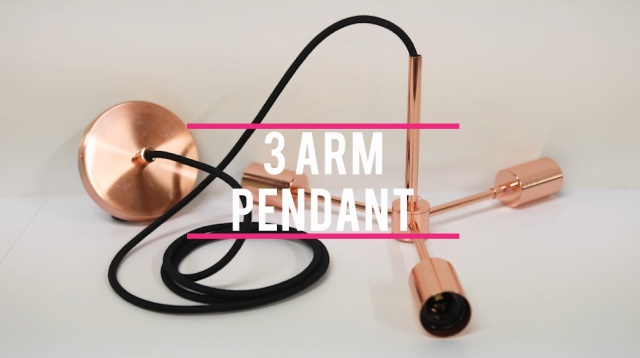
Credit: www.colorcord.com
Frequently Asked Questions
How Do I Safely Wire A Chandelier With Multiple Lights?
Turn off the power at the circuit breaker first. Use a voltage tester to confirm no current flows. Connect matching wires: black to black, white to white, and ground wires together. Secure connections with wire nuts and wrap with electrical tape for safety.
What Tools Are Needed To Wire A Multi-light Chandelier?
You need a voltage tester, wire strippers, screwdrivers, wire nuts, electrical tape, and a ladder. These tools help you safely and efficiently connect wires and mount the chandelier. Having the right tools ensures a secure and professional installation.
Can I Wire Multiple Lights On One Chandelier Switch?
Yes, you can wire all chandelier lights to one switch. Connect all black (hot) wires together to the switch wire. This allows simultaneous control of all lights. Ensure the total wattage does not exceed the circuit’s limit for safety.
How Do I Identify Wires In A Chandelier Installation?
Typically, black or red wires are hot, white is neutral, and green or bare is ground. Always verify with a voltage tester before connecting. Proper identification prevents wiring mistakes and ensures your chandelier works safely.
Conclusion
Wiring a chandelier with many lights can seem hard at first. Take your time and follow each step carefully. Safety is very important—always turn off the power before starting. Use the right tools and check connections twice. Soon, your room will have a bright, beautiful chandelier.
Enjoy the warm light and new look. With patience, anyone can do this job well. Keep practicing, and wiring will feel easier next time.



