
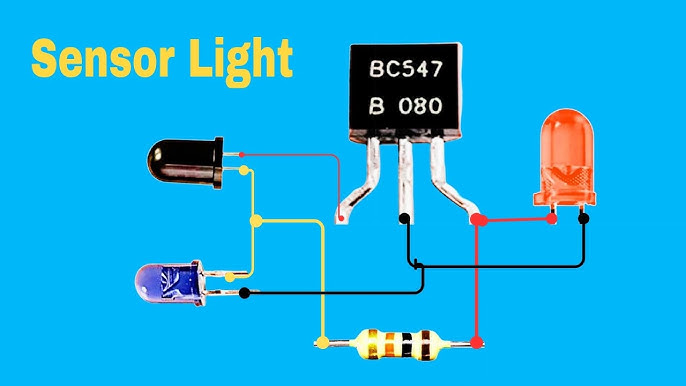
Are you looking to boost your home’s security and save energy at the same time? Wiring a motion sensor light is a smart way to do both.
Imagine never having to fumble for a switch in the dark or worry about leaving your porch light on all night. You might think it’s complicated, but with the right steps, you can install one yourself quickly and safely. In this guide, you’ll learn exactly how to wire a motion sensor light, step by step, so you can enjoy the benefits right away.
Ready to take control of your lighting? Let’s get started!

Credit: www.hardwareresources.com
Choosing The Right Motion Sensor Light
Choosing the right motion sensor light is key for safety and energy saving. The right choice depends on the area you want to cover and how you want the light to work. Understanding different types and features helps pick the best option. This guide explains the main points to consider.
Types Of Motion Sensors
Motion sensors detect movement using various technologies. The common types include:
- Passive Infrared (PIR):Detects body heat and movement. Good for outdoor use.
- Ultrasonic:Sends sound waves and senses changes. Works well indoors.
- Microwave:Sends microwave pulses and measures reflection. Covers large areas.
- Dual-technology:Combines two sensors for fewer false alarms.
Choose a type that fits the environment and purpose.
Power Sources And Compatibility
Motion sensor lights come with different power options. Some use batteries, others connect to the electrical system. Consider these factors:
- Battery-powered:Easy to install but need regular battery changes.
- Hardwired:Connects to house wiring. More reliable but needs installation skills.
- Solar-powered:Uses sunlight to charge. Eco-friendly and cost-effective.
Check compatibility with your home’s wiring and power availability before buying.
Key Features To Consider
Look for features that improve convenience and performance:
- Adjustable sensitivity:Control how much movement triggers the light.
- Light duration:Set how long the light stays on after activation.
- Detection range:Covers the needed area without blind spots.
- Weather resistance:Important for outdoor lights to handle rain and dust.
- Light type:LED lights are energy-efficient and long-lasting.
Choose features that match your specific needs for best results.
Gathering Necessary Tools And Materials
Before you begin wiring a motion sensor light, gathering the right tools and materials is crucial. Having everything on hand saves time and helps avoid frustrating interruptions. It also ensures the job goes smoothly and safely.
Essential Tools Checklist
Start with basic electrical tools that make wiring easier and more precise.
- Voltage Tester:Verify the power is off before working on wires.
- Wire Strippers:Remove insulation without damaging the wire.
- Screwdrivers:Both flathead and Phillips for securing fixtures and terminals.
- Electrical Tape:Insulate exposed wires after connections.
- Wire Nuts:Securely join wires together.
- Drill (optional):For mounting the sensor or light fixture on walls.
- Measuring Tape:Ensure correct placement and alignment.
Gathering these tools upfront prevents last-minute trips to the hardware store and keeps your workflow steady.
Safety Gear And Precautions
Safety should never be an afterthought. Protecting yourself with the right gear reduces the risk of injury.
- Insulated Gloves:Provide protection against electric shock.
- Safety Glasses:Shield your eyes from dust and debris while drilling.
- Non-slip Shoes:Keep you stable, especially if working on ladders or uneven surfaces.
Have you ever underestimated the importance of safety gear only to regret it later? Don’t let it happen to you.
Also, always turn off the power at the circuit breaker before touching any wiring. Double-check with a voltage tester to confirm it’s safe to proceed.
Preparing For Installation
Before diving into the actual wiring of a motion sensor light, it’s crucial to prepare adequately for the installation. A well-prepared setup can save you time and potential headaches. Here’s how you can start on the right foot.
Selecting The Best Location
Choosing the optimal location for your motion sensor light is key. Consider areas where you want to enhance security or improve visibility. Common spots include entryways, driveways, or dark corners of your yard.
Think about the sensor’s range and angle. Avoid placing it near heat sources or moving branches that might trigger false alarms. Take a moment to walk around your property during different times of the day to identify shadows and lighting conditions.
Turning Off Power Safely
Safety should always be your top priority. Before you begin any electrical work, ensure the power is off. Head to your circuit breaker and switch off the power to the area where you’ll be working.
Use a voltage tester to double-check. It’s a small step that can prevent big accidents. Remember, a safe installation is a successful installation.
Testing Existing Wiring
Before installing your new motion sensor light, assess the current wiring. This will help you understand if any repairs or replacements are needed. Look for signs of wear or damage in the wires.
If you find any issues, address them before proceeding. This ensures a smooth and efficient installation process. If you’re unsure about the wiring, don’t hesitate to consult a professional. Your safety and the light’s performance depend on it.
Wiring The Motion Sensor Light
Wiring a motion sensor light might seem tricky at first, but breaking it down makes the process manageable. You’ll connect power wires, link the sensor to the light, and ensure all connections are secure before mounting. Paying attention to each step helps your motion sensor light work reliably and safely.
Connecting The Power Wires
Start by turning off the power at the circuit breaker to avoid any shock. Identify the wires coming from your power source—typically a black (hot), white (neutral), and green or bare copper (ground) wire.
Connect the black power wire to the black wire on the motion sensor. Then, attach the white neutral wires together. Finally, link the ground wires to the sensor’s green or bare wire. Using wire nuts, twist the wires securely and wrap with electrical tape for extra safety.
Wiring The Sensor To The Light
Your motion sensor will have wires intended to connect to the light fixture. Usually, the sensor’s black wire goes to the power source, the red or another colored wire connects to the light, and the white wire joins the neutral line.
Match each sensor wire to the corresponding light wire carefully. If the light has a green or bare copper wire, connect it to the sensor’s ground wire. Double-check all color codes before proceeding to avoid wiring mistakes.
Securing Connections And Mounting
Once all wires are connected, gently tuck them into the electrical box. Use wire nuts and electrical tape to secure every connection—loose wires are a common cause of malfunction.
Mount the motion sensor light onto its bracket or the designated fixture. Tighten screws firmly but don’t overtighten, which might damage the housing. Test the sensor by turning the power back on and walking through its detection area to ensure it activates the light as expected.
Adjusting Sensor Settings
Adjusting the sensor settings on your motion sensor light is crucial for making sure it works exactly how you want. Without fine-tuning, the light might turn on too often or not at all when you need it. Taking control of sensitivity, light duration, and sensor range lets you customize the device to fit your space perfectly.
Setting Sensitivity Levels
Sensitivity controls how easily your motion sensor detects movement. If you set it too high, even small animals or passing cars might trigger the light. Too low, and it could miss people walking by.
Try adjusting the sensitivity by turning the dial or using the digital controls, if available. Test it by walking through the detection zone to see if the light responds appropriately. Remember, the goal is to catch genuine motion without constant false alarms.
Adjusting Light Duration
The light duration setting decides how long the light stays on after motion is detected. You can usually set this from a few seconds to several minutes.
Think about your typical needs. Do you want the light to stay on long enough to safely enter your home, or just to startle intruders quickly? Adjust the timer accordingly, and test it by moving in and out of the sensor range.
Testing The Sensor Range
Sensor range determines how far away movement can be detected. This distance varies between models but often can be adjusted to avoid unwanted triggers from the street or neighbors.
Walk around the perimeter of your sensor’s range to check where it activates. Adjust the angle or position of the sensor if needed to cover your desired area. Have you ever had your light turn on at odd times? Fine-tuning the range can fix that problem.

Credit: circuitdigest.com
Troubleshooting Common Issues
Troubleshooting motion sensor lights is simple with the right approach. Small problems can stop the light from working properly. Understanding common issues helps fix them fast. This saves time and keeps your space well-lit and safe.
Sensor Not Activating
Check the power supply first. Make sure the circuit breaker is on and the light fixture is connected correctly. Dirt or debris on the sensor lens can block detection. Clean the lens gently with a soft cloth. Adjust the sensor’s angle so it covers the desired area. Sometimes the sensor needs more time to warm up after installation. Test it by moving within its range slowly.
Light Flickering Or Not Turning On
Loose wiring can cause flickering. Turn off power before inspecting connections. Tighten all wire nuts and screws firmly. Confirm the bulb type matches the sensor’s requirements. Using the wrong bulb can cause flickering or failure. Check for voltage issues or power surges. Replace the bulb if it is old or damaged. Sometimes replacing the sensor unit fixes the problem.
False Alarms And How To Prevent Them
False alarms waste energy and cause annoyance. Avoid placing the sensor near heat sources like vents or air conditioners. Moving branches, animals, or passing cars can trigger the sensor. Adjust the sensitivity settings to reduce false triggers. Change the detection zone to exclude busy areas. Installing the sensor higher can help ignore small animals. Use sensor covers or shields to block unwanted movements.
Maintaining Your Motion Sensor Light
Maintaining your motion sensor light helps it work well for a long time. Regular care keeps the sensor sensitive and the light bright. It also ensures safety around your home or property. Simple steps prevent common problems and save money on repairs. Follow easy tips to keep your light in top shape.
Cleaning And Upkeep Tips
Clean the sensor lens gently with a soft cloth. Dirt or spider webs can block the sensor’s view. Wipe the light cover to remove dust and grime. Avoid using harsh chemicals that can damage parts. Check for insect nests or debris around the light fixture. Clear any obstructions that might stop the sensor from working.
Replacing Bulbs And Parts
Choose the right bulb type for your motion sensor light. Use LED bulbs for energy efficiency and long life. Turn off the power before changing bulbs or parts. Handle bulbs carefully to avoid breakage or injury. Replace worn or broken parts like sensors or wiring. Keep spare bulbs and parts handy for quick fixes.
Regular Safety Checks
Inspect wiring connections for wear or loose ends. Ensure the fixture is securely mounted to avoid falls. Test the sensor by walking in front of it to check response. Confirm the light turns off after the set time. Look for signs of water damage or rust on the fixture. Fix problems promptly to keep the light safe and effective.

Credit: www.youtube.com
Frequently Asked Questions
How Do I Wire A Motion Sensor Light Safely?
Turn off power at the breaker before wiring. Connect the black wire to live, white to neutral, and green to ground. Follow the manufacturer’s instructions carefully to avoid electrical hazards and ensure proper operation.
What Tools Are Needed To Wire A Motion Sensor Light?
You need a screwdriver, wire stripper, voltage tester, electrical tape, and wire nuts. These tools help safely connect wires and secure the sensor light during installation.
Can I Install A Motion Sensor Light Outdoors?
Yes, choose a motion sensor light rated for outdoor use. Ensure it is weatherproof and install it in a location protected from extreme elements for reliable performance.
How Do I Adjust The Sensitivity On A Motion Sensor Light?
Most sensors have sensitivity dials or switches. Turn the dial to increase or decrease detection range. Adjust settings based on your needs to avoid false triggers.
Conclusion
Wiring a motion sensor light can improve safety and save energy. Follow each step carefully for best results. Double-check connections before turning the power on. Test the sensor to ensure it works well. Simple tools and patience make the job easier.
You can enjoy automatic lighting without extra effort. Stay safe by turning off electricity during installation. Now, your outdoor or indoor space can light up smartly and efficiently.



