
Are you sure your space is getting enough fresh air? Knowing how to work out ventilation rate is key to keeping your environment healthy and comfortable.
Whether it’s your home, office, or any indoor area, proper ventilation helps remove stale air and brings in fresh oxygen. You’ll discover simple steps to calculate ventilation rates easily. By the end, you’ll understand exactly what your space needs to breathe better—and feel better.
Keep reading to learn how to improve your air quality and create a safer, fresher environment for yourself and those around you.
Credit: www.jlconline.com
Basics Of Ventilation Rate
Understanding the basics of ventilation rate is essential for healthy indoor air quality. Ventilation rate measures how much fresh air enters a space over time. It helps control pollutants, moisture, and odors. Proper ventilation keeps the environment comfortable and safe.
What Ventilation Rate Means
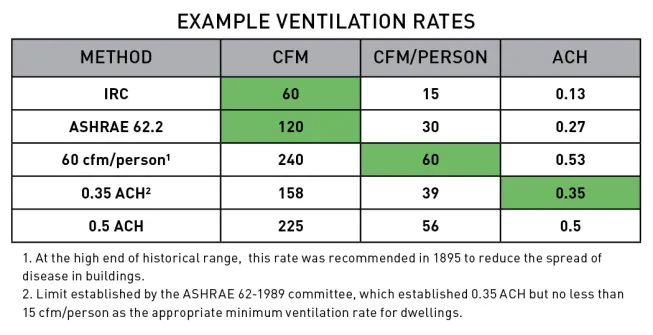
Ventilation rate is the volume of air exchanged in a room or building. It is usually measured in air changes per hour (ACH) or liters per second (L/s). A higher rate means more fresh air replaces stale air. This exchange reduces harmful substances and maintains oxygen levels.
Ventilation rate depends on room size, occupancy, and activity. Larger spaces may need more airflow. Crowded rooms require increased ventilation to prevent stuffiness. It is important to balance ventilation to avoid energy waste.
Importance Of Accurate Measurement
Measuring ventilation rate accurately ensures proper air quality. Too low ventilation causes buildup of pollutants and moisture. This can lead to health problems like headaches and allergies. Too high ventilation wastes energy and raises costs.
Accurate measurement helps design efficient ventilation systems. It guides adjustments to meet specific needs. Regular checks maintain system performance over time. Reliable data supports compliance with health and safety standards.
Tools Needed For Measurement
Measuring ventilation rate needs specific tools to get accurate results. These tools help check air flow and air quality in rooms. Using the right equipment makes the process easier and more precise.
Common Instruments
- Anemometer:Measures air speed in vents or ducts.
- Manometer:Checks air pressure differences in ventilation systems.
- CO2 Meter:Detects carbon dioxide levels to estimate ventilation efficiency.
- Tracer Gas Equipment:Uses gases like sulfur hexafluoride to track air exchange rates.
- Data Logger:Records temperature, humidity, and air quality over time.
Preparing Equipment
Start by checking each instrument for damage or dirt. Clean sensors and screens to avoid false readings. Calibrate tools following the manufacturer’s instructions. Make sure batteries are fully charged or replace them if needed.
Set up equipment in the right spots, such as air ducts or room centers. Avoid placing sensors near open windows or doors. Allow devices to warm up before taking measurements. This step improves data accuracy and reliability.
Step-by-step Calculation Process
Calculating the ventilation rate accurately is essential for ensuring good air quality and comfort in any indoor space. Understanding the process helps you optimize airflow and maintain a healthy environment. Let’s break down the calculation into clear, manageable parts so you can handle it with confidence.
Measuring Airflow
Start by measuring the airflow entering or leaving the space. You can use an anemometer to check the air velocity at vents or ducts.
Multiply the air velocity by the cross-sectional area of the vent to get the airflow rate, usually expressed in cubic feet per minute (CFM) or cubic meters per hour (m³/h).
Ensure your measurements are consistent—double-check the units and take readings at multiple points to get an accurate average.
Calculating Room Volume
Next, find the volume of the room where ventilation is needed. Measure the length, width, and height in feet or meters.
Multiply these dimensions to get the total volume (e.g., length × width × height = cubic feet or cubic meters).
If the room has irregular shapes, divide it into smaller sections, calculate each volume, then add them together for the total.
Using Formulas Correctly
Now, use the ventilation rate formula:
Ventilation Rate (ACH) = (Airflow Rate × 60) ÷ Room Volume
Here, ACH stands for Air Changes per Hour, indicating how many times the air in the room is replaced each hour.
For example, if your airflow is 300 CFM and the room volume is 3,000 cubic feet, the calculation is (300 × 60) ÷ 3,000 = 6 ACH.
Ask yourself: Is this ventilation rate suitable for the room’s purpose? Different spaces require different ACH values, so adjust accordingly.

Credit: itsairborne.com
Factors Affecting Ventilation
Understanding the factors affecting ventilation is key to calculating the right ventilation rate. Ventilation depends on more than just equipment. It changes with the room’s features and how people use the space. This section breaks down the main factors that influence ventilation.
Room Size And Shape
Room size directly impacts how much air needs to move through it. Larger rooms require more ventilation to keep air fresh. The shape of the room also matters. Odd shapes or high ceilings can create areas with poor air flow. These zones might need extra attention to maintain good ventilation.
Occupancy And Activity Levels
The number of people in a room affects ventilation needs. More occupants mean more carbon dioxide and moisture. Activity levels change air quality too. For example, exercising raises breathing rates and increases ventilation demand. Rooms with high activity require faster air exchange to stay comfortable and healthy.
External Air Quality
Fresh air quality outside influences indoor ventilation choices. If outdoor air is polluted, bringing it inside can cause problems. Filters and air purifiers may be necessary to clean incoming air. Good ventilation balances fresh air intake with removing indoor pollutants while considering outside conditions.
Troubleshooting Common Issues
Understanding ventilation rate helps identify airflow problems in a space. Check for blocked vents or faulty fans that reduce air movement. Measuring airflow with simple tools can reveal issues and guide fixes to improve indoor air quality.
Troubleshooting common issues with ventilation rate calculations is essential. It ensures your environment stays healthy and comfortable. Problems often arise, leading to inaccurate results. Understanding these problems helps you take corrective action.Inconsistent Readings
Inconsistent readings can confuse even the most seasoned professionals. Check if your devices are functioning properly. Sometimes, faulty sensors lead to erratic data. Ensure your equipment is clean and free from obstructions. Dust and debris can affect sensor performance. Regular maintenance helps maintain accuracy.Equipment Calibration
Calibration is crucial for accurate measurements. Uncalibrated equipment provides unreliable data. Follow the manufacturer’s instructions for calibration. Calibrate your devices at regular intervals. This keeps your readings precise and trustworthy. Consider using professional calibration services for critical equipment.Environmental Interference
Environmental factors often impact ventilation rate calculations. Temperature and humidity fluctuations can skew results. Place your sensors away from direct sunlight and drafts. Electronic devices nearby may also cause interference. Position your equipment strategically to minimize these effects. Adjustments in placement may improve accuracy.Tips For Maintaining Proper Ventilation
Maintaining proper ventilation is key to ensuring good air quality and comfort in any space. It’s not just about opening windows or turning on fans; consistent attention and adjustments are necessary to keep the airflow balanced and effective. Here are some practical tips that can help you keep your ventilation system working at its best.
Regular Monitoring
Keep an eye on your ventilation system’s performance regularly. Check air vents, filters, and airflow rates to catch any blockages or inefficiencies early. You might be surprised how often dust buildup or small damages reduce ventilation without obvious signs.
Use simple tools like an airflow meter or CO2 monitor to get concrete data. These measurements help you understand if the ventilation meets the recommended rates for your space. Have you ever noticed stale air but weren’t sure why? Monitoring can reveal hidden issues quickly.
Adjusting Ventilation Systems
Adjust your ventilation settings based on the needs of your space. More occupants or activities that produce moisture and pollutants require higher ventilation rates. Don’t hesitate to increase fan speeds or open additional vents during these times.
On the other hand, avoid over-ventilating as it can cause unnecessary energy use and discomfort. Pay attention to seasonal changes—what worked in winter might need tweaking in summer. Have you tried customizing your ventilation controls to match daily use? It often improves both air quality and energy savings.
Energy Efficiency Considerations
Proper ventilation doesn’t mean wasting energy. Look for systems with energy recovery ventilators (ERVs) or heat recovery ventilators (HRVs) to save on heating and cooling costs. These devices capture energy from outgoing air and use it to condition incoming air.
Seal leaks around ducts and vents to prevent energy loss. Simple fixes like weather stripping or duct tape can make a big difference. How much could you save each month just by tightening your ventilation system’s efficiency?

Credit: www.youtube.com
Frequently Asked Questions
What Is Ventilation Rate In Buildings?
Ventilation rate measures how much fresh air enters a space per hour. It ensures indoor air quality and comfort. Proper ventilation reduces pollutants and controls humidity. It is crucial for health and energy efficiency in buildings.
How Do You Calculate Ventilation Rate?
Calculate ventilation rate by dividing airflow volume by room size. Use units like cubic feet per minute (CFM) or liters per second (L/s). Measure air supply and exhaust rates accurately. This helps maintain proper air exchange and indoor air quality.
Why Is Ventilation Rate Important For Indoor Air Quality?
Ventilation rate controls pollutant levels and moisture indoors. Adequate ventilation prevents buildup of harmful gases and allergens. It improves comfort and reduces respiratory issues. Maintaining the right rate ensures a healthier living or working environment.
What Tools Are Used To Measure Ventilation Rate?
Common tools include anemometers, flow hoods, and CO2 monitors. These devices measure airflow speed and volume accurately. Data helps adjust ventilation systems for optimal performance. Proper measurement supports energy efficiency and air quality standards.
Conclusion
Calculating ventilation rate helps keep indoor air fresh and healthy. Good airflow removes pollutants and controls humidity. Knowing how to work out ventilation rate saves energy and improves comfort. Use the simple steps shared to measure ventilation accurately. Regular checks ensure your space stays safe and clean.
Clear air supports better breathing and focus every day. Keep this guide handy for easy ventilation calculations anytime.



