
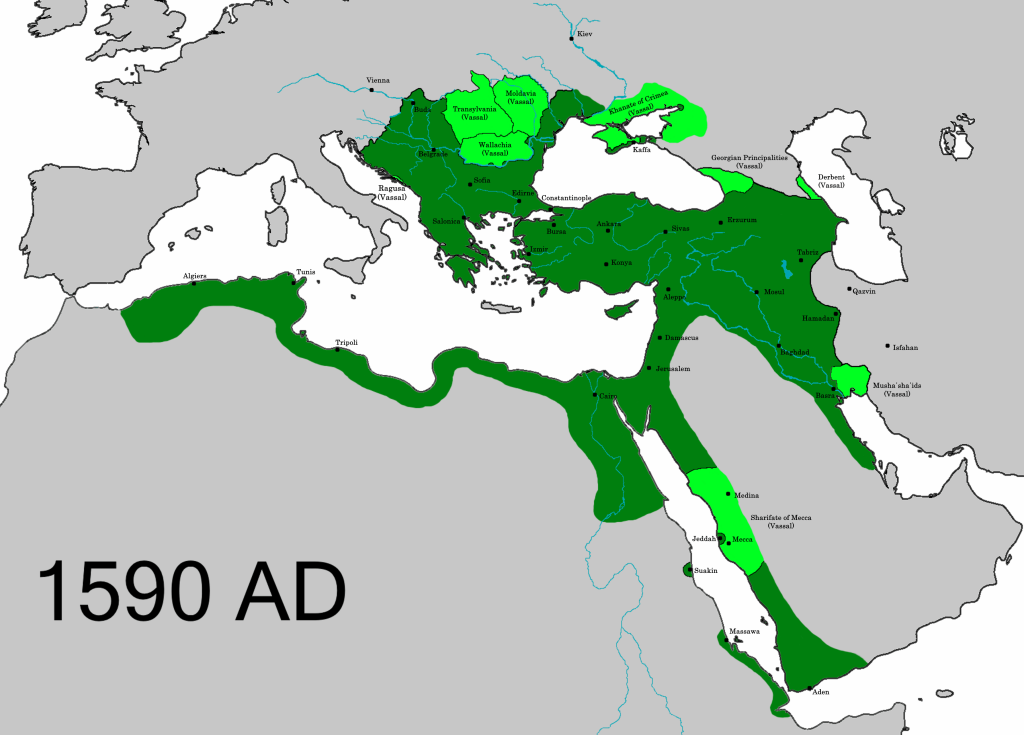
Have you ever wondered how one of history’s greatest empires began? The story of the Ottoman Empire’s creation is filled with bold moves, clever leadership, and moments that changed the course of history.
Understanding how it all started can give you a fresh perspective on power, strategy, and resilience. You’ll discover the key events and people behind the rise of the Ottoman Empire—and why its origins still matter today. Ready to uncover the secrets of a remarkable empire?
Let’s dive in.
Credit: owlcation.com
Rise Of The Anatolian Beyliks
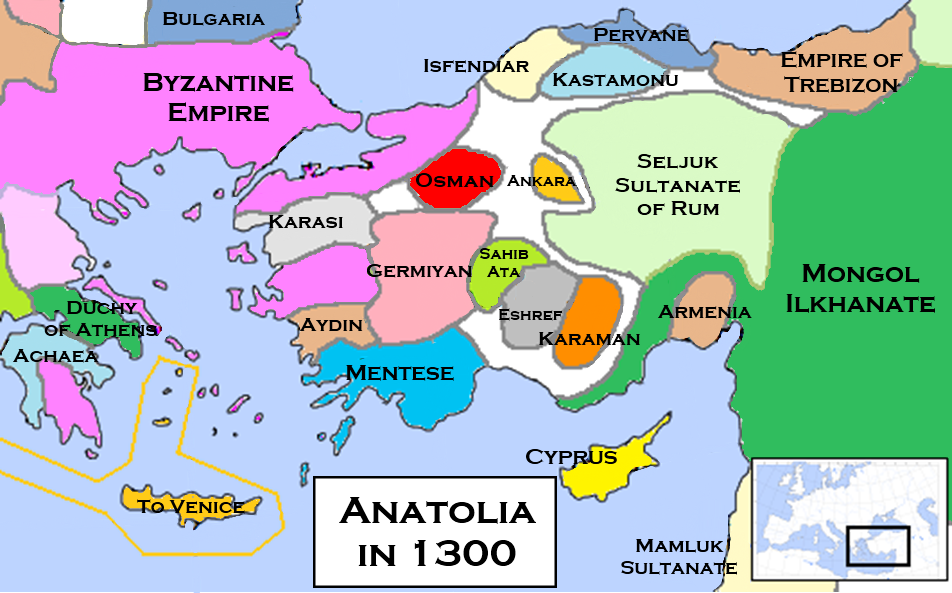
The rise of the Anatolian Beyliks set the stage for the creation of the Ottoman Empire. These small principalities emerged after the decline of the Seljuk Sultanate of Rum, each vying for control over parts of Anatolia. Understanding their origins offers insight into how a collection of fragmented states eventually gave way to a powerful empire.
Political Landscape In 13th Century Anatolia
In the 13th century, Anatolia was a patchwork of competing powers. The Seljuk Sultanate, once dominant, was weakening under internal struggles and external pressures. This decline left a power vacuum that various local leaders, known as beys, eagerly filled.
You might wonder how such fragmentation affected the people living there. Daily life grew uncertain as loyalties shifted and borders changed frequently. Yet, this unstable environment also created opportunities for ambitious leaders to build new states.
Turkish Tribes And Their Influence
Turkish tribes played a crucial role in shaping the region’s political map. These tribes had migrated from Central Asia and settled in Anatolia, bringing with them military skills and a nomadic lifestyle. Their influence extended beyond warfare; they introduced social structures and traditions that shaped the emerging beyliks.
Consider how tribal alliances and rivalries impacted the rise of these small states. Tribal leaders often became beys themselves, using their networks to expand territory and power. This tribal foundation helped the Ottomans, who started as one such beylik, gain strength and influence.
Impact Of The Mongol Invasions
The Mongol invasions added another layer of complexity to Anatolia’s political scene. The Mongols defeated the Seljuks at the Battle of Köse Dağ in 1243, reducing their authority to a puppet regime. This defeat accelerated the fragmentation of Anatolia into multiple beyliks.
Did the Mongol presence weaken or strengthen local powers? While the invasions caused destruction, they also disrupted existing power structures, allowing beyliks to assert more independence. The Mongol threat forced these smaller states to adapt quickly, often leading to alliances and conflicts that shaped the future of the region.
Credit: www.youtube.com
Founding Leader: Osman I
Osman I stands as the founding leader of the Ottoman Empire. His leadership marked the start of a powerful dynasty. Osman’s vision and actions shaped a small principality into a lasting empire. Understanding his role helps explain how the Ottoman Empire began and grew.
Early Life And Background
Osman was born around 1258 in Söğüt, a town in northwestern Anatolia. He belonged to the Kayı tribe, a branch of the Oghuz Turks. His father, Ertuğrul, led the tribe before him. The region was unstable due to the decline of the Seljuk Sultanate and Mongol invasions. This chaos gave Osman chances to expand his influence.
Leadership And Vision
Osman proved to be a strong and wise leader. He united various Turkic tribes under his rule. Osman aimed to create a state based on Islamic principles. His vision included expanding territory through both diplomacy and warfare. He inspired loyalty by rewarding his warriors and respecting local customs.
Consolidation Of Power
Osman built a solid base of power by capturing key towns. He challenged the weakening Byzantine Empire along the frontier. Osman’s control over trade routes increased his wealth. He established a disciplined military force known as the ghazis. These warriors helped him conquer new lands and defend his state.
Strategic Location And Expansion
The creation of the Ottoman Empire was deeply influenced by its strategic location and early expansion efforts. This position provided access to key trade routes and neighboring territories. It allowed the Ottomans to grow from a small principality into a powerful empire. Control of crossroads between Asia and Europe gave them military and economic advantages. Their early conquests set the stage for further growth and influence. Relations with the Byzantine Empire shaped much of their initial strategy and success.
Geographical Advantages
The Ottoman heartland sat in northwestern Anatolia, near the Bosporus Strait.
This location linked Europe and Asia by land and sea routes.
Access to the Black Sea and Mediterranean Sea helped control trade.
The terrain included mountains and rivers, offering natural defense.
Neighbors were often weak, making expansion easier for the Ottomans.
Initial Conquests
The Ottomans first captured small towns and fortresses in Anatolia.
They took advantage of conflicts among local Turkish beyliks.
Early victories boosted their reputation and attracted followers.
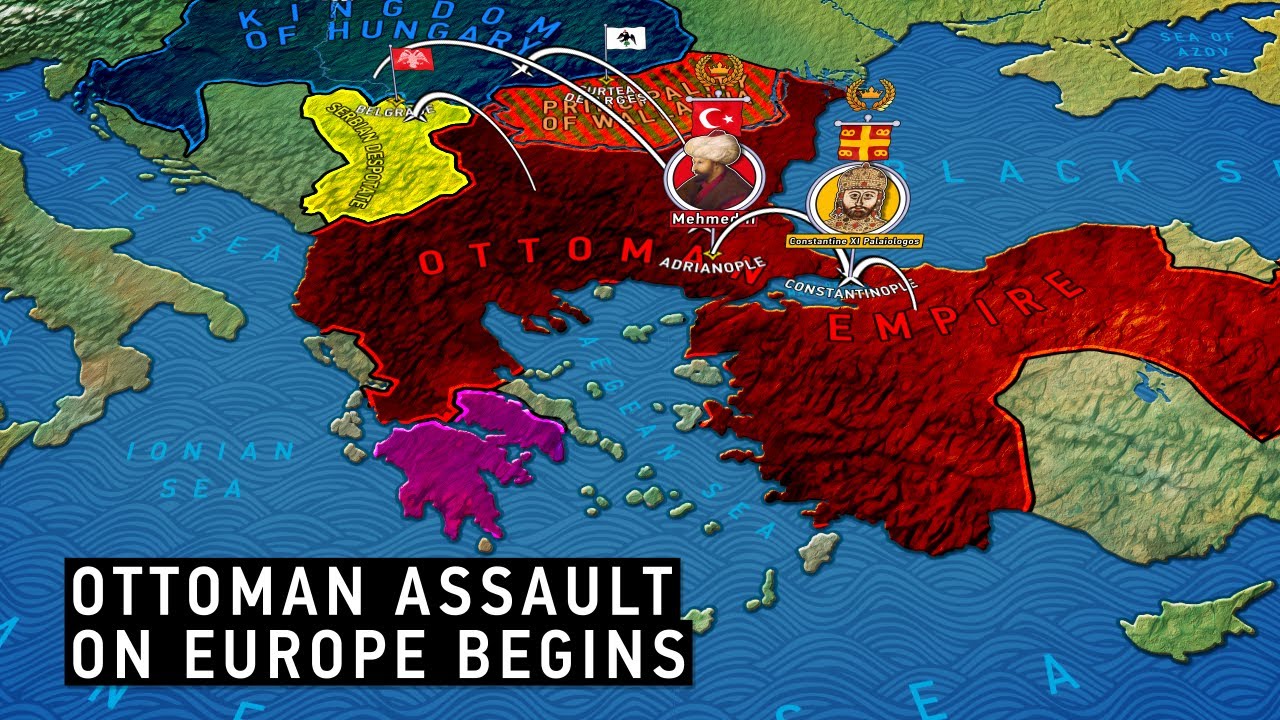
They expanded towards the Byzantine territories in Thrace.
Each conquest increased their resources and military strength.
Relations With Byzantine Empire
The Byzantine Empire was a key neighbor and rival.
Ottomans sometimes acted as mercenaries or allies to Byzantines.
They exploited Byzantine political struggles to gain territory.
Constantinople’s weakening allowed Ottomans to surround it slowly.
Diplomatic ties and wars shaped their rising power in the region.
Role Of Religion And Culture
The Ottoman Empire’s formation was deeply intertwined with religion and culture. These elements were not just societal aspects but core foundations. Religion provided a unifying structure. Culture offered a rich tapestry of traditions and arts. Together, they shaped the empire’s identity and governance.
Islamic Influence On Governance
Islam played a crucial role in Ottoman governance. The empire adopted Islamic law, or Sharia, as a guiding principle. This influenced legal systems and societal norms. Leaders often sought guidance from religious scholars. They helped legitimize and enforce decisions. The Sultan, as the Caliph, was both a political and religious leader. This dual role reinforced the empire’s unity and authority.
Cultural Integration
The Ottomans embraced cultural diversity. They ruled over various ethnic groups and religions. This diversity was seen as a strength. The empire allowed local customs and traditions to thrive. This promoted loyalty and stability. Art and architecture flourished with a blend of influences. Byzantine, Persian, and Arabic styles merged to create unique Ottoman art. This cultural integration was a hallmark of their success.
Symbolism And Identity
Symbols played a significant role in the empire’s identity. The crescent moon and star became iconic symbols. They represented the Islamic faith and Ottoman power. Architecture also reflected the empire’s identity. Mosques and palaces showcased grandeur and religious devotion. These symbols unified the diverse population under a common identity. They reinforced the empire’s strength and continuity.
Military Innovations And Tactics
The creation of the Ottoman Empire was deeply influenced by its military innovations and tactics. These strategies gave the Ottomans an edge over rivals and helped them expand rapidly. Understanding these military aspects offers you practical insights into how disciplined organization and smart tactics shape powerful forces.
Use Of Cavalry And Light Infantry
The Ottoman army heavily relied on a mix of cavalry and light infantry to maintain flexibility on the battlefield. Cavalry units, especially the famed Sipahi horsemen, were swift and highly trained. They executed fast attacks and were crucial for reconnaissance missions.
Light infantry supported the cavalry by moving quickly across rough terrains and engaging in guerrilla-style tactics. They could strike unexpectedly and retreat without heavy losses. This combination allowed the Ottomans to adapt to various combat situations effectively.
Fortification And Siege Techniques
Ottoman engineers mastered the art of fortification and siege warfare. They built strong defensive walls and castles that could withstand prolonged attacks. When attacking, they used large cannons and innovative siege equipment to break enemy defenses.
One famous example is the conquest of Constantinople in 1453, where the Ottomans used massive cannons to breach the city walls. Think about your own challenges—how can you break down obstacles using the right tools and persistence?
Alliances And Recruitment
The Ottomans didn’t just rely on force; they built alliances and recruited diverse groups to strengthen their military. They integrated soldiers from different ethnic backgrounds, including Christian converts, who brought unique skills and knowledge.
This strategy expanded their manpower and created loyalty among conquered peoples. If you consider your team or community, how can building alliances and welcoming diverse talents make your efforts stronger?

Credit: uk.news.yahoo.com
Legacy Of The Empire’s Origins
The origins of the Ottoman Empire hold a powerful legacy that shaped centuries of history. The early beginnings were small but full of ambition. From a simple beylik to a vast empire, its roots influenced culture, politics, and power in the region. This legacy still echoes in many ways today.
Transition From Beylik To Empire
The Ottoman state started as a beylik, a small principality. Leaders united different tribes and lands under one rule. Strong military skills and smart alliances helped the beylik grow. Over time, it gained more land and influence. This transition set the stage for the empire’s rise.
Foundations For Future Expansion
Early Ottoman rulers built a system based on flexible governance. They allowed diverse cultures and religions to coexist peacefully. This approach helped maintain order as the empire grew. The military was organized and ready for conquest. These foundations made future expansion possible and effective.
Influence On Regional Politics
The empire’s origins shaped power dynamics across the region. Neighboring states had to respond to the growing Ottoman presence. Trade routes and alliances shifted due to Ottoman policies. The empire’s rise changed the balance of power in Europe and Asia. This influence lasted for centuries beyond its early years.
Frequently Asked Questions
How Was The Ottoman Empire Founded?
The Ottoman Empire was founded around 1299 by Osman I. It began as a small Anatolian principality. Osman united Turkic tribes and expanded territory through military conquests and alliances.
What Triggered The Rise Of The Ottoman Empire?
The empire’s rise was triggered by the decline of the Seljuk Sultanate. Osman I capitalized on Byzantine weakness and Mongol invasions, gaining strategic lands and followers.
Who Was The First Leader Of The Ottoman Empire?
Osman I was the first leader. He established a strong base in northwestern Anatolia and laid the foundation for future expansion.
What Role Did Geography Play In The Empire’s Creation?
Anatolia’s location was vital. It connected Asia and Europe, enabling trade and military advantages. This helped the Ottomans control key routes and expand rapidly.
Conclusion
The Ottoman Empire started from a small tribe led by Osman I. Strong leadership and smart alliances helped it grow. The empire expanded by conquering nearby lands. Trade and culture flourished under its rule. It lasted for centuries, shaping history deeply.
Understanding its creation helps us see how power builds. A story of ambition, strategy, and change. The empire’s rise shows how small beginnings can lead to great things.



