
Choosing the perfect chandelier for your dining table can transform the entire room. But how wide should your chandelier be to create the right balance and make your space feel just right?
If it’s too big, it might overwhelm your table; too small, and it could look lost. You want your chandelier to shine—literally and visually—without stealing the spotlight or fading into the background. Keep reading, and you’ll discover simple, effective tips to pick the ideal chandelier size that fits your dining area perfectly.
This way, your dining experience will feel cozy, stylish, and inviting every time.

Credit: www.hgtv.com
Choosing Chandelier Width
Choosing the right chandelier width is crucial for balancing style and functionality in your dining space. A chandelier that’s too wide can overwhelm the room, while one that’s too narrow might look lost above your table. Let’s break down the key factors that help you pick the perfect size.
Room Size And Scale
Your dining room’s overall size sets the stage for the chandelier’s scale. A large room can handle a bold, wide fixture without feeling cramped. Conversely, a smaller space demands a more modest chandelier to keep the room feeling open and comfortable.
Ask yourself: how much visual weight can the room carry without feeling cluttered? You want the chandelier to complement the space, not compete with it.
Table Dimensions
The width of your dining table directly impacts chandelier size. A good rule of thumb is to choose a chandelier that is about half to two-thirds the width of your table. This proportion ensures the light fixture feels connected to the table without overpowering it.
- If your table is 60 inches wide, aim for a chandelier between 30 to 40 inches wide.
- For narrower or longer tables, consider elongated fixtures or multiple pendants for balanced lighting.
Have you measured your table carefully? This simple step can save you from a mismatched look.
Ceiling Height Impact
Ceiling height influences how large your chandelier can be without interfering with sightlines or movement. Higher ceilings allow for larger, more dramatic chandeliers that hang lower, while lower ceilings require compact fixtures placed closer to the ceiling.
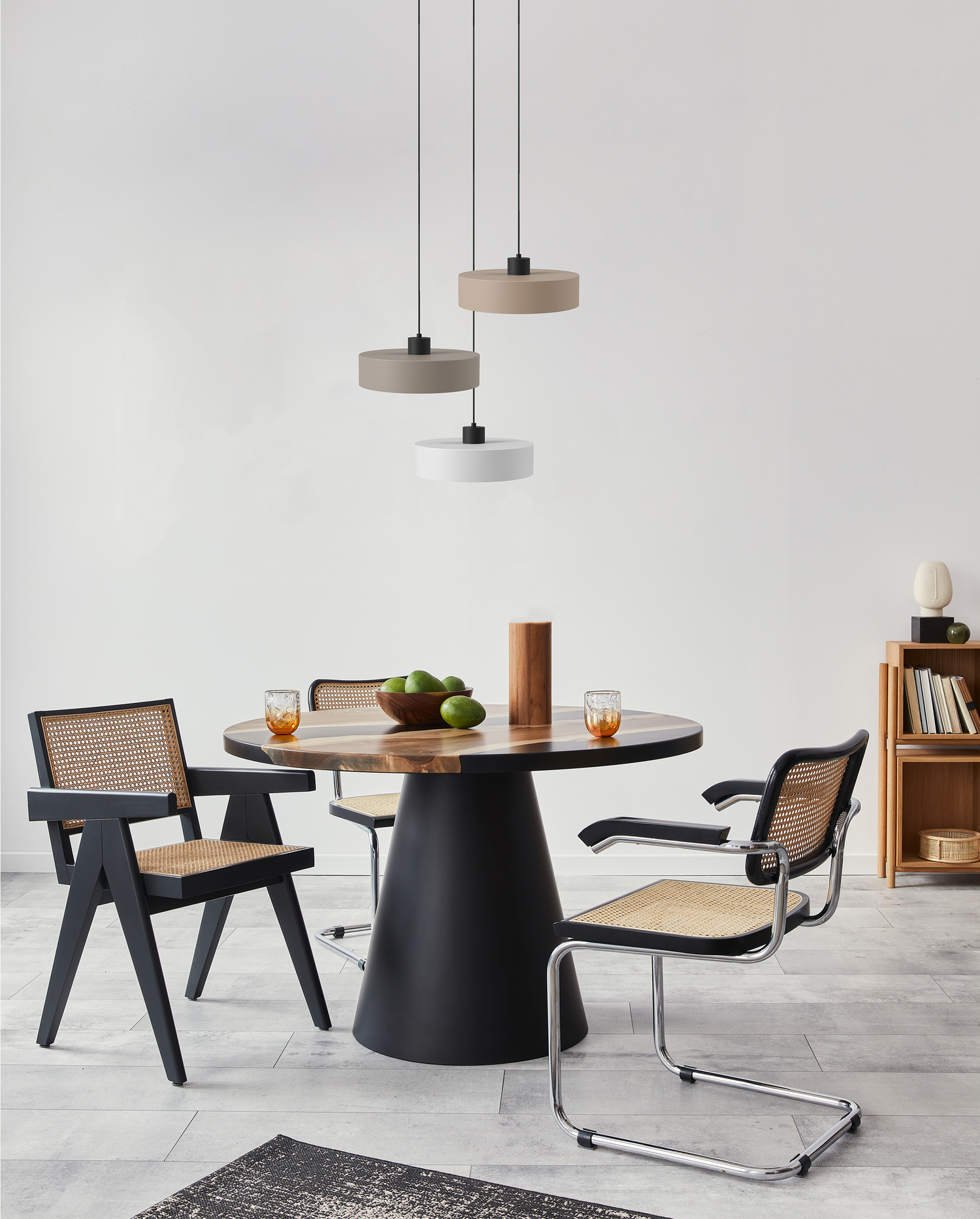
Consider the height above the table too: most experts recommend hanging the chandelier about 30 to 36 inches above the tabletop. This spacing keeps the light functional and ensures guests can see each other comfortably.
Credit: www.studiomonton.com
Standard Size Recommendations
Choosing the right chandelier size enhances your dining room’s look. The fixture should balance the table’s size without overpowering it. Standard size guidelines help find this balance easily. These rules ensure the chandelier fits well and looks elegant above your dining table.
Width Relative To Table
The chandelier width should be about 50% to 70% of the table’s width. This range keeps the light centered and proportional. A chandelier too wide can overwhelm the space. Too narrow a fixture may seem lost above the table.
Common Width Ranges
Most dining tables work well with chandeliers between 18 and 36 inches wide. Small tables use fixtures closer to 18 inches. Larger tables often need chandeliers around 30 to 36 inches wide. This range fits most room sizes and table shapes.
Adjustments For Shape
Rectangle tables pair well with elongated chandeliers. Round tables suit round or square chandeliers for symmetry. Square tables allow more flexibility in shape choice. Adjust size slightly to keep balance with the table form.
Measuring Your Dining Table
Choose a chandelier width about half to two-thirds the width of your dining table. This balance creates a pleasing look and proper lighting. Avoid oversized or tiny fixtures that disrupt the room’s harmony.
Measuring your dining table is crucial for chandelier selection. A well-proportioned chandelier enhances the dining room’s ambiance. To find the perfect size, consider several factors.Length And Width Tips
Measure the length and width of your dining table. The chandelier should be 12 inches narrower than the table. This ensures balance and avoids overpowering the space. If your table is rectangular, this rule helps maintain harmony.Shape Considerations
Table shape affects chandelier choice. A round table pairs well with a circular chandelier. For rectangular tables, consider an oval or linear design. This complements the table’s shape and enhances symmetry.Seating Capacity Influence
Consider the number of seats around your table. More seats usually mean a larger table. A larger table may need a bigger chandelier. Ensure that the chandelier does not obstruct guests’ views. This keeps dining conversations flowing smoothly.Balancing Proportions
Balancing proportions is key when choosing a chandelier for your dining table. The right size creates harmony between the light fixture and the furniture. It also enhances the room’s overall look without overpowering the space. Understanding how width and height work together helps achieve this balance.
Width Vs Height Ratio
The width of a chandelier should relate well to its height. A wide chandelier with a short height can feel heavy and bulky. A tall, narrow chandelier might look out of place. Aim for a shape that complements the table’s size and the room’s ceiling height. This keeps the fixture elegant and proportional.
Visual Weight And Presence
Visual weight means how much the chandelier stands out in the room. A large chandelier on a small table feels overwhelming. A tiny chandelier on a big table looks lost. Choose a size that balances presence without stealing focus. The fixture should enhance, not dominate, the dining area.
Avoiding Overcrowding
Overcrowding happens when the chandelier is too big or hangs too low. It blocks views and makes the space feel cramped. Leave enough space around the light for clear sightlines. This allows guests to enjoy both the table and the chandelier comfortably.
Practical Installation Tips
Choosing the right chandelier size is only part of the puzzle. How you install it plays a huge role in both the look and function of your dining area. Practical installation tips ensure your chandelier not only shines brightly but also fits perfectly in your space without causing any inconvenience.
Hanging Height Guidelines
How high should your chandelier hang? The general rule is to keep it about 30 to 36 inches above the dining table surface. This height allows ample light without blocking views or conversations.
If your ceiling is higher than 8 feet, you can add 3 inches of height for every additional foot. Remember, hanging it too low might make your space feel cramped, while too high can reduce lighting effectiveness.
Lighting Coverage
Your chandelier needs to spread light evenly across the table. A good rule of thumb is that the chandelier’s diameter should be about half to two-thirds the width of your dining table. This helps avoid dark spots and glare.
Think about the type of bulbs and brightness level too. Soft white bulbs can create a warm, inviting atmosphere, while brighter bulbs are better for larger tables or multi-purpose dining areas.
Safety And Accessibility
Safety should never be overlooked. Make sure the chandelier is securely anchored to a ceiling joist or use an appropriate support system for heavier fixtures. Loose or improperly installed chandeliers can be dangerous.
Also, consider accessibility for cleaning and changing bulbs. Can you reach it without a ladder? If not, plan for a chandelier that’s easy to maintain or install a dimmer switch to extend bulb life and reduce frequent changes.
Style And Design Factors
Choosing the right chandelier size involves more than just measurements. Style and design play a big role in deciding how wide a chandelier should be over a dining table. The fixture must fit the room’s look and feel while providing the right light. Understanding key design factors helps create a balanced and beautiful dining space.
Matching Decor
The chandelier should match the room’s decor style. A modern dining room pairs well with sleek, simple chandeliers. Traditional rooms suit ornate, classic designs. Consider the shapes and colors in the room. The chandelier should blend or complement these elements. This harmony creates a pleasing and unified look.
Material And Finish Choices
Material affects the chandelier’s visual weight and style. Glass and crystal add elegance and sparkle. Metal finishes like bronze or chrome offer a stronger, industrial feel. Wood or fabric shades bring warmth and softness. Choose materials that reflect the room’s vibe. The right finish ties the chandelier to the space perfectly.
Statement Vs Subtle Lighting
Decide if the chandelier is a statement piece or subtle lighting. A large, bold chandelier grabs attention and becomes a room focal point. Smaller, simple chandeliers provide soft, supportive light without overwhelming the space. Consider the room size and ceiling height. Balance the chandelier’s presence with other elements to avoid crowding.
Common Mistakes To Avoid
Choosing the right chandelier size can transform your dining space, but many stumble on avoidable errors. These common mistakes often lead to awkward proportions and poor lighting, which can spoil the dining experience. Understanding what to avoid helps you create a balanced and inviting atmosphere effortlessly.
Oversized Fixtures
Big chandeliers may seem impressive, but too large a fixture can overwhelm your dining table and room. It distracts from the overall design and can make the space feel cramped instead of cozy. Imagine a giant chandelier hanging just a foot above your head—how comfortable would that be during dinner?
Instead, aim for a chandelier width that complements, not dominates, the table. A good rule is to choose a fixture about half to two-thirds the width of your dining table. This keeps your lighting elegant and well-scaled.
Ignoring Room Proportions
Your chandelier’s size needs to match the room’s size, not just the table. A small fixture in a large dining room looks lost, while a large chandelier in a small room feels overpowering. Have you ever stepped into a room where the lighting felt off? That’s usually because proportions were ignored.
Measure your room’s dimensions and consider ceiling height before selecting a chandelier. This simple step ensures your fixture fits harmoniously with the space, enhancing comfort and style.
Poor Lighting Balance
Lighting isn’t just about size; it’s about how the light spreads across your dining area. A chandelier that’s too dim or too bright can ruin the mood and functionality. Have you ever struggled to see your food clearly or felt blinded by harsh light?
Balance your chandelier’s brightness by choosing the right bulb wattage and style. Layer your lighting with dimmers or add wall sconces to create a versatile and inviting dining experience. Good lighting invites conversation and makes every meal better.

Credit: morsale.com
Frequently Asked Questions
How Wide Should A Chandelier Be For A Dining Table?
A chandelier should be about half to two-thirds the width of your dining table. This size ensures balanced lighting and proportional aesthetics. For example, a 48-inch table pairs well with a 24-32 inch wide chandelier. Proper width enhances room harmony and visual appeal.
What Height Should A Chandelier Hang Over A Dining Table?
Hang the chandelier 30 to 36 inches above the dining table surface. This height provides optimal lighting without obstructing views. Adjust according to ceiling height and chandelier size. Proper hanging height ensures functional and comfortable illumination during meals.
Can A Chandelier Be Wider Than The Dining Table?
A chandelier wider than the table can overwhelm the space. Ideally, keep it smaller to maintain balance. Oversized chandeliers may distract and reduce room harmony. Choose a width that complements, not dominates, your dining area’s dimensions.
How To Choose Chandelier Size For Different Table Shapes?
Match chandelier shape and size to the table shape. Round tables suit round or oval chandeliers; rectangular tables fit linear or rectangular fixtures. Size should still be half to two-thirds of table width. This approach enhances room flow and style consistency.
Conclusion
Choosing the right chandelier size makes your dining space feel balanced. A chandelier too big or small can look odd. Aim for a width about half to two-thirds of your table’s length. This keeps the room cozy and well-lit. Remember, proper height also matters for comfort.
With the right size, your chandelier adds charm and style naturally. Simple steps lead to a beautiful dining area everyone enjoys.



