
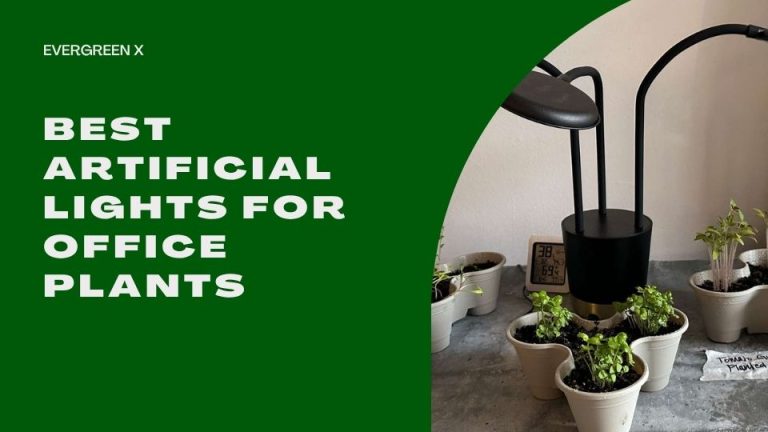
Are you wondering if a desk top lamp can really help your plants grow? You might think that any light source is good enough, but not all lamps are created equal when it comes to plant care.
What if the lamp you already have on your desk could boost your plant’s health and make them thrive? Keep reading to discover how the right desk top lamp could be a game changer for your green friends—and how to choose one that works best for your plants.
Don’t miss out on simple tips that could transform your indoor garden!
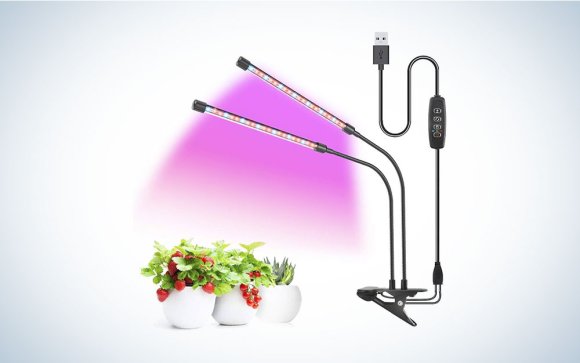
Credit: www.popsci.com
Benefits Of Desk Lamps For Plants
Desk lamps aren’t just for reading or working late into the night—they can also play a vital role in helping your plants thrive indoors. These lamps provide a convenient way to boost light exposure, especially when natural sunlight is limited. Using desk lamps for your plants can lead to healthier growth, saving you time and effort in plant care.
Enhancing Light Exposure Indoors
Many homes and offices don’t get enough natural light for plants to flourish. Desk lamps can fill that gap by delivering focused light exactly where your plants need it. This means your greenery won’t have to compete with shadows or dim corners.
Think about placing a desk lamp near your favorite indoor herb garden. With the right light intensity, you’ll notice quicker sprouting and stronger leaves. It’s a simple way to mimic the sun’s rays without rearranging your whole room.
Promoting Growth In Low Light Areas
Not all plants require full sunlight, but they do need consistent light. Desk lamps help maintain steady light levels in spaces where windows don’t provide enough brightness. This keeps your plants from stretching awkwardly or losing their vibrant colors.
For example, I once had a peace lily struggling in a shaded corner. Adding a desk lamp with a soft white bulb transformed its growth pattern. The plant perked up within days, showing that a little extra light can make a big difference.
Energy Efficiency And Cost Savings
Modern desk lamps often come with LED bulbs, which use less energy and last longer than traditional bulbs. This means you can keep your plants lit without worrying about a spike in your electricity bill. Plus, LED lights produce less heat, reducing the risk of burning delicate leaves.
Choosing an energy-efficient desk lamp is a smart way to care for your plants and the environment. It’s a win-win that saves money while supporting healthy, vibrant growth indoors.
Types Of Desk Lamps Suitable For Plants
Choosing the right desk lamp for plants affects their growth significantly. Different lamps provide different light types and intensities. Some lamps suit specific plants better than others. Understanding lamp types helps you pick the best light for your greenery.
Led Grow Lights
LED grow lights are energy-efficient and emit light tailored for plant growth. They produce specific wavelengths plants need for photosynthesis. These lamps stay cool, reducing heat damage risk. LEDs last long, making them cost-effective over time. Many models offer adjustable light settings for various plant needs.
Fluorescent Lamps
Fluorescent lamps are affordable and widely used for indoor plants. They emit a broad spectrum of light that supports plant health. These lamps generate less heat, safe for delicate plants. Fluorescent tubes come in different sizes and shapes to fit desk setups. They provide moderate light intensity suitable for low to medium light plants.
Incandescent Bulbs
Incandescent bulbs are less ideal for plants due to low efficiency. They emit mostly heat, which can harm plants if too close. Their light spectrum lacks the blue and red wavelengths plants need. Incandescent bulbs consume more energy and have shorter lifespans. They may work for short-term use but not for sustained plant growth.
Choosing The Right Light Spectrum
Choosing the right light spectrum helps plants grow well under a desk lamp. Blue light supports leaf growth, while red light aids flowering and fruiting. A balanced spectrum makes a desk lamp good for indoor plants.
Choosing the right light spectrum is essential for growing healthy plants indoors. Different light spectrums support various stages of plant growth. Desk lamps can provide the necessary light if chosen wisely. Let’s explore how different light spectrums help plants thrive.Blue Light For Leaf Growth
Blue light supports the development of leaves. It encourages strong and healthy growth. This light is crucial during the seedling stage. It helps plants produce energy through photosynthesis. Consider a lamp that emits a high amount of blue light.Red Light For Flowering
Red light promotes flowering and fruit production. It is important during the blooming phase. Red light helps plants produce blooms and fruits. Desk lamps with a red spectrum can enhance this process. Ensure your lamp provides enough red light for flowering plants.Balanced Full Spectrum Lights
Full spectrum lights mimic natural sunlight. They contain both blue and red light. This balance supports all stages of plant growth. These lights are suitable for a variety of plants. Choose a full spectrum lamp for versatile indoor gardening.
Credit: www.wakefit.co
Placement And Duration Tips
Proper placement and timing are key for using a desk lamp to grow plants. Plants need the right light distance and duration to stay healthy and thrive. Too close or too long can harm them. Too far or too short may slow growth. Finding the right balance helps your plants absorb light well without damage.
Optimal Distance From Plants
Keep the desk lamp about 12 to 18 inches from your plants. This distance lets plants get enough light without burning leaves. Different plants may need slight changes. Watch for signs like leaf yellowing or curling. Adjust the lamp closer or farther based on how your plant reacts.
Recommended Daily Light Hours
Most houseplants do well with 12 to 16 hours of light daily. Use a timer to keep this consistent. Regular light helps plants make food through photosynthesis. Avoid leaving the lamp on all day to give plants a rest period in darkness.
Avoiding Overexposure
- Check leaves for discoloration or dryness.
- Reduce light hours if plants show stress.
- Use lamps with adjustable brightness if possible.
- Give plants natural light breaks by placing them near a window.
Too much artificial light can dry out or burn plants. Balance light time to keep them healthy and growing strong.
Common Mistakes To Avoid
Using a desk lamp to support your plants can be a great idea, but there are some common mistakes that often trip people up. Avoiding these pitfalls can make a big difference in how well your plants grow and thrive. Let’s look at what you need to watch out for.
Using Regular Desk Lamps
Many people assume any desk lamp will work for plants, but regular lamps usually don’t provide the right type of light. Most desk lamps emit light that is too warm or too dim for photosynthesis. Your plants need specific light wavelengths, especially blue and red, to grow well.
Think about the last time you tried growing a plant under a standard lamp. Did it look healthy? If not, the lamp likely wasn’t designed for plants. Investing in a grow light or a desk lamp with a full spectrum LED can make a huge difference.
Ignoring Plant Species Needs
Not all plants require the same amount or type of light. Succulents and cacti need bright, direct light, while ferns prefer lower, indirect light. Using the same lamp setup for every plant can lead to poor growth or even plant death.
Ask yourself: what kind of light does your specific plant need? Research or consult plant care guides before setting up your lamp. Tailoring light exposure to your plant’s species is key to success.
Neglecting Lamp Maintenance
Even the best desk lamp can fail if it’s not maintained properly. Dust and dirt can build up on the bulb or cover, reducing light intensity. Over time, bulbs lose their brightness and effectiveness.
Check your lamp regularly. Clean the surface gently and replace bulbs when they start to dim. A well-maintained lamp ensures your plants keep getting the light they need to stay healthy.
Expert Recommendations For Best Results
Experts suggest several tips to get the best results from using a desk top lamp for plants. Proper lighting helps plants grow well indoors. Understanding how to balance natural and artificial light is key. Adjusting light according to the plant’s stage of growth improves health. Watching how plants respond allows you to make smart changes.
Combining Natural And Artificial Light
Plants thrive with a mix of natural and artificial light. Use a desk lamp to fill in light gaps during cloudy days or evenings. Place plants near windows to catch sunlight. The desk lamp should provide extra brightness without overwhelming the plant. This balance mimics outdoor conditions for better growth.
Adjusting Light Based On Plant Growth Stage
Plants need different light amounts at each growth phase. Seedlings require gentle, steady light to develop strong roots. Mature plants often need more intense light to produce leaves and flowers. Change the lamp’s brightness and distance as the plant grows. This supports healthy development throughout its life.
Monitoring Plant Response
Observe your plant closely after changing light conditions. Look for signs like leaf color, shape, and growth speed. Wilting or yellow leaves may mean too much light. Slow growth could indicate too little light. Adjust the lamp’s position or timing based on these signs. This care helps plants stay healthy and vibrant indoors.

Credit: www.amazon.sa
Frequently Asked Questions
Can A Desk Lamp Provide Enough Light For Plants?
A desk lamp can support small plants if it emits sufficient light intensity. Choose lamps with LED or full-spectrum bulbs for best growth results. Position the lamp close to the plant, ideally 12-18 inches away, to ensure adequate light absorption.
What Type Of Desk Lamp Is Best For Plant Growth?
LED desk lamps with full-spectrum or grow light bulbs are best. These lamps mimic natural sunlight and promote photosynthesis. Avoid regular incandescent bulbs, as they emit heat and lack the necessary light spectrum for plants.
How Long Should Plants Stay Under A Desk Lamp?
Most plants need 12 to 16 hours of light daily under a desk lamp. Use a timer to maintain consistent light exposure, mimicking natural daylight cycles. Too much light can stress plants, so adjust duration based on plant species.
Are Desk Lamps Effective For All Indoor Plants?
Desk lamps work well for low to medium light plants like succulents or herbs. However, high light plants may require stronger or specialized grow lights. Assess your plant’s light needs before relying solely on a desk lamp.
Conclusion
A desk top lamp can help plants grow indoors. It gives light when natural sunlight is low. Choose a lamp with the right brightness and color. Place it close to your plants but not too near. Watch your plants for signs of health and growth.
Adjust the lamp time if needed. A simple lamp can support your green space well. It is a small step to keep plants happy inside. Try it and see how your plants respond.



