

Are you wondering if opening windows when you’re sick can actually help you feel better? You’ve probably heard mixed advice—some say fresh air is great, while others warn it might make things worse.
What’s the truth? How can a simple action like opening a window impact your recovery? Keep reading to discover surprising facts that could change how you handle being sick at home. Your comfort and health might depend on what you do next.
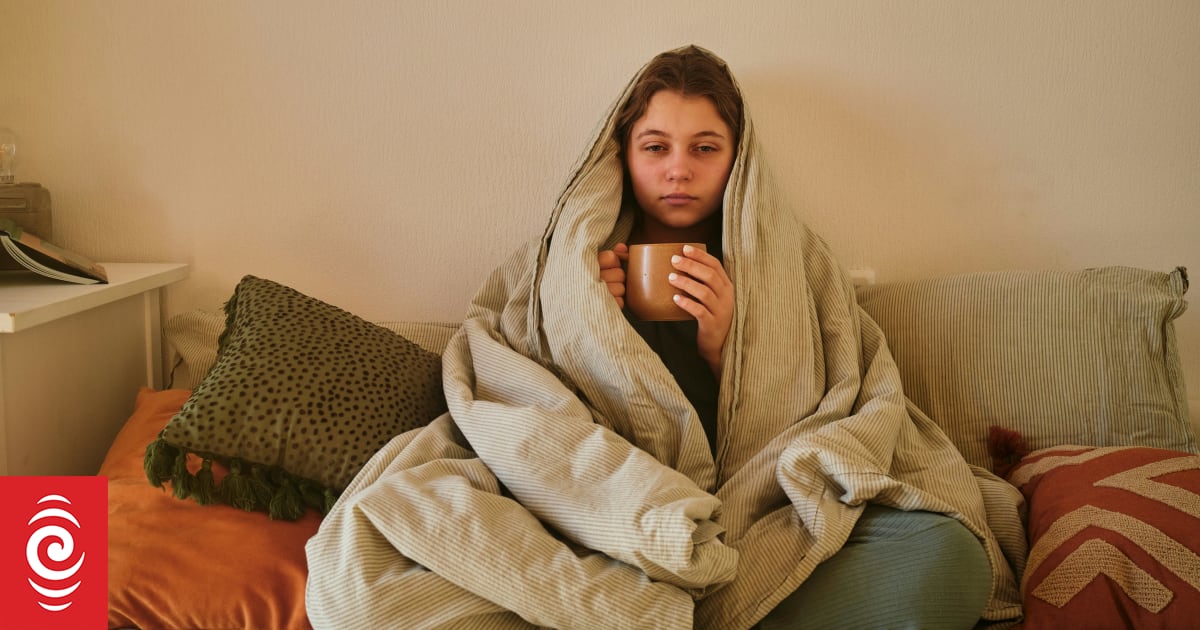
Credit: www.rnz.co.nz
Fresh Air And Immunity
Fresh air plays an important role in supporting the immune system. It brings oxygen into the body and helps clear out germs from indoor spaces. Opening windows can improve air quality, making it easier for the body to fight illness.
Breathing in clean, fresh air also refreshes the mind and body. It can reduce feelings of stuffiness and fatigue. This simple step may help speed up recovery during sickness.
How Fresh Air Affects Immune Response
Fresh air helps the immune system work better by increasing oxygen levels. Oxygen is needed by immune cells to function well. With enough oxygen, these cells can fight infections more effectively.
Good ventilation lowers the concentration of airborne viruses and bacteria indoors. This reduces the chance of spreading illness. Clean air also lowers indoor pollutants that can stress the immune system.
Benefits Of Oxygen For Recovery
Oxygen supports cell repair and energy production in the body. When sick, the body needs more energy to heal. Fresh air provides the oxygen needed for this process.
Improved oxygen flow helps the lungs work more efficiently. It reduces coughing and congestion. More oxygen also helps the brain stay alert and focused during recovery.
Reducing Indoor Germs
Reducing indoor germs is crucial when you’re feeling sick. Germs tend to build up in closed spaces, making it easier for viruses and bacteria to spread. Opening windows can be a simple yet effective way to refresh the air and lower the concentration of harmful particles around you.
Ventilation And Virus Spread
Good ventilation helps move out stale, germ-filled air and brings in fresh air from outside. This reduces the amount of virus particles floating in the air, lowering the chance of infecting others in the same room.
Think about your own experience: have you ever noticed how stuffy rooms feel heavier and more uncomfortable when someone is sick? That’s because the virus particles linger longer without fresh air to dilute them.
Opening windows creates a natural airflow that pushes these particles out. Even a small crack can improve air circulation, making the space safer for everyone inside.
Airborne Bacteria Control
Besides viruses, bacteria also thrive in poorly ventilated areas. When you open windows, you reduce the humidity and stale air that bacteria love.
This airflow helps prevent bacteria from settling on surfaces and in the air, cutting down the risk of secondary infections.
- Try opening windows in multiple rooms to create cross-ventilation.
- If outdoor air quality is good, keep windows open for at least 15-30 minutes several times a day.
- Use fans to help push out indoor air and draw in fresh air.
Have you noticed how quickly a room feels fresher after opening a window? That freshness isn’t just pleasant—it’s your indoor germs being swept away.
Humidity And Comfort
Humidity plays a crucial role in how comfortable you feel when you’re sick. It affects your breathing, skin, and even the recovery speed of your body. Understanding how opening windows influences humidity can help you decide if it’s a good idea during illness.
Impact Of Open Windows On Humidity
Opening windows usually brings in fresh air, but it also changes the humidity levels inside your room. If the outside air is dry, it can lower the indoor humidity, which might dry out your nasal passages and throat.
On the other hand, if it’s rainy or humid outside, opening windows could increase moisture indoors. This might make the room feel stuffy or uncomfortable, especially if you have congestion or coughing.
Think about your local weather before opening a window. Does the outside air feel dry or damp? This simple check can guide your decision.
Balancing Moisture For Symptoms Relief
Maintaining balanced humidity—usually between 40% and 60%—can ease symptoms like a sore throat and dry cough. Too little moisture irritates your airways, while too much can promote mold and dust mites.
You can use a hygrometer to measure room humidity and adjust ventilation accordingly. If you open windows, consider using a humidifier or placing a bowl of water nearby to keep moisture balanced.
Next time you’re sick, try opening a window for a short time and see how your body reacts. Do you feel relief, or does your throat get drier? Listening to your own comfort is key here.

Credit: blog.ochsner.org
Temperature Considerations
Temperature plays a crucial role in deciding whether to open your windows when you’re feeling under the weather. The balance between fresh air and maintaining a comfortable indoor temperature can directly affect your recovery. Understanding how cold air interacts with your body during illness helps you make smarter choices for your health.
Cold Air Effects On Illness
Cold air can tighten your airways, making breathing more difficult if you already have congestion or a sore throat. It may also reduce your immune system’s efficiency by lowering the temperature of your nasal passages, where many immune responses start.
On the flip side, fresh air helps reduce indoor germs and moisture that can worsen your symptoms. If the air outside is too cold, however, it can cause your body to use extra energy to stay warm, which might slow down your healing process.
When To Keep Windows Closed
Close your windows when the outdoor temperature drops below 50°F (10°C) or if there’s a strong, chilly wind. This prevents your body from getting chilled, which could increase discomfort or worsen symptoms.
Also, keep windows shut if you have conditions like asthma or bronchitis, where cold air often triggers flare-ups. Instead, try using an air purifier or briefly ventilate the room during the warmest parts of the day to keep air fresh without the cold shock.
Mental Well-being Benefits
Opening windows when sick can improve mental well-being. Fresh air and natural light offer significant benefits. They can uplift mood and ease stress. This can help in recovery. Let’s explore how these elements contribute to mental well-being.
Natural Light And Mood Improvement
Natural light boosts mood and energy levels. Sunlight helps produce serotonin. This chemical enhances happiness. Sitting in a sunlit room lifts spirits. It also helps regulate sleep patterns. Better sleep can speed up recovery.
Connection Between Air Quality And Stress
Fresh air reduces stress. Poor air quality can increase tension. Opening windows lets out stale air. It brings in fresh, clean air. This can lower stress hormones. A simple act of opening windows can calm the mind. It creates a peaceful environment for healing.
Credit: concordma.gov
Practical Tips For Ventilating
Ventilating a room properly helps reduce germs and freshens the air. It also supports quicker recovery by improving air quality. Simple steps can make a big difference when opening windows during illness. Follow these practical tips for safe and effective ventilation.
Best Times To Open Windows
- Early morning hours often have cooler, fresher air.
- Avoid opening windows during high pollen times to reduce allergies.
- Open windows for 10 to 15 minutes every few hours.
- Choose times when outdoor air is less polluted or windy.
- Close windows before extreme weather changes, like rain or cold winds.
Safety Precautions During Illness
- Keep the room temperature comfortable to avoid chills.
- Use a fan to help circulate air without direct drafts on the patient.
- Watch for signs of discomfort or worsening symptoms when windows are open.
- Close windows if outdoor noise or pollution becomes distracting or harmful.
- Maintain hand hygiene to prevent spreading germs while opening or closing windows.
Frequently Asked Questions
Does Opening Windows Help When You Are Sick?
Yes, opening windows improves air circulation and reduces indoor germs. Fresh air can ease breathing and speed recovery. It also lowers the concentration of viruses and bacteria indoors, making the environment healthier for a sick person.
How Often Should Windows Be Opened When Ill?
Opening windows for 10-15 minutes multiple times daily is ideal. This practice refreshes indoor air and removes stale, contaminated air. Frequent ventilation helps maintain good air quality and prevents the buildup of illness-causing particles.
Can Fresh Air Reduce Cold Or Flu Symptoms?
Yes, fresh air can ease symptoms by reducing indoor pollutants. It helps clear nasal passages and improves oxygen flow. However, avoid cold drafts that might worsen symptoms, especially in vulnerable individuals.
Is It Safe To Open Windows During Winter When Sick?
Yes, but limit the time to avoid getting too cold. Brief ventilation keeps air fresh without causing chills. Dress warmly and ensure the room temperature stays comfortable while airing out.
Conclusion
Opening windows can help fresh air flow into your room. This may ease breathing and reduce germs. Fresh air often feels calming and can lift your mood. Yet, avoid cold drafts that might make you feel worse. Keep windows open only a little, not wide.
Balance fresh air with staying warm and comfortable. Clean air supports quicker healing and better rest. Try it next time you feel sick and see how it helps. Small steps like this can make a big difference.



