
Have you ever wondered if the Ottoman Empire is still around? You might have heard stories or seen references in history books and movies.
But what about now? Is it just a thing of the past, or does it still influence the world today? If you want clear answers and surprising facts, keep reading. This article will uncover the truth and help you understand how the Ottoman Empire shapes your world in ways you might never have imagined.
Rise And Fall Of The Ottoman Empire
The story of the Ottoman Empire is one of dramatic change. It rose from a small principality to a vast empire. It lasted for over 600 years. This empire shaped much of the world’s history. Its rise and fall show the power of ambition and time’s impact on empires.
Founding And Expansion
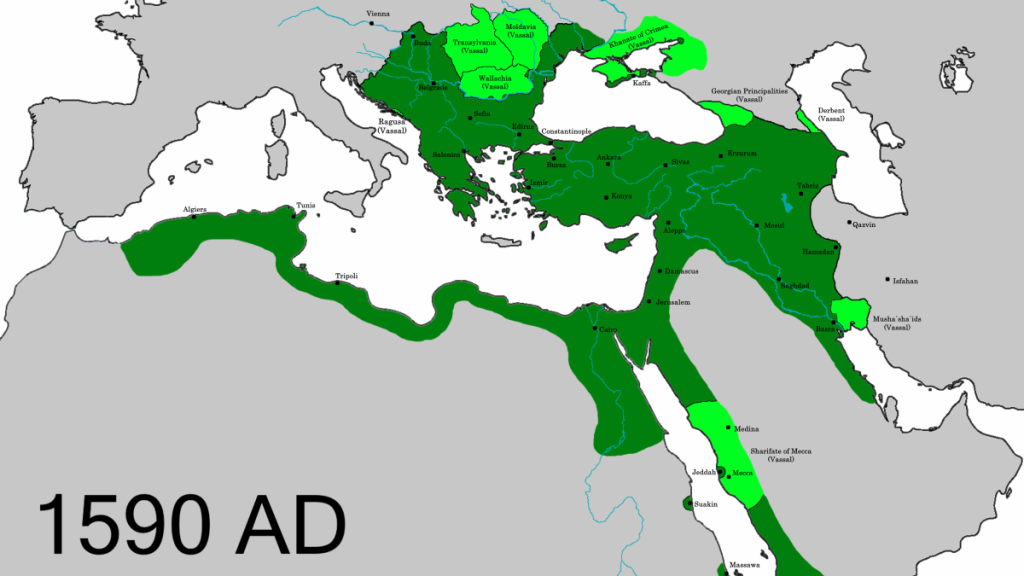
The Ottoman Empire began around 1299. It was founded by Osman I, a leader of Turkish tribes. The empire grew quickly by conquering nearby lands. It expanded across Southeast Europe, Western Asia, and North Africa.
The empire used strong armies and smart diplomacy. Its location helped control important trade routes. This growth made the Ottomans a major power in the region.
Golden Age And Peak Power
The empire reached its peak in the 16th century under Suleiman the Magnificent. This period is called the Golden Age. It was a time of great wealth, culture, and military strength.
The Ottomans built grand mosques, palaces, and schools. Their art and architecture flourished. The empire controlled key cities like Constantinople, Cairo, and Baghdad.
Its navy ruled the Mediterranean Sea. The empire’s laws and administration were highly organized. This made life stable for many people.
Decline And Dissolution
The empire’s decline began in the late 17th century. Military defeats and internal problems weakened it. Corruption and poor leadership added to the troubles.
European powers grew stronger and challenged Ottoman control. The empire lost many territories in wars. Attempts to modernize often failed.
World War I was the final blow. The empire sided with the losing Central Powers. After the war, the empire was broken up.
In 1924, the Ottoman Empire officially ended. The Republic of Turkey was established, marking a new era in the region.

Credit: uk.news.yahoo.com
Borders Transformed: From Empire To Nations
The Ottoman Empire once spanned three continents, controlling vast lands and diverse peoples. Its borders shaped politics, culture, and trade for centuries. After World War I, these borders changed drastically. The empire dissolved, giving rise to new nations. This transformation marked the end of an era and the birth of modern states.
Territorial Changes After Wwi
World War I weakened the Ottoman Empire significantly. Allied powers divided its lands through treaties and agreements. Large areas in the Middle East were lost. The empire’s European territories were either given to new states or occupied by foreign powers. The map of the region was redrawn completely, ending centuries of Ottoman rule.
Creation Of Modern Turkey
Turkey emerged from the ashes of the Ottoman Empire. Mustafa Kemal Atatürk led efforts to establish a new republic. The borders of modern Turkey were defined through wars and diplomacy. Istanbul remained a key city, but Ankara became the new capital. The country adopted Western laws and reforms, breaking with many Ottoman traditions.
New Nations From Ottoman Lands
Several new countries formed on former Ottoman soil. These nations included Iraq, Syria, Lebanon, Jordan, and Palestine. Each had distinct identities and challenges. Colonial powers influenced many of their borders and governments. The breakup of the empire created lasting effects in the Middle East’s political landscape.
Cultural Imprints Today
The Ottoman Empire may have fallen in the early 20th century, but its cultural imprints linger on. The Empire’s influence is still evident in various aspects of modern society. From architecture to cuisine, these imprints shape the cultures of many regions once under Ottoman rule.
Architecture And Art
Ottoman architecture is a blend of Islamic and Byzantine styles. Many cities boast majestic mosques and palaces from this era. The Blue Mosque in Istanbul is a prime example. Its intricate tiles and grand domes capture the eye. Art from the Ottoman period also continues to inspire. Miniature paintings and calligraphy remain popular in modern design.
Language Influences
The Ottoman Empire used a mix of languages. Turkish, Arabic, and Persian words blended, creating a rich linguistic tapestry. This blend influenced many languages spoken today. In the Balkans, you find Turkish words in daily vocabulary. In areas once under Ottoman control, language carries traces of this historical fusion.
Cuisine And Traditions
Ottoman cuisine is a delightful mix of flavors. It blends Middle Eastern, Mediterranean, and Balkan tastes. Dishes like kebabs, baklava, and dolmas are Ottoman legacies. These foods are enjoyed worldwide. Traditions from the Ottoman era also continue. Tea culture, hospitality, and traditional music thrive in regions influenced by the Empire.

Credit: www.reddit.com
Political And Legal Legacies
The Ottoman Empire may no longer exist, but its political and legal legacies remain strong. These legacies shaped the governance and laws of many modern nations. The empire’s influence still echoes in how some countries manage power and justice.
Impact On Modern Governance
The Ottoman Empire introduced a system that balanced local and central control. It allowed diverse groups to govern themselves under the empire’s rule. This model inspired modern governments to respect cultural and regional differences. Some countries use a similar approach to manage ethnic and religious diversity today.
The empire’s millet system gave religious communities some autonomy. It allowed them to follow their own laws in personal matters. This idea influences modern policies on minority rights and religious freedoms.
Legal Systems Inspired By Ottoman Law
Ottoman law mixed Islamic principles with local customs and royal decrees. This created a unique legal framework. Many modern Middle Eastern and Balkan countries base their laws on this system.
- Property rights and contracts follow Ottoman traditions.
- Criminal law blends religious and secular rules.
- Courts often respect customary and religious laws alongside state laws.
The empire’s legal legacy helped build complex legal systems that fit diverse societies. This legacy continues to shape justice and law enforcement in several nations.
Economic Footprints
The Ottoman Empire left a lasting mark on the economy of its region. Its economic footprints still influence trade and industry today. The empire connected continents and shaped commerce for centuries. Understanding these impacts helps us see how history affects modern economies.
Trade Routes And Commerce
The empire controlled key trade routes between Europe and Asia. These routes carried silk, spices, and precious metals. Ottoman cities became important trade hubs. Merchants from different cultures met and exchanged goods. This boosted economic growth and cultural exchange.
The empire’s control over the Mediterranean Sea ensured safe shipping lanes. Markets flourished in Istanbul, Cairo, and other cities. Goods moved efficiently across vast distances. This created wealth and stability in the region.
Agriculture And Industry
Agriculture formed the backbone of the Ottoman economy. Farmers grew wheat, barley, and cotton. Irrigation systems improved crop yields. The empire also supported livestock farming and fishing.
Crafts and manufacturing thrived in Ottoman towns. Textile production, pottery, and metalwork were common industries. Skilled artisans created goods for local use and export. This blend of agriculture and industry sustained economic strength.
Religious And Social Influence
The Ottoman Empire, though no longer existing as a political entity, left a lasting mark on religious and social life across its vast territories. Its legacy still influences many aspects of culture and community organization in regions that were once under its control. Understanding this influence helps you see how history shapes modern social and religious dynamics.
Religious Diversity And Tolerance
The Ottoman Empire was known for its unique approach to religious diversity. It governed a multi-faith population including Muslims, Christians, Jews, and others, allowing each group to practice their religion freely under a system called the millet.
This system gave religious communities a degree of self-rule, letting them manage their own laws and traditions. You might find it surprising how this model promoted coexistence rather than conflict, showing a practical way to handle diversity even today.
Think about how your own community handles religious differences. Could adopting a similar approach to tolerance and autonomy improve understanding and peace among different groups?
Social Structures And Communities
Social life in the Ottoman Empire was organized around strong community bonds and clear social roles. Families, guilds, and religious groups played central roles in daily life, providing support and identity to individuals.
The empire’s social structure also encouraged cooperation between different ethnic and religious groups, fostering a sense of shared responsibility. For example, marketplaces and public spaces often served as hubs where diverse communities interacted regularly.
Have you noticed how your own social environment shapes your interactions and opportunities? The Ottoman example shows how structured social networks can build resilience and mutual support in complex societies.
Modern References And Revival
The Ottoman Empire ended in the early 20th century, but its influence still appears today. Many people find the empire’s rich history fascinating. Its legacy lives on through different parts of culture and politics. This section explores how the Ottoman Empire is referenced today and why some want to revive its memory.
Popular Culture And Media
The Ottoman Empire appears in movies, TV shows, and books. Stories about sultans, battles, and palace life attract many viewers. These tales bring history to life with drama and adventure. Some video games also use Ottoman themes, sparking interest in younger audiences.
Tourist sites in Turkey and nearby countries highlight Ottoman architecture and art. Museums display artifacts that tell stories of past glory. This keeps the empire alive in modern minds.
Political Movements And Nostalgia
Some groups look back at the Ottoman Empire with pride. They see it as a time of unity and strength. These feelings inspire political ideas and cultural pride in parts of the Middle East and Turkey.
Calls for reviving Ottoman traditions appear in speeches and public events. People celebrate Ottoman music, clothing, and language styles. This nostalgia shapes identity and politics in some communities.

Credit: en.wikipedia.org
Frequently Asked Questions
Is The Ottoman Empire Still In Existence Today?
No, the Ottoman Empire officially ended in 1922. It was replaced by the Republic of Turkey in 1923, marking the empire’s dissolution.
When Did The Ottoman Empire Officially End?
The empire officially ended on November 1, 1922, when the Sultanate was abolished by the Turkish Grand National Assembly.
What Replaced The Ottoman Empire After Its Fall?
The Republic of Turkey replaced the Ottoman Empire, founded by Mustafa Kemal Atatürk in 1923 as a modern, secular nation-state.
Why Did The Ottoman Empire Collapse?
The empire collapsed due to internal strife, military defeats, and nationalist movements, alongside economic decline and World War I impacts.
Conclusion
The Ottoman Empire no longer exists today. It ended in the early 20th century. Its legacy still influences culture and history. Modern Turkey rose from its remains. Many people study the empire for its impact. The stories and lessons remain important.
History helps us understand our world better. The empire’s past is a window into change. It reminds us how nations evolve over time. The Ottoman Empire may be gone, but its mark stays alive.



