
When decorating your living room, you might wonder if your coffee table and end tables should match in shape. It’s a question that can feel small but makes a big impact on how your space looks and feels.
You want your room to feel balanced, inviting, and stylish—but should your tables mirror each other or stand out on their own? Keep reading, because the answer might surprise you and help you create a space that truly feels like yours.
Benefits Of Matching Shapes
Choosing matching shapes for your coffee table and end table brings many benefits. It creates a balanced look that feels calm and inviting. Matching shapes help your furniture pieces work well together. This makes the room feel complete and well thought out. Here are some key benefits of matching table shapes.
Creating Visual Harmony
Matching shapes create a smooth flow across the room. The eye moves easily from one table to another. This reduces visual clutter and confusion. Round tables paired with round tables soften the space. Square or rectangular shapes add structure and formality. Matching shapes bring a sense of order and peace.
Enhancing Room Cohesion
Tables that share shapes tie the room’s design together. They connect different parts of the space. This builds a unified style that feels intentional. Matching shapes support your room’s theme and color palette. The result is a more pleasing and comfortable environment. Cohesion makes your room feel larger and open.
Credit: www.castlery.com
When To Mix Table Shapes
Mixing shapes between your coffee table and end tables can refresh your room’s look without overwhelming it. The key is knowing when different shapes will enhance your space rather than clash. Understanding this balance can help you create a setup that feels both intentional and inviting.
Adding Visual Interest
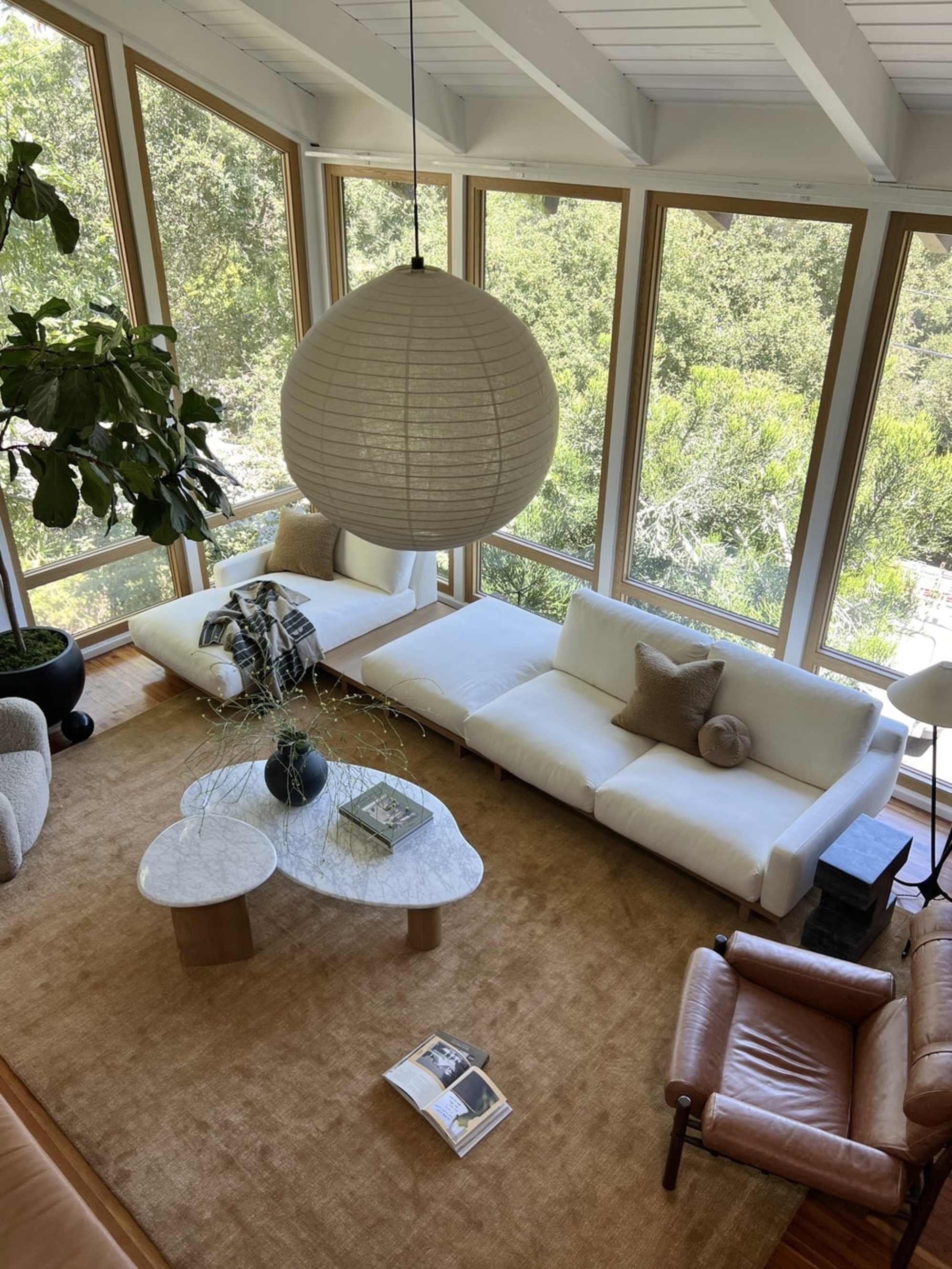
Using different shapes draws the eye around the room and creates a dynamic feel. A round coffee table paired with square end tables breaks up monotony and keeps things lively. Think about how contrasting shapes can highlight each piece’s design and texture.
For example, a glass oval coffee table with wooden rectangular end tables can create a nice contrast between soft curves and sharp lines. This contrast helps your space feel more layered and thoughtful. Are your tables currently blending in too much? Mixing shapes might give your room the spark it needs.
Balancing Function And Style
Shape affects how you use the tables as much as how they look. Round tables are great for tight spaces because they avoid sharp corners and encourage easy movement. Meanwhile, square or rectangular end tables can offer more surface area for lamps or decor.
Consider your daily routine: do you need extra space for drinks and books or a smooth flow for walking around? Mixing shapes allows you to tailor each table to a specific function without sacrificing style. What’s more important in your space—practical use or visual harmony? Often, mixing shapes helps you strike a perfect balance between both.
Popular Table Shapes
Matching shapes between coffee tables and end tables creates a balanced look. Mixing different shapes adds visual interest and can make a room feel more dynamic. Choose shapes that fit your space and style for the best effect.
Popular table shapes can significantly influence the aesthetic and functionality of your living space. Whether you’re redecorating or setting up a new home, choosing the right shape for your coffee and end tables is crucial. Each shape offers distinct advantages and fits different styles and room layouts.Round Tables
Round tables are a favorite for their soft edges and versatility. They work exceptionally well in smaller spaces, allowing for easy movement around them. Picture your living room; a round coffee table can create a cozy, intimate setting, perfect for conversations. They also pair beautifully with sectional sofas, breaking the monotony of straight lines. If you have young children, round tables are a safe choice, minimizing sharp corners and potential injuries. Do you prefer a harmonious and inviting atmosphere in your living room?Square And Rectangular Tables
Square and rectangular tables are classics that never go out of style. They provide ample surface area, making them ideal for larger living rooms. Imagine hosting a game night; a rectangular coffee table can accommodate board games, snacks, and drinks effortlessly. These shapes are perfect for aligning with other furniture pieces, such as sofas and TV stands, creating a cohesive look. If you enjoy symmetry and order in your decor, square or rectangular tables might be your go-to.Oval And Irregular Shapes
Oval and irregular-shaped tables offer a unique twist to traditional table designs. They are ideal for those who like to experiment with unconventional styles. An oval table can soften the rigid lines of a rectangular room, offering a refreshing contrast. Irregular shapes can serve as conversation starters, drawing attention and sparking interest. Picture a living space that reflects your adventurous spirit. Do you dare to step outside the box with your furniture choices? Choosing the right table shape is not just about aesthetics; it’s about complementing your lifestyle and enhancing your home’s functionality. Which shape speaks to you?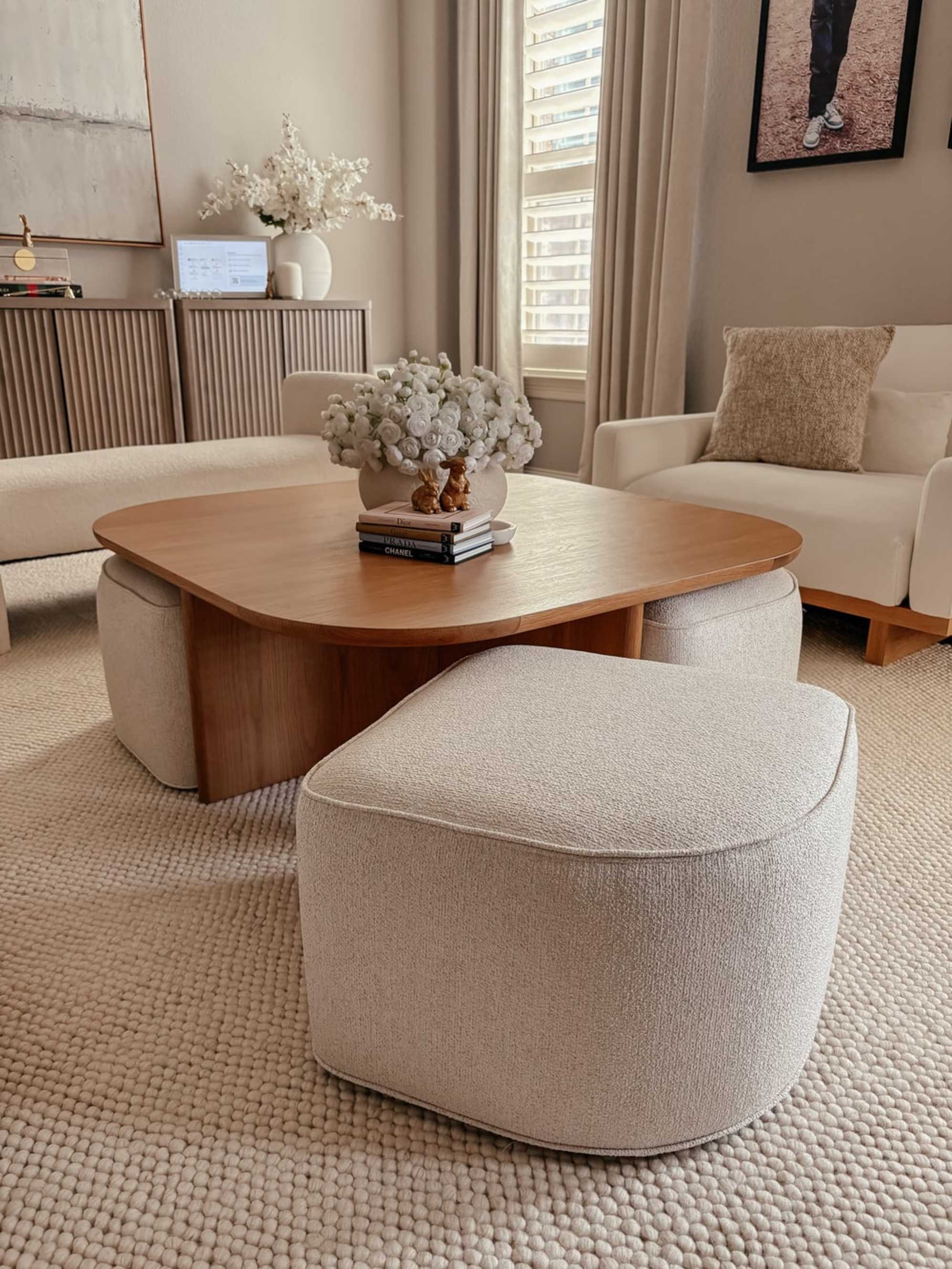
Credit: www.castlery.com
Material And Texture Considerations
Choosing the right material and texture for your coffee table and end table can dramatically affect the feel of your living space. It’s not just about matching shapes but creating a cohesive look that complements your decor. Think about how different materials interact with light and touch to shape the room’s mood.
Wood Finishes
Wood tables bring warmth and character to any room. You might prefer a rich mahogany or a light oak finish, depending on your style.
Mixing different wood finishes can work well if you balance their tones. For instance, pairing a dark walnut coffee table with lighter ash end tables can add depth without clashing.
Consider the texture too—smooth, glossy finishes feel modern, while distressed or matte surfaces add a rustic charm. Have you noticed how a rough wood grain invites you to touch and feel the natural beauty?
Metal And Glass Options
Metal and glass tables offer a sleek, contemporary vibe that feels open and airy. A metal frame with a glass top on your coffee table can coordinate beautifully with a metal end table in a different shape.
Textures vary here as well—brushed metal creates a softer look than shiny chrome, and frosted glass feels subtler than clear glass. Mixing these textures adds interest without overwhelming the space.
Think about how light reflects off these materials. Do you want your tables to catch the light and brighten the room, or blend in more quietly? Your choice will influence the overall atmosphere significantly.
Color Coordination Tips
Color coordination between your coffee table and end tables can shape the entire feel of your living space. It’s not just about matching everything perfectly but about creating a balance that feels right to you. Understanding how colors work together will help you decide whether your tables should match exactly or complement each other through contrast.
Matching Vs. Contrasting Colors
Matching colors can make your space look cohesive and polished. If you choose the same wood tone or paint color for both tables, it creates a seamless flow that’s easy on the eyes. This approach works well in minimalist or modern rooms where simplicity is key.
On the other hand, contrasting colors add visual interest and personality. Imagine a dark walnut coffee table paired with bright white end tables—it creates a dynamic vibe that can energize the room. Think about your existing decor and whether you want your tables to blend in or stand out.
Using Accent Colors
Accent colors are your secret weapon for tying tables together without making them identical. Pick a color from your cushions, rugs, or artwork and use it on one of the tables as a painted surface or decorative element. This subtle connection makes the space feel thoughtful and intentional.
Don’t be afraid to experiment with bold hues. A vibrant blue end table next to a neutral coffee table can become a conversation starter. What accent colors already excite you in your room? Use those to guide your table choices and bring harmony with a splash of creativity.
Layout And Space Planning
Layout and space planning plays a key role in deciding if coffee table and end table shapes should match. Thoughtful arrangement creates a balanced and functional living area. It helps maximize space and keeps the room inviting.
Optimizing Table Placement
Place the coffee table within easy reach of seating. It should be centered for convenience and style. End tables work best beside chairs or sofas. They provide a spot for lamps, drinks, or books.
Keep these tips in mind:
- Leave 18 inches between the sofa and coffee table.
- Position end tables at arm height for comfort.
- Use tables that suit the room’s shape and size.
Ensuring Comfortable Flow
Clear paths around tables help prevent crowding and accidents. Avoid blocking walkways or doorways with large furniture. Space allows for easy movement and a relaxed feel.
Try these ideas:
- Maintain at least 24 inches of walking space around tables.
- Choose shapes that fit the room’s flow, like round tables in tight spaces.
- Mix shapes carefully to keep balance without clutter.
Styling With Accessories
Styling with accessories brings life to both coffee tables and end tables. Accessories help create harmony or contrast, enhancing the overall room design. The right pieces give personality and function, making the space inviting and complete.
Balancing Decor Items
Balance is key when placing decor on tables. Use items of different heights to create visual interest. For example, a tall vase pairs well with a low tray or stack of books. Keep similar colors or materials to tie the look together. Avoid overcrowding; leave some empty space for a clean feel.
Layering Textures And Patterns
Mixing textures adds depth to the table styling. Combine smooth surfaces like glass with rougher items like woven baskets. Patterns on coasters or small fabric pieces can add a subtle pop. This variety keeps the look engaging without clashing. Layering also helps unify tables, even if their shapes differ.

Credit: www.castlery.com
Frequently Asked Questions
Should Coffee And End Tables Always Match In Shape?
No, coffee and end tables don’t have to match in shape. Mixing shapes adds visual interest and personality to a room. Coordinating styles or materials can unify different shapes, creating a balanced and appealing space.
What Are The Benefits Of Matching Table Shapes?
Matching table shapes create a cohesive and harmonious look. They simplify decorating decisions and make the room feel organized. This consistency can enhance a minimalist or modern design style effectively.
Can Mismatched Table Shapes Still Look Stylish?
Yes, mismatched table shapes can look stylish when balanced well. Use complementary colors, materials, or finishes to create unity. This approach adds depth and character to your living space without feeling chaotic.
How To Choose Table Shapes For Small Spaces?
Choose smaller, versatile shapes like round or oval tables for small spaces. These shapes maximize flow and reduce sharp edges, making rooms feel more open and comfortable. Consider nesting or multifunctional tables for added practicality.
Conclusion
Matching coffee and end table shapes can create a neat look. Yet, mixing shapes adds charm and interest to a room. Choose what fits your style and space best. Balance and harmony matter more than exact matching. Trust your eye and enjoy decorating your home.
Tables don’t have to match perfectly to look good. Play with shapes, colors, and sizes for a cozy feel. Your room should feel inviting and reflect your taste. In the end, comfort and style go hand in hand.



