
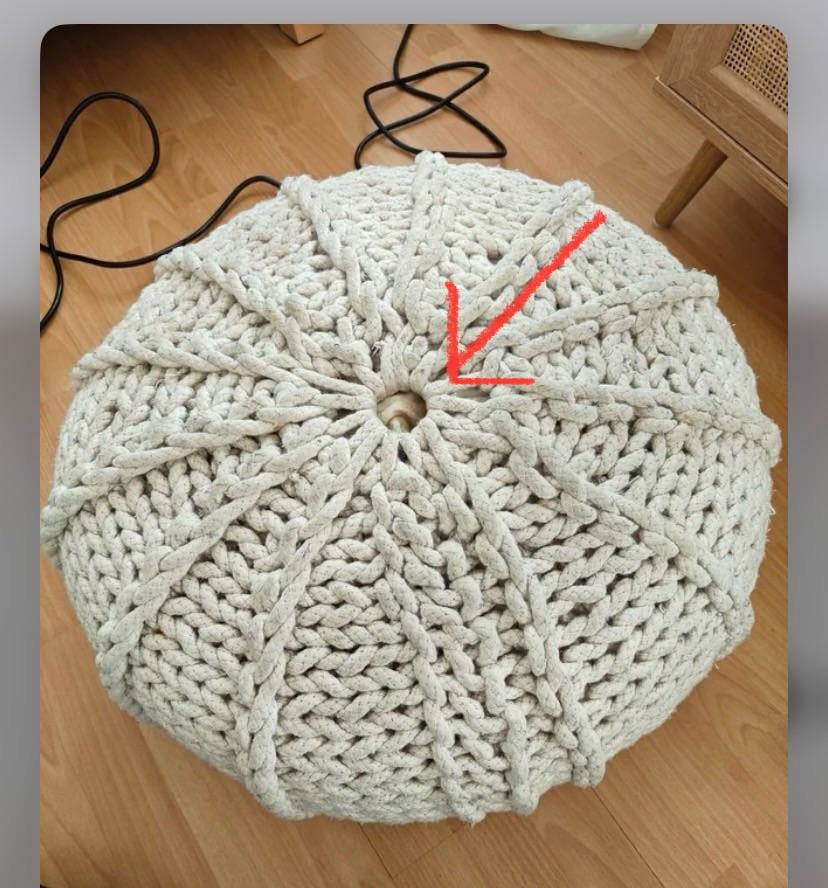
You just bought a pouf, and it looks perfect in your space. But a question pops into your mind: should you wash it before using it?
It might seem like an extra hassle, but what if skipping this step affects your health or the pouf’s lifespan? You’ll want to know the right move to keep your home fresh and your pouf looking great. Keep reading to discover why washing your new pouf could be one of the smartest things you do—and how to do it right.

Credit: www.amazon.ca
Why Clean A New Pouf
Wondering if you should clean your new pouf right after buying it? The answer is yes, and here’s why. A new pouf might look fresh, but it often carries unseen residues and dust from its journey to your home.
Factory Residue And Chemicals
New poufs often come straight from factories where chemicals are used during manufacturing. These can include dyes, adhesives, and protective coatings. Washing your pouf helps remove these substances, reducing potential skin irritation or unpleasant odors.
I once skipped washing a new pouf and noticed a strange smell that lingered for days. After a quick clean, the odor disappeared, making the pouf much more comfortable to use.
Transport And Storage Dust
Before reaching your home, poufs spend time in warehouses and trucks where dust settles on them. This dust isn’t just dirt—it can contain tiny particles that irritate your skin or respiratory system. Cleaning your pouf removes this buildup, giving you a fresher product.
Think about how often packages collect dust during shipping. Your pouf is no different, and a simple wash can make a noticeable difference in freshness.
Allergen Removal
Allergens like pollen or pet dander can cling to your new pouf during production and transit. If you’re sensitive or prone to allergies, this can cause sneezing, itching, or discomfort. Washing your pouf helps eliminate these allergens, creating a safer space for you and your family.
Have you ever brought home a new item only to find it triggers allergies? A quick cleaning step can prevent that problem before it starts.
Materials And Cleaning Methods
Poufs come in many materials, each needing different care. Knowing the fabric helps choose the right cleaning method. Washing a pouf without knowing its material can damage it. Here’s a guide to common pouf materials and how to clean them safely.
Fabric Poufs
Fabric poufs are soft and cozy but can stain easily. Use a vacuum or a lint roller to remove dust and dirt. Spot clean with mild soap and warm water. Dab gently; do not rub hard. Avoid soaking the fabric to prevent shrinking or color fading. Check the care label for machine wash instructions, if available.
Leather Poufs
Leather poufs need special care to stay smooth and strong. Wipe them with a damp cloth to remove dust. Use leather cleaner or conditioner to keep the material soft. Avoid using harsh chemicals or too much water. Keep leather poufs away from direct sunlight to prevent cracking and fading.
Synthetic Poufs
Synthetic poufs are usually water-resistant and easy to clean. Use a mild detergent mixed with water for spot cleaning. Wipe with a soft cloth and air dry. Avoid bleach or strong chemicals, which can damage the fabric. Some synthetic poufs come with removable covers for easier washing.
Step-by-step Cleaning Guide
Keeping your pouf clean is essential for hygiene and longevity. Whether it’s a new purchase or a beloved staple in your home, a thorough cleaning can ensure it remains fresh and inviting. Let’s dive into an easy step-by-step cleaning guide that will have your pouf looking pristine in no time.
Initial Inspection
Begin by examining your pouf closely. Look for any tags or labels that provide cleaning instructions. Check for visible stains, dirt, or any loose threads. This helps you decide the cleaning method needed.
Spot Cleaning Techniques
For small stains, use a mild detergent mixed with water. Dip a cloth into the solution and gently blot the stain. Avoid rubbing as it may spread the stain. Rinse with a damp cloth to remove soap residue.
Deep Cleaning Options
If your pouf is very dirty, consider a deep clean. Remove any covers if possible and wash them according to care instructions. For non-removable covers, use a steam cleaner to refresh the fabric. Ensure the pouf is completely dry before use.

Credit: www.amazon.ca
Maintenance Tips For Longevity
Maintaining your pouf well ensures it stays fresh and lasts longer. Simple care routines keep it looking great and feeling comfortable. Small daily efforts prevent damage and preserve the fabric’s quality. Focus on dust removal, protection, and stain prevention for best results.
Regular Dusting
Dust collects on the pouf’s surface quickly. Use a soft brush or vacuum with a brush attachment. Gently remove dust at least once a week. This prevents dirt buildup and keeps the fabric clean. Regular dusting reduces wear and tear over time.
Protective Covers
Protective covers shield your pouf from spills and dirt. Choose covers that fit well and are easy to remove. Wash covers regularly to keep them fresh. Covers extend the life of the pouf by reducing direct contact with stains and sun damage.
Avoiding Stains
Stains are the biggest threat to pouf fabric. Avoid eating or drinking near the pouf. Clean spills immediately with a clean cloth. Use mild soap and water for spot cleaning. Early action prevents stains from setting and keeps your pouf looking new.
When To Seek Professional Cleaning
Knowing when to seek professional cleaning for your pouf can save it from damage. Some cleaning challenges require expert care to maintain the pouf’s look and feel. Professional cleaners have tools and solutions that work safely and effectively.
Professional cleaning is best for tough problems or delicate fabrics. It helps keep your pouf fresh without risking harm.
Stubborn Stains
Stains that do not come out with home cleaning need expert help. Professionals use special products and techniques to remove deep or old stains. This prevents permanent marks and keeps the pouf looking good.
Delicate Materials
Some poufs are made from delicate fabrics or have special finishes. These need gentle cleaning to avoid damage or color loss. Experts know how to handle such materials safely and preserve their quality.
Allergy Concerns
Professional cleaning removes dust mites, allergens, and bacteria better than regular washing. This is important for people with allergies or sensitive skin. A deep clean improves air quality and comfort around your pouf.

Credit: odelebeauty.com
Frequently Asked Questions
Should I Wash My Pouf Before Using It?
Yes, washing your pouf before use removes factory dust and chemicals. It ensures cleanliness and freshness, making it safer for your home.
How Often Should I Clean My Pouf?
Clean your pouf every 3 to 6 months or as needed. Regular cleaning maintains its appearance and prevents dust buildup and odors.
What Is The Best Way To Wash A Pouf?
Check the care label first. Most poufs can be spot cleaned or hand washed with mild detergent. Avoid harsh chemicals to protect the fabric.
Can Washing Damage My Pouf?
Improper washing can damage your pouf’s fabric or shape. Always follow the manufacturer’s instructions to avoid shrinking, color fading, or structural issues.
Conclusion
Washing your pouf after buying helps keep it fresh and clean. Dust and dirt can hide inside new poufs. A quick wash removes any unwanted smells or residues. Always check care labels before washing to avoid damage. Cleaning also helps your pouf last longer.
Simple care makes your home feel nicer. So, take a little time to wash your pouf. It’s worth the effort for comfort and cleanliness. Clean poufs make your space more inviting and cozy.



