
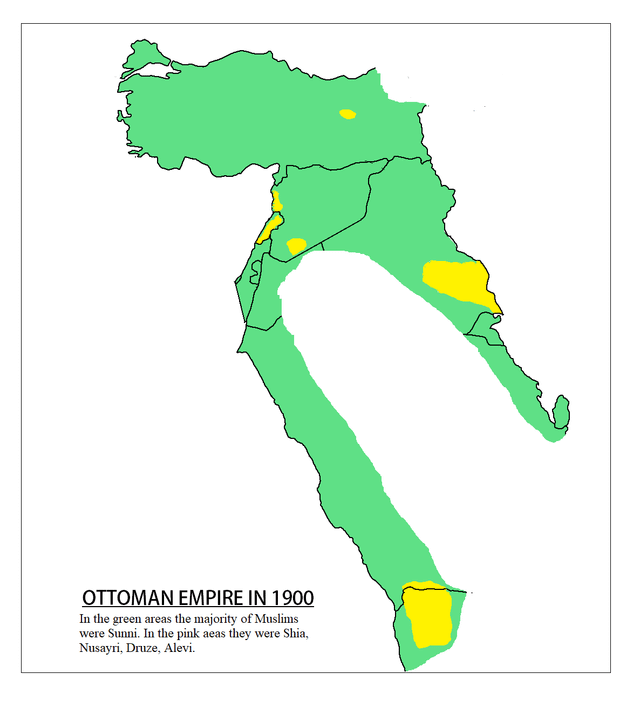
Have you ever wondered about the religious identity of the Ottoman Empire? Was it Sunni or Shia?
Understanding this can change the way you see a huge part of history. The Ottoman Empire shaped much of the Middle East and beyond for centuries. Knowing whether it followed Sunni or Shia Islam helps you grasp its politics, culture, and conflicts better.
Keep reading, and you’ll discover surprising facts that might challenge what you thought you knew. This is more than history—it’s about understanding the roots of today’s world.
Origins Of The Ottoman Empire
The Ottoman Empire began as a small principality in the late 13th century. It rose from the ashes of the Seljuk Sultanate and Byzantine Empire. The empire’s foundation is tied to the leadership of Osman I, a tribal leader in Anatolia. Over time, this modest group grew into a powerful empire that spanned three continents.
The origins of the Ottoman Empire are crucial to understanding its religious identity. Its early years shaped the empire’s culture, politics, and faith traditions. The religious landscape during this period was diverse and complex, influencing the empire’s Sunni Islamic character.
Founding And Early Expansion
Osman I founded the Ottoman state around 1299. His leadership united several Turkic tribes in northwest Anatolia. The Ottomans captured key Byzantine towns, expanding their territory steadily. Early conquests allowed the Ottomans to gain resources and loyal followers.
The Ottomans used military skill and alliances to grow. They integrated different peoples and religions under their rule. This strategy helped them build a strong, lasting state in a turbulent region.
Religious Landscape In Anatolia
Anatolia was home to diverse religious groups. Sunni Islam was the dominant faith among Turks in the region. Shia communities also existed but were smaller and less politically powerful.
The Seljuk Turks, predecessors to the Ottomans, promoted Sunni Islam. The Ottoman rulers continued this tradition. They supported Sunni institutions and scholars to strengthen their rule.
Religious identity helped the Ottomans unite their subjects. It also distinguished them from rival powers like the Shia Safavid Empire. This religious landscape shaped the empire’s Sunni orientation from the start.
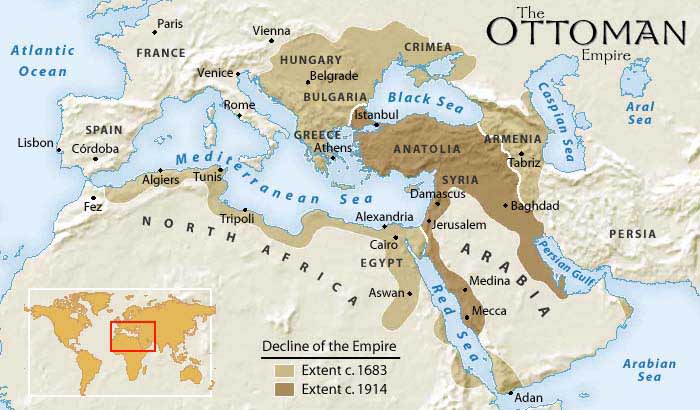
Credit: owlcation.com
Sunni Islam In The Ottoman Empire
The Ottoman Empire firmly identified with Sunni Islam, shaping its religious, political, and social structures. This alignment influenced the empire’s governance and legal systems for centuries. Understanding how Sunni Islam was practiced and institutionalized reveals much about the empire’s identity and legacy.
Adoption Of Sunni Orthodoxy
The Ottomans embraced Sunni orthodoxy early in their rise to power. They positioned themselves as defenders of Sunni Islam against rival sects, particularly the Shia Safavids. This choice helped unify their diverse subjects under a single religious framework, strengthening their rule.
Have you ever wondered how a state’s religious stance can affect its political alliances? The Ottoman commitment to Sunni Islam shaped their foreign and domestic policies in significant ways.
Role Of The Hanafi School
The Hanafi school of Islamic law became the official legal framework of the Ottoman Empire. Known for its flexibility, it allowed the Ottomans to govern a vast and culturally varied population effectively. The empire’s reliance on Hanafi jurisprudence helped maintain legal consistency across its territories.
Think about how law impacts daily life. For Ottoman citizens, the Hanafi school influenced everything from trade to family matters, making it a practical choice for governance.
State Religious Institutions
The Ottoman state established powerful religious institutions to support Sunni Islam. The role of the Sheikh-ul-Islam, the highest religious authority, was to ensure that religious and legal matters aligned with Sunni teachings. This position gave the state control over religious life and helped manage religious scholars and courts.
In addition, institutions like madrasas educated future religious and political leaders, embedding Sunni values deeply into Ottoman society. These structures show how religion and governance were inseparable in the empire.
Shia Influence And Presence
The Ottoman Empire was mainly Sunni, but Shia communities existed within its borders. Shia influence was limited and often politically sensitive. The empire focused on Sunni Islam as its official faith.
The Ottoman Empire, known for its vast expanse and diversity, predominantly embraced Sunni Islam. However, Shia influence and presence were significant aspects of its religious landscape. The Shia communities within the empire, their relations with Shia powers, and the sectarian challenges they faced offer a fascinating glimpse into the empire’s complex religious dynamics.Shia Communities Within The Empire
The Ottoman Empire was home to a variety of Shia communities, including Twelvers, Ismailis, and Alevis. These groups were primarily concentrated in regions like modern-day Iraq, Iran, and parts of Anatolia. Despite being a Sunni-majority empire, the Ottomans allowed these communities a degree of religious freedom, although they were often viewed with suspicion. You might wonder how these Shia groups maintained their identity amidst Sunni dominance. It was through strong community bonds and religious practices that they preserved their beliefs and customs. Local leaders played a crucial role in safeguarding their cultural and religious heritage.Relations With Shia Powers
The Ottoman Empire’s relationship with Shia powers, particularly the Safavid Empire, was often tense. The Safavids, who ruled Persia, were staunchly Shia and posed a significant political and religious challenge to the Ottomans. This rivalry was not just about territorial control but also about religious legitimacy. Despite conflicts, there were periods of relative peace and cooperation. Trade and diplomacy sometimes transcended sectarian differences, reflecting the pragmatism of both empires. Have you ever considered how these historical relationships impact modern geopolitics in the Middle East?Sectarian Challenges And Conflicts
Sectarian tensions were a persistent challenge in the Ottoman Empire. The Ottomans often had to navigate the delicate balance between maintaining Sunni orthodoxy and managing Shia dissent. This was particularly challenging in regions with significant Shia populations. Conflicts occasionally erupted, leading to uprisings and rebellions. The empire’s approach to these challenges varied, ranging from military interventions to diplomatic negotiations. It’s intriguing to think about the parallels between these historical sectarian issues and contemporary conflicts in the region. Understanding the Shia influence and presence in the Ottoman Empire sheds light on the complexities of religious coexistence. It invites reflection on the ways in which history shapes current religious and political landscapes.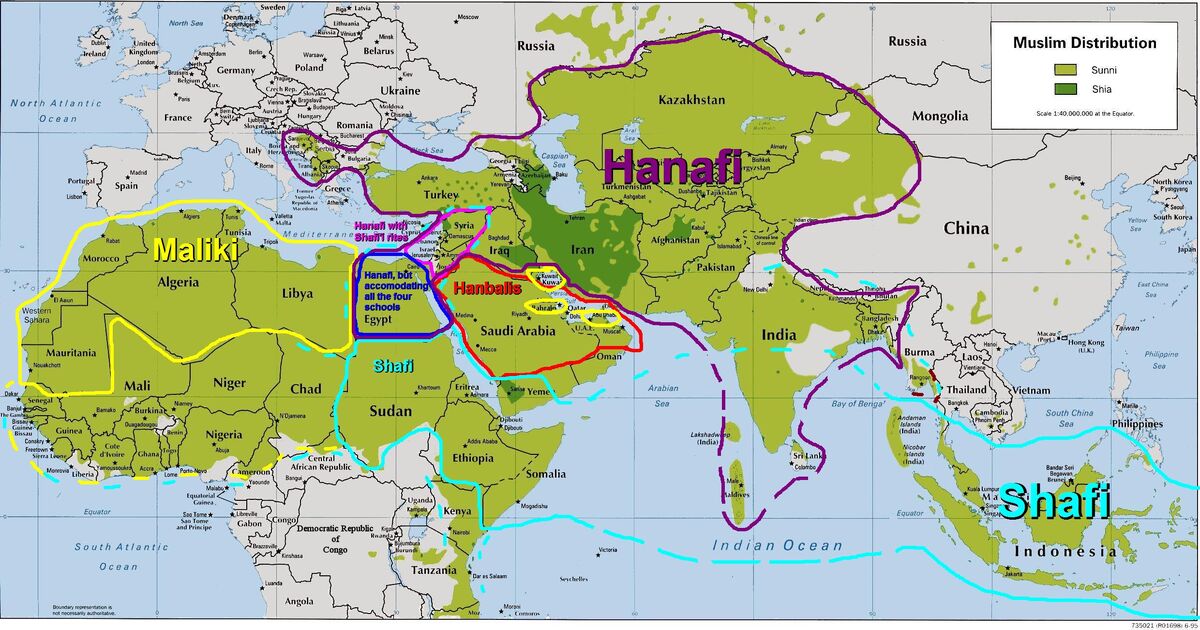
Credit: islam.fandom.com
Ottoman-safavid Rivalry
The Ottoman-Safavid rivalry was more than just a battle for territory; it was a clash of two powerful empires with deep religious differences. The Ottoman Empire was predominantly Sunni Muslim, while the Safavid Empire established Shia Islam as the state religion. This rivalry shaped not only the political landscape of the Middle East but also influenced religious policies that affected millions.
Religious And Political Dimensions
The conflict between the Ottomans and Safavids was fueled by their religious identities. The Ottomans followed Sunni Islam, which was the majority sect in their empire, while the Safavids promoted Shia Islam. This religious divide intensified political tensions, turning border disputes into ideological wars.
Both empires used religion to legitimize their rule and rally support. The Ottomans positioned themselves as protectors of Sunni Islam, while the Safavids sought to spread Shia beliefs. This rivalry made religion a weapon in their political arsenal.
Impact On Ottoman Shia Policies
Because of the threat posed by the Safavids, the Ottomans often viewed their own Shia subjects with suspicion. You might be surprised to learn that many Shia communities within the Ottoman Empire faced discrimination and persecution. The Ottomans feared that these groups could act as internal allies to the Safavids.
This led to strict policies against Shia Muslims, including forced conversions and restrictions on Shia religious practices. Understanding this helps explain why Ottoman Shia populations remained relatively small and marginalized. It also shows how political rivalry can directly shape religious tolerance within an empire.
Religious Policy And Governance
The Ottoman Empire’s religious policy and governance were shaped by its Sunni Islamic identity, yet it managed a vast and diverse population with various religious backgrounds. This balance between faith and administration affected how the empire treated different religious groups and maintained order. Understanding these policies reveals much about the empire’s longevity and its approach to governance.
Treatment Of Religious Minorities
The Ottoman Empire recognized multiple religious communities, including Christians, Jews, and various Muslim sects. Instead of forcing conversion, it allowed these groups to practice their faiths under a system called millet.
Each millet had its own legal authority and leaders who handled community affairs. This autonomy helped reduce conflicts and gave minorities a sense of protection within the empire.
Have you ever wondered how an empire with such diversity avoided constant religious wars? The millet system was a practical answer to this challenge.
Religious Tolerance And Administration
The empire’s Sunni rulers implemented policies that promoted Sunni Islam as the state religion but tolerated other faiths to maintain social stability. Religious leaders played a key role in governance, but they also needed to respect the rights of non-Sunni communities.
Officials often appointed local leaders from minority groups to manage day-to-day matters, ensuring smoother administration. This decentralized approach made governance more efficient and less confrontational.
Could your own workplace benefit from giving more autonomy to diverse teams? The Ottoman example suggests that respecting differences can improve overall harmony and productivity.

Credit: grantpiperwriting.medium.com
Legacy Of Ottoman Religious Identity
The legacy of the Ottoman Empire’s religious identity is a powerful force that still shapes many aspects of the Muslim world today. As a predominantly Sunni empire, the Ottomans not only ruled vast territories but also influenced religious thought, governance, and cultural practices. Understanding this legacy helps you see how historical religious affiliations affect modern societies and their interactions.
Influence On Modern Muslim Societies
The Ottoman Empire’s Sunni identity left a lasting imprint on the legal and educational systems of many Muslim countries. You can trace current Islamic institutions back to Ottoman models, especially their use of Sharia law combined with state authority.
Many Muslim-majority nations adopted Ottoman-style religious leadership structures, including the role of the Shaykh al-Islam, which set standards for interpreting Islamic law. This created a framework that still influences how religious authority is viewed and exercised today.
Think about how some modern conflicts or alliances within the Muslim world revolve around Sunni-Shia dynamics. The Ottoman legacy helps explain why Sunni traditions remain dominant in many regions, shaping political and social relationships.
Continuing Sunni Dominance
The Ottoman Empire reinforced Sunni Islam as the official state religion, which contributed to the marginalization of Shia communities within its borders. This pattern of Sunni dominance continued even after the empire’s fall, affecting minority rights and sectarian relations.
Today, countries that were once part of the Ottoman realm often reflect this Sunni majority, influencing everything from government policies to religious education. You might notice that Sunni interpretations of Islam are more prevalent in these regions, sometimes leading to tensions with Shia minorities.
Ask yourself how this historical Sunni dominance impacts your understanding of current events in the Middle East. Recognizing the Ottoman role in shaping religious identities can provide deeper insight into ongoing sectarian issues and how they might be addressed.
Frequently Asked Questions
Was The Ottoman Empire Sunni Or Shia?
The Ottoman Empire was predominantly Sunni Muslim. It followed the Hanafi school of Sunni Islamic law. Shia Islam was present but not the state’s official sect.
How Did Sunni Islam Shape The Ottoman Empire?
Sunni Islam influenced the empire’s legal system, governance, and culture. The sultans supported Sunni scholars and religious institutions, reinforcing Sunni dominance.
Did The Ottoman Empire Tolerate Shia Muslims?
The empire generally tolerated Shia Muslims but viewed them with suspicion. Shia communities existed, especially in eastern provinces, but faced occasional restrictions.
What Role Did Religion Play In Ottoman Politics?
Religion legitimized the sultan’s rule as Caliph of Sunni Islam. Religious leaders advised the state and helped enforce Islamic law across the empire.
Conclusion
The Ottoman Empire was mainly Sunni Muslim. It followed the Sunni branch of Islam closely. This shaped its laws and culture deeply. The empire influenced many regions through its Sunni beliefs. Shia Islam was present but less common there. Understanding this helps explain the empire’s history better.
The Sunni faith guided the rulers and people alike. This faith connection lasted for centuries until the empire ended. Knowing this fact clears up many questions about the empire’s identity. Simple and clear: the Ottomans were Sunni Muslims.



