

Are you planning to transform your walls with stunning 3D wall panels but unsure which adhesive to choose? Picking the right glue is crucial—it affects how well your panels stick, how long they last, and how your walls look in the end.
Using the wrong adhesive can lead to frustration, wasted time, and even damage to your walls. You’ll discover the best adhesives for different types of 3D wall panels, tips to make installation easier, and how to avoid common mistakes. Keep reading to make sure your wall makeover turns out perfect every time.
Types Of Adhesives For 3d Wall Panels
Choosing the right adhesive for 3D wall panels can make or break your project. Different adhesives offer various bonding strengths, drying times, and ease of use. Understanding the options available helps you pick an adhesive that suits your wall material and panel type perfectly.
Construction Adhesives
Construction adhesives are a popular choice for 3D wall panels due to their strong bonding capabilities. They work well on surfaces like drywall, concrete, and wood. If you want a durable hold that withstands heavy panels, this adhesive is a reliable option.
These adhesives usually come in tubes and require a caulking gun for application. They dry relatively fast but give you enough time to adjust the panel placement. Many brands offer weather-resistant formulas, making them suitable for indoor and outdoor use.
Silicone Adhesives
Silicone adhesives provide flexibility and water resistance, which is great for panels in humid areas like bathrooms or kitchens. They create a waterproof seal that prevents moisture from damaging the adhesive bond. Plus, silicone remains slightly flexible after curing, allowing for minor wall movements without cracking.
Applying silicone is simple using a caulking gun, and it sticks well to glass, metal, and ceramic tiles. However, it might not be the best choice for heavy or large 3D panels. Consider silicone if you want a neat, clean finish with some give in the bond.
Epoxy Adhesives
Epoxy adhesives are among the strongest bonding agents for 3D wall panels. They cure into a hard, solid bond that resists heat, chemicals, and moisture. If your panels are exposed to harsh conditions or need maximum stability, epoxy is a top contender.
Keep in mind that epoxy usually comes in two parts that must be mixed before use. This requires careful measurement and quick application before it sets. Epoxy’s strength is unmatched, but it demands precision and some experience to work with effectively.
Spray Adhesives
Spray adhesives offer a quick and easy way to attach lightweight 3D wall panels. They provide an even coat of adhesive, which helps avoid lumps or uneven surfaces. This option is perfect for small projects or temporary installations.
You simply spray the adhesive on the back of the panel and the wall, then press them together firmly. While spray adhesives dry fast, they usually don’t provide as strong a bond as liquid adhesives. Use spray adhesives when speed and convenience matter more than heavy-duty holding power.

Credit: www.amazon.co.uk
Factors Influencing Adhesive Choice
Choosing the right adhesive for 3D wall panels depends on several important factors. Each element affects how well the panels stick and last over time. Understanding these factors helps select an adhesive that fits the project perfectly. This ensures strong bonding and a clean finish.
Wall Material Compatibility
The type of wall surface is key. Different walls need different adhesives for a firm hold. For example, concrete, drywall, and wood all react differently to glue. Some adhesives work better on porous surfaces, while others suit smooth or painted walls. Checking the wall material ensures the adhesive will grip tightly.
Panel Material Types
3D wall panels come in many materials like PVC, MDF, or gypsum. Each material has unique properties affecting glue choice. Lightweight panels need lighter adhesives. Heavy or dense panels require stronger bonding agents. Some adhesives bond plastic better, while others suit wood or foam panels. Matching adhesive to panel type prevents peeling.
Environmental Conditions
Temperature and humidity impact adhesive performance. High moisture areas need water-resistant glue. Hot or cold conditions require adhesives that stay flexible and strong. Indoor panels differ from outdoor ones in adhesive needs. Choosing glue that handles the environment keeps panels secure longer.
Weight And Size Of Panels
Heavier and larger panels demand stronger adhesives for safe installation. Lightweight, small panels can use standard glue. Overloading weak adhesives risks panels falling off. Consider both weight and size to pick an adhesive that supports the panel fully. This avoids damage and extra repairs.
Surface Preparation Tips
Choosing the right adhesive ensures 3D wall panels stick firmly and last longer. Clean, dry surfaces help the glue bond better. Use strong, flexible adhesives designed for wall materials to avoid peeling or damage.
Surface preparation is crucial for installing 3D wall panels. A well-prepared surface ensures the adhesive bonds effectively. It also extends the lifespan of your wall panels. Here are some essential tips to prepare your wall surface properly.Cleaning The Wall Surface
Start with a clean wall. Dirt and grease can affect adhesive performance. Use a mild detergent and water. Scrub the wall gently, especially in greasy areas. Rinse thoroughly and let it dry.Priming And Sealing
Apply a primer to the wall. This improves adhesive grip. Choose a primer compatible with your wall material. Sealing the wall can prevent moisture problems. It also creates a smoother finish.Ensuring Dryness And Smoothness
Ensure the wall is completely dry before applying adhesive. Moisture can weaken the bond. Sand any rough spots to achieve smoothness. A smooth surface ensures even adhesive application. This prevents panel warping or misalignment.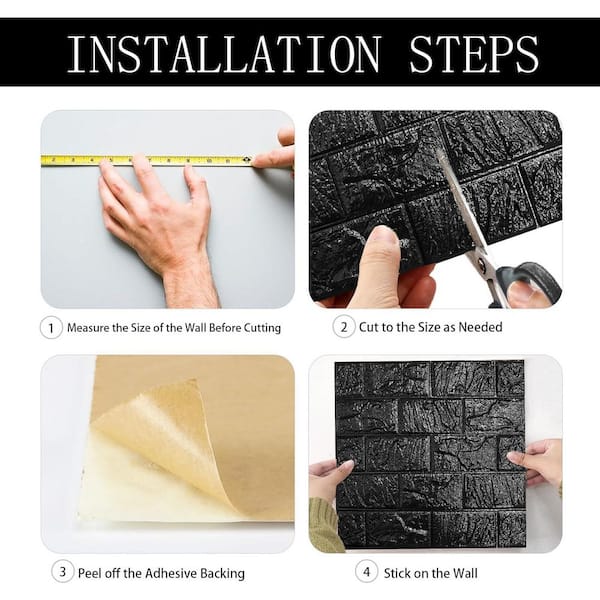
Credit: www.homedepot.com
Step-by-step Adhesive Application
Applying adhesive to 3D wall panels requires care and precision. This ensures the panels stay in place and look great. Following a clear process helps avoid mistakes and saves time. Each stage matters, from measuring to pressing and curing. Understanding these steps makes installation easier and more effective.
Measuring And Cutting Panels
Measure the wall space where panels will go. Use a tape measure for accuracy. Mark the panels with a pencil before cutting. Cut panels with a sharp utility knife or saw. Always cut slowly to keep edges clean. Double-check measurements to avoid waste.
Applying Adhesive Correctly
Choose the right adhesive for your panel material. Spread adhesive evenly on the back of each panel. Use a notched trowel for consistent coverage. Avoid applying too much adhesive; it may squeeze out. Cover edges and corners well to prevent gaps.
Positioning And Pressing Panels
Place the panel gently on the wall in the correct spot. Press firmly from the center outward to secure it. Use a level to keep panels straight and aligned. Adjust quickly before the adhesive sets. Use painter’s tape to hold panels if needed while drying.
Curing Time And Safety Precautions
Let adhesive cure fully as per product instructions. Avoid touching or moving panels during this time. Keep the area well-ventilated to reduce fumes. Wear gloves and a mask for safety. Keep children and pets away until panels are secure.
Common Mistakes To Avoid
Choosing the right adhesive is crucial for 3D wall panels. Avoiding common mistakes can save time and ensure a strong hold. Many people face issues due to simple errors that affect the final look and durability of their panels.
Understanding these common pitfalls helps you achieve a smooth installation and lasting results.
Using Wrong Adhesive Type
Not all adhesives work well with 3D wall panels. Some adhesives may not bond properly to the panel material or wall surface. Using the wrong type can cause panels to fall off or leave marks. Always select adhesives designed for the panel material, like construction adhesive or panel adhesive.
Poor Surface Prep
Skipping surface cleaning leads to weak adhesion. Dust, grease, or moisture reduce the adhesive’s grip. Clean the wall thoroughly before applying adhesive. A dry, smooth surface ensures better bonding and longer-lasting installation.
Overapplying Adhesive
Applying too much adhesive creates mess and weak spots. Excess adhesive may squeeze out around panels, ruining the look. Overuse can also cause uneven bonding and bubbles. Apply a thin, even layer for best results. Less is often more.
Ignoring Manufacturer Instructions
Each adhesive has specific instructions for use and curing times. Ignoring these may lead to poor adhesion or damage to panels. Follow guidelines on temperature, drying time, and application method. This ensures the adhesive works as intended and panels stay secure.
Maintenance And Longevity
Proper maintenance extends the life of 3D wall panels. Choosing the right adhesive is only the first step. Regular care keeps panels looking fresh and secure. Understanding how to clean, inspect, and repair ensures lasting beauty and function.
Cleaning 3d Wall Panels
Dust and dirt reduce the panel’s appeal. Use a soft cloth or brush to remove dust. Avoid harsh chemicals that can damage the surface. Mild soap and water work well for most panels. Gently wipe the panels and dry them with a clean cloth. Regular cleaning prevents buildup and keeps colors vibrant.
Inspecting Adhesive Bonds
Check panels for any signs of lifting or gaps. Look closely at edges and corners where adhesive can weaken. Press gently to test if the panel feels loose. Early inspection helps catch problems before panels fall off. Maintain a schedule to inspect panels every few months.
Repairing Loose Panels
Loose panels need prompt attention to avoid damage. Clean the area behind the panel before reapplying adhesive. Use the same type of adhesive originally used for best results. Apply adhesive evenly and press the panel firmly back in place. Hold the panel for a few minutes to ensure a strong bond. Replace panels that show extensive damage or cannot be fixed securely.

Credit: dundeedeco.com
Frequently Asked Questions
What Is The Best Adhesive For 3d Wall Panels?
The best adhesive for 3D wall panels is a strong construction adhesive. It must bond well with the panel material and wall surface. Choose adhesives labeled for foam, PVC, or wood, depending on the panel type. This ensures durability and easy installation.
Can I Use Hot Glue On 3d Wall Panels?
Hot glue is not recommended for 3D wall panels. It lacks the strong bond needed for heavy or textured panels. Instead, use construction adhesive or panel-specific glue for secure and lasting attachment.
How Do I Prepare The Wall Before Applying Adhesive?
Clean the wall thoroughly to remove dust and grease. Ensure the surface is dry and smooth. A clean wall improves adhesive bonding and prevents panel damage or detachment over time.
Are There Adhesives Safe For All 3d Panel Materials?
Yes, some adhesives are versatile for foam, wood, and PVC panels. Look for multi-surface construction adhesives or panel adhesives labeled safe for various materials to ensure compatibility and strong bonding.
Conclusion
Choosing the right adhesive makes all the difference for 3D wall panels. Strong glue keeps panels secure and lasts long. Consider the wall material and panel type before buying. Easy-to-use adhesives save time and reduce mess. Test a small area first to avoid damage.
Proper glue ensures your walls look great and stay that way. Take your time and pick the best adhesive for your project. Your walls will thank you for it.



