
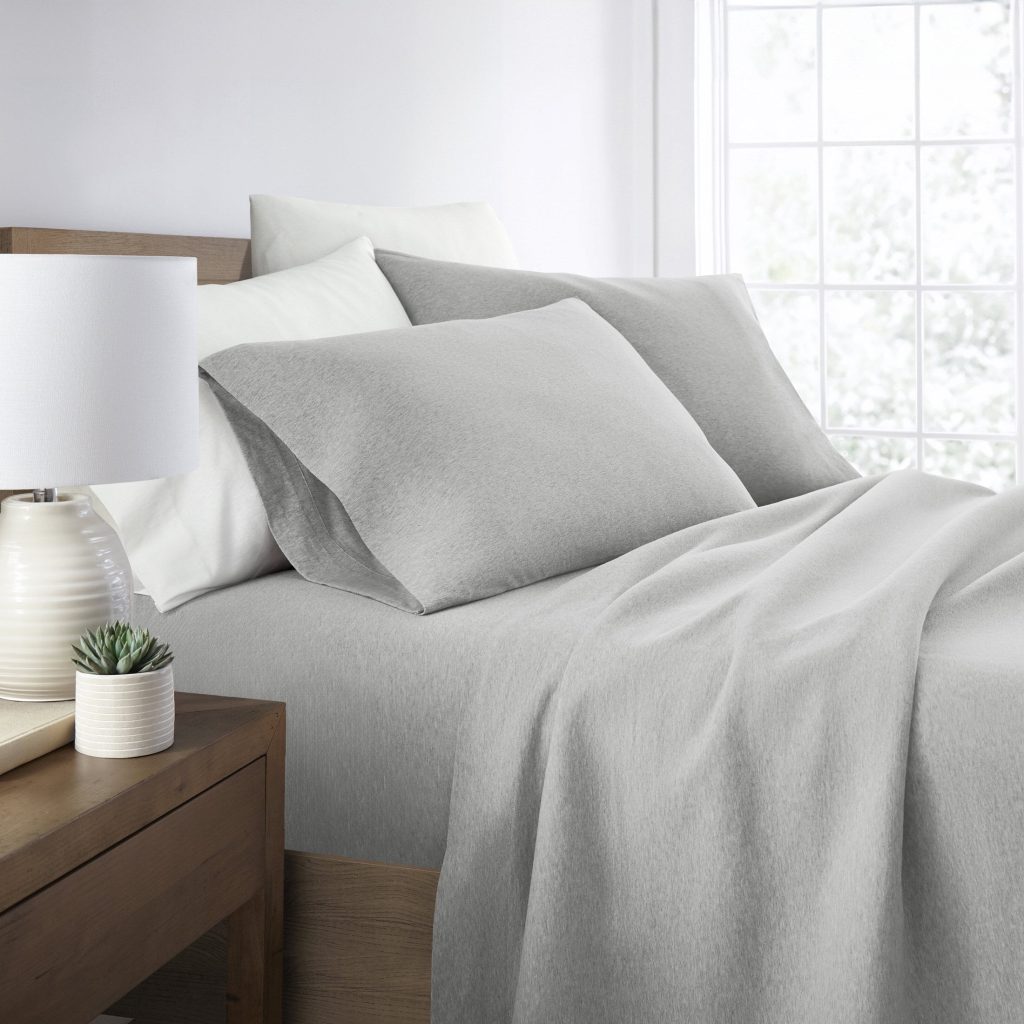
Are you tired of waking up with rough, uncomfortable sheets that ruin your sleep? Finding the softest cotton sheets can change the way you rest every night.
Imagine slipping into a bed that feels like a gentle hug, soothing your body and calming your mind. You’ll discover exactly what makes cotton sheets soft and which ones deserve a spot on your bed. Keep reading to uncover the secrets to the perfect, cozy sleep experience you’ve been craving.

Credit: www.amazon.com
Cotton Types For Softness
Choosing the right type of cotton is key to finding sheets that feel soft against your skin. Not all cotton is created equal, and the softness depends greatly on the variety of cotton used. Understanding the differences can help you pick sheets that offer both comfort and durability.
Egyptian Cotton
Egyptian cotton is known for its long fibers, which create a smooth and silky texture. Sheets made from this cotton often feel luxuriously soft and get softer with each wash.
Many people notice how Egyptian cotton sheets breathe well, keeping them cool through warm nights. Have you ever wondered why some sheets feel cooler and softer at the same time? This might be the reason.
Pima Cotton
Pima cotton also has long fibers, making it soft and strong. It’s often compared to Egyptian cotton but tends to be a bit more affordable.
If you prefer softness without paying a premium price, Pima cotton might be your best choice. It balances comfort and value, which is why many sleepers swear by it.
Upland Cotton
Upland cotton is the most common type used in everyday sheets. Its shorter fibers make it less soft compared to Egyptian or Pima cotton.
However, some find Upland cotton sheets more durable and affordable. Would you trade a bit of softness for longer-lasting sheets?
Supima Cotton
Supima cotton is a premium version of Pima cotton grown exclusively in the USA. It boasts extra-long fibers that enhance softness and strength.
Sheets made from Supima cotton often feel smooth and luxurious, with a noticeable difference in quality. If you want sheets that last and feel soft, Supima cotton is worth considering.
Weave Styles And Their Feel
The way cotton threads are woven together plays a huge role in how soft your sheets feel against your skin. Different weave styles create distinct textures and levels of breathability, affecting your comfort throughout the night. Understanding these weaves can help you choose sheets that feel just right for you.
Percale Weave
Percale weave features a simple crisscross pattern, with threads woven one over, one under. This creates a matte finish and a crisp, cool texture that many people find refreshing. If you prefer sheets that feel light and breathable, especially in warmer months, percale might be your go-to choice.
I once switched to percale sheets during summer and noticed I stayed cooler throughout the night. The fabric’s breathability prevented overheating without sacrificing softness. Would you like sheets that feel fresh and crisp every morning?
Sateen Weave
Sateen weave uses a pattern where multiple threads float over one thread underneath, producing a smooth and silky surface. This weave offers a lustrous sheen and a slightly heavier feel compared to percale. If you enjoy a luxurious, buttery softness that wraps you in warmth, sateen sheets could be perfect.
One of my friends swears by sateen sheets during winter, saying they feel like a gentle hug. The smooth finish reduces friction, making it great for sensitive skin. How important is that silky softness in your sleep experience?
Jersey Knit
Unlike percale and sateen, jersey knit is made by looping the cotton threads, similar to a T-shirt fabric. This results in a stretchy, cozy feel that’s soft right from the start and gets softer with every wash. If you want sheets that feel like your favorite worn-in tee, jersey knit delivers unmatched comfort.
After trying jersey knit sheets, I found myself reaching for them on chilly nights because they offer warmth without stiffness. They also resist wrinkles, saving you time on bed-making. Could this casual softness fit your lifestyle?
Thread Count Impact
Higher thread counts often mean softer and smoother cotton sheets. Yet, very high counts can reduce breathability and comfort. Finding a balance between thread count and fabric quality creates the softest feel.
Understanding the impact of thread count on the softness of cotton sheets can be your secret to a better night’s sleep. Many people believe that the higher the thread count, the softer the sheet. However, there’s more to it than just numbers. Let’s unravel the truth about thread count and how it influences the softness of your cotton sheets.Optimal Thread Count Range
Finding the perfect thread count is essential for maximizing comfort. Experts suggest that a thread count between 300 and 500 hits the sweet spot for softness and durability. Sheets within this range strike a balance, providing a luxurious feel without compromising on strength. Consider your experiences with different sheets. Have you noticed that sheets above this range often feel too heavy? You might be surprised to learn that sometimes, less is more.Misconceptions About High Thread Count
Many believe that higher thread counts guarantee superior softness, but this isn’t always true. Manufacturers may pack more threads into a square inch by using thinner threads, which can compromise quality. This can lead to sheets that are less breathable and less durable. Think about the last time you bought high-thread-count sheets. Did they live up to your expectations, or did they feel stiff and heavy? Sometimes, opting for a moderate thread count can provide a more comfortable and breathable sleeping experience. When considering your next purchase, ask yourself: Are you buying into the myth of high thread count, or are you choosing based on comfort and quality? Remember, it’s not just about the numbers; it’s about how the sheets feel against your skin.
Credit: www.pompomathome.com
Finishing Techniques
Finishing techniques play a vital role in making cotton sheets soft and comfortable. These processes treat the fabric after weaving, enhancing texture and durability. They improve feel, appearance, and performance, giving sheets a luxurious touch. Understanding these techniques helps in choosing the softest cotton sheets.
Mercerization
Mercerization treats cotton fibers with a strong solution, usually sodium hydroxide. This process strengthens fibers and increases their ability to absorb dye. Mercerized cotton sheets have a smoother, shinier surface. The fabric becomes softer and more lustrous. It also improves the fabric’s resistance to wear and shrinkage.
Brushing And Peaching
Brushing uses fine brushes to raise tiny fibers on the cotton surface. This creates a soft, fuzzy feel, similar to flannel. Peaching adds a slight texture by sanding the fabric lightly. Both methods give sheets a warm, cozy touch. They enhance softness without affecting breathability or strength.
Sanforization
Sanforization prevents cotton sheets from shrinking after washing. The fabric is stretched and fixed to hold its size. This process keeps sheets fitting well, wash after wash. Sanforized cotton sheets stay smooth and soft longer. It also reduces wrinkles and improves fabric stability.
Durability And Softness Balance
Finding cotton sheets that stay soft while lasting long can feel like a challenge. Many sheets start off silky smooth but lose their touch after a few washes. Balancing durability and softness means choosing the right cotton type and taking good care of your bedding.
Long-term Softness Maintenance
Sheets made from long-staple cotton, like Egyptian or Pima cotton, tend to keep their softness much longer. The longer fibers resist pilling and wear better than regular cotton. You might notice your sheets feel even softer after a few washes if they’re quality cotton.
Think about your favorite sheets—have they gotten better or rougher with time? If softness fades quickly, it could be the cotton quality or how you wash them. Choosing high-quality cotton is the first step, but maintaining softness takes a little effort on your part.
Care Tips For Cotton Sheets
- Wash with cold water:Hot water can break down cotton fibers faster, making sheets rough.
- Use gentle detergent:Harsh chemicals strip away softness; mild detergents protect the fabric.
- Avoid fabric softeners:They may seem helpful but can actually build up residue and reduce breathability.
- Air dry or tumble dry low:High heat damages fibers, so opt for air drying or a low-heat setting.
- Wash sheets separately:Heavy items like towels can cause friction and wear out sheets prematurely.
How often do you wash your sheets? Washing them every one to two weeks keeps them fresh without overdoing it. These small changes in care can keep your sheets feeling luxurious night after night.
Top Brands For Soft Cotton Sheets
Finding the softest cotton sheets means looking at trusted brands that prioritize quality and comfort. These brands use premium cotton fibers and expert weaving techniques to give you that cozy feeling every night. Whether you want to indulge a bit or stick to a budget, there’s a perfect option waiting for you.
Luxury Options
Luxury cotton sheets offer unmatched softness and durability. Brands like Fretteand Brooklinenuse long-staple cotton, such as Egyptian or Pima, which feels smoother and lasts longer. You might notice that these sheets get even softer after a few washes, enhancing your sleeping experience.
Have you ever tried sleeping on sheets that feel like a gentle hug? That’s the kind of comfort you get with luxury brands. They often come with a higher thread count, but it’s the quality of the cotton that truly makes a difference.
Budget-friendly Picks
Soft sheets don’t always mean expensive. Brands like Target’s Thresholdand Amazon Basicsoffer surprisingly soft cotton sheets at a fraction of the cost. These are great if you want comfort without breaking the bank.
Pay attention to cotton type and weave, even in budget options. Percale or sateen weaves can significantly affect softness. Would you believe that with the right care, these affordable sheets can feel almost as good as luxury ones?
Environmental And Ethical Considerations
Choosing the softest cotton sheets isn’t just about comfort. It also means thinking about how your bedding affects the planet and the people who make it. Every choice you make in your bedroom can support better environmental and ethical practices.
Organic Cotton Sheets
Organic cotton is grown without harmful pesticides or synthetic fertilizers. This means healthier soil and cleaner water around the farms. When you buy organic cotton sheets, you’re supporting farmers who use natural methods that protect the environment.
Beyond being gentler on the planet, organic cotton often feels softer and lasts longer. I once switched to organic cotton sheets and noticed they stayed smooth and comfy even after many washes. Wouldn’t you want sheets that feel better and do good at the same time?
Sustainable Manufacturing
Softness in cotton sheets also depends on how they are made. Sustainable manufacturing focuses on reducing waste, saving water, and cutting down on energy use. Brands that commit to these practices help lower the environmental footprint of their products.
Look for certifications like GOTS (Global Organic Textile Standard) or OEKO-TEX, which ensure safe and eco-friendly production. When you choose sheets from manufacturers with clear sustainability goals, you’re encouraging better industry standards. How much impact do you think your bedding choices have on the world around you?
Credit: www.pureparima.com
Frequently Asked Questions
What Makes Cotton Sheets Soft To Touch?
Cotton sheets feel soft due to long fibers, high thread count, and quality weaving. Egyptian and Pima cotton are known for softness. The finishing process also enhances smoothness and durability, providing a gentle and comfortable sleep surface.
Which Cotton Types Are Best For Soft Sheets?
Egyptian, Pima, and Supima cotton are top choices for soft sheets. They have long fibers that create smooth, strong, and silky fabric. These cotton types resist pilling and improve softness after washing, ensuring lasting comfort.
How Does Thread Count Affect Cotton Sheet Softness?
Higher thread count generally means softer sheets, but quality matters more. A thread count between 200 and 600 offers a good balance of softness and breathability. Extremely high counts can reduce airflow, making sheets less comfortable.
Are Organic Cotton Sheets Softer Than Regular Cotton?
Organic cotton sheets can be softer because they avoid harsh chemicals in farming. They maintain natural fiber strength and feel smoother. However, softness also depends on cotton type and weave, not just organic certification.
Conclusion
Soft cotton sheets bring comfort and softness to your bed. They feel gentle on your skin and help you sleep well. Choose sheets made from long fibers for better smoothness. Pay attention to thread count; it affects softness and durability.
Remember to care for your sheets by washing them properly. Soft sheets make a big difference in your rest. Enjoy the comfort every night with the right cotton sheets. Sweet dreams start with soft, cozy bedding.



