
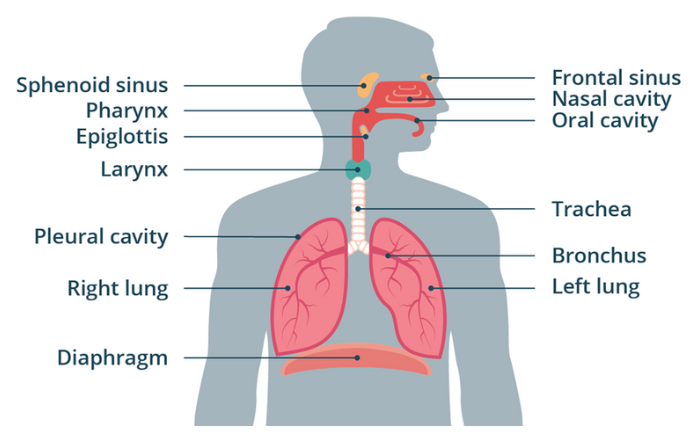
Have you ever wondered how your lungs work every time you take a breath? Understanding the two main processes of ventilation can give you a clearer picture of how your body gets the oxygen it needs and removes carbon dioxide.
This knowledge not only helps you appreciate the amazing work your lungs do but also empowers you to take better care of your respiratory health. Keep reading to discover exactly what these two vital processes are and why they matter to you.

Credit: www.magonlinelibrary.com
Basics Of Ventilation
Ventilation is the process that moves air in and out of the lungs. It is essential for breathing and keeping the body alive. Understanding the basics of ventilation helps explain how oxygen enters the body and carbon dioxide leaves. This process happens in two main stages that work together.
Role Of Ventilation In Breathing
Ventilation helps bring fresh air rich in oxygen into the lungs. It also removes air filled with carbon dioxide. This exchange supports the body’s need for oxygen to create energy. Without ventilation, cells would not get enough oxygen and waste would build up.
Breathing depends on this constant air flow. It keeps blood oxygen levels steady and removes harmful gases. The two processes of ventilation are inspiration and expiration, which keep air moving in cycles.
Key Components Involved
Several parts work together during ventilation:
- Diaphragm:A muscle that moves down to pull air in.
- Rib muscles:Lift and expand the chest to create space for air.
- Lungs:Where oxygen enters the blood and carbon dioxide leaves.
- Airways:Tubes that carry air to and from the lungs.
These components coordinate to change lung volume. This change causes air pressure to move air in or out. Understanding each part shows how the body controls breathing with simple movements.

Credit: www.sciencedirect.com
Inhalation Process
The inhalation process is the first step in ventilation. It brings fresh air into the lungs. This process helps provide oxygen to the body’s cells. Without inhalation, the body cannot function properly. Understanding how inhalation works shows the body’s amazing design.
Muscle Movements During Inhalation
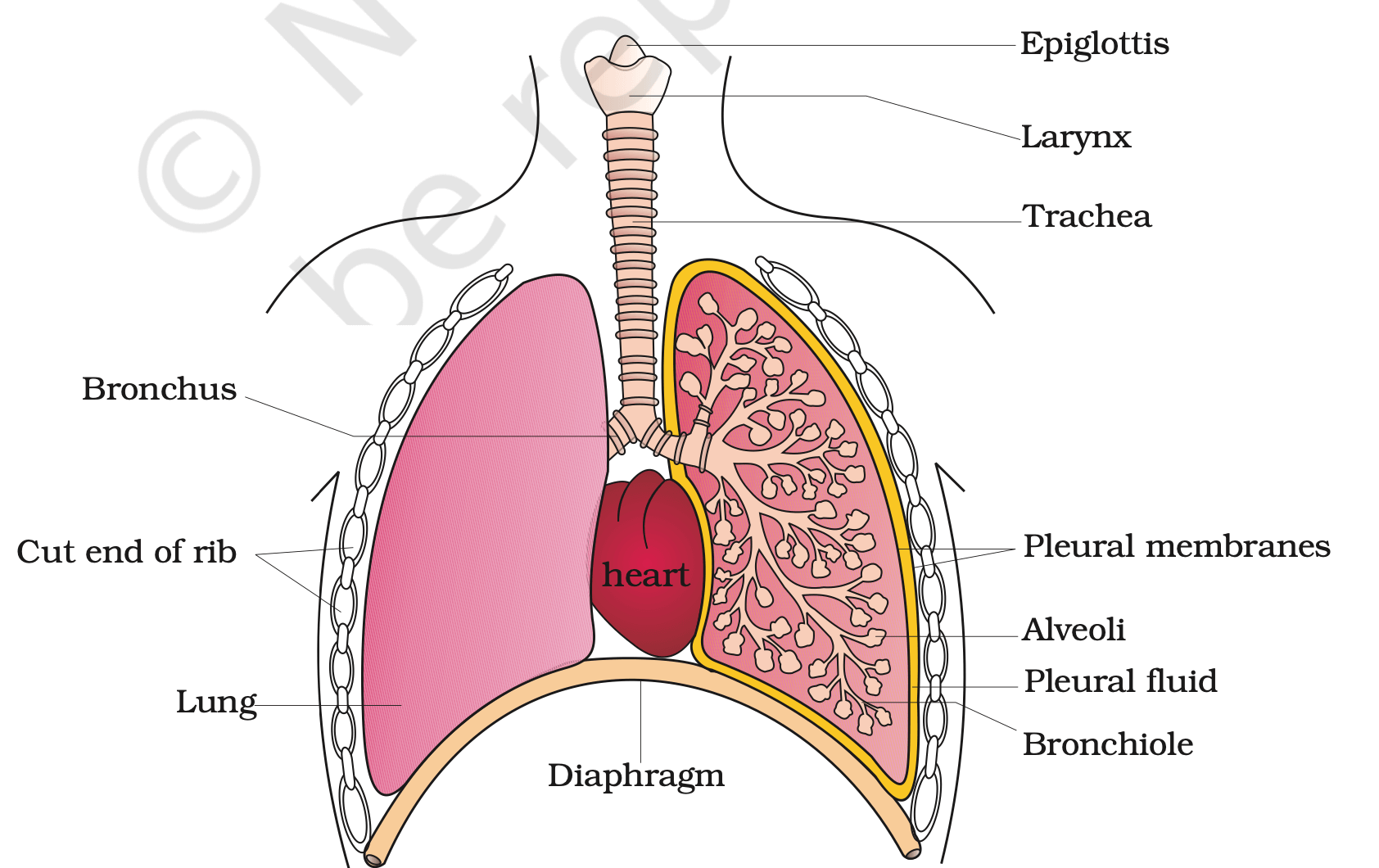
Inhalation begins with muscle action. The diaphragm, a dome-shaped muscle below the lungs, moves downwards. This creates more space in the chest. The intercostal muscles between the ribs also contract. They pull the ribs upward and outward. These movements increase the chest cavity size. The lungs expand to fill this space.
Airflow Into The Lungs
As the chest cavity grows, air pressure inside the lungs drops. Air moves from outside, where pressure is higher, into the lungs. This airflow fills the lungs with fresh air. Oxygen in the air passes through tiny air sacs called alveoli. The oxygen then enters the bloodstream. This process supports all body functions that need oxygen.
Exhalation Process
Exhalation is the process of breathing out air from the lungs. It removes carbon dioxide, a waste gas, from the body. This step is essential to keep the body’s oxygen and carbon dioxide levels balanced. Exhalation works with inhalation to complete the ventilation cycle.
Muscle Movements During Exhalation
During exhalation, the diaphragm and intercostal muscles relax. The diaphragm moves upward into a dome shape. The rib cage moves down and inward. These movements reduce the space in the chest cavity. This decrease in volume pushes air out of the lungs.
Airflow Out Of The Lungs
As the chest cavity shrinks, air pressure inside the lungs rises. Air flows out from the lungs to the outside. This airflow removes carbon dioxide-rich air from the body. The process happens quietly during normal breathing. It can become forceful during activities like coughing or blowing.
Factors Affecting Ventilation
Breathing involves two main processes: inhalation and exhalation. These processes control airflow and affect how well ventilation works in the lungs. Factors like lung capacity and muscle strength influence these processes.
Understanding the factors affecting ventilation can help you appreciate the intricacies of breathing. Ventilation, the process of moving air in and out of the lungs, is influenced by several key elements. Recognizing these factors can not only enhance your knowledge but also improve your lung health.Lung Compliance
Lung compliance refers to how easily the lungs can expand during inhalation. If the lungs are too stiff, more effort is needed to breathe in. Imagine trying to inflate a balloon that’s rigid; it takes more force, right? Factors like age, smoking, and certain diseases can reduce lung compliance. Chronic conditions such as pulmonary fibrosis cause scarring, making the lungs less elastic. This is why maintaining a healthy lifestyle can be crucial for optimal lung function.Airway Resistance
Airway resistance involves how easily air flows through the bronchial tubes. If these pathways are narrowed or blocked, it becomes harder to breathe. Think about trying to drink a thick milkshake through a narrow straw—frustrating, isn’t it? Conditions like asthma or chronic obstructive pulmonary disease (COPD) can increase airway resistance. Managing these conditions with medication and lifestyle changes can significantly improve your breathing. Have you ever noticed that exercise helps you breathe easier? That’s because regular physical activity can reduce airway resistance over time. Understanding these factors can empower you to take better care of your respiratory health. Consider reflecting on your own lifestyle choices. Are there areas where you can make positive changes for your lungs?Common Ventilation Issues
Ventilation plays a crucial role in how your body breathes and stays healthy. However, common ventilation issues can disrupt this vital process, making it harder for you to get enough oxygen. Understanding these problems helps you recognize when something is wrong and take steps to improve your breathing.
Causes Of Breathing Difficulties
Breathing difficulties often arise from problems in the two main processes of ventilation: inhalation and exhalation. Blockages in the airways, like mucus buildup or inflammation, can limit airflow. Environmental factors such as pollution or allergens also worsen breathing by irritating your lungs.
Muscle weakness around the chest and diaphragm can reduce the ability to breathe deeply. Sometimes, conditions like asthma or chronic obstructive pulmonary disease (COPD) cause the airways to narrow, making it tough to get enough air in and out. Even anxiety can trigger rapid, shallow breathing, which feels uncomfortable and inefficient.
Basic Remedies And Care
Simple actions can often ease ventilation problems and improve your breathing. Start by keeping your environment clean and free from dust and smoke. Using a humidifier can help if dry air makes breathing harder.
- Practice slow, deep breathing exercises daily to strengthen your lungs.
- Stay hydrated to thin mucus and clear your airways.
- Avoid allergens or irritants that trigger breathing issues.
If you notice persistent shortness of breath or chest tightness, don’t ignore it. Seeking medical advice ensures proper diagnosis and treatment. How often do you check your breathing patterns? Paying attention today can prevent bigger problems tomorrow.
Credit: rajras.in
Frequently Asked Questions
What Are The Two Main Processes Of Ventilation?
The two main processes of ventilation are inspiration and expiration. Inspiration brings air into the lungs, while expiration expels air out. These processes ensure continuous gas exchange vital for breathing and oxygen supply in the body.
How Does Inspiration Work In Ventilation?
Inspiration involves the diaphragm contracting and moving downward. This increases chest cavity volume, reducing lung pressure. Air flows in to equalize pressure, filling the lungs with oxygen-rich air.
What Happens During Expiration In Ventilation?
Expiration occurs when the diaphragm relaxes and moves upward. Chest cavity volume decreases, increasing lung pressure. Air is pushed out from the lungs, removing carbon dioxide from the body.
Why Are Inspiration And Expiration Important For Breathing?
Both processes maintain airflow and gas exchange. Inspiration supplies oxygen, while expiration removes carbon dioxide. Together, they sustain cellular respiration and overall body function.
Conclusion
Breathing depends on two key processes: inspiration and expiration. Inspiration brings air into the lungs. Expiration pushes air out of the lungs. Both work together to keep the body alive. Understanding these steps helps explain how we breathe. Clear air flow means good oxygen supply.
This simple process supports all body functions. Remember, breathing is automatic but vital. Keep your lungs healthy to breathe easy. These two processes show how life continues with each breath.



