
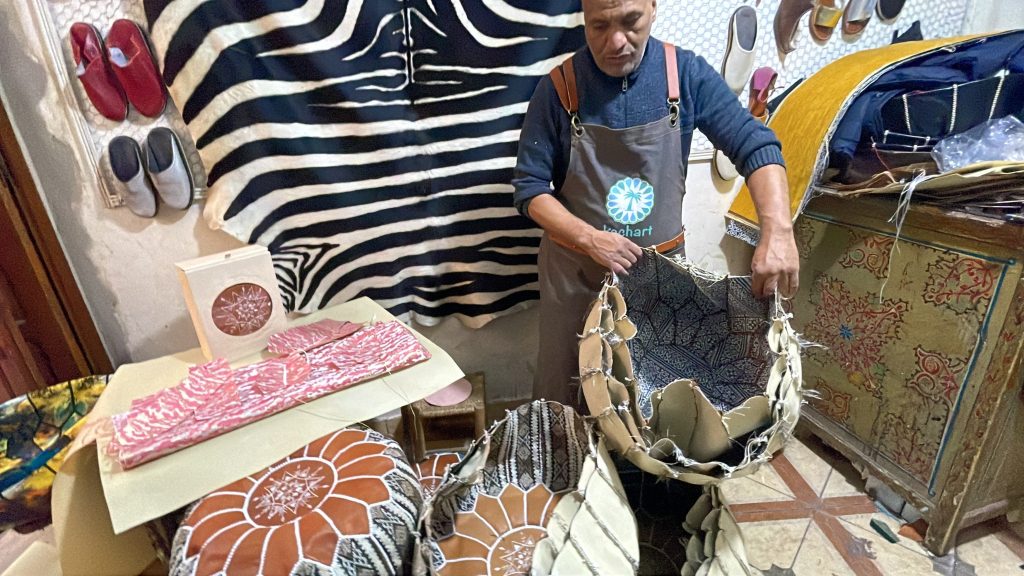
Are you wondering what you can stuff a pouf with to make it comfortable and stylish? Whether you want to refresh your old pouf or create a new one from scratch, choosing the right filling makes all the difference.
The perfect stuffing can give your pouf the right shape, softness, and durability you need. Keep reading to discover easy, affordable, and creative filling ideas that will transform your pouf and fit your lifestyle perfectly. You’ll be surprised at how simple it is to upgrade your space with the right stuffing!
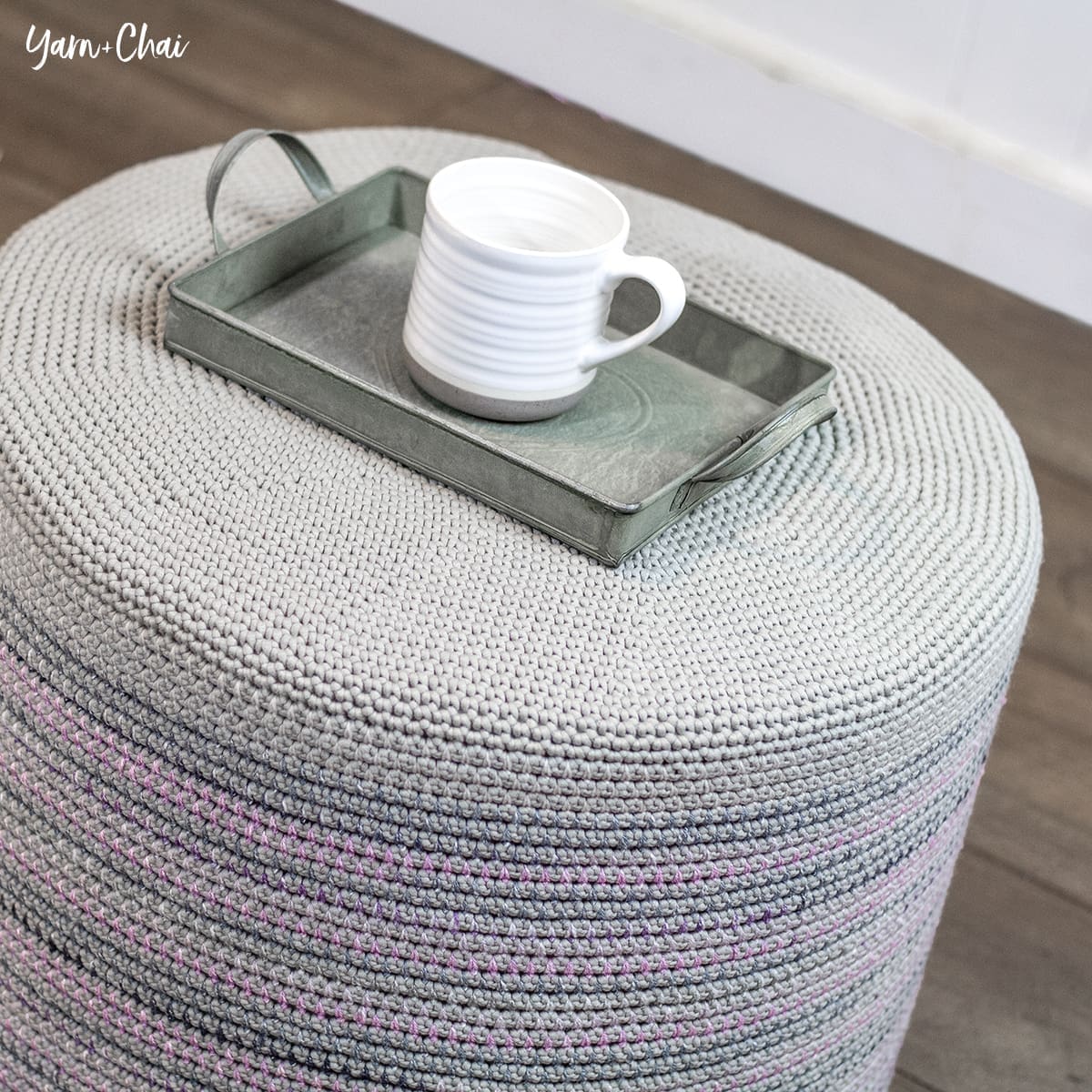
Credit: yarnandchai.com
Common Pouf Fillings
Choosing the right filling for your pouf can change how comfortable and durable it feels. Each common filling option offers a unique texture and support level. Understanding these can help you pick the best one for your space and use.
Polyester Fiberfill
Polyester fiberfill is soft and fluffy, making your pouf light and cushiony. It’s often used in pillows and stuffed toys, so it adds a plush feel to your seating.
If you want a pouf that’s easy to shape and bounce back after use, this filling works well. However, it may compress over time, so you might need to fluff it regularly to maintain comfort.
Foam Pieces
Foam pieces provide firmer support compared to fiberfill. They give your pouf a sturdy shape and prevent it from sagging quickly.
You can find foam in different densities, so you can choose how soft or firm you want your pouf to be. Foam also tends to last longer without losing its form.
Microbeads
Microbeads are tiny, smooth beads that let your pouf mold perfectly to your body. This makes sitting on it feel very comfortable and personalized.
They are lightweight and allow easy movement of the pouf around the room. One downside is that microbeads can be noisy when you shift your weight.
Bean Bag Pellets
Bean bag pellets are small, hollow plastic beads commonly used in bean bag chairs. They offer a flexible and supportive filling for poufs.
These pellets allow your pouf to conform to your sitting position while providing good bounce-back. If you want a casual, relaxed vibe, bean bag pellets are a smart choice.
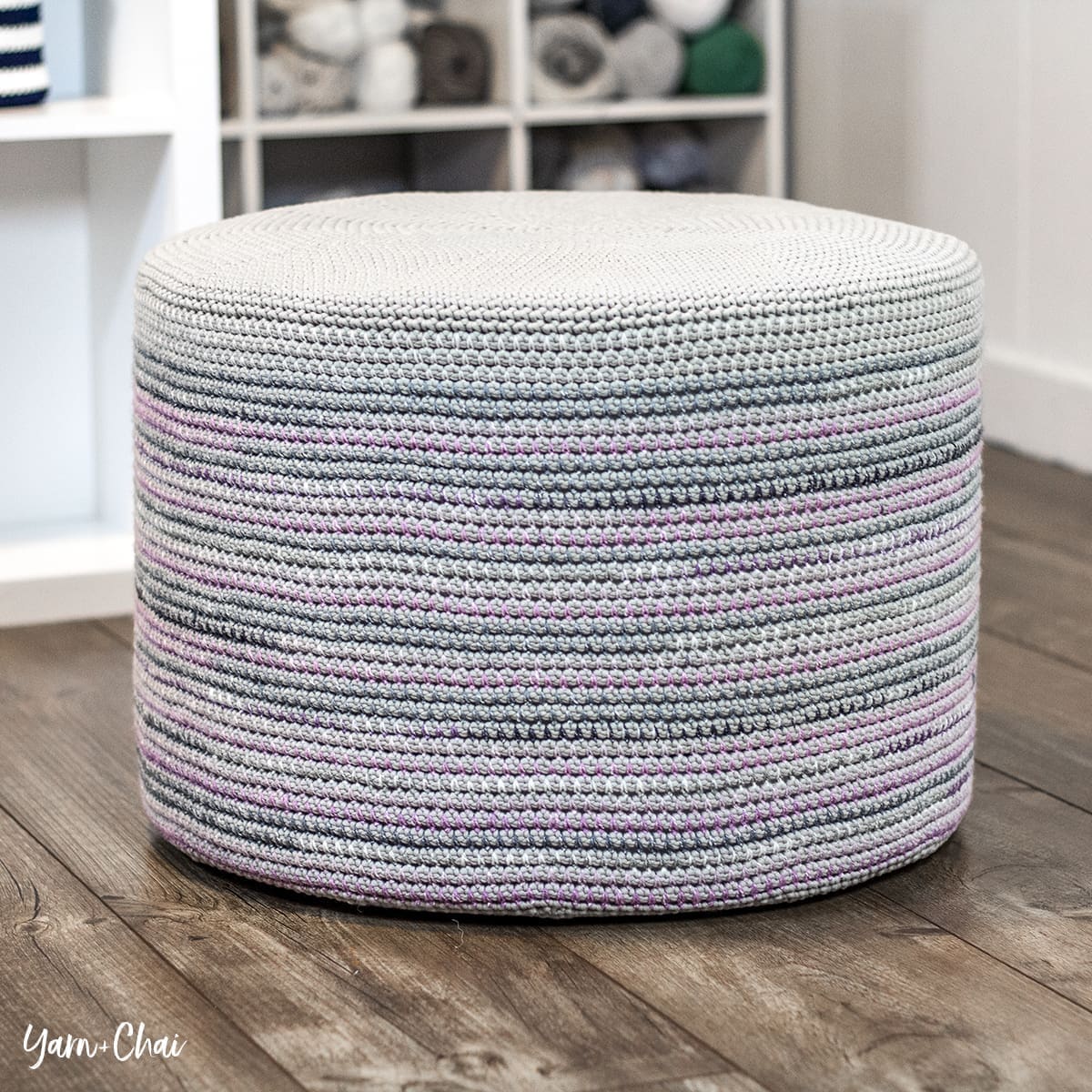
Credit: yarnandchai.com
Natural Filling Options
Choosing natural filling options for your pouf is a smart way to keep things eco-friendly and comfortable. Natural materials often offer better breathability and sustainability compared to synthetic alternatives. Let’s look at some popular natural fillings that can give your pouf a unique feel and look.
Cotton Batting
Cotton batting provides a soft and cushy feel to your pouf. It’s lightweight and easy to shape, making it perfect if you want a plush, inviting seat. Plus, cotton is breathable, so your pouf won’t trap heat, keeping it comfortable for long use.
If you’ve ever handled quilting projects, you know how easy cotton batting is to work with. It molds nicely and can be layered to achieve just the right firmness. Have you thought about how important softness is for your relaxation spot?
Wool
Wool is another excellent natural option that offers resilience and warmth. It provides firm support while still feeling cozy under you. Wool’s natural elasticity means your pouf will keep its shape longer, even with daily use.
One unexpected benefit is wool’s natural ability to repel dust and resist odors. If you have allergies or pets, this could make a huge difference in keeping your space fresh. Would you consider wool if you want a filling that’s both functional and easy to maintain?
Buckwheat Hulls
Buckwheat hulls are a popular choice for those who want a firmer, more supportive pouf. They conform to your body shape but don’t flatten out quickly. This makes them ideal if you prefer a pouf that doubles as extra back support.
They also allow excellent air circulation, so your pouf stays cool and dry. Many people find the gentle crunching sound of buckwheat hulls oddly satisfying and relaxing. Could this tactile experience add a new dimension to your living space?
Dried Beans Or Rice
Using dried beans or rice is a budget-friendly natural filling that offers moderate firmness. These materials shift easily inside the pouf, allowing it to adapt to your body. However, they tend to be heavier than other options, which can affect portability.
This filling can give your pouf a unique texture but might need occasional refilling as the contents compress over time. Have you tried unconventional fillings like these before, and how did they feel under you?
Eco-friendly Alternatives
Choosing eco-friendly materials to stuff a pouf helps reduce waste. These alternatives are safe for the environment and often budget-friendly. Many options come from recycled or natural sources. Using these choices supports a healthier planet.
Recycled Fabric Scraps
Fabric scraps from old clothes or sewing projects work well. They are soft and add good volume. This option reduces textile waste and creates a unique texture. Cut scraps into small pieces for better filling.
Shredded Paper
Shredded paper is lightweight and easy to find. It is best to use clean, non-glossy paper. This filling offers good support and can be refreshed often. It also helps recycle newspapers, magazines, or office paper.
Coconut Coir
Coconut coir is a natural fiber from coconut husks. It is firm, durable, and biodegradable. This material provides good support and breathability. Coconut coir is a great choice for outdoor or indoor poufs.
Recycled Foam
Recycled foam comes from old cushions or mattresses. It is soft and molds well to shape. This foam lasts long and keeps the pouf comfortable. Look for certified recycled foam to ensure quality and safety.
Specialty Fillings For Comfort
Specialty fillings for poufs offer more than just basic support—they bring a new level of comfort tailored to your needs. These fillings adapt to your body, provide cooling effects, or even offer a plush, luxurious feel. Choosing the right specialty filling can transform your pouf into your favorite spot for relaxation or extra seating.
Memory Foam
Memory foam molds perfectly to your body shape, providing personalized support and pressure relief. It’s great if you want a pouf that feels like it’s made just for you. I once swapped standard filling for memory foam, and the difference was night and day—suddenly, my pouf was a cozy retreat after a long day.
Gel Beads
Gel beads add a cooling sensation that’s perfect for warm climates or long sitting sessions. They move fluidly inside the pouf, adjusting to your posture with ease. If you’ve ever felt overheated on a regular pouf, gel beads might be the cooling comfort you didn’t know you needed.
Latex Foam
Latex foam offers a bouncy, supportive feel that holds its shape well over time. It’s naturally resistant to dust mites and mold, making it a smart choice if you’re sensitive to allergens. Imagine a pouf that stays firm and fresh, even after months of use—that’s what latex foam delivers.
Feather And Down
Feather and down fillings provide a soft, plush texture that invites you to sink in and relax. This filling is perfect if you want a luxurious, cushy pouf that feels like a cloud. Just be ready to fluff it regularly to keep that inviting softness—you’ll find the effort worth every minute.
Choosing The Right Filling
Choosing the right filling for your pouf impacts how it looks, feels, and lasts. It’s not just about picking something soft; you need to think about how durable the filling is, how comfortable it will be for you and your guests, any allergies it might trigger, and how much it will cost. Making the right choice can save you time and money, and make your pouf a favorite spot in your home.
Durability And Longevity
Think about how often your pouf will be used. Some fillings hold up better over time, especially in busy homes or if you use the pouf as a footrest or extra seating. For example, high-density foam lasts longer and keeps its shape compared to shredded foam or polyester fibers, which can flatten quickly.
Do you want a pouf that stays firm or one that molds to your body? Your answer will guide your choice toward more durable or softer fillings. Remember, durable fillings might cost more upfront but save you from replacing the pouf often.
Comfort Level
Comfort is key if you plan to sit on the pouf regularly. Fillings like memory foam offer excellent support and contour to your body, making them great for long use. On the other hand, bean bag fillings such as polystyrene beads provide a more casual, squishy feel but may not be ideal for extended sitting.
Ask yourself how you want to feel when using the pouf. Do you prefer firm support or a soft, cloud-like experience? Your personal comfort preference should guide your filling choice.
Allergy Considerations
Some fillings can trigger allergies, especially if you or your family members are sensitive. Natural fillings like buckwheat hulls or wool are less likely to cause reactions but may need regular cleaning to prevent dust buildup. Synthetic options like polyester are hypoallergenic but can trap heat.
Have you checked if anyone in your home has allergies? This question is crucial before buying or stuffing your pouf. Choosing hypoallergenic materials can keep your space safe and comfortable for everyone.
Cost Factors
Your budget plays a big role in deciding the filling. Polyester fiberfill is often the most affordable and easy to find, making it a popular choice. Memory foam and natural fillings tend to cost more but offer better comfort and durability.
Consider how much you want to spend now versus later. A cheaper filling might mean replacing the pouf sooner, while investing a bit more can extend its life. What balance between cost and quality feels right for you?
Filling Techniques And Tips
Poufs can be filled with materials like foam beads, polyester fiberfill, or old clothes for comfort and shape. Choosing the right filling affects softness and durability. Experiment with different stuffing to find what feels best for your space.
Filling your pouf with the right materials can transform it from a decorative piece into a functional, comfortable seating option. Whether you’re aiming for plush softness or sturdy support, the way you stuff your pouf can make all the difference. Let’s dive into some practical tips and techniques to ensure your pouf is filled to perfection.Layering Different Materials
Consider using a combination of materials to achieve the desired firmness and comfort. For instance, start with a base layer of foam or batting for structure. Then, add softer materials like old clothes or shredded memory foam to create a cozy, inviting surface. Combining different textures can also add a unique feel to your pouf. Mixing materials like cotton and polyester can enhance both comfort and durability. Have you ever noticed how some poufs feel just right, while others seem off? It’s often the blend of materials that makes the difference.Securing The Filling
Once you’ve chosen your filling materials, it’s crucial to ensure they stay in place. Consider using a lining or a fabric pouch to contain the filling. This prevents shifting and ensures your pouf maintains its shape over time. A well-secured filling not only preserves the pouf’s appearance but also its comfort. Have you ever sat on a pouf that felt lumpy or uneven? Properly securing the filling can prevent this common issue.Refilling And Maintenance
Over time, the filling in your pouf may compress or settle. Plan for regular maintenance to keep it looking and feeling fresh. Simply unzip and add more filling as needed, adjusting the materials to suit your preference. Regular maintenance can extend the life of your pouf significantly. Have you considered how often you should check your pouf’s filling? A quick monthly assessment can make all the difference in maintaining comfort and appearance.Customizing Firmness
You have the power to customize the firmness of your pouf. If you prefer a firmer seat, add more structured materials like foam blocks or dense batting. For a softer, more relaxed feel, opt for loose, lightweight fillings. Experiment with different levels of firmness until you find the perfect balance for your needs. How do you know when your pouf is just right? It’s all about personal comfort and the specific use you envision for it.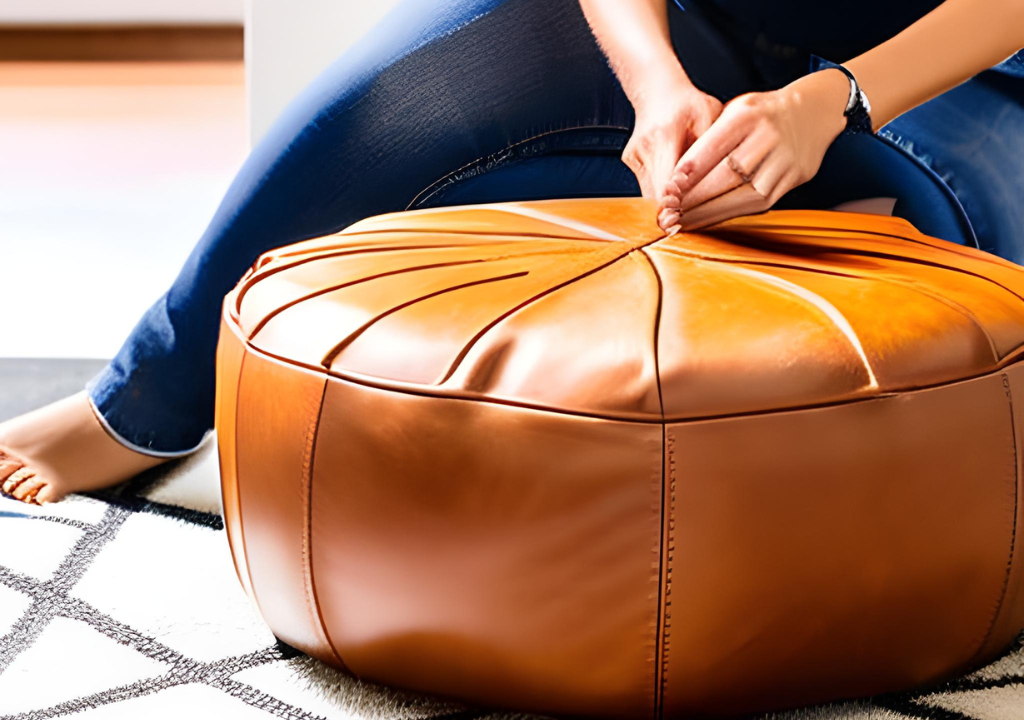
Credit: medium.com
Frequently Asked Questions
What Materials Can I Use To Stuff A Pouf?
You can stuff a pouf with foam beads, polyester fiberfill, old clothes, or shredded fabric. These materials offer comfort and support. Choose based on softness, durability, and budget for the best results.
Is Foam Bead Stuffing Good For Poufs?
Yes, foam beads are lightweight and moldable, making them ideal for poufs. They provide good support and maintain shape well. However, they may be noisy and can compress over time.
Can I Use Recycled Materials To Fill A Pouf?
Absolutely! Recycled materials like old clothes, fabric scraps, or shredded paper are eco-friendly options. They reduce waste, save money, and provide decent comfort for pouf stuffing.
How Much Stuffing Do I Need For A Pouf?
The amount depends on the pouf’s size and desired firmness. Usually, 2 to 4 kilograms of stuffing suffice. Add more for a firmer pouf or less for softer seating.
Conclusion
Choosing the right stuffing makes your pouf comfy and stylish. You can pick from foam, beads, or natural fillers. Each option changes how your pouf feels and looks. Think about how you will use it and what suits your space.
A well-stuffed pouf lasts longer and stays cozy. Experiment with different fillers to find your favorite. Enjoy making your room more inviting and unique with a perfect pouf.



