
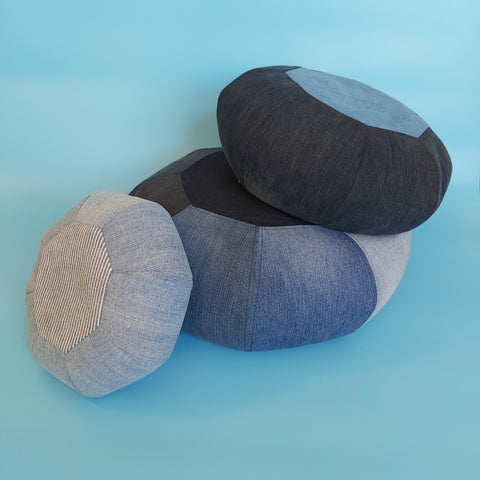
Have you ever wondered what you could fill a pouf with to make it comfy and stylish? Choosing the right filling can change how your pouf feels, looks, and even how long it lasts.
Whether you want something soft and cozy or firm and supportive, the options might surprise you. You’ll discover simple, creative, and practical filling ideas that fit your needs perfectly. Keep reading to find the perfect stuffing that will turn your pouf into your favorite spot to relax.
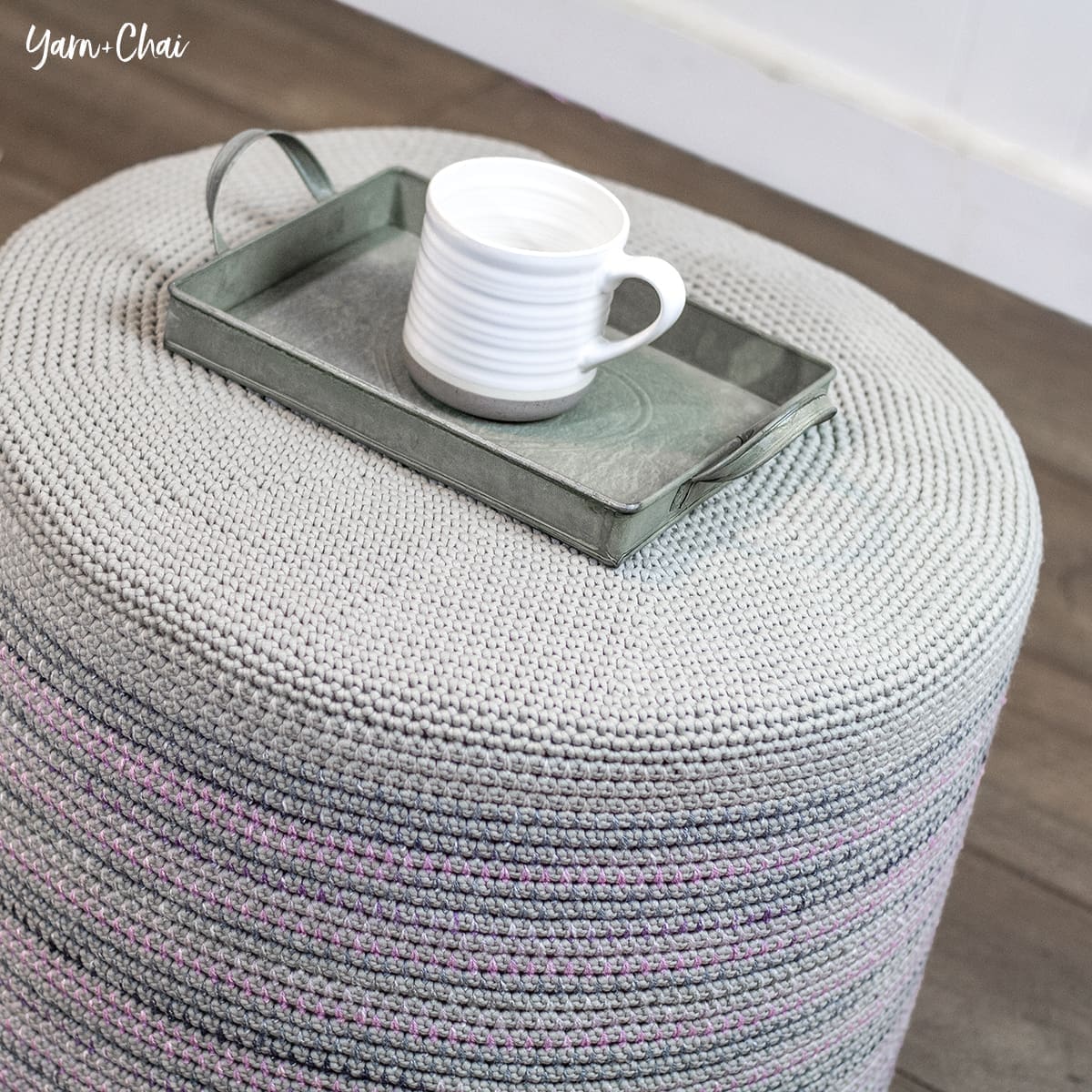
Credit: yarnandchai.com
Popular Pouf Fillings
Poufs are versatile and cozy pieces of furniture. The filling inside a pouf defines its comfort and shape. Choosing the right filling affects how soft or firm your pouf feels. It also impacts durability and support. Below are some popular pouf fillings that many people use.
Bean Bag Fillers
Bean bag fillers are small, lightweight beads. They adjust easily to your body shape. These fillers create a soft and flexible pouf. They also make the pouf easy to move. Bean bag fillers provide good comfort but may compress over time. They work well for casual seating.
Foam Pieces
Foam pieces offer firm and stable support. They help the pouf keep its shape longer. Foam is soft but does not flatten quickly. It is a popular choice for those who want extra comfort. Foam pieces come in various sizes and densities. This makes it easy to find the right feel.
Polyester Fiberfill
Polyester fiberfill is a fluffy, lightweight stuffing. It gives a soft and plush feel. This filling is hypoallergenic and easy to clean. It adds volume without making the pouf heavy. Polyester fiberfill is best for decorative poufs. It may compress faster than foam or beads.
Microbeads
Microbeads are tiny, smooth plastic beads. They offer a unique, moldable texture. Microbeads move smoothly inside the pouf. This filling adapts well to body curves. It keeps the pouf feeling cool and comfortable. Microbeads are durable but can be costly.
Natural Filling Options
Natural filling options offer a comfortable and eco-friendly choice for poufs. These materials provide softness, support, and breathability. They are also biodegradable and safe for the environment. Using natural fillings can add a cozy feel to your space.
Cotton Batting
Cotton batting is soft and lightweight. It creates a plush, cushioned surface inside the pouf. This material is easy to shape and mold. Cotton batting also allows good air circulation, keeping the pouf fresh.
Wool
Wool is warm and resilient. It naturally resists dirt and moisture. Wool filling offers firm support while remaining soft. This material adapts well to body shape and weight. Wool is a durable choice for long-lasting comfort.
Buckwheat Hulls
Buckwheat hulls are small, hard shells. They provide firm support and excellent airflow. This filling molds to the body, offering good comfort. Buckwheat hulls are lightweight and eco-friendly. They make a pouf that stays cool and supportive.
Dried Beans Or Peas
Dried beans or peas add a natural, weighted feel. They create a firm pouf that holds shape well. This filling is budget-friendly and easy to find. It offers a unique texture and firmness. Beans or peas also allow some airflow inside the pouf.
Upcycled Pouf Fillings
Upcycling offers a creative way to fill your pouf. Using recycled materials helps reduce waste. It’s budget-friendly and eco-conscious. Discover unique ways to stuff your pouf.
Old Clothes And Fabric Scraps
Old clothes make excellent pouf fillings. Cut them into small pieces. Fabric scraps are soft and cushiony. They provide great support. Use unwanted garments for a comfortable pouf. It’s an ideal way to declutter.
Unused Pillows
Unused pillows are perfect for pouf stuffing. They offer softness and volume. Remove the pillow covers. Use the inner filling for your pouf. It’s a simple and effective solution.
Plastic Bottles
Plastic bottles can fill your pouf. Crush them for a firm feel. They provide structure and durability. It’s a creative way to recycle. Ensure bottles are clean and dry.
Packing Peanuts
Packing peanuts are lightweight fillers. They are easy to find and use. Fill your pouf with them for a soft touch. Use biodegradable ones for an eco-friendly option. Packing peanuts offer great volume.
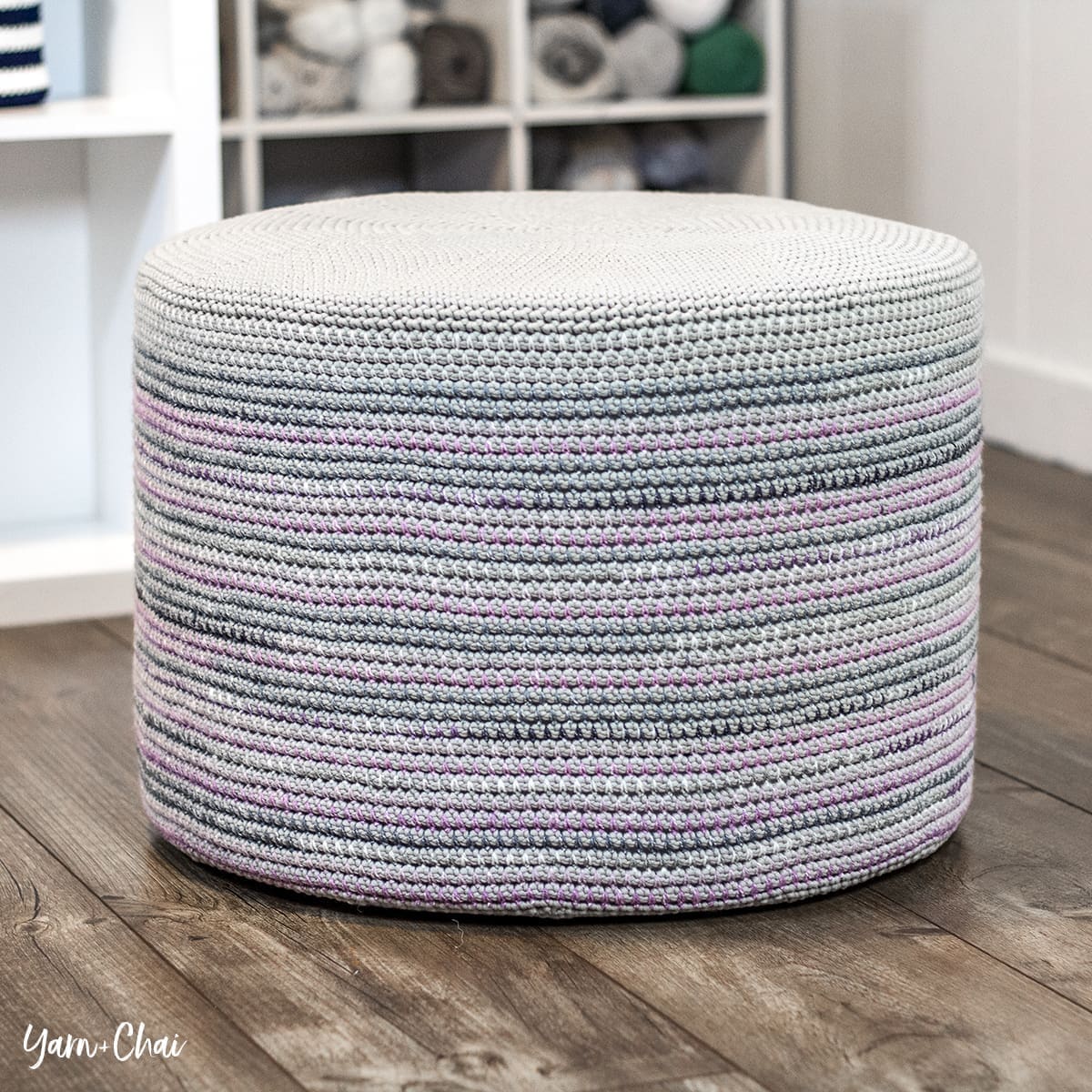
Credit: yarnandchai.com
Creative Filling Ideas
Choosing the right filling for a pouf can change its comfort and style. Creative fillings bring unique textures and uses to your space. These ideas add softness, support, or even a pleasant scent.
Explore different materials that make your pouf stand out. Each option offers a special feel and function. Use these ideas to inspire your next pouf project.
Memory Foam Chunks
Memory foam chunks mold to your body shape easily. They provide excellent comfort and support. This filling keeps the pouf soft but firm. It also retains its shape well over time. Great for relaxing or extra seating.
Recycled Foam From Mattresses
Recycled foam is an eco-friendly and budget option. Small foam pieces from old mattresses make a soft filling. It reduces waste and gives new life to materials. This choice is lightweight and easy to handle. Perfect for a pouf with a sustainable touch.
Soft Toys Or Plush Materials
Soft toys or plush materials create a fun and cozy pouf. Stuffing with old plush toys adds charm and character. It gives a soft, cushioned feel for kids’ rooms or casual spaces. A creative way to reuse toys that no longer get used.
Scented Herbs And Spices
Scented herbs and spices bring a fresh aroma to your pouf. Lavender, rosemary, or dried flowers add natural fragrance. Combine with soft filling for comfort and smell. This filling invites relaxation and a pleasant atmosphere. Ideal for a calming corner or meditation area.
Filling Tips For Comfort
Choosing the right filling for your pouf can transform it from just a decorative piece to a cozy spot you’ll actually want to use. Comfort is key, and getting it right means paying attention to how firm or soft the pouf feels, how well it holds up, and how it maintains its shape over time. Here are some practical tips to help you fill your pouf for the perfect balance of comfort and durability.
Balancing Firmness And Softness
Finding the sweet spot between firmness and softness is essential for a pouf that’s comfortable to sit on but still supportive. If the filling is too soft, you might sink too deeply, making it hard to get up. Too firm, and it won’t offer a cozy feel.
Try using a blend of shredded foam and polyester fiberfill. Foam adds structure, while fiberfill adds a plush touch. You can adjust the ratio depending on whether you prefer a firmer seat or a cushier one.
Layering Different Materials
Layering different filling materials can create a more comfortable and versatile pouf. Start with a base layer of firmer material like high-density foam for support. Then add a top layer of softer materials such as down feathers or fiberfill for a gentle surface.
This combination mimics the way a mattress works, offering support beneath and softness on top. Have you tried mixing beads with foam? It’s another great way to add some bounce while keeping the pouf lightweight.
Ensuring Durability
Durability matters because poufs often get a lot of use and pressure. Opt for fillings that won’t break down quickly, such as shredded memory foam or high-quality polyester pellets. These materials hold up well over time and resist flattening.
Consider adding a protective inner lining around the filling to prevent leakage or shifting. This small step can save you from constant refilling and maintain the pouf’s comfort for longer.
Maintaining Shape Over Time
It’s normal for poufs to lose shape after frequent use, but you can slow this down. Use a combination of dense foam core and loose outer filling to keep the shape intact while maintaining softness on the surface. Fluff your pouf regularly to redistribute the filling evenly.
Ask yourself: How often will you use the pouf? For daily seating, sturdier filling is better. For occasional use, softer fillings might be fine even if they compress more quickly.
Safety And Care Advice
Filling a pouf involves more than just choosing a material. Safety and care are key to keeping your pouf comfortable and durable. Using the right materials and handling them properly protects your health and extends the life of your pouf.
Simple steps can prevent common problems like allergies and messes. Proper sealing stops spills and leaks. Regular cleaning keeps the pouf fresh and safe to use.
Non-toxic Material Choices
Select filling made from non-toxic materials to avoid harmful chemicals. Natural options like cotton, wool, or recycled fabrics offer safe comfort. Avoid fillers with strong odors or synthetic chemicals that can irritate skin or lungs.
Look for certifications or labels that confirm the material is safe for indoor use. Choose hypoallergenic fillings when possible to reduce health risks.
Cleaning And Maintenance
Keep your pouf clean to prevent dirt buildup and odors. Use a vacuum with a soft brush to remove dust regularly. Spot clean stains promptly with mild soap and water.
For poufs with removable covers, wash according to the care label. Avoid harsh chemicals that can damage the fabric or filler. Air dry completely before reuse to stop mold growth.
Avoiding Allergens
Choose hypoallergenic fillings to reduce dust mites and allergens. Avoid materials that attract pet hair or trap moisture. Store your pouf in a dry place to prevent mold and mildew.
Use protective covers to block allergens and keep the pouf clean. Regular cleaning also helps lower allergy risks for sensitive users.
Proper Sealing Techniques
Seal the pouf filling inside a strong, durable liner to prevent leaks. Use double stitching or heavy-duty zippers for extra security. Check the seals regularly for wear and tear.
Ensure the filling stays contained even with frequent use. A well-sealed pouf is safer and lasts longer without messes.
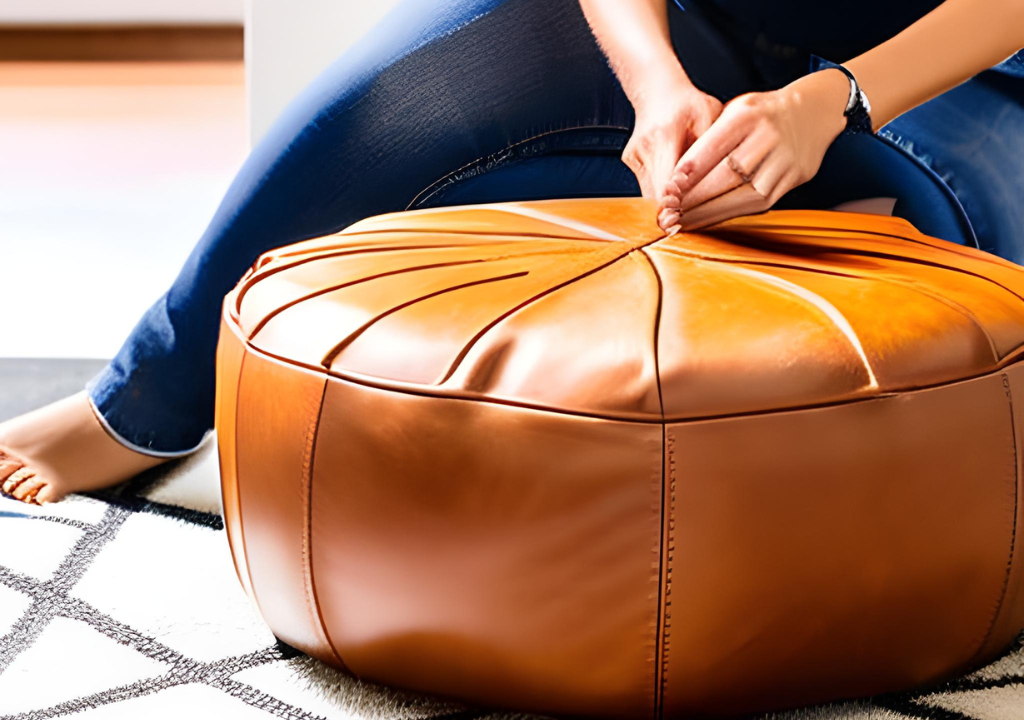
Credit: medium.com
Frequently Asked Questions
What Materials Can I Use To Fill A Pouf?
You can fill a pouf with beads, foam, cotton, or recycled fabric. These materials offer comfort and durability. Choose based on your comfort and pouf size preferences.
Are Foam Pieces Suitable For Pouf Filling?
Yes, foam pieces provide firm support and maintain shape well. They are lightweight and comfortable, making them a popular choice for pouf filling.
Can Recycled Materials Be Used To Fill A Pouf?
Absolutely, recycled fabric scraps or old clothes make eco-friendly pouf filling. This option is budget-friendly and helps reduce waste.
Is Polystyrene Bead Filling Safe For Poufs?
Polystyrene beads are safe and commonly used in pouf filling. They are lightweight and mold easily, providing good support and comfort.
Conclusion
Choosing the right filling for your pouf can change its comfort and look. Foam beads offer softness and shape. Old clothes or fabric scraps save money and recycle. Natural fillings like dried beans or rice add weight and firmness. Remember, the filling affects how you use the pouf.
Try different options to find what feels best. Filling a pouf is simple and fun. Your perfect pouf waits inside the right filling.



