
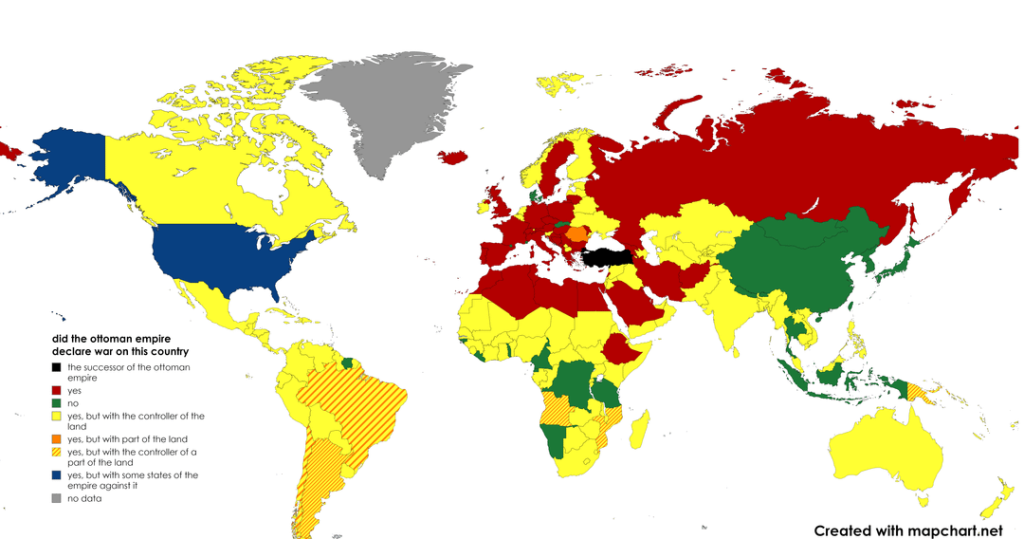
Have you ever wondered how the map of the Middle East and parts of Europe changed after World War I? The fall of the Ottoman Empire reshaped entire regions, creating new countries you might recognize today.
Understanding which countries emerged from this powerful empire can give you a clearer picture of history and how borders were drawn. You’ll discover the key nations born from the Ottoman Empire’s collapse and why their creation still matters to your world today.
Keep reading to unlock these fascinating historical shifts.
Fall Of The Ottoman Empire
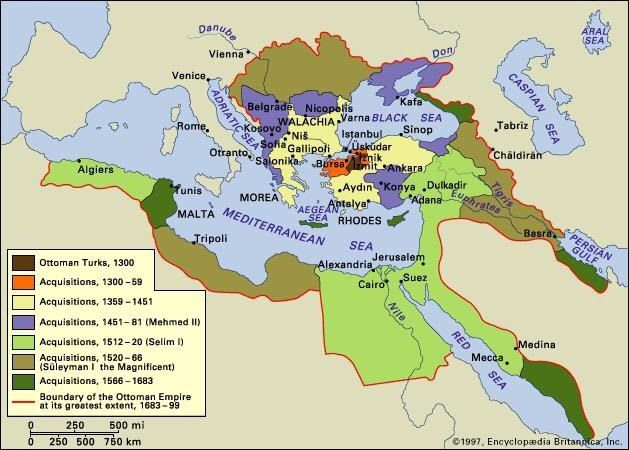
The fall of the Ottoman Empire marks a major turning point in world history. This empire lasted for centuries but faced many challenges. After World War I, its lands were divided into new countries. The collapse shaped the modern Middle East and Southeast Europe.
Decline Before World War I
The Ottoman Empire weakened for many years before World War I. It lost important battles and territories. Economic problems grew, and internal conflicts rose. The empire struggled to keep control over its diverse people.
Reforms tried to modernize the state but failed to stop decline. Nationalist movements inside the empire demanded independence. Foreign powers also pushed to gain land from the Ottomans.
Impact Of World War I
World War I hastened the empire’s collapse. The Ottomans joined the Central Powers but suffered heavy defeats. The empire lost key regions in the Middle East. After the war, the victorious Allied Powers divided Ottoman lands.
The Treaty of Sèvres in 1920 broke the empire into smaller states. Many new countries emerged from its former territory. This marked the official end of the Ottoman Empire and birth of new nations.
Treaty Of Sèvres And Its Effects
The Treaty of Sèvres marked a major turning point after World War I. Signed in 1920, it aimed to divide the Ottoman Empire’s lands among the Allied Powers. This treaty reshaped the Middle East and led to the creation of several new countries. The Ottoman Empire lost much of its territory and power. The treaty’s terms sparked conflict and resistance within the empire. It set the stage for future political changes and new national boundaries.
Territorial Losses
The treaty forced the Ottoman Empire to give up large areas of land. Its control shrank drastically across Asia and Europe. Key regions lost included:
- Armenia gained independence in the east.
- Kurdish areas were promised autonomy but never fully realized.
- Greece received parts of western Anatolia.
- France and Britain took control of Syria and Palestine.
- Arab lands became divided under new mandates.
These losses shattered the empire’s unity. Many ethnic groups found themselves under new rulers. The Ottoman heartland remained but was greatly weakened.
Mandate System Introduction
The treaty introduced the Mandate System, managed by the League of Nations. It gave Britain and France control over former Ottoman lands. These powers ruled “on behalf” of the League until local governments could form.
Britain received mandates over:
- Palestine
- Iraq
- Transjordan
France controlled:
- Syria
- Lebanon
The Mandate System aimed to prepare these regions for independence. It often favored colonial interests over local wishes. This created tensions and resistance movements. The treaty’s terms and mandates deeply influenced the modern Middle East map.
Turkey’s Emergence
The fall of the Ottoman Empire after World War I was a turning point in history. From its ashes, several new nations emerged, with Turkey at the forefront of this transformation. Understanding Turkey’s emergence is key to grasping the broader impact of this historical reshaping.
Turkish War Of Independence
Imagine a nation fighting against all odds to secure its future. The Turkish War of Independence was a fierce struggle led by Mustafa Kemal Atatürk. This pivotal period from 1919 to 1923 saw Turkey rejecting the harsh terms of the Treaty of Sèvres.
During this war, Turkish forces battled against both occupying Allied powers and internal factions. It was a fight for sovereignty and self-determination. The success of this war paved the way for the establishment of a new national identity.
Formation Of The Republic Of Turkey
Following the victory in the War of Independence, Turkey underwent a remarkable transformation. On October 29, 1923, the Republic of Turkey was officially proclaimed. This marked the end of the Ottoman Sultanate and the beginning of a new era.
The formation of the republic involved significant reforms. Atatürk introduced sweeping changes in governance, education, and law. These reforms aimed to modernize Turkey and align it more closely with Western nations.
Have you ever wondered how a nation reinvents itself after such upheaval? Turkey’s emergence provides a fascinating case study. It challenges us to think about the resilience and vision needed to build a new future from the remnants of the past.

Credit: seunonigbinde.medium.com
New Nations In The Middle East
After World War I, the vast Ottoman Empire in the Middle East was divided into new nations, reshaping the region’s political landscape. These new countries emerged from complex agreements and mandates imposed by European powers. Understanding their origins helps you see how historical borders influence current events and conflicts.
Iraq
Iraq was formed by merging three Ottoman provinces: Mosul, Baghdad, and Basra. The British controlled the area under a League of Nations mandate before Iraq gained independence in 1932. The borders combined diverse ethnic and religious groups, creating ongoing challenges for unity and governance.
Syria
Syria became a French mandate after the war, carved out from the Ottoman territory. It included modern-day Syria and Lebanon initially, but Lebanon was separated later. The French divided the region based on religious and ethnic lines, which still affect Syrian politics today.
Lebanon
Lebanon was created as a separate state under French control, designed to protect its significant Christian population. Its borders were drawn to include various religious communities, aiming for a balance of power. This setup introduced a unique political system based on sectarian representation.
Jordan
Jordan, initially called Transjordan, was established under British mandate as part of the Ottoman lands east of the Jordan River. It gained independence in 1946. The country was created to accommodate the Hashemite family and tribal groups, shaping its distinct identity from neighboring nations.
Balkan Changes
The end of World War I brought dramatic changes to the Balkans, a region long dominated by the Ottoman Empire. As the empire crumbled, the map of Southeast Europe was redrawn, sparking the creation of new countries and shifting borders. These changes affected millions, influencing cultural identities and political alliances that still resonate today.
Creation Of New States
The collapse of Ottoman control led to the birth of several new nations in the Balkans. Countries like Albania and the Kingdom of Serbs, Croats, and Slovenes (later Yugoslavia) emerged from former Ottoman territories. These new states aimed to establish their independence and national identities after centuries under Ottoman rule.
Think about how your own sense of identity might change if your country’s borders were suddenly redrawn. The people in these new states faced similar challenges—balancing ethnic diversity and political unity while building fresh governments from scratch.
- Albania:Declared independence in 1912 but gained international recognition after WWI.
- Kingdom of Serbs, Croats, and Slovenes:Formed in 1918 by uniting several South Slavic groups previously under Ottoman and Austro-Hungarian rule.
- Bulgaria:Expanded its territory but faced limitations due to treaties post-WWI.
Territorial Adjustments
The Balkan borders were not only redefined by new states but also through territorial swaps and losses. The Treaty of Sèvres and later the Treaty of Lausanne played key roles in deciding who controlled which lands. Many regions with mixed populations became points of tension and conflict.
Imagine living in a town where overnight, your country changes and so do the laws and rulers. The fluid borders caused uncertainty for many, especially in areas like Macedonia and Thrace, where several nations claimed the same land.
| Region | Previous Control | Post-WWI Status |
|---|---|---|
| Macedonia | Ottoman Empire | Divided among Greece, Serbia, and Bulgaria |
| Thrace | Ottoman Empire | Split between Greece and Bulgaria |
| Kosovo | Ottoman Empire | Incorporated into the Kingdom of Serbs, Croats, and Slovenes |
Have you ever wondered how borders define more than just land, but also culture and history? The Balkan changes after WWI show how political decisions can reshape lives and identities, sometimes overnight.
Credit: owlcation.com
Arab States And Nationalism
The fall of the Ottoman Empire after World War I changed the Middle East dramatically. New Arab states emerged from the empire’s former lands. These changes fueled Arab nationalism, a powerful movement seeking independence and unity among Arab people. The end of Ottoman rule opened doors for new kingdoms and mandates, shaping the modern Arab world.
Rise Of Arab Nationalism
Arab nationalism grew as people wanted freedom from foreign control. The Ottoman Empire’s collapse gave Arabs hope for self-rule. Leaders and intellectuals promoted pride in Arab culture and language. They called for unity among Arabs living in different regions. This movement inspired revolts and political action across the Middle East.
Many Arabs believed they deserved their own countries. They wanted to end European control and Ottoman dominance. Arab nationalism became a key force in shaping new borders and governments. It influenced the creation of independent states after the war.
Kingdoms And Mandates
After the war, the League of Nations created mandates to manage former Ottoman lands. Britain and France controlled these territories under international supervision. New political entities formed in the Arab world:
- Kingdom of Iraq, under British mandate
- Kingdom of Syria, briefly declared but soon under French control
- Lebanon, established as a French mandate
- Transjordan, created as a British mandate territory
- Kingdom of Hejaz, declared independent by Arab leaders
These kingdoms and mandates reflected both Arab aspirations and European interests. The mandates often limited true independence. Arab leaders worked to expand their nations and reduce foreign influence. The period marked the start of modern Arab statehood.
Legacy Of Ottoman Dissolution
The dissolution of the Ottoman Empire after World War I marked a turning point that reshaped the Middle East and Southeast Europe. Its legacy is visible today in the countries that emerged and the challenges they face. Understanding this legacy helps you grasp why the region remains complex and dynamic.
Long-term Regional Impact
The breakup of the Ottoman Empire left a patchwork of new states with diverse ethnic and religious groups. This diversity often led to tensions and conflicts that continue today. You can see how historical borders drawn without local input created lasting disputes.
For example, the division of territories under the Sykes-Picot Agreement ignored cultural and tribal realities. This caused mistrust among communities and complicated nation-building efforts. What lessons can modern leaders learn from these outcomes?
Moreover, the Ottoman legacy influenced political systems and identities. Many countries had to balance modern state structures with traditional social orders. This balancing act still affects governance and social cohesion in the region.
Modern Borders Shaped
The borders drawn after the Ottoman collapse largely define the modern map of the Middle East and parts of Southeast Europe. Countries like Turkey, Iraq, Syria, Lebanon, Jordan, and Saudi Arabia emerged from former Ottoman lands.
| Country | Area Taken from Ottoman Empire | Year Established |
|---|---|---|
| Turkey | Anatolia and Eastern Thrace | 1923 |
| Iraq | Mesopotamia | 1920 |
| Syria | Levant region | 1920 |
| Lebanon | Part of the Levant | 1920 |
| Jordan | Transjordan | 1921 |
| Saudi Arabia | Parts of Arabian Peninsula | 1932 |
These borders often cut through communities and trade routes. This created new challenges in managing resources and fostering unity. You might wonder how different the region would be if borders aligned more naturally with cultural and geographic realities.
Understanding the origins of these borders gives you insight into ongoing disputes and alliances. It also highlights the importance of historical context when analyzing current events in these countries.

Credit: en.wikipedia.org
Frequently Asked Questions
Which Countries Emerged From The Ottoman Empire After Ww1?
After WW1, countries like Turkey, Iraq, Syria, Lebanon, Jordan, and Palestine were created from the Ottoman Empire’s territories.
How Did The Treaty Of Sèvres Affect Ottoman Lands?
The Treaty of Sèvres in 1920 partitioned Ottoman lands, leading to the creation of new states under Allied control.
What Role Did The League Of Nations Play Post-ww1?
The League of Nations assigned mandates over former Ottoman regions to Britain and France, shaping new country borders.
Why Was Turkey The Only Ottoman Successor State?
Turkey remained independent due to the Turkish War of Independence and the Treaty of Lausanne in 1923.
Conclusion
The Ottoman Empire’s fall reshaped many lands after World War I. New countries like Turkey, Iraq, Syria, and Lebanon emerged from its old borders. These nations started fresh but kept some Ottoman influences. Borders changed, cultures mixed, and histories intertwined.
Understanding this helps explain today’s Middle East. The legacy of the empire still affects politics and society. History shows how big events create new countries. This story remains important for learning about the world’s past and present.



