
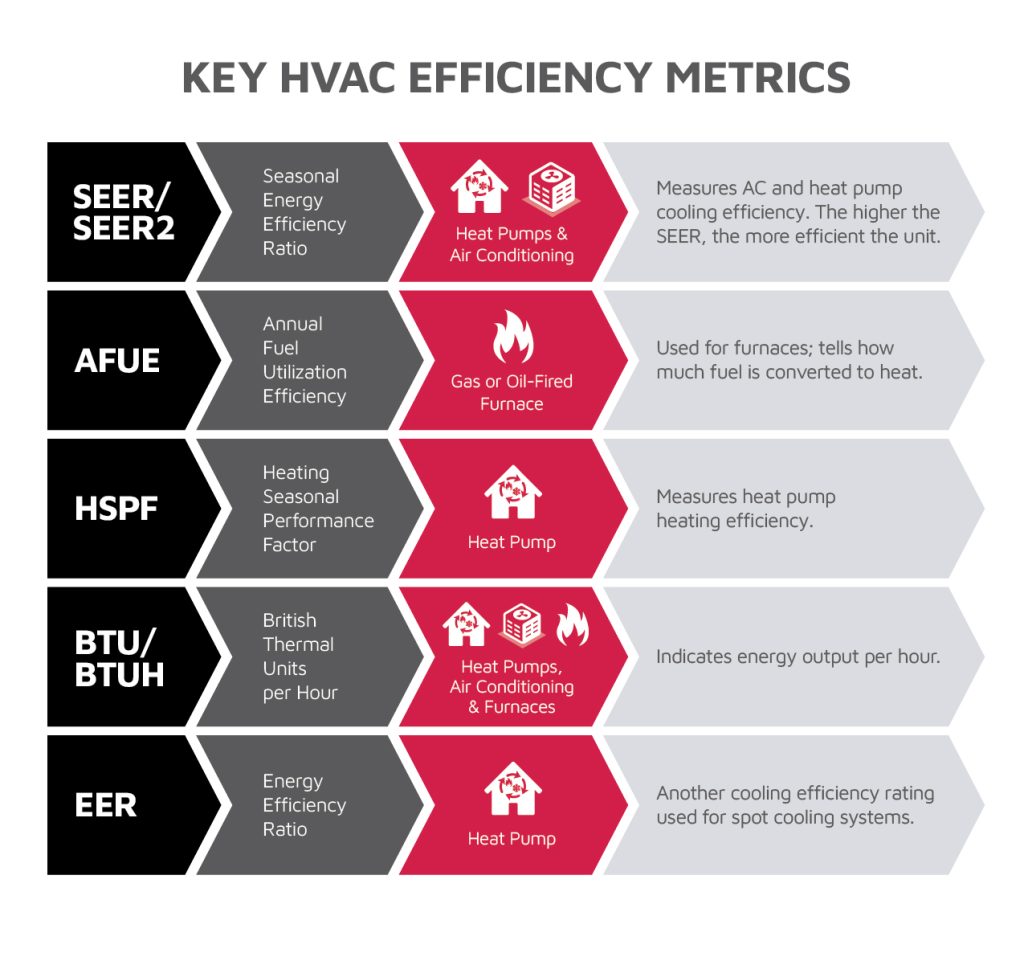
Have you ever wondered what people actually do in HVAC? If you’re curious about how heating, ventilation, and air conditioning systems work or what a career in HVAC looks like, you’re in the right place.
Understanding HVAC can help you keep your home comfortable or even open doors to a rewarding job. Keep reading, and you’ll discover exactly what goes on behind the scenes in the world of HVAC—and why it matters to you.

Credit: www.furnaceprices.ca
Hvac Job Roles
Understanding the roles within HVAC work helps you appreciate the skills and tasks involved in keeping homes and businesses comfortable. Each job role targets specific parts of the HVAC system’s life cycle, from setting it up to fixing it when things go wrong. Knowing what each role entails can guide you if you’re considering a career in this field or planning to hire a professional.
Installation Tasks
Installation in HVAC involves setting up heating, ventilation, and air conditioning systems from scratch. You start by reading blueprints and assessing the space to ensure the system fits perfectly and works efficiently.
Installing ductwork, wiring, and connecting refrigerant lines are key parts of the job. Precision matters here because a small mistake can cause energy loss or system failure. Have you ever wondered how technicians decide where to place vents and thermostats? It’s all about maximizing airflow and comfort.
Maintenance Duties
Maintenance keeps HVAC systems running smoothly and extends their lifespan. Technicians check filters, clean coils, and inspect electrical components regularly to prevent breakdowns.
They also calibrate thermostats and test system controls. These routine checks save you from unexpected repairs and high energy bills. Think about the last time your AC stopped working on a hot day—regular maintenance could have stopped that.
Repair Responsibilities
Repair work demands quick diagnosis and fixing of HVAC issues. You might deal with refrigerant leaks, broken fans, or faulty compressors that cause discomfort and inefficiency.
Repairs often require replacing worn parts or recalibrating system settings. A skilled technician can spot problems others miss and restore comfort fast. Have you noticed strange noises or smells from your HVAC? Ignoring them could lead to bigger problems.
Core Technical Skills
Mastering the core technical skills in HVAC is essential for anyone aiming to excel in this field. These skills form the backbone of your daily tasks and troubleshooting efforts. Without a solid grasp of these areas, even the simplest repair can turn into a complex challenge.
Electrical Knowledge
Understanding electrical components is crucial for HVAC work. You’ll deal with wiring, circuit boards, and motors regularly. Knowing how to safely handle and test electrical parts not only protects you but also prevents system failures.
Have you ever faced a system that won’t turn on? Often, the issue lies in a blown fuse or faulty wiring. Being able to quickly identify and fix these electrical problems saves time and frustration.
System Diagnostics
Diagnosing an HVAC system requires sharp observation and logical thinking. It’s about pinpointing the exact cause of a malfunction rather than guessing. Using tools like multimeters, pressure gauges, and temperature sensors helps you gather the data you need.
Think about the last time you found a hidden leak or an airflow issue. Those moments prove the value of strong diagnostic skills. How fast can you spot a problem that others might miss?
Refrigeration Techniques
Handling refrigerants correctly is a specialized skill in HVAC. You need to know how to charge, recover, and recycle refrigerants following safety and environmental regulations. Proper techniques ensure the system runs efficiently and prevents costly damage.
Did you know that incorrect refrigerant levels can cause a system to freeze or overheat? Your hands-on experience with these techniques directly impacts system performance and customer satisfaction.
Soft Skills Needed
Working in HVAC requires more than just technical know-how. Your success depends heavily on soft skills that help you handle unexpected challenges, connect with customers, and manage your workload efficiently. These skills shape how you respond to daily tasks and influence your reputation in the field.
Problem-solving Abilities
Every HVAC job throws a unique problem your way. You need to quickly figure out what’s wrong and decide on the best fix. Think about a time when a system didn’t work as expected—did you rely on guesswork, or did you analyze the symptoms logically?
Strong problem-solving means breaking down complex issues into smaller parts. It also means staying calm when a solution isn’t obvious. These abilities prevent delays and reduce costly errors, making you a reliable technician.
Customer Service
Your interaction with customers can make or break your professional image. HVAC work often happens in people’s homes or businesses, so respect and clear communication are key. How do you explain technical issues in a way your customer can understand without sounding confusing?
Good customer service builds trust and encourages repeat business. Simple actions like listening carefully and following up on service calls can leave a lasting positive impression. Remember, you’re not just fixing equipment—you’re solving problems for people.
Time Management
HVAC jobs can vary in length and complexity, so managing your time well is crucial. You might have multiple appointments in a day or emergency calls that disrupt your schedule. How do you prioritize tasks to stay productive without rushing?
Effective time management means planning your day realistically and allowing room for unexpected issues. Using tools like calendars or job-tracking apps can keep you on track. When you control your time, you control your success.
Training And Certification
Training and certification form the foundation of a career in HVAC. They ensure technicians have the right skills to install, maintain, and repair heating and cooling systems safely and efficiently. Proper training helps workers understand complex systems and follow safety standards.
Certification shows employers and customers that a technician meets industry standards. It also opens doors to better job opportunities and higher pay. The path to becoming a certified HVAC technician involves several key steps.
Apprenticeship Programs
Apprenticeships combine hands-on work with classroom learning. They usually last 3 to 5 years. During this time, apprentices work under experienced technicians. This helps them gain real-world skills and knowledge.
Apprentices learn to install, service, and troubleshoot HVAC systems. They also study safety rules and customer service. Many apprenticeships are sponsored by unions or trade organizations. Completing one often leads to certification eligibility.
Licensing Requirements
Licensing rules vary by state and country. Some places require HVAC technicians to hold a license before working independently. Licensing ensures technicians meet local codes and regulations.
To get a license, candidates usually must pass an exam. The test covers technical skills, safety, and legal knowledge. Renewing a license may need proof of ongoing education or work experience.
Continuing Education
HVAC technology changes rapidly. Continuing education keeps technicians up to date. It involves classes, workshops, or online courses.
Technicians learn about new tools, energy-efficient systems, and safety practices. Many employers require ongoing training to maintain certification or licenses. This education helps technicians stay competitive and skilled.
Career Growth Paths
Exploring HVAC offers diverse career growth paths. Technicians can advance to roles like system designers or project managers. Continuous learning and certifications enhance opportunities in this dynamic industry.
Understanding the career growth paths in HVAC can open doors to a rewarding future. The industry offers a variety of roles that cater to different skills and interests. Whether you’re just starting or looking to specialize, there’s a path for you. Let’s explore how you can navigate these opportunities.Entry-level Positions
Starting in HVAC can be exciting and challenging. Entry-level positions typically include roles like HVAC Technician Assistant or Installer. These positions allow you to learn the ropes and develop essential skills. Working under experienced professionals, you’ll gain hands-on experience. This foundation is crucial as you build your career. Ask yourself: What skills can you develop now to advance later?Advanced Roles
As you gain experience, advanced roles become accessible. Positions like HVAC Technician or System Designer require more expertise. These roles often involve leadership and problem-solving skills. Taking on these responsibilities can significantly boost your career. You’ll find yourself handling complex systems and leading projects. Are you prepared to tackle these challenges and grow your expertise?Specialization Options
Specialization can lead to a fulfilling career in HVAC. Options include focusing on areas like refrigeration, solar heating, or energy efficiency. Specializing allows you to become an expert in a niche field. This expertise can make you highly sought after in the industry. It also provides opportunities for higher pay and unique projects. Which specialization aligns with your passion and career goals? Embracing these growth paths can lead to a successful and satisfying career in HVAC. Each path offers unique opportunities and challenges. Consider your skills, interests, and future aspirations as you carve your niche in this dynamic industry.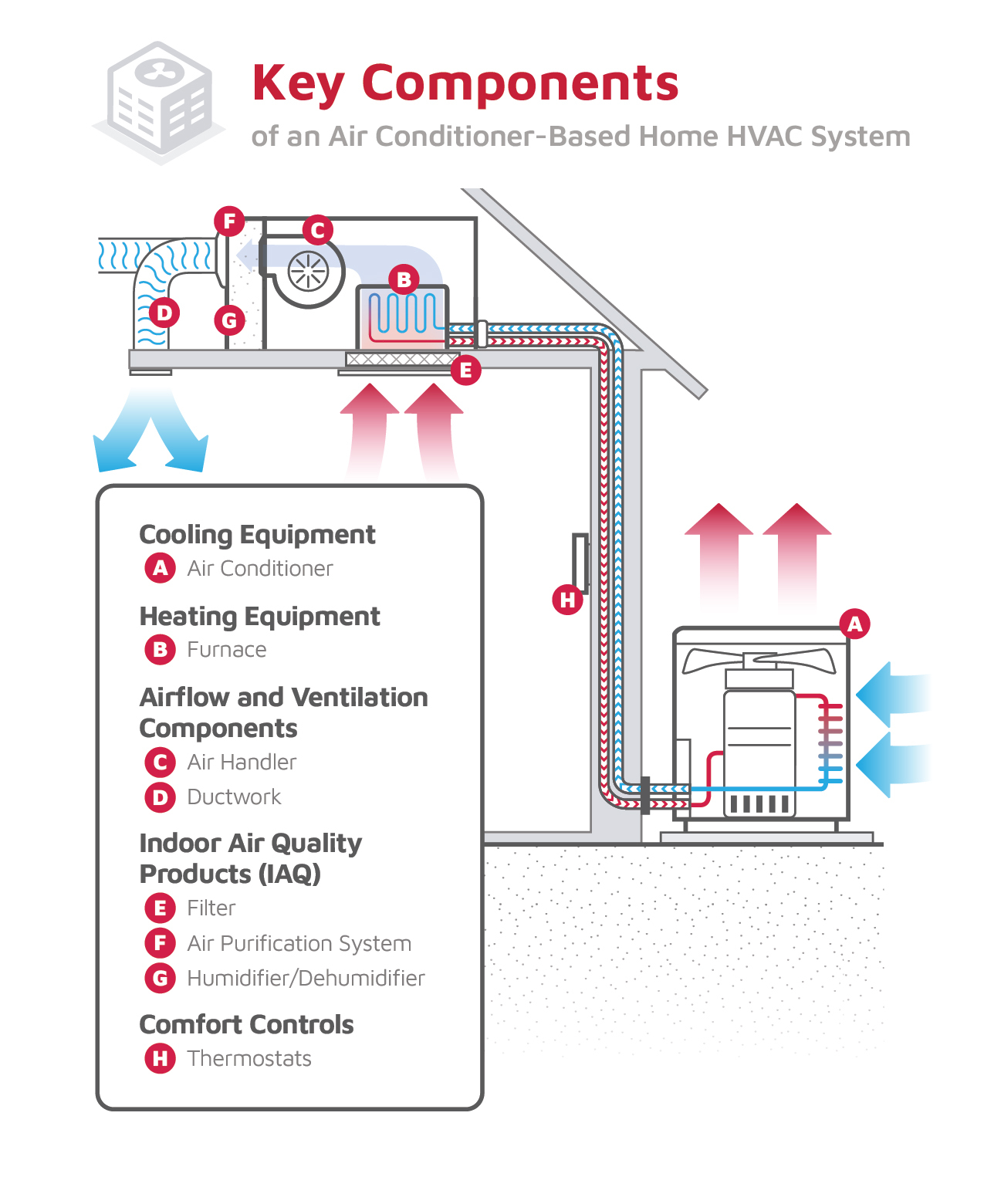
Credit: www.lennox.com
Work Environment
The work environment in HVAC involves various settings and conditions. Technicians face different challenges every day. Understanding the environment helps prepare for the job’s demands. Safety and adaptability are key to success in HVAC roles.
Typical Job Sites
HVAC technicians work in homes, offices, and factories. They may visit new construction sites or existing buildings. Outdoor work is common for large equipment installation. Each site has unique setups and tools. Flexibility is important for these changing environments.
Work Hours And Conditions
Work hours can vary widely in HVAC jobs. Some days follow a regular 9-to-5 schedule. Emergencies might require nights or weekends. The work may involve lifting heavy equipment. Technicians often work in tight spaces or on ladders. Weather conditions affect outdoor tasks.
Safety Practices
Safety is a top priority in HVAC work. Technicians use protective gear like gloves and goggles. Proper training helps avoid electrical and chemical hazards. Regular equipment checks prevent accidents. Following safety rules reduces injury risks. Staying alert keeps everyone safe on the job.
Industry Trends
The HVAC industry is evolving rapidly, influenced by new technologies and shifting customer expectations. Staying updated on these trends helps you understand how your work fits into a bigger picture. It also highlights ways you can improve efficiency, save energy, and meet growing demand.
Green Hvac Technologies
More people want eco-friendly heating and cooling solutions. You can work with systems that use natural refrigerants like propane or CO2 instead of harmful chemicals. These options reduce environmental impact and often lower energy bills.
Energy-efficient equipment, such as variable speed compressors and smart thermostats, is becoming standard. Have you considered how using greener technology could make your service stand out? Clients appreciate when you help them save money and protect the planet at the same time.
Smart Systems Integration
Smart HVAC systems allow you to connect devices through apps and home automation platforms. This gives users control over temperature, humidity, and air quality from their phones. You can install and maintain these systems, adding more value to your services.
Integrating sensors and AI for predictive maintenance is another growing trend. This means fewer breakdowns and faster fixes, which keeps customers happier. How can you adapt your skills to support these smart systems and stay competitive?
Market Demand
Demand for HVAC services keeps growing due to population growth and extreme weather patterns. More homeowners and businesses want reliable, efficient systems that perform well year-round. This creates opportunities for you to expand your expertise and client base.
Specializing in areas like indoor air quality or renewable energy sources can set you apart. What niche could you develop to meet your community’s needs better? Understanding market demand helps you focus your efforts where they matter most.
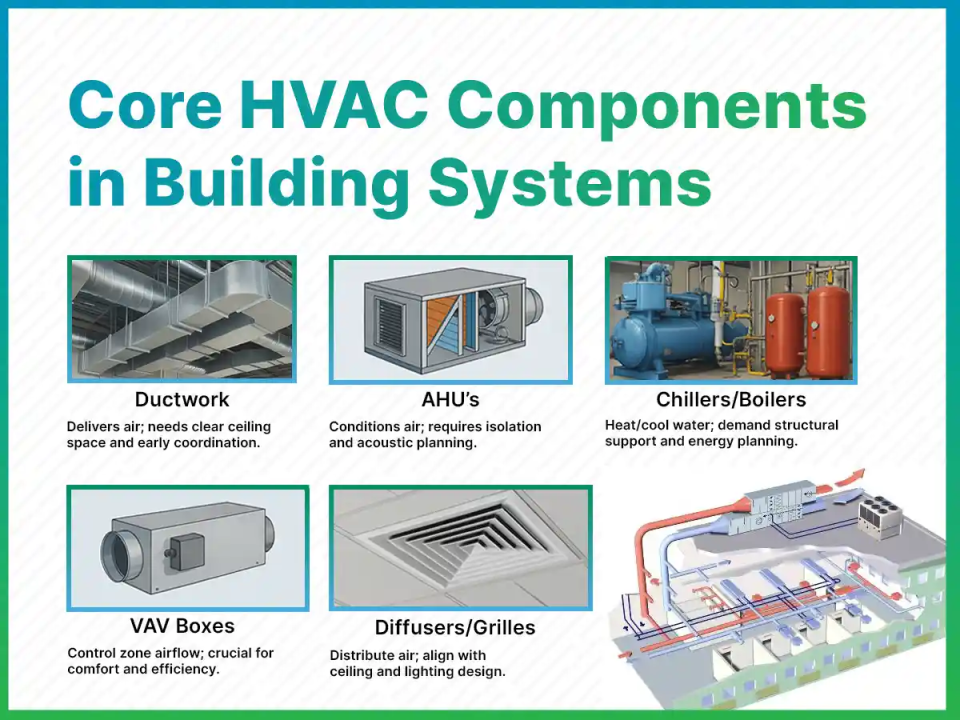
Credit: www.tejjy.com
Frequently Asked Questions
What Does An Hvac Technician Do Daily?
An HVAC technician installs, maintains, and repairs heating, ventilation, and air conditioning systems. They ensure systems run efficiently and safely.
How Do Hvac Professionals Improve Indoor Air Quality?
They clean and replace filters, inspect ducts, and fix ventilation issues. This reduces pollutants and improves overall air quality.
What Skills Are Essential For Hvac Jobs?
Technical knowledge, problem-solving, manual dexterity, and good communication are key. Understanding electrical and mechanical systems is also important.
Why Is Hvac Maintenance Important?
Regular maintenance prevents breakdowns, improves system efficiency, and extends equipment lifespan. It also helps reduce energy costs and ensures safety.
Conclusion
HVAC work keeps homes and buildings comfortable year-round. Technicians install, repair, and maintain heating and cooling systems. They ensure air quality and energy efficiency. This job requires skill, knowledge, and attention to detail. Good HVAC service saves money and prevents problems.
It also helps protect health by improving air flow. Many people depend on HVAC experts every day. This field offers steady work and useful skills. A career in HVAC means helping others stay comfortable and safe. Simple but important work, done well.



