
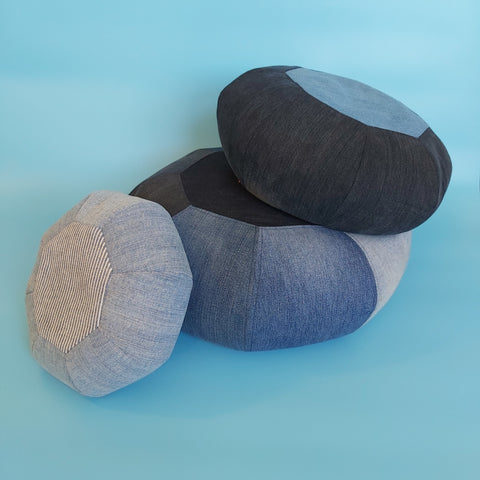
Are you wondering what to fill your pouf with to make it comfortable and durable? Choosing the right filling can change everything—from how your pouf feels when you sit down to how long it lasts.
You might think it’s just about stuffing it with anything, but the truth is, the filling inside plays a huge role in your comfort and style. Keep reading to discover the best options that suit your needs and transform your pouf into the perfect spot to relax.
Credit: medium.com
Types Of Pouf Fillings
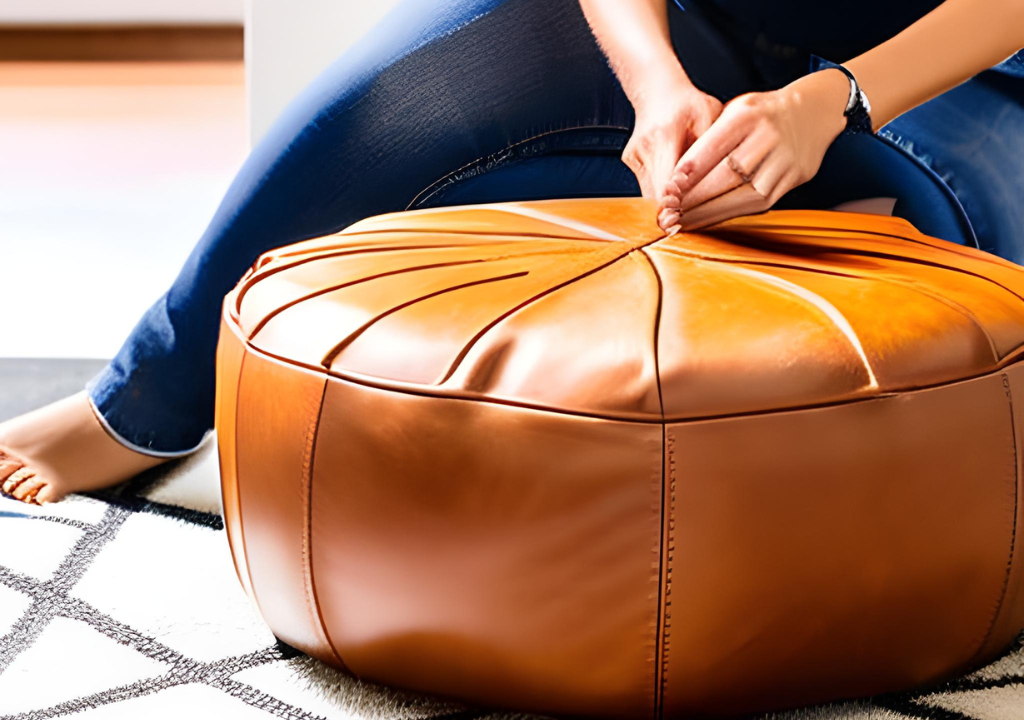
Poufs come in many shapes and sizes, but their comfort depends on what fills them. The filling affects softness, support, and durability. Choosing the right filling helps match the pouf to your needs and style. Below are common types of pouf fillings used today.
Foam Beads
Foam beads are tiny, lightweight balls. They offer good support and flexibility. Poufs with foam beads can mold to your body shape. They are affordable and easy to refill. Some beads may flatten over time, needing replacement.
Polyester Fiberfill
Polyester fiberfill is soft and fluffy. It makes poufs feel plush and cozy. This filling is hypoallergenic and resists moisture. It keeps the pouf looking full for longer. Ideal for decorative poufs with light use.
Memory Foam
Memory foam contours to the body for extra comfort. It offers firm support and pressure relief. Poufs filled with memory foam hold their shape well. This filling is heavier and pricier than others. Best for poufs used as footrests or seats.
Natural Fillings
Natural fillings include cotton, wool, or buckwheat hulls. They are eco-friendly and breathable. These fillings provide firm support and good airflow. Natural materials may require fluffing to maintain shape. Great for those preferring sustainable options.
Recycled Materials
Recycled fillings reuse materials like shredded foam or fabric scraps. They reduce waste and lower costs. These fillings can vary in softness and durability. Recycled poufs appeal to eco-conscious users. Check the quality to ensure comfort.

Credit: www.amazon.ca
Choosing The Right Filling
Choosing the right filling for your pouf makes all the difference in how it looks, feels, and lasts. The filling affects comfort, support, and even the pouf’s lifespan. Think about how you plan to use your pouf and what qualities matter most to you before making a choice.
Comfort And Support
Comfort is key if you want your pouf to be a cozy spot to rest your feet or sit on. Some fillings offer soft cushioning, while others provide firmer support. For example, memory foam molds to your body, giving personalized comfort, whereas polystyrene beads offer a lighter, more flexible feel.
Ask yourself: do you want a pouf that sinks in or one that holds its shape? Your answer will guide you toward the right filling type.
Durability
The filling’s durability affects how long your pouf stays in good shape. Some materials compress and lose their bounce quickly, making the pouf look flat and worn out.
High-density foam and shredded foam tend to keep their form longer than polystyrene beads. But beads can be easily refilled, which can extend the life of your pouf without replacing it entirely.
Allergen Considerations
If you or someone in your home has allergies, the filling choice is more important than you might think. Natural fillings like wool can trigger allergies for some, while synthetic fillings like polyester fiberfill are often hypoallergenic.
You might also want to consider fillings that resist dust mites and mold. This is especially important if your pouf is in a humid environment or used frequently.
Cost Factors
Budget plays a big role in deciding what to fill your pouf with. Polystyrene beads are generally affordable and easy to find, making them a popular choice for budget-conscious buyers.
On the other hand, memory foam and natural fillings tend to be pricier but offer better comfort and durability. Think about how much you’re willing to spend versus how often you want to replace or refill your pouf.
Filling Techniques
Filling a pouf involves more than just stuffing it with material. The right technique ensures comfort and durability. Let’s explore some effective filling techniques for your pouf.
Layering Fillings
Layer different materials for a unique feel and look. Start with a firm base using dense foam pieces. This provides structure and support. Next, add a softer layer like polyester fiberfill. It gives plushness and comfort. Finish with a top layer of shredded memory foam. This adapts to the shape and adds luxury.
Adjusting Firmness
Firmness affects comfort and use. Want a firmer pouf? Add more foam pieces. This increases support and holds shape. Prefer a softer feel? Use more fiberfill or down feathers. These materials compress easily, offering a softer touch. Adjust materials until you achieve desired firmness.
Sealing The Pouf
Proper sealing keeps fillings in place. Use a durable inner liner to contain materials. This prevents leakage and maintains shape. Secure the outer cover with a strong zipper or Velcro. It allows easy access for adjustments. Regularly check closures to ensure they remain secure.
Maintaining And Refilling Poufs
Maintaining and refilling your pouf is key to keeping it comfortable and stylish over time. Poufs lose their shape and softness as the filling compresses or shifts. Knowing when and how to refresh the filling can extend your pouf’s life and keep it inviting.
Signs You Need To Refill
Notice your pouf looking flat or lumpy? That’s a clear signal the filling is worn out. If you feel the frame or stitching through the cover, it’s time to add more filling. When sitting on it feels less supportive or you notice uneven surfaces, don’t ignore it—refilling can restore comfort quickly.
Cleaning Tips
Before refilling, clean your pouf cover to remove dust and dirt. Check the care label and either spot clean or machine wash if possible. Let the cover dry completely to avoid trapping moisture inside the filling, which can cause mold or odors.
For the filling itself, freshen it by fluffing or shaking out loose beads or stuffing. Vacuuming around seams can also help remove hidden debris. Keeping both cover and filling clean ensures your pouf stays fresh and comfortable.
Refilling Step-by-step
- Open the zipper or carefully unzip the pouf cover.
- Remove old filling if it’s too compressed or dirty.
- Choose the right filling type—polystyrene beads, shredded foam, or natural fibers depending on your comfort preference.
- Slowly add the new filling, shaking the pouf occasionally to distribute it evenly.
- Test firmness by sitting on it and add more filling if needed for extra support.
- Zip the cover back up securely, making sure the filling stays in place.
Have you ever tried refilling a pouf and found it surprisingly easy to customize your comfort? This simple maintenance can make your pouf feel like new and save you from buying a replacement. What filling type do you think would suit your space best?
Creative Filling Alternatives
Choosing the right filling for your pouf can turn an ordinary piece of furniture into something truly unique. Creative filling alternatives not only save money but also add character and comfort. You might find yourself surprised by how simple materials can give your pouf a fresh, personalized feel.
Using Old Clothes
Old clothes make an excellent, budget-friendly pouf filling. They are soft, easy to collect, and help reduce waste in your home. Just cut or tear your worn-out shirts, jeans, or sweaters into small pieces and stuff them tightly inside the pouf cover.
Have you ever thought about turning your sentimental but unusable clothes into a cozy seating spot? It’s a great way to keep memories alive while being practical. Plus, adjusting the amount of fabric lets you control the firmness of your pouf.
Bean Bag Fillings
Bean bag fillings, like expanded polystyrene beads, offer a lightweight and moldable option for poufs. They adjust to your body shape, making your pouf super comfy for lounging. You can find these beads in craft stores or online in various sizes and densities.
If you want a pouf that’s easy to move around and always feels soft, this filling is a smart choice. Just be careful when filling to avoid spilling the beads, as they can be tricky to clean up.
Eco-friendly Options
Eco-conscious individuals often look for sustainable pouf fillings. Natural materials like buckwheat hulls, coconut coir, or shredded natural latex are biodegradable and provide firm support. These options also help maintain good air circulation inside the pouf, preventing moisture buildup.
Have you considered how filling your pouf with eco-friendly materials could impact your environmental footprint? These sustainable choices make your home greener and add a unique texture to your furniture. Plus, they often last longer than synthetic fillings.
Credit: www.amazon.ca
Frequently Asked Questions
What Materials Are Commonly Used To Fill A Pouf?
Poufs are usually filled with beads, foam, cotton, or recycled fabric. Beads offer firmness, foam adds comfort, and cotton provides softness. Recycled fabric is eco-friendly and budget-friendly. Each material affects the pouf’s shape and durability differently.
Can I Use Old Clothes To Fill A Pouf?
Yes, old clothes can be shredded and used as pouf filling. This method is eco-friendly and cost-effective. However, the pouf may be less supportive and compress over time. It’s ideal for decorative or light-use poufs.
How Does Foam Filling Benefit A Pouf?
Foam filling makes poufs soft and supportive. It maintains shape well and offers comfort for sitting. High-density foam lasts longer and resists flattening. Foam-filled poufs work well for frequent use and indoor settings.
Are Bean Bag Beads Suitable For Pouf Filling?
Yes, bean bag beads are popular for pouf filling. They are lightweight, moldable, and provide good support. Beads allow the pouf to conform to your body shape. However, they may compress and need occasional refilling.
Conclusion
Choosing what to fill a pouf with depends on comfort and use. Lightweight beads offer easy shape changes. Foam pieces provide soft, cushy support. Natural materials like straw add a rustic feel. Remember to pick filling that fits your style and needs.
Filling your pouf right makes it a cozy, useful piece. Try different options to see what feels best. Your perfect pouf awaits with the right filling inside.



