
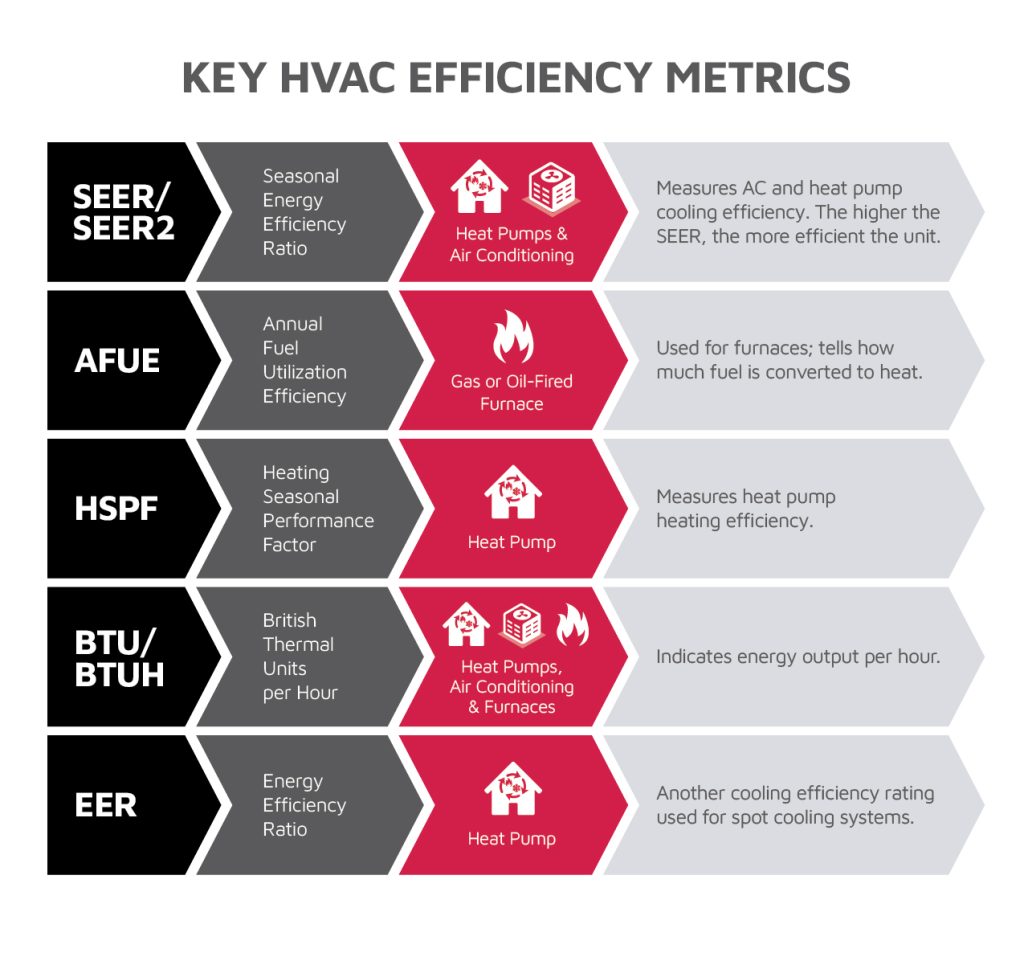
Have you ever wondered what HVAC really means and why it matters for your home or office? Whether you’re feeling too hot in summer or too cold in winter, HVAC systems play a big role in keeping you comfortable.
But what exactly goes into these systems? Understanding HVAC can help you make smarter choices about your heating, cooling, and ventilation needs. Keep reading, and you’ll discover simple answers that can save you money and improve your everyday comfort.
Credit: www.carrier.com
Hvac Basics
Understanding the basics of HVAC is essential for anyone looking to improve their home’s comfort or save on energy bills. HVAC systems play a crucial role in maintaining the perfect indoor environment, regardless of the weather outside. Let’s break down what HVAC really means, the key parts that make it work, and how these systems keep your space just right.
What Hvac Stands For
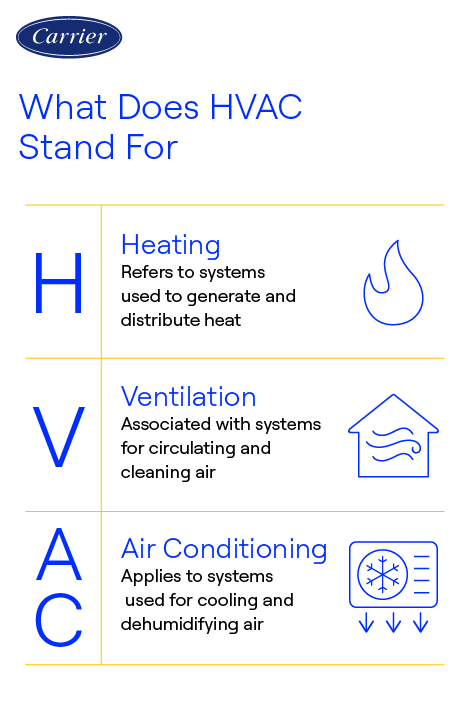
HVAC stands for Heating, Ventilation, and Air Conditioning. Each part has a specific job:
- Heatingkeeps your home warm during cold months.
- Ventilationensures fresh air circulates and removes stale air.
- Air Conditioningcools down your home when temperatures rise.
Have you ever wondered how a single system can handle both heating and cooling so efficiently? That’s the magic of HVAC.
Core Components
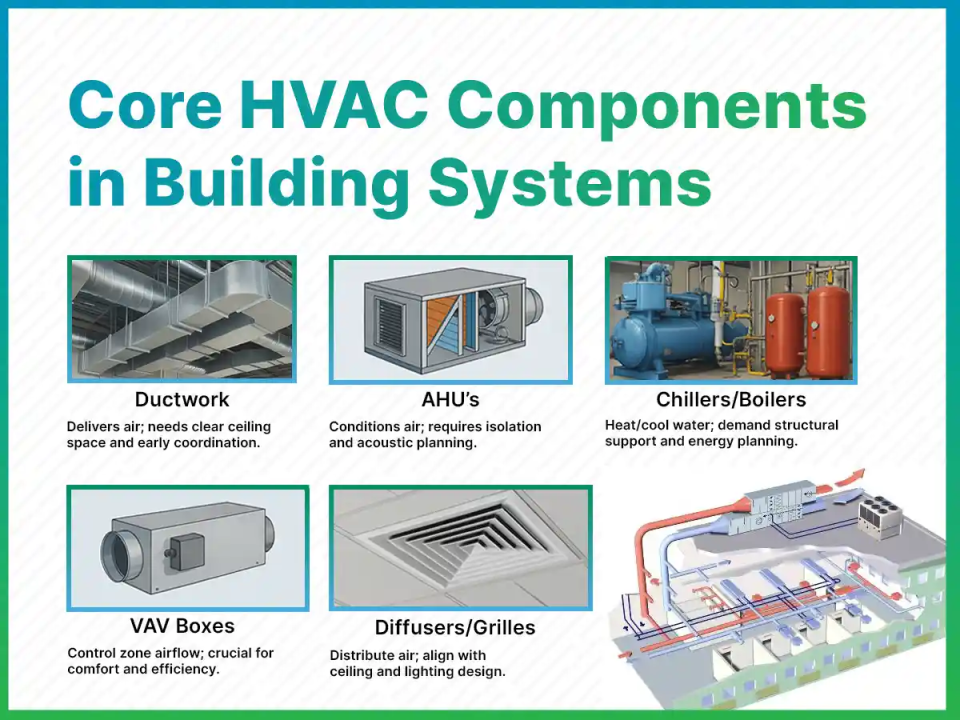
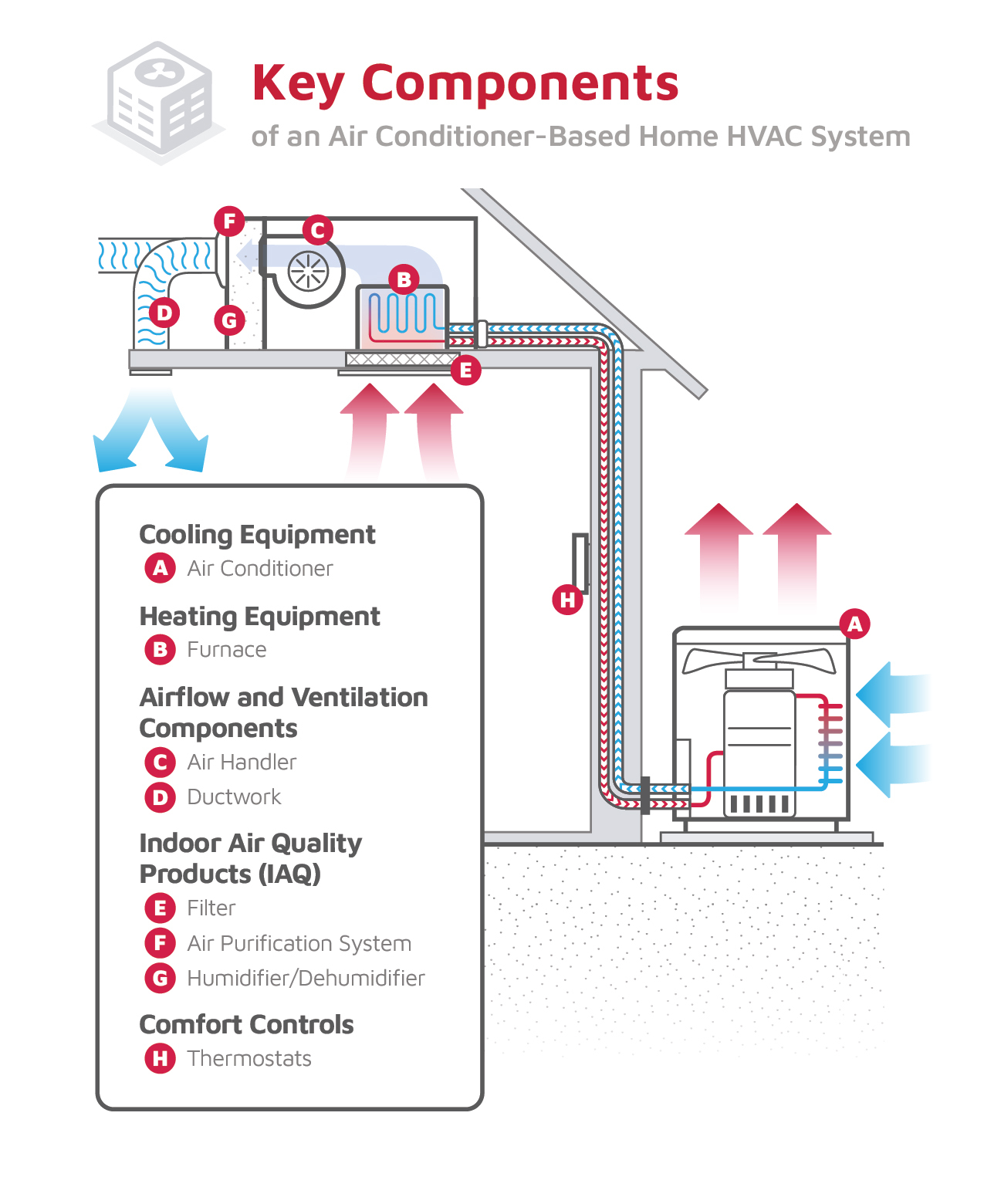
Every HVAC system consists of several core parts working together seamlessly:
- Thermostat:Your control center for temperature settings.
- Furnace or Heat Pump:Generates heat to warm your home.
- Air Conditioner:Removes heat from indoor air to cool the space.
- Ductwork:Channels air throughout your home.
- Ventilation Fans:Help move air and improve air quality.
Imagine trying to control each of these parts separately—it would be confusing and inefficient. The HVAC system simplifies everything into one manageable setup.
How Hvac Systems Work
Your HVAC system responds to the thermostat’s signals to adjust your home’s temperature.
When you set the thermostat higher, the heating component kicks in, warming the air and distributing it through ducts. If you lower the temperature, the air conditioner activates, pulling heat out of your home and blowing cool air inside.
Ventilation works continuously to bring fresh air in and push stale air out, which helps prevent indoor air pollution. Think about how a stuffy room feels after a while—ventilation fixes that by keeping air fresh.
Do you pay attention to how your home’s air feels during different seasons? Understanding this process helps you troubleshoot and maintain your system better.
Credit: www.tejjy.com
Types Of Hvac Systems
HVAC stands for heating, ventilation, and air conditioning. It refers to systems that control indoor temperature and air quality. Different types include split systems, ductless mini-splits, and packaged units.
In the world of climate control, HVAC systems play a crucial role. They ensure comfortable indoor environments by managing air quality, temperature, and humidity. There are various types of HVAC systems, each catering to different needs and spaces. Understanding these types can help you make an informed choice for your home or office.Central Air Conditioning
Central air conditioning is common in large buildings and homes. It cools air at a central location, distributing it through ducts. This system maintains a consistent temperature throughout the space. It’s ideal for those seeking uniform cooling.Ductless Systems
Ductless systems, or mini-splits, offer flexibility. They don’t require ductwork, making them perfect for older buildings. These systems consist of an indoor unit and an outdoor compressor. They are efficient and allow for zone cooling, which saves energy.Heat Pumps
Heat pumps are versatile. They provide both heating and cooling. In warm months, they move heat outside, cooling your home. In colder months, they extract heat from outside to warm your space. This makes them energy-efficient and economical.Furnaces And Boilers
Furnaces and boilers are traditional heating options. Furnaces heat air and distribute it through ducts. Boilers heat water, providing warmth through radiators or underfloor pipes. Both systems are reliable and effective for cold climates.Heating Methods
Heating your home efficiently is key to comfort and energy savings. Different heating methods offer various benefits depending on your needs and location. Understanding these options helps you make better decisions for your HVAC system and wallet.
Gas Heating
Gas heating uses natural gas or propane to warm your space. It’s popular because it heats up rooms quickly and is often cheaper than electric heating. You might notice a warm, steady heat that feels natural and cozy.
If you’ve ever smelled a faint gas scent or heard your furnace kick on, you’ve experienced gas heating in action. Safety is important here; regular maintenance ensures your system runs smoothly without leaks.
Electric Heating
Electric heating converts electricity directly into heat using coils or panels. It’s easy to install and works well in smaller spaces or areas without gas lines. Many people like the clean operation and precise control electric heaters offer.
However, electric heating can raise your energy bills if used extensively. Have you checked how much your electric heater costs to run compared to gas? That’s a question worth asking before switching.
Radiant Heating
Radiant heating warms surfaces like floors or walls instead of just the air. You might find this in underfloor heating systems, which feel like a gentle warmth under your feet. It’s silent, energy-efficient, and doesn’t stir up dust.
Think about the last time you walked barefoot on a cold floor—radiant heating changes that experience entirely. It’s especially great for people with allergies or those who dislike forced air drafts.
Geothermal Heating
Geothermal heating taps into the earth’s constant underground temperature to heat your home. It uses a heat pump system that moves heat from the ground into your house during winter. This method is eco-friendly and can reduce your heating costs significantly over time.
Installing geothermal systems requires upfront investment and space for underground loops. But if you’re thinking long-term, this approach can be a smart, sustainable choice. Would you consider using the earth’s natural warmth for your heating needs?
Cooling Techniques
Cooling techniques are essential for maintaining comfort and air quality in your home or workspace. They focus on lowering indoor temperatures and improving air circulation. Understanding different cooling methods can help you choose the best solution for your needs and climate.
Air Conditioning Options
Air conditioning is the most common way to cool indoor spaces. You can choose from window units, split systems, or central air conditioning depending on your space and budget.
Window units are affordable and easy to install, perfect for single rooms. Split systems offer quieter operation and better energy efficiency for larger areas. Central air conditioning cools entire buildings but requires professional installation.
Have you considered how the size of your space impacts your air conditioning choice? Oversized units waste energy, while undersized ones struggle to cool effectively.
Evaporative Cooling
Evaporative cooling uses water evaporation to reduce air temperature. It works best in dry climates where humidity is low.
These systems are energy-efficient and cost less to run than traditional air conditioners. You might have seen swamp coolers, which are popular examples of evaporative coolers.
Think about whether your local climate supports this method. High humidity areas may find evaporative cooling less effective or even uncomfortable.
Ventilation Strategies
Ventilation moves fresh air through your space, helping to remove heat and improve air quality. Natural ventilation uses windows and vents, while mechanical ventilation relies on fans and duct systems.
Cross-ventilation can cool your home without electricity by allowing air to flow between opposite sides. Exhaust fans in kitchens and bathrooms remove hot, stale air quickly.
Have you checked if your home layout supports good airflow? Sometimes small changes like adding vents or using ceiling fans can make a big difference in comfort.
Energy Efficiency Tips
Energy efficiency in HVAC systems lowers electricity bills and reduces environmental impact. Small changes can make a big difference in how your system performs. Focus on key areas that improve comfort and save energy.
Proper Insulation
Insulation keeps warm or cool air inside your home. Good insulation reduces the work your HVAC system must do. Seal gaps around windows, doors, and walls to stop air leaks. Use weather stripping and caulking for better sealing. Proper insulation improves comfort and cuts energy costs.
Thermostat Settings
Setting your thermostat wisely saves energy every day. Keep it higher in summer and lower in winter. Use programmable thermostats to adjust temperatures automatically. Avoid extreme temperature changes to reduce strain on your HVAC system. Small adjustments lead to noticeable savings.
Regular Maintenance
Keep your HVAC system clean and working well. Change filters every 1 to 3 months to improve air flow. Clean ducts and vents to remove dust and debris. Schedule annual professional checkups to catch problems early. Well-maintained systems use less energy and last longer.
Choosing The Right Hvac System
Choosing the right HVAC system is essential for comfort and energy savings. The right system keeps your home warm in winter and cool in summer. It also helps maintain good air quality. Selecting an HVAC system involves careful thought about your home’s needs, size, and budget. Each factor affects how well the system works and how much it costs to run.
Assessing Your Needs
Start by evaluating your home’s heating and cooling needs. Consider the climate in your area. Think about the size of your home and how many rooms need temperature control. Check if anyone in your family has allergies or respiratory problems. These conditions may require better air filtration. Look at your current system’s performance. Note any problems like uneven temperatures or high energy bills. This helps decide if you need a new system or just repairs.
Sizing Your System
Choosing the right size HVAC system is crucial. A system too small won’t heat or cool your home well. One too large wastes energy and causes frequent cycling. Proper sizing depends on your home’s square footage, insulation, and window quality. Professionals use calculations called Manual J to find the perfect size. This method considers heat gain and loss. A correctly sized system improves comfort and reduces costs.
Budget Considerations
Set a clear budget for your HVAC purchase. Include costs for the unit, installation, and future maintenance. Energy-efficient models may cost more upfront but save money later. Consider the system’s lifespan and warranty. Cheaper systems might need frequent repairs. Balance initial expenses with long-term savings. Financing options can help spread out costs. Prioritize quality and efficiency to avoid extra expenses down the road.
Common Hvac Problems
HVAC systems are essential for maintaining comfort in homes and offices. These systems can face issues that reduce their efficiency. Understanding common HVAC problems helps in quick identification and repair.
Regular maintenance can prevent many issues. Early detection of problems saves money and avoids discomfort.
No Heating Or Cooling
One common problem is the lack of heating or cooling. The system may run but fail to produce warm or cool air. This can happen due to:
- Thermostat issues
- Dirty filters blocking airflow
- Low refrigerant levels
- Faulty compressors or motors
Checking these parts often solves the issue quickly.
Strange Noises
Unusual sounds from the HVAC system signal a problem. Common noises include banging, rattling, or squealing. These noises might mean:
- Loose or broken parts
- Worn-out belts
- Debris inside the unit
- Motor problems
Ignoring strange noises can cause bigger damage later.
Poor Air Quality
HVAC problems can also affect air quality. Dust, mold, or allergens may build up inside the system. Causes include:
- Dirty air filters
- Clogged ducts
- Moisture buildup
- Neglected maintenance
Poor air quality can lead to health issues and discomfort indoors.
Maintenance And Care
HVAC stands for Heating, Ventilation, and Air Conditioning. It controls indoor temperature and air quality. Proper maintenance keeps systems working efficiently and lasts longer.
Maintaining and caring for your HVAC system is crucial to ensure its efficiency and longevity. Regular attention can prevent unexpected breakdowns, save money on energy bills, and maintain a comfortable indoor environment. Ignoring maintenance can lead to costly repairs and reduce the lifespan of your system.Filter Replacement
One of the simplest yet most effective maintenance tasks is replacing the air filter. A dirty filter can block airflow, making your system work harder and consume more energy. Aim to check your filter every month, especially during high usage seasons, and replace it if you notice dirt buildup.System Inspection
Regular system inspections can identify potential issues before they become serious problems. Look for any unusual noises, leaks, or poor airflow. You don’t need to be an expert; just a keen observer. Sometimes, it’s the little things that signal a larger issue.Professional Servicing
While DIY maintenance is essential, professional servicing is equally important. A certified technician can perform a thorough check-up, including testing for leaks, checking thermostat settings, and ensuring all components are in good condition. Scheduling an annual professional inspection can save you from unexpected and costly repairs. How often do you think about your HVAC system’s health? Regular maintenance is your best defense against future headaches. A little care goes a long way in keeping your home comfortable year-round.Latest Hvac Trends
The HVAC industry is evolving fast. New trends focus on comfort, energy savings, and smart technology. These updates help homes and businesses stay efficient and eco-friendly. Understanding the latest HVAC trends can guide better choices for heating and cooling systems.
Smart Thermostats
Smart thermostats learn your schedule and adjust temperatures automatically. They save energy by heating or cooling only when needed. You can control them from a smartphone or voice device. This technology offers convenience and lowers energy bills.
Green Technologies
Green HVAC uses eco-friendly refrigerants and energy sources. Solar-powered systems and heat pumps reduce carbon footprints. These technologies support cleaner air and lower utility costs. Many new units meet strict environmental standards.
Zoning Systems
Zoning systems divide a building into different temperature areas. Each zone has its own thermostat for personalized comfort. This reduces energy waste by cooling or heating only occupied spaces. It improves comfort and lowers energy expenses.
Credit: www.lennox.com
Frequently Asked Questions
What Does Hvac Stand For In Home Systems?
HVAC stands for Heating, Ventilation, and Air Conditioning. It refers to technology that provides indoor comfort by regulating temperature and air quality in buildings.
How Does Hvac Improve Indoor Air Quality?
HVAC systems filter and circulate air to remove dust, allergens, and pollutants. Proper ventilation ensures fresh air and reduces indoor contaminants.
Why Is Hvac Important For Energy Efficiency?
HVAC systems optimize energy use by controlling heating and cooling efficiently. Modern systems reduce energy waste, lowering utility bills and environmental impact.
What Are Common Hvac System Components?
Typical HVAC components include heaters, air conditioners, ventilation ducts, thermostats, and filters. These parts work together to maintain comfortable indoor environments.
Conclusion
HVAC means heating, ventilation, and air conditioning. It helps keep indoor air clean and comfortable. These systems work to cool or warm your home. They also control humidity and air quality. Understanding HVAC helps you maintain a healthy space. Regular care of HVAC saves energy and money.
Now you know what HVAC stands for and why it matters. Simple but important for everyday life.



