
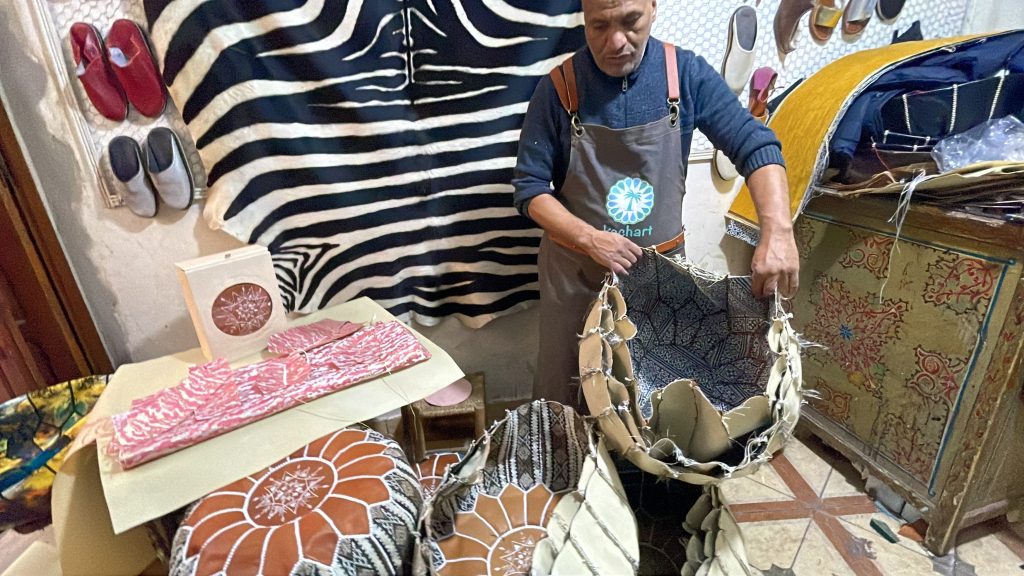
Have you ever wondered what makes a Moroccan pouf so soft, sturdy, and comfortable? If you’re thinking about adding one to your space or even making your own, knowing what to stuff it with is key.
The right filling can transform your pouf from just a pretty decoration into a cozy spot to rest your feet or sit down. You’ll discover the best materials to use, how they affect comfort and durability, and tips to choose the perfect stuffing for your needs.
Keep reading—your ideal Moroccan pouf is closer than you think!
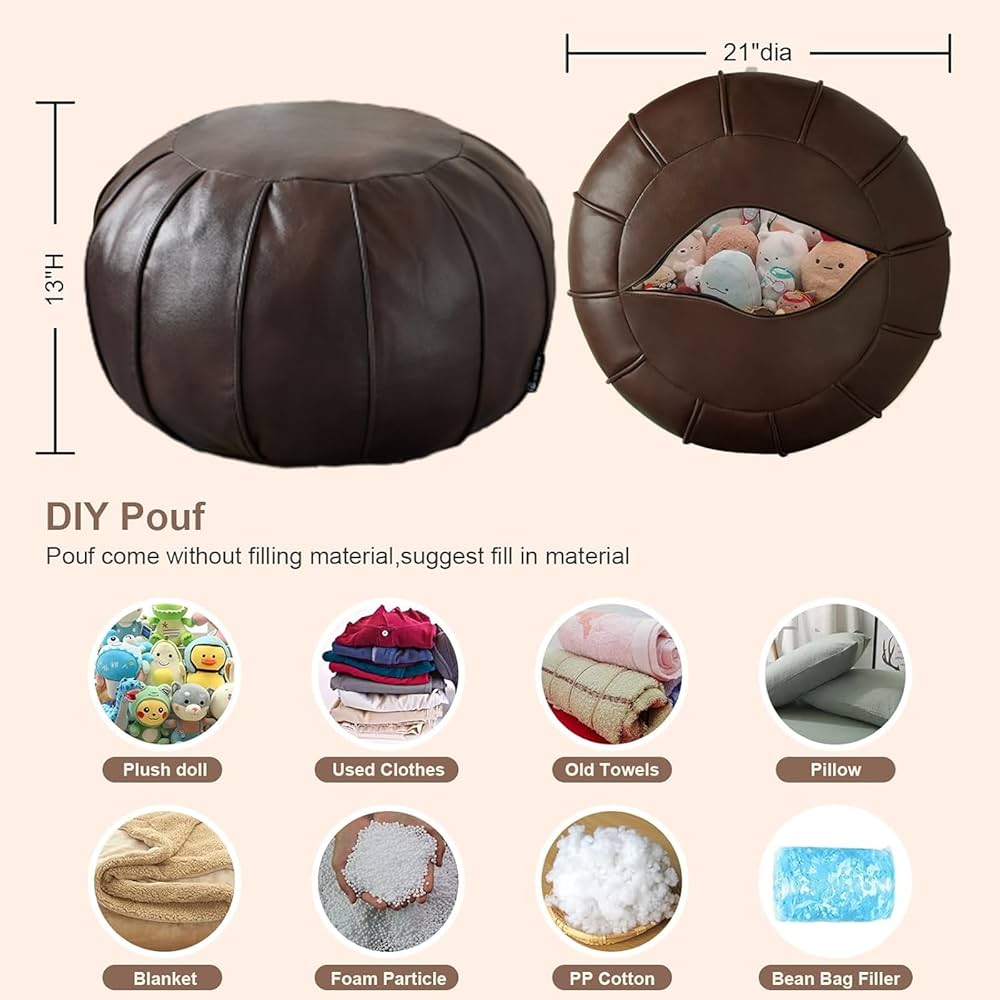
Credit: www.amazon.ca
Types Of Moroccan Poufs
Moroccan poufs come in various styles that reflect rich craftsmanship and cultural heritage. Each type offers a unique look and feel. Understanding these types helps in choosing the right pouf for your space.
Traditional Pouf Styles
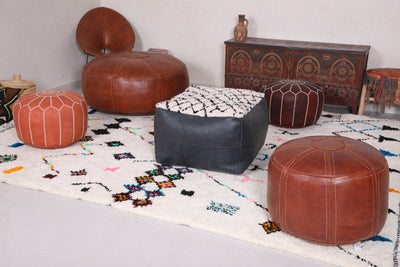
Traditional Moroccan poufs often feature intricate hand-stitched patterns. They use genuine leather, usually in natural shades like tan, brown, and cream. These poufs are filled with materials such as sheep wool, cotton, or old fabric scraps. The stuffing gives them a firm but comfortable shape. The designs typically include geometric shapes and classic Moroccan motifs.
Modern Variations
Modern Moroccan poufs blend tradition with contemporary trends. They come in bright colors and diverse fabrics, including velvet and synthetic leather. Stuffing options have expanded to include foam beads and polyester filling for extra softness. Some modern poufs focus on lighter, more portable designs. They fit well in urban homes and casual settings.
Credit: www.boucherouiterug.com
Common Filling Materials
Common filling materials for Moroccan poufs include foam, cotton, and old clothes. These materials provide comfort and shape while being easy to replace or refill. Some people also use polyester fiberfill for a soft, lightweight feel.
Moroccan poufs are stylish and versatile pieces. Their comfort largely depends on what they’re stuffed with. Choosing the right filling material ensures durability and comfort. Here are some common materials used for stuffing Moroccan poufs.Leather Scraps
Leather scraps are a popular choice. They provide a firm, supportive feel. This material is sturdy and long-lasting. Using leather scraps is also eco-friendly. It recycles unused leather pieces.Cotton
Cotton is another great option. It offers a soft and plush texture. Cotton is breathable and natural. It keeps the pouf comfortable and cozy. This material also adjusts well to different shapes.Polyester Fiberfill
Polyester fiberfill is lightweight and soft. It creates a fluffy and comfortable pouf. This synthetic material is easy to find. Polyester fiberfill is also hypoallergenic. It’s a suitable choice for those with allergies.Foam Pieces
Foam pieces provide firm support. They maintain their shape over time. Foam is ideal for those needing extra support. It’s also durable and long-lasting. Adding foam pieces ensures a sturdy pouf.Eco-friendly Filling Options
Choosing eco-friendly filling options for your Moroccan pouf helps protect the environment. These materials reduce waste and use natural or recycled resources. They also create a comfortable, durable pouf that fits sustainable living.
Recycled Fabrics
Recycled fabrics come from old clothes and textile scraps. They are cleaned and shredded to create soft filling. This option lowers fabric waste and reduces the need for new materials. It keeps textiles out of landfills and gives them new life inside your pouf.
Natural Fibers
Natural fibers include materials like cotton, wool, and kapok. These fibers are biodegradable and come from plants or animals. They offer a breathable and cozy filling for your pouf. Natural fibers are a great choice for those avoiding synthetic materials.
Upcycled Materials
Upcycled materials reuse items that would otherwise be thrown away. Examples include shredded denim, old blankets, or foam scraps. This option saves resources and adds character to your pouf. Upcycling transforms waste into a useful and unique filling.
Credit: medium.com
Diy Filling Techniques
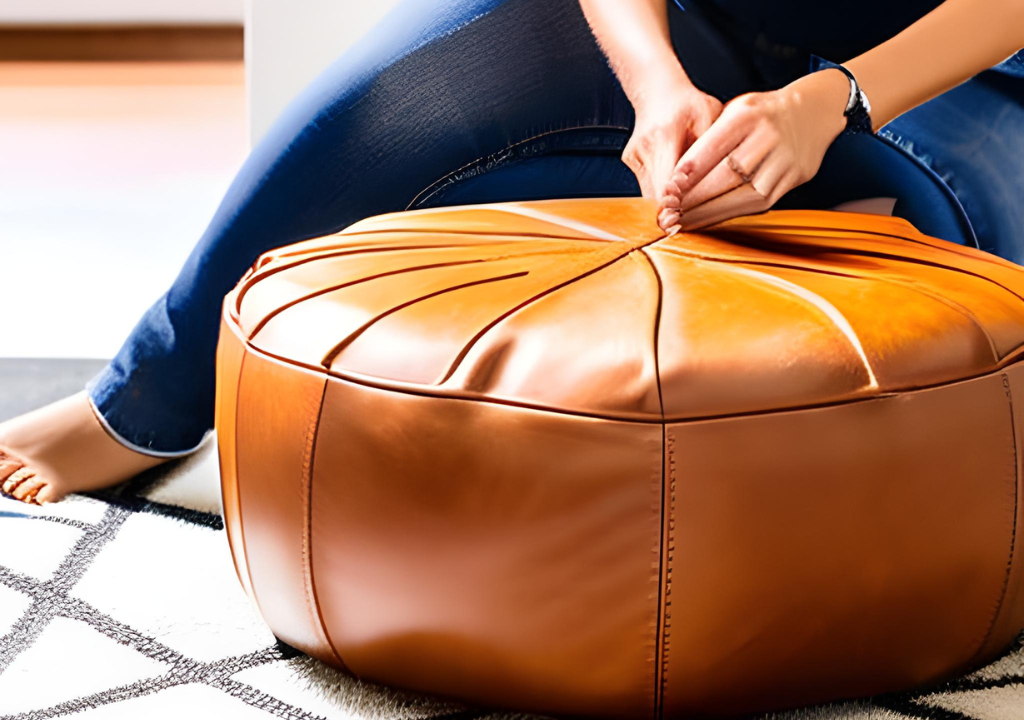
Filling a Moroccan pouf yourself lets you customize its feel and durability. Choosing the right materials and arranging them properly can transform a simple pouf into a cozy, stylish seating option. Let’s look at some practical techniques to fill your pouf effectively.
Preparing The Filling
Start by selecting the filling materials. Common choices include shredded foam, old clothes, cotton batting, or polyester fiberfill. You can even mix different materials to balance firmness and softness.
Before stuffing, make sure your materials are clean and dry. This prevents odors and prolongs the life of your pouf. Cutting foam into small pieces helps it fill the space evenly and avoid lumps.
Layering For Comfort
Think about how you want your pouf to feel. Firm at the bottom and soft on top usually works best for comfort and support. Start by adding a firm base layer, such as tightly packed shredded foam or fabric scraps.
Next, add a softer top layer, like polyester fiberfill or cotton batting. This creates a plush surface to sit on. Adjust the thickness of each layer depending on your comfort preferences.
Have you ever sat on a pouf that felt uneven? Layering helps avoid that by distributing the filling consistently.
Securing The Filling Inside
Once filled, securing the stuffing is key to keep the pouf’s shape. Use a strong needle and thread to close the opening with tight, even stitches. Double stitching works well for durability.
If your pouf cover has a zipper, make sure the filling fits snugly before zipping up. You might want to add a lining inside the cover to prevent small pieces from poking through. This step keeps your pouf looking neat and lasting longer.
Where To Source Filling Materials
Finding the right filling for your Moroccan pouf is essential for comfort and durability. Many sources provide suitable materials to stuff the pouf. Each option offers different benefits based on availability and budget. Knowing where to get these materials helps you create a pouf that lasts and feels great.
Local Craft Stores
Craft stores often carry a variety of stuffing materials. Options include foam, polyester fiberfill, and batting. These materials are easy to find and ready to use. Staff can help you pick the best filling for your pouf size and shape. Buying locally saves time and allows you to check quality firsthand.
Online Suppliers
Online shops offer a wide range of filling materials. You can find memory foam, shredded foam, or natural fibers. Shopping online gives access to bulk options at competitive prices. Reviews and product descriptions help in choosing the right stuffing. Delivery to your door adds convenience to the process.
Recycling Centers
Recycling centers provide eco-friendly filling options. They often have shredded fabric, old cushions, or foam scraps. Using recycled materials reduces waste and cost. Ensure materials are clean and safe before stuffing your pouf. This choice supports sustainability and creativity in your project.
Maintaining And Refilling Poufs
Maintaining and refilling your Moroccan pouf keeps it looking fresh and feeling comfortable. Over time, the stuffing inside compresses, making the pouf less supportive. Regular care not only extends its life but also preserves its charm as a unique piece in your home.
Signs You Need To Refill
Notice your pouf feels flatter or less firm than before? That’s a clear sign it needs more stuffing. If the pouf sags or loses its shape quickly when you sit on it, it’s time to add filling.
Also, check for lumps or uneven spots inside. These can make sitting uncomfortable and indicate the stuffing has shifted or thinned out.
Refilling Tips
Choose the right stuffing to bring back the pouf’s original comfort. Common fillers include polyester fiberfill, shredded foam, or even recycled fabric scraps. Each offers different levels of firmness and support.
Before stuffing, unzip the pouf cover carefully. Add small amounts gradually, testing firmness as you go. This helps you avoid overfilling and keeps the shape balanced.
Don’t forget to distribute the filling evenly. Use your hands to smooth and adjust it inside for a consistent feel.
Cleaning And Care
Regular cleaning keeps your pouf looking vibrant. Spot clean stains immediately with a mild detergent and a soft cloth. Avoid harsh chemicals that can damage the leather or fabric.
If the cover is removable, follow the washing instructions carefully. Air dry to prevent shrinkage or warping.
Keep your pouf away from direct sunlight and moisture to avoid fading and mold. Small steps like these can protect your pouf and keep it inviting for years.
Choosing The Right Filling For Use
Choosing the right filling for a Moroccan pouf affects its look and feel. The filling impacts comfort, durability, and cost. Knowing what to use helps create a pouf that suits your needs perfectly.
Durability Considerations
Durability depends on the filling material’s strength and shape retention. Materials like foam or polyester fiber resist flattening over time. Natural fillings, such as wool or cotton, may wear out faster. Dense fillings keep the pouf firm and last longer. Choose a filling that holds up to daily use without losing form.
Comfort Preferences
Comfort varies with the type and softness of the filling. Soft fillings like shredded foam or down provide a cushy feel. Firmer fillings offer better support for sitting. Mixing different materials can balance softness and support. Think about how you plan to use the pouf—rest your feet or sit on it.
Budget Factors
Cost plays a big role in filling choice. Synthetic fillings often cost less than natural ones. Recycled materials can be affordable and eco-friendly. Higher-priced fillings may offer better comfort and durability. Decide how much you want to spend before picking a filling.
Frequently Asked Questions
What Materials Are Best For Stuffing A Moroccan Pouf?
Common stuffing materials include polyester fiberfill, foam beads, or recycled fabric scraps. These materials provide comfort and shape, ensuring durability and support for seating.
Can I Use Old Clothes To Stuff My Moroccan Pouf?
Yes, old clothes can be shredded and used as stuffing. This eco-friendly option offers good support and helps recycle textiles effectively.
How Much Stuffing Is Needed For A Moroccan Pouf?
Typically, 2 to 4 pounds of stuffing material fills a standard pouf. Adjust the amount based on desired firmness and size of the pouf.
Is Foam Better Than Fiberfill For Pouf Stuffing?
Foam offers firmer support and retains shape longer. Fiberfill is softer and more affordable but may compress over time.
Conclusion
Choosing the right filling for your Moroccan pouf shapes its comfort and style. Natural materials like cotton or wool give softness and durability. Synthetic fills work well for a firm, long-lasting shape. Old clothes or fabric scraps offer an eco-friendly, budget option.
Each fill type changes how the pouf feels and looks. Pick what suits your needs and space best. Enjoy a cozy, unique pouf that fits your home perfectly. Simple choices make a big difference in your decor.



