
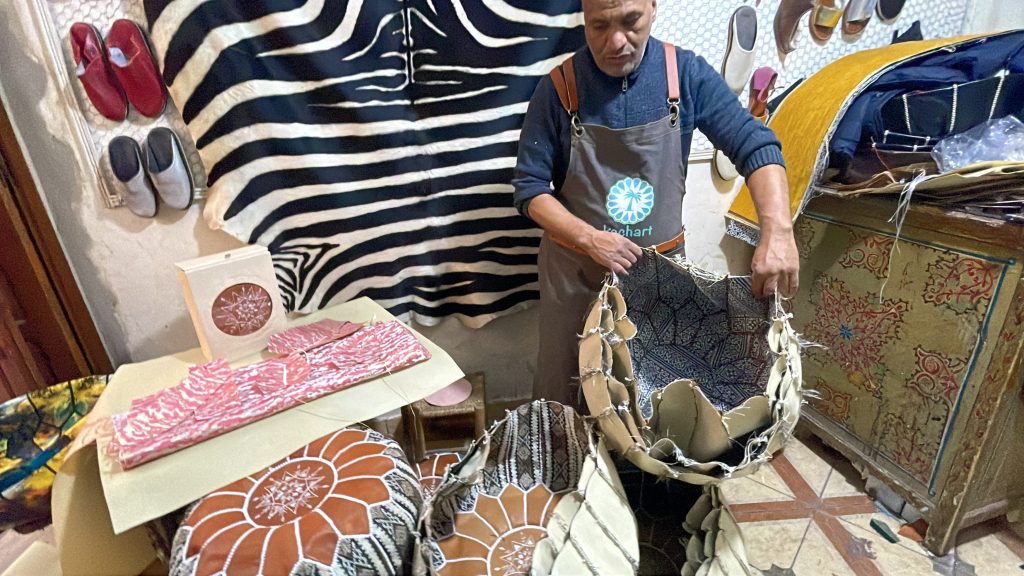
Have you ever wondered what makes a pouf so comfy and stylish? Whether you want to refresh your living room or create a cozy nook, knowing what to stuff a pouf with is key.
The right filling can change everything—from how it feels under your feet to how long it lasts. You’ll discover simple, affordable, and creative stuffing options that fit your needs perfectly. Keep reading to find out how you can transform your pouf into the ultimate comfort spot you’ll love.
Credit: yarnandchai.com
Types Of Pouf Fillings
Poufs come with different fillings that change their comfort and look. Choosing the right filling helps the pouf feel soft or firm. It also affects durability and weight. Here are the main types of pouf fillings.
Natural Fillings
Natural fillings come from plants and animals. They offer good breathability and comfort.
- Cotton: Soft and breathable, but can compress over time.
- Wool: Warm and resilient, adds a cozy touch.
- Feathers: Very soft, but may need regular fluffing.
- Kapok: A silky fiber from seed pods, lightweight and eco-friendly.
Natural fillings feel fresh and are often biodegradable.
Synthetic Fillings
Synthetic fillings use man-made materials. They usually cost less and last longer.
- Polyester Fiberfill: Soft, fluffy, and holds shape well.
- Foam Beads: Lightweight and moldable for a firm feel.
- Memory Foam: Offers excellent support and comfort.
- Microbeads: Tiny beads that give a smooth texture.
These fillings are easy to clean and maintain.
Eco-friendly Options
Eco-friendly fillings reduce harm to the environment.
- Recycled Polyester: Made from plastic waste, durable and soft.
- Coconut Coir: Fibers from coconut husks, firm and natural.
- Organic Buckwheat Hulls: Provide firm support and good airflow.
- Natural Latex: Sustainable, offers bounce and durability.
Choosing eco-friendly fillings helps protect nature and keeps poufs healthy.
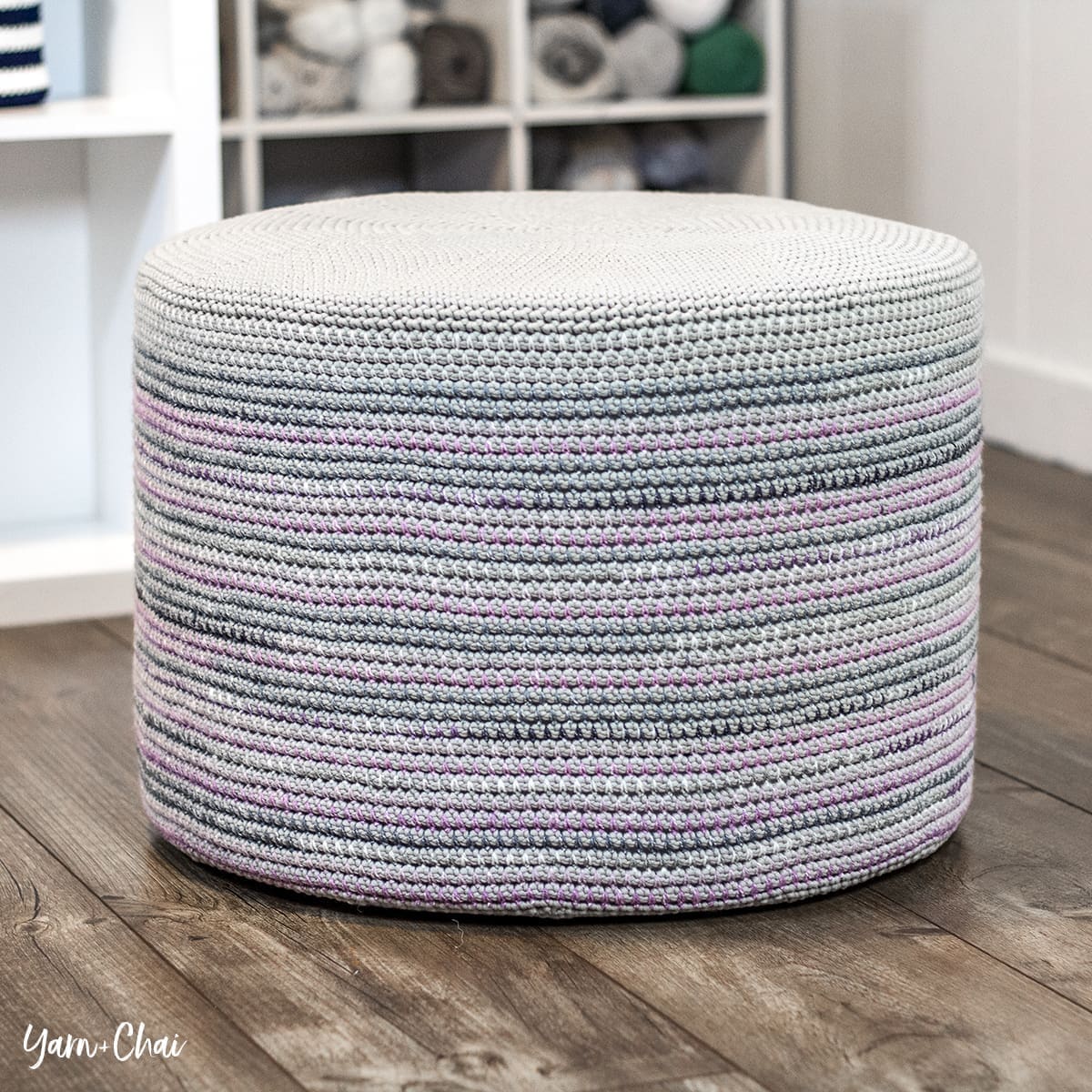
Credit: yarnandchai.com
Common Natural Fillings
Choosing the right filling for your pouf can make a big difference in comfort, durability, and eco-friendliness. Natural fillings are a popular choice because they offer breathability and a soft, cozy feel. They also tend to be more sustainable, which is a bonus if you’re mindful about the environment.
Cotton
Cotton is a soft and breathable natural filling that gives your pouf a plush, comfortable feel. It’s lightweight yet supportive, making it easy to move your pouf around without losing shape. If you’ve ever squeezed a cotton-filled pillow, you know how it bounces back quickly—this resilience works well for poufs too.
Wool
Wool is excellent for maintaining warmth and providing a firmer texture. It naturally resists dust mites and mold, which is great if you have allergies. Plus, wool can absorb moisture without feeling damp, so your pouf stays fresh longer.
Kapok
Kapok is a silky, fluffy fiber harvested from the seed pods of the kapok tree. It’s extremely light and hypoallergenic, making it a smart choice for sensitive users. Unlike synthetic fillings, kapok is biodegradable, so it’s gentle on the planet as well as on your skin.
Popular Synthetic Fillings
When choosing what to fill your pouf with, synthetic fillings are a popular choice due to their affordability, accessibility, and variety. These materials provide a lightweight and versatile option that can be tailored to your comfort and style needs. Let’s dive into some of the most popular synthetic fillings you can consider for your pouf.
Polystyrene Beads
Polystyrene beads are tiny, lightweight balls commonly used in bean bags and poufs. They offer excellent support and mold to the shape of your body, providing a comfortable seating experience. However, over time, they may compress and require topping up to maintain their fluffiness.
Foam
Foam is another excellent option, especially if you’re looking for a firmer feel. It can be easily cut to size and provides a stable structure for your pouf. If you’ve ever sat on a memory foam mattress, you know the kind of support and comfort foam can provide.
Polyester Fiberfill
Polyester fiberfill, often found in pillows and stuffed toys, offers a plush, soft feel. It’s easy to work with and adjusts well to the shape of your pouf cover. However, if you’re aiming for a more structured pouf, you might want to mix it with foam or beads for added stability.
Have you ever considered mixing these fillings for the perfect balance of comfort and support? Using a combination can enhance the durability and feel of your pouf, tailoring it to your specific needs. What’s stopping you from experimenting with different fillings to create your ideal pouf?
Benefits Of Eco-friendly Fillings
Choosing eco-friendly fillings for your pouf offers many benefits. These materials reduce waste and help protect the environment. They also create a safer, healthier space in your home. Eco-friendly options often last longer and maintain comfort well. Using sustainable fillings supports a cleaner planet for future generations.
Recycled Materials
Recycled fillings use waste materials, giving them a new purpose. They often come from plastic bottles, fabric scraps, or foam pieces. These materials reduce landfill waste and lower pollution. Recycled fillings are lightweight and provide good support. They help save natural resources by reusing existing products.
Biodegradable Options
Biodegradable fillings break down naturally over time. They come from plants like cotton, wool, or coconut fibers. These fillings do not harm soil or water when disposed of. They allow your pouf to be fully compostable at the end of its life. Biodegradable options keep your home eco-friendly and free of toxins.
Choosing The Right Filling
Choosing the right filling for your pouf affects its comfort, look, and lifespan. The filling determines how soft or firm the pouf feels. It also impacts how long the pouf keeps its shape. Some fillings suit certain needs better than others. Consider these key points before deciding on the pouf stuffing.
Comfort And Support
Comfort depends on the type of filling used. Soft fillings like foam or polyester give a cushy feel. Firmer options such as beans or beads offer more support. Think about how you will use the pouf. Will it be for sitting, resting feet, or decoration? Choose a filling that matches the comfort level you want.
Durability
Durability affects how long the pouf lasts. Fillings like memory foam hold shape well over time. Polystyrene beads can compress but regain shape easily. Natural fillings like cotton may flatten quickly. Durable fillings reduce the need to refill or replace the pouf often.
Allergy Considerations
Some fillings can cause allergies or irritate skin. Synthetic fillings are usually hypoallergenic. Natural materials like feathers or wool might trigger allergies. If you have sensitivities, pick hypoallergenic stuffing. This keeps your space safe and comfortable.
Budget Factors
Cost varies widely among filling types. Foam and polyester are affordable and widely available. Natural fillings tend to be pricier. Higher quality fillings may cost more but last longer. Balance your budget with your comfort and durability needs for best results.
Filling Techniques And Tips
Choosing the right filling and knowing how to fill your pouf correctly can transform it from a simple piece of furniture into a comfortable and stylish addition to your space. The way you stuff your pouf affects its look, feel, and durability. Let’s break down some practical tips and techniques to get the best results.
How To Fill A Pouf Properly
Start by selecting a filling material that matches how you want your pouf to feel. Popular choices include memory foam, polyester fiberfill, or shredded foam. Each has its own texture and support level—think about whether you want a soft, squishy pouf or a firmer one.
When filling, don’t just toss the material inside. Instead, add the stuffing in layers and press it down as you go. This helps avoid lumps and creates an even, smooth surface. You can also shake or knead the pouf occasionally to help the filling settle evenly.
Maintaining Shape Over Time
Keeping your pouf in shape requires regular attention. Over time, the stuffing can compress or shift, leading to a misshapen look. To prevent this, fluff your pouf by shaking or kneading it weekly, redistributing the filling evenly.
Consider using a filling that resists compression, like high-density foam. It holds its form longer, saving you frequent fluffing. Also, avoid overfilling—too much stuffing can strain the fabric and seams.
Refilling And Replacement
Eventually, your pouf will need refilling or a complete replacement of the stuffing. If it starts feeling flat or uncomfortable, it’s time to add more filling. You can open a hidden zipper or seam, add fresh stuffing, and close it back up without damaging the pouf.
Try mixing old and new filling to maintain comfort while saving costs. If your pouf’s fabric is worn, consider a full refill combined with a new cover for a fresh look. What’s your pouf’s filling situation—could it use a quick fluff or a full makeover?
Where To Buy Pouf Fillings
Finding the right filling for your pouf is essential for comfort and durability. Various sources offer a range of pouf fillings to suit different needs and budgets. These options include local shops, online platforms, and creative do-it-yourself ideas. Each source provides unique benefits depending on what you want for your pouf.
Local Stores
Local craft and fabric stores often carry pouf fillings like foam beads and polyester fiberfill. Home improvement stores may have foam sheets or batting suitable for stuffing. Visiting these shops lets you feel the materials before buying. You can also get advice from store staff about the best options.
Online Retailers
Online stores offer a wide selection of pouf fillings. You can find memory foam, microbeads, and eco-friendly stuffing materials. Shopping online provides convenience and variety. Customer reviews help guide your choice. Delivery comes straight to your door, saving time and effort.
Diy Alternatives
Reusing old materials can fill your pouf on a budget. Fabric scraps, old clothes, or shredded foam work well. These options reduce waste and add a personal touch. Make sure the materials are clean and soft for comfort. This method suits those who enjoy creative projects.
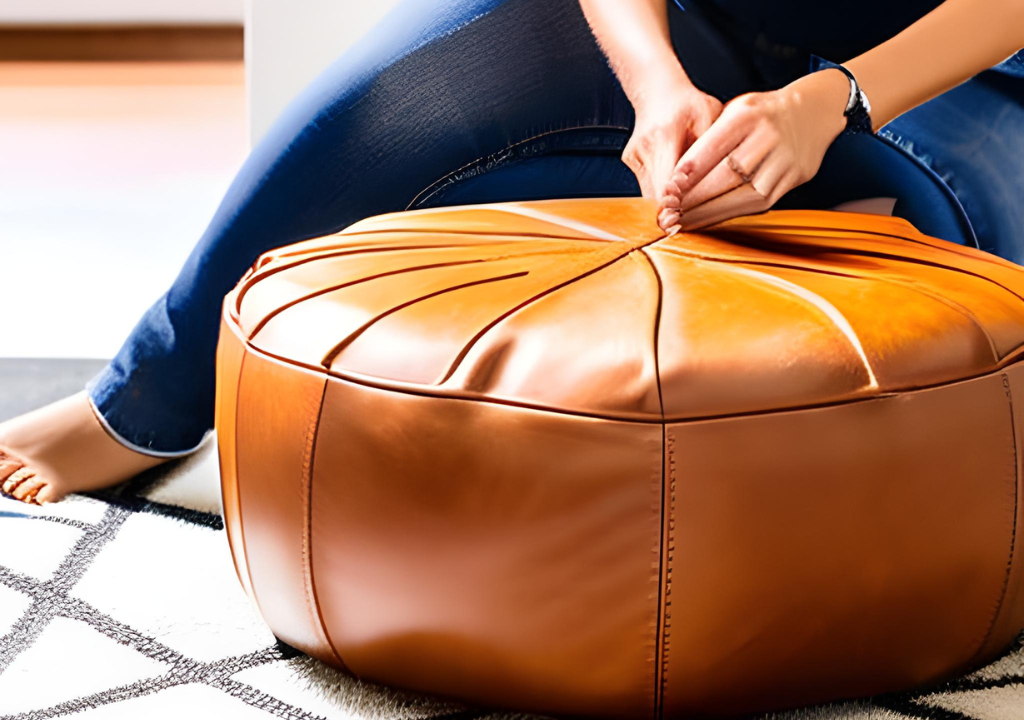
Credit: medium.com
Frequently Asked Questions
What Materials Can You Use To Stuff A Pouf?
You can stuff a pouf with materials like polyester fiberfill, foam beads, old clothes, or shredded memory foam. These fillers provide comfort, shape, and durability. Choose based on your desired firmness and budget for the best results.
How Much Stuffing Does A Pouf Typically Require?
A pouf usually requires around 2 to 5 pounds of stuffing, depending on its size. Overfilling can make it too firm, while underfilling causes it to lose shape. Measure your pouf dimensions before purchasing fillers for accuracy.
Are Foam Beads Good For Pouf Stuffing?
Yes, foam beads are lightweight and moldable, making them ideal for pouf stuffing. They offer good support and maintain shape well. However, they can be noisy and may leak if the fabric isn’t tightly woven.
Can Recycled Materials Be Used To Stuff A Pouf?
Absolutely, recycled materials like old clothes, fabric scraps, or shredded textiles make eco-friendly pouf stuffing. They are cost-effective and sustainable. Just ensure materials are clean and soft to maintain comfort and hygiene.
Conclusion
Choosing the right stuffing makes your pouf comfy and long-lasting. Common fills include foam beads, old clothes, or polyester fiberfill. Each option changes the feel and support of your pouf. Think about how you will use it and what feels best.
Stuff it well but not too tight for comfort. Enjoy your cozy, personalized pouf that fits your space perfectly. Simple choices can make a big difference in comfort and style.



