
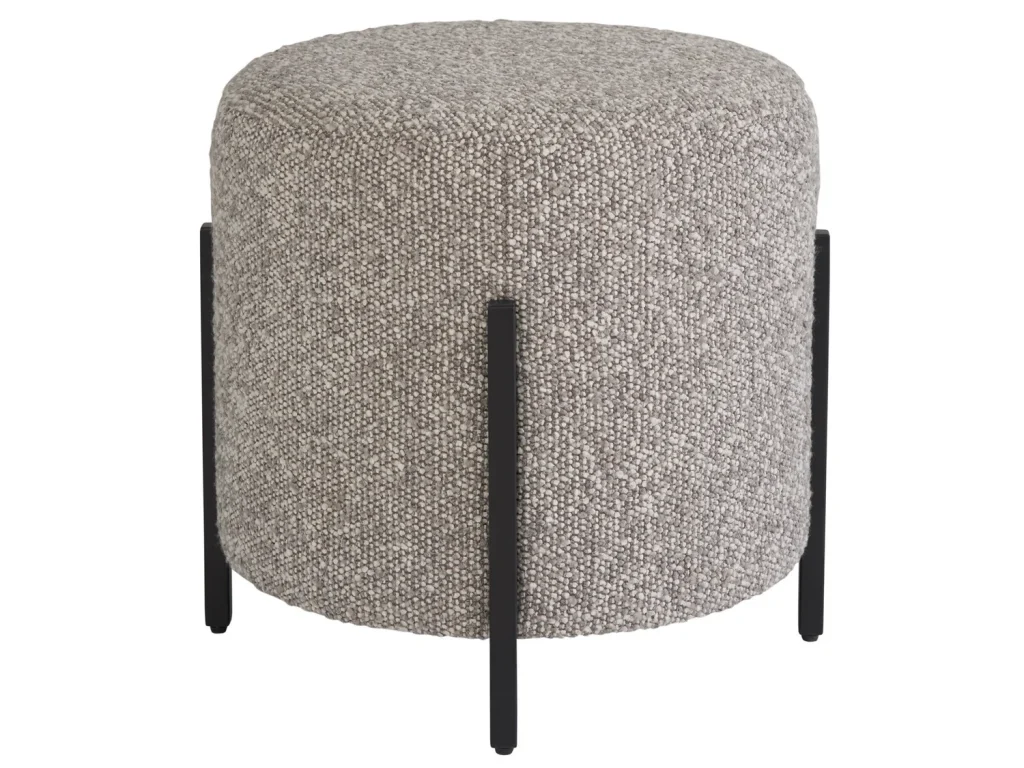
Are you wondering what to use as filler for your pouf to make it comfy and durable? Choosing the right filler can change how your pouf looks and feels every time you sit down.
Whether you want it soft and squishy or firm and supportive, the filler you pick matters. You’ll discover easy, practical options that fit your style and needs. Keep reading to find the perfect pouf filler that will make your space cozy and inviting.

Credit: sameday.costco.com
Popular Pouf Fillers
Poufs need soft and supportive fillers to stay comfy and hold their shape. Choosing the right filler affects how the pouf feels and lasts. Many materials work well and suit different needs and budgets. Here are some popular fillers used for poufs.
Polystyrene Beads
Polystyrene beads are small, lightweight balls. They make poufs soft and easy to move. These beads mold to your body shape for comfort. They can be noisy when you sit down. Still, they are affordable and widely used for poufs.
Foam Chunks
Foam chunks offer firm support and durability. They keep the pouf’s shape for a long time. Foam is quiet and won’t shift much inside the cover. This filler suits those who want a sturdy, stable pouf.
Cotton Batting
Cotton batting is soft and natural. It gives a plush feel to the pouf. Cotton is breathable and eco-friendly. This filler works well for light use and adds a cozy touch.
Old Clothes And Fabric Scraps
Using old clothes or fabric scraps recycles materials. It creates a pouf with a unique texture. This option is budget-friendly and eco-conscious. It may feel firm or soft based on the fabric type.
Natural Filling Options
Natural filling options for poufs offer comfort and eco-friendliness. They provide good support and durability without harmful chemicals. These materials are breathable and easy to shape, making them great for everyday use.
Buckwheat Hulls
Buckwheat hulls are the outer shells of buckwheat seeds. They are firm yet flexible, giving a good balance of support and softness. These hulls allow air to flow, keeping the pouf cool and fresh. They also mold well to the body, making the pouf comfortable to sit on.
Dried Beans And Rice
Dried beans and rice are affordable and natural fillers. They add weight and firmness to the pouf, helping it keep its shape. These fillers are easy to find and replace if needed. Keep in mind they may attract pests if not stored properly.
Wool Fibers
Wool fibers offer a soft and springy feel to poufs. Wool is natural and renewable, making it an eco-friendly choice. It also resists dust and dirt, which helps keep the pouf clean longer. Wool provides warmth, perfect for cozy indoor spaces.
Creative And Eco-friendly Fillers
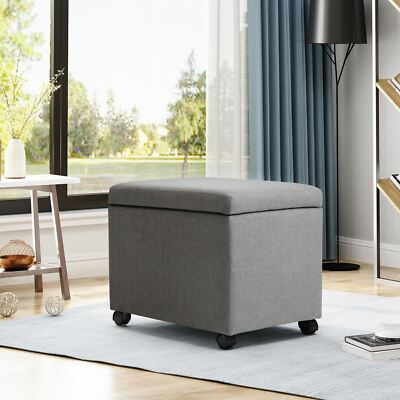
Finding the perfect filler for your pouf can be a delightful journey. Creative and eco-friendly fillers offer sustainable solutions. They reduce waste and give your pouf a unique texture. Let’s explore some innovative options.
Recycled Materials
Recycled materials make excellent pouf fillers. Old fabric scraps, worn-out clothes, or even used cushions can fill your pouf. These materials provide a soft yet firm support. They add a cozy touch while promoting sustainability.
Shredded Paper
Shredded paper is an accessible and eco-friendly choice. It keeps your pouf lightweight and easy to move. Use old newspapers or magazines. They add a rustic charm and are cost-effective. Just ensure the paper is shredded finely for comfort.
Plastic Bottle Caps
Plastic bottle caps offer a unique filler option. They create a firm and supportive base. Use them to repurpose waste creatively. This method is sustainable and prevents plastic pollution. Keep your pouf vibrant with this innovative choice.
Credit: www.ebay.com
Choosing The Right Filler
Choosing the right filler for your pouf can completely change how it feels and performs. The filler affects not only comfort but also how long your pouf lasts and how much effort you need to put into keeping it in good shape. Think about what you want most from your pouf before deciding—do you want it soft and squishy, firm and supportive, or easy to maintain? Your choice will shape your everyday use and satisfaction.
Comfort And Support
Comfort is key when picking a pouf filler. Some fillers like shredded memory foam offer a soft, cloud-like feel that molds to your body. If you prefer something firmer, high-density foam or polyester batting provides better support without losing shape.
Try sitting on different poufs or cushions to feel the difference. Ask yourself if you want your pouf to sink slightly or hold its form firmly. Your comfort preference will guide your filler choice.
Durability And Maintenance
Durability matters if you use your pouf daily or in a busy area. Fillers like foam beads and polyester fibers tend to hold up well over time without clumping or flattening. On the other hand, natural fillers like cotton or wool might compress faster and need more frequent fluffing.
Maintenance is also important. Some fillers require airing out or occasional washing, while others are nearly care-free. Consider how much time you want to spend keeping your pouf fresh and inviting.
Cost Considerations
Your budget plays a big role in picking a filler. Foam beads and recycled polyester fill are often affordable options that balance comfort and durability. Memory foam and specialty natural fibers usually cost more but can offer superior comfort and eco-friendliness.
Think about how much you’re willing to invest upfront versus how long you want your pouf to last. Sometimes spending a bit more on a quality filler can save money in the long run by avoiding early replacement.
How To Fill Your Pouf
Filling your pouf properly is key to achieving the perfect balance of comfort and style. The right filling makes your pouf supportive yet soft enough to relax on. If you’ve ever sat on a poorly filled pouf, you know how important it is to get this right.
Step-by-step Filling Guide
Start by choosing the filler material that suits your needs—common options include polystyrene beads, shredded foam, or even old clothes for a budget-friendly approach.
Place a funnel or a rolled-up paper cone into the pouf’s opening to make filling easier and less messy.
Add small amounts of filler at a time, shaking the pouf gently to help the filling settle evenly inside.
Keep adding filler until you reach the desired firmness. Remember, overfilling can make the pouf too stiff, while underfilling results in a lack of support.
Tips For Even Distribution
- After filling, knead and pat the pouf to spread the material evenly across all sides.
- Rotate the pouf regularly as you fill it, helping prevent lumpy or uneven spots.
- If you notice gaps or compressed areas, add or redistribute the filling accordingly.
Think about how you use your pouf—do you sit or rest your feet on it more? This can guide you on where to focus the filling for better comfort.
Sealing And Finishing
Once filled, securely close the pouf’s opening with a strong zipper, Velcro, or by sewing it shut if necessary.
Check the seal by pressing and feeling for any leaks or gaps in the closure to avoid filler spilling out later.
If your pouf cover is removable, consider adding a liner inside to hold the filler in place and make future refills easier.

Credit: www.marrakeche.com
Frequently Asked Questions
What Materials Are Best For Filling A Pouf?
The best pouf fillers include polystyrene beads, shredded foam, and old clothes. These materials provide comfort, support, and shape retention. Polystyrene beads are lightweight and moldable, while shredded foam offers softness. Old clothes are eco-friendly and cost-effective fillers for poufs.
Can I Use Fabric Scraps As Pouf Filler?
Yes, fabric scraps work well as pouf filler. They add softness and are an eco-friendly option. Using fabric scraps helps recycle old clothes or leftover textiles. Ensure the scraps are clean and cut into small pieces for better comfort.
Is Foam A Good Pouf Filling Option?
Foam is an excellent pouf filler. It offers durability, comfort, and maintains shape over time. High-density foam provides firm support, while shredded foam creates a softer feel. Foam is lightweight and easy to mold into pouf covers.
Are Polystyrene Beads Safe For Pouf Filling?
Polystyrene beads are safe for pouf filling when used properly. They are lightweight and provide good support. However, avoid overfilling to prevent leakage. Ensure the pouf cover has a secure zipper or closure to keep beads inside.
Conclusion
Choosing the right filler for your pouf changes its comfort and look. Common fillers include beans, foam, and old clothes. Each option offers a different feel and support. Think about how you will use the pouf. Soft fillers suit relaxing and light use.
Firmer fillers work well for sitting or resting feet. Don’t forget to check the pouf cover’s strength. A good filler keeps your pouf durable and cozy. Experimenting helps find what feels best for you. Enjoy making your pouf a perfect part of your space.



