
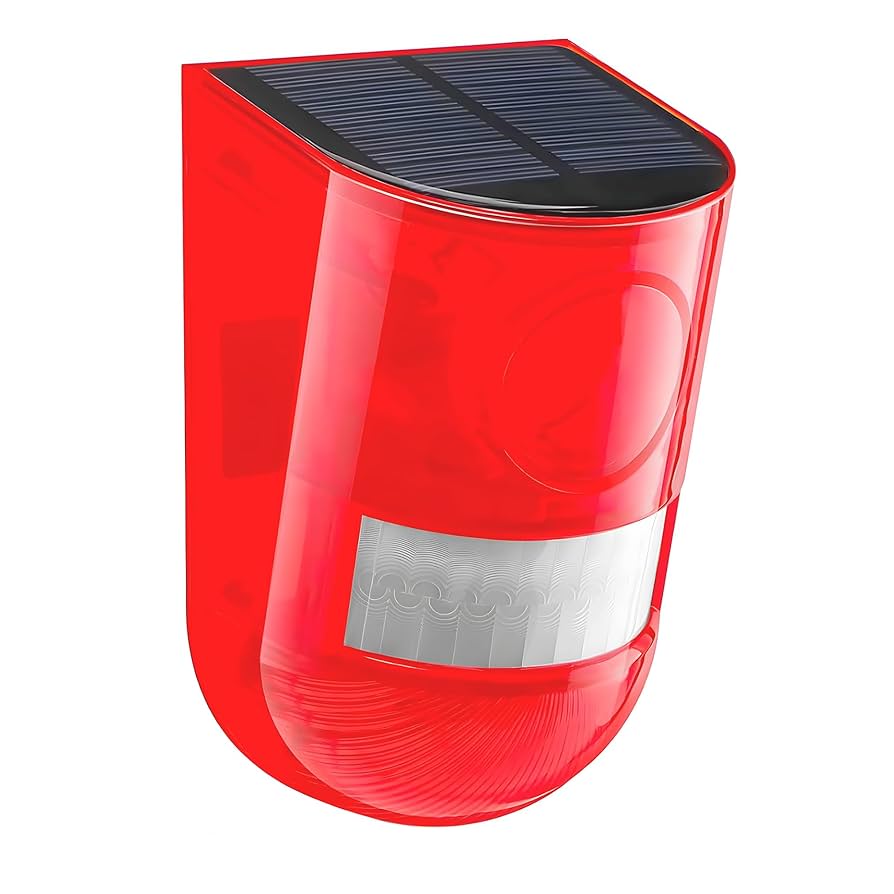
Have you ever wondered what a motion detector looks like? If you’re thinking about boosting your home security or setting up smart automation, knowing what these devices look like is the first step.
Motion detectors come in different shapes and sizes, but they all share one goal: to sense movement and keep you safe. By the end of this article, you’ll easily recognize a motion detector and understand how it fits into your space.
Keep reading to discover the simple details that make these gadgets so powerful—and why spotting one can give you peace of mind.
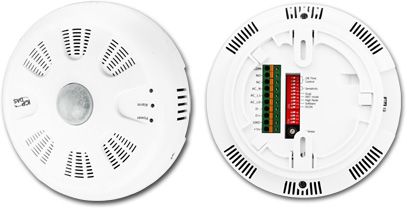
Credit: www.icpdas.com
Common Motion Detector Shapes
Motion detectors come in several common shapes. Each design suits different spaces and uses. Knowing these shapes helps you choose the right sensor for your needs.
Rectangular Designs
Rectangular motion detectors are popular and easy to spot. They often have a flat front with a visible sensor window. These models fit well on walls or corners.
The simple shape blends with many indoor settings. Rectangular sensors often cover a wide detection area. They work well in hallways and rooms.
Dome-shaped Models
Dome-shaped motion detectors look like small half-spheres. They usually attach to ceilings or high on walls. This shape helps detect movement in all directions.
The rounded design allows for a broad field of view. Dome sensors are common in offices and stores. They provide good coverage in open spaces.
Bullet Style Sensors
Bullet style sensors have a long, tube-like shape. They often point in one direction like a spotlight. This shape is ideal for focused detection areas.
Bullet detectors work well outdoors or at entrances. Their design allows easy adjustment of the detection angle. They help secure specific spots effectively.
Typical Sizes And Dimensions
Motion detectors come in various sizes and shapes, designed to fit different spaces and purposes. Understanding their typical sizes and dimensions helps you choose the right one for your needs. Whether you want something discreet or a sensor that covers a wide area, size matters.
Compact Motion Detectors
Compact motion detectors are small and easy to install in tight spaces. They usually measure around 2 to 3 inches in width and height, making them almost unnoticeable on walls or ceilings. These units are perfect if you want to blend security devices into your home decor without drawing attention.
Think about a motion detector hidden near a doorway or inside a small hallway—its small size doesn’t mean it sacrifices performance. Have you ever wondered how such a tiny device can cover a large area? Modern compact sensors use advanced technology to maximize their detection range despite their size.
Standard-sized Units
Standard-sized motion detectors are the most common type found in homes and offices. They typically measure between 4 to 6 inches in height and 3 to 5 inches in width. This size balances visibility with functionality, making installation straightforward and maintenance easy.
These sensors often have adjustable lenses and settings to customize the coverage area. If you want a reliable sensor that’s noticeable enough to act as a deterrent, a standard-sized unit might be your best option. Have you checked if your current motion detector fits this category?
Large-scale Sensors
Large-scale motion detectors are designed for industrial use or large outdoor areas. They can be quite bulky, sometimes over 8 inches tall and wide, with robust housings to withstand harsh environments. Their size allows for wider detection angles and longer sensing distances.
These sensors are ideal if you need to monitor expansive spaces like parking lots or warehouses. Although larger, they often come with features like weatherproofing and enhanced sensitivity. What challenges do you face when covering big areas with security devices?
Material And Finish Types
Motion detectors come in various materials like plastic or metal, often with a smooth or matte finish. Their design aims to blend into walls or ceilings, making them discreet yet functional. Shapes are usually compact, with neutral colors for easy placement.
Understanding the material and finish types of motion detectors can greatly impact both their functionality and aesthetic appeal. The choice of materials not only influences durability but also determines how well the device blends with your home or office decor. Let’s explore the different materials and finishes that are common in motion detectors, to help you make an informed choice.Plastic Casings
Plastic casings are a popular choice for motion detectors due to their lightweight nature and cost-effectiveness. They often come in a variety of colors, allowing you to match them with your interior design effortlessly. While they may not be as durable as metal housings, they are resistant to corrosion, making them suitable for indoor use.Metal Housings
If durability is a priority, metal housings are worth considering. These are typically more robust and can withstand harsher environments, making them ideal for outdoor use. Metal housings often give a premium feel and can add a touch of sophistication to the overall look of your security system.Matte Vs Glossy Surfaces
Choosing between matte and glossy surfaces can affect both the appearance and maintenance of your motion detector. Matte finishes offer a sleek, modern look and are excellent at hiding fingerprints and dust. On the other hand, glossy finishes can make the device stand out more, but they might require more frequent cleaning to maintain their shine. When selecting a motion detector, what material and finish would best suit your needs? Consider where you’ll place the device and the kind of look you’re going for. Whether you prioritize durability, aesthetic appeal, or a combination of both, understanding these options can help you make the right decision.Visual Indicators On Motion Detectors
Visual indicators on motion detectors help users understand their status and operation. These signals provide quick feedback about detection and device health. They make installation and troubleshooting easier for everyone.
Led Lights
LED lights are the most common visual signals on motion detectors. They often blink or stay solid when motion is detected. Some LEDs change color to show different states, such as active, standby, or error. This simple light helps users know if the device is working.
Sensor Windows
Sensor windows are clear or frosted panels on the detector’s front. They cover the actual motion-sensing elements inside. These windows may look like small, round, or rectangular areas. They allow infrared or microwave signals to pass through for motion detection.
Status Displays
Some advanced motion detectors include small screens or display panels. These status displays show information like battery life, signal strength, or error codes. They help users monitor the device without needing extra tools. Displays make maintenance easier and more efficient.
Indoor Vs Outdoor Designs
Motion detectors come in different designs depending on whether they’re meant for indoor or outdoor use. Understanding these differences can help you choose the right device for your space. Indoor detectors tend to focus more on blending with home interiors, while outdoor models prioritize durability and resistance to elements.
Weatherproof Features
Outdoor motion detectors need to withstand rain, snow, dust, and extreme temperatures. They usually have sealed casings made from durable materials like heavy-duty plastic or metal. These weatherproof features prevent moisture and debris from damaging the sensitive sensors inside.
Indoor detectors, on the other hand, don’t require such rugged protection. They are designed to work in controlled environments without exposure to harsh weather. This means they can afford to be lighter and sometimes more compact.
Mounting Styles
Outdoor motion detectors often come with flexible mounting options to fit walls, eaves, or poles. Adjustable brackets allow you to direct the sensor’s field of view where it’s needed most. This adaptability is crucial for covering large or irregular outdoor areas.
Indoor detectors usually have simpler mounting styles. Many are designed to be mounted on walls or ceilings in hallways, rooms, or stairwells. Sometimes, you can even find models that sit on flat surfaces without any installation.
Color Variations
Indoor motion detectors are often available in neutral colors like white, beige, or gray. These shades help the device blend seamlessly with walls and ceilings, keeping your interior decor intact.
Outdoor models may come in darker colors such as black or brown. These colors help the detector blend into natural surroundings like wood siding or brick walls. Choosing the right color can make a surprising difference in how noticeable the device is outside your home.
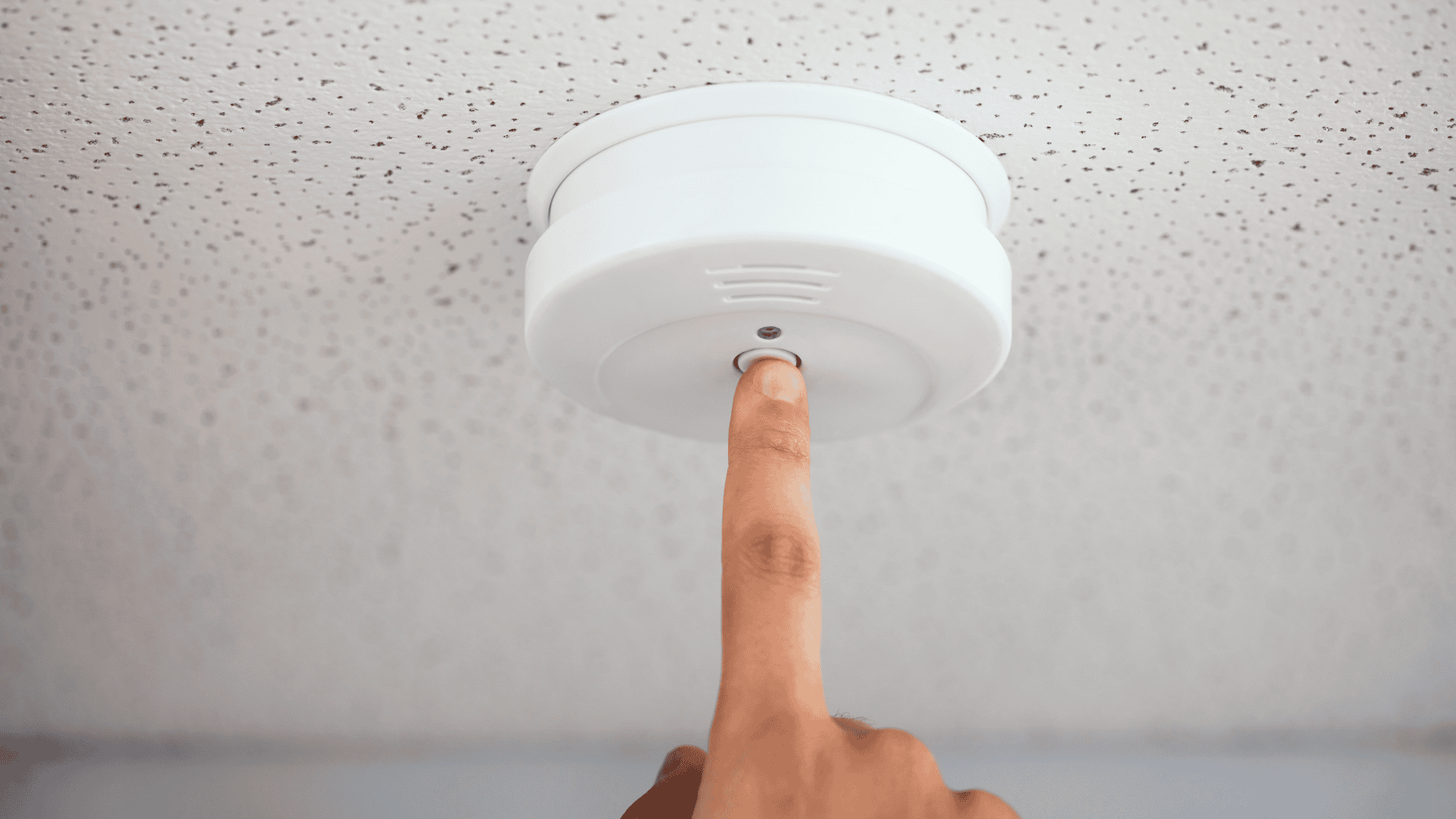
Credit: www.dtiq.com
Integration With Other Devices
Motion detectors don’t work in isolation. Their true power shines when they connect with other devices around your home or office. Understanding how these detectors integrate can help you build a smarter, more secure environment tailored to your needs.
Camera And Alarm Combinations
Many motion detectors come paired with cameras or alarms. When motion triggers the detector, the camera can start recording immediately. This lets you see what’s happening in real-time, instead of just hearing an alarm.
Alarms connected to motion sensors can scare off intruders before they cause harm. Imagine your detector spotting movement and instantly setting off a loud siren while sending you a video alert. This combination gives you peace of mind and quick action.
Smart Home Compatibility
Your motion detector can become a key player in your smart home setup. It often works with voice assistants like Alexa or Google Home. This means you can receive alerts, control settings, or even automate other devices based on motion detection.
Think about your lights turning on automatically when you enter a room. Or your thermostat adjusting because the motion sensor knows someone is home. These features save energy and add convenience.
Wired Vs Wireless Models
Choosing between wired and wireless motion detectors affects how they connect with other devices. Wired models often offer a steady, uninterrupted connection. They are ideal when you want reliability and don’t mind professional installation.
Wireless detectors provide flexibility. You can place them almost anywhere without worrying about cables. Plus, they often sync easily with smart hubs and apps on your phone, making setup faster and more user-friendly.
Have you thought about which setup fits your space and lifestyle better? Your choice can impact how well your motion detector integrates with cameras, alarms, and smart home systems.
Popular Brands And Their Visual Signatures
Popular brands in motion detectors each have a unique look. Their designs reflect their technology and user needs. Recognizing these styles helps identify the brand quickly. The visual signature also shows the focus on style or function. Below are details about three well-known brands and their typical designs.
Brand A Styles
Brand A uses sleek, modern shapes. Their detectors often have smooth curves and a compact size. Many models feature a glossy white finish. The sensor window is usually oval or rectangular. This brand favors a minimalist look that fits any wall or ceiling. They often add subtle LED lights as status indicators.
Brand B Designs
Brand B prefers a rugged and industrial design. Their units are bigger with sharp edges. Most models come in matte black or dark gray colors. The sensor area is often large with a grid-like cover. This brand focuses on durability and outdoor use. Mounting options are flexible, with visible screws for easy installation.
Brand C Innovations
Brand C combines style with smart features. Their detectors have unique shapes, sometimes round or hexagonal. Colors vary from white to light gray. They include small screens or touch controls. Brand C often integrates cameras or voice alerts. Their design aims to blend technology with home decor.

Credit: www.backstreet-surveillance.com
Frequently Asked Questions
What Does A Typical Motion Detector Look Like?
A typical motion detector is a small, box-shaped device. It often has a white or beige plastic casing with a small sensor window. The sensor window detects movement using infrared or microwave technology. It is usually mounted on walls or ceilings for optimal coverage.
How Can You Identify A Motion Detector Visually?
You can identify a motion detector by its sensor window. It resembles a small, curved or flat translucent lens. The device is compact and often blends with the wall or ceiling. It may have indicator lights that flash when movement is detected.
Are All Motion Detectors The Same Size And Shape?
No, motion detectors vary in size and shape. Some are small and discreet, while others are larger for industrial use. Designs depend on technology type, such as infrared or ultrasonic. Most residential detectors are compact and easy to install.
Do Motion Detectors Come In Different Colors?
Yes, motion detectors come in various colors. The most common colors are white, beige, and black. Color options help the device blend with different interior styles. This makes them less noticeable while maintaining their function.
Conclusion
Motion detectors come in many shapes and sizes. Most have a small box with a lens or sensor on the front. Some look like small cameras, while others are simple and plain. They blend easily into walls or ceilings. Understanding their look helps you spot and use them better.
Choose the right design for your space and needs. Motion detectors help keep homes and businesses safe every day. Simple, effective, and easy to find.



