

Are you thinking about upgrading your home comfort with a new HVAC system? Understanding exactly what a new HVAC system includes can help you make the best choice for your space and budget.
From heating and cooling units to air filters and smart controls, each part plays a vital role in keeping your home comfortable all year round. Keep reading to discover what goes into a new HVAC system and how it can transform your living environment.
This knowledge will empower you to make confident decisions and avoid costly surprises.
Core Parts Of An Hvac System
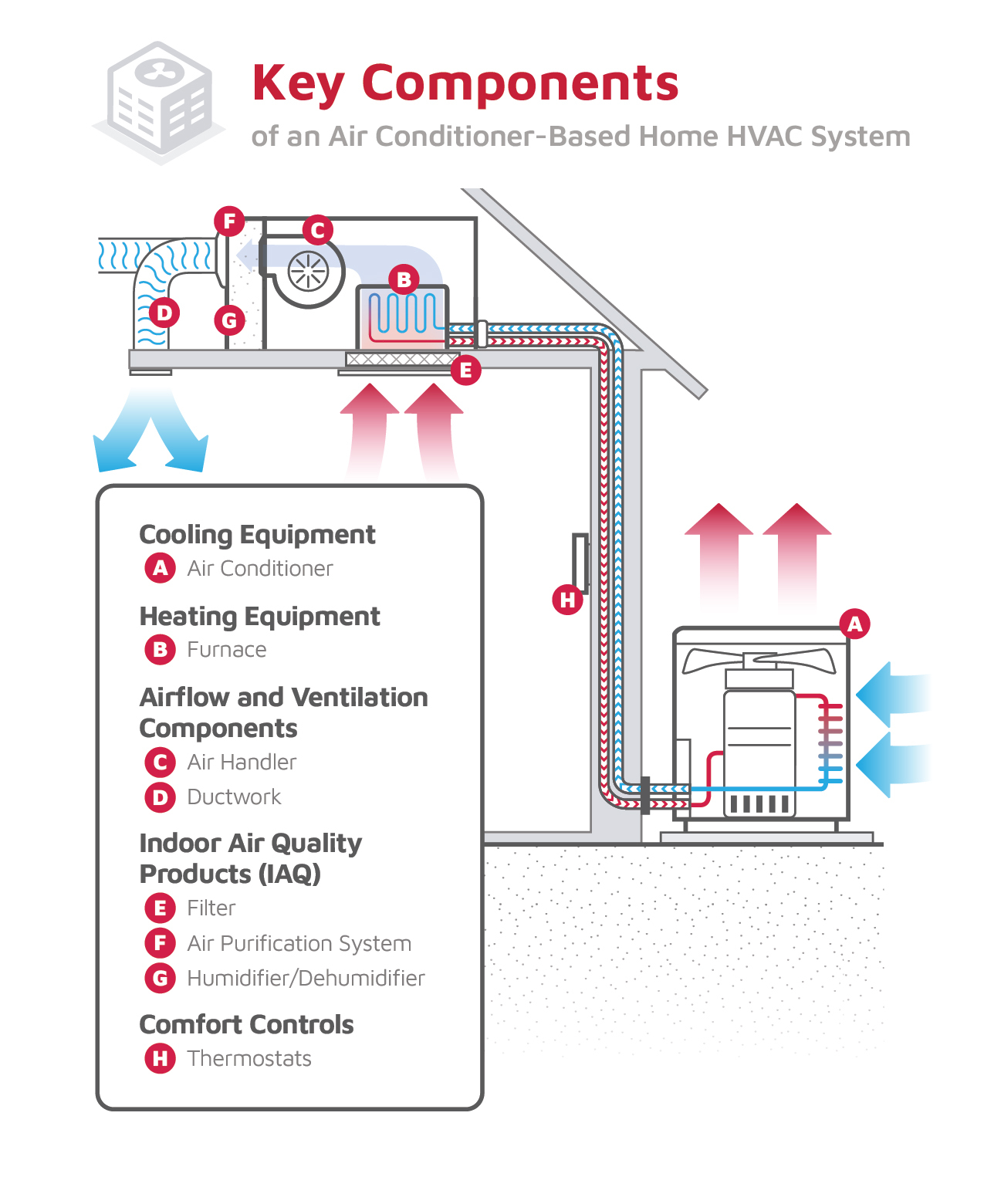
The core parts of an HVAC system work together to keep your home comfortable all year round. Understanding these components helps you make smarter decisions about maintenance, upgrades, or replacements. Each part has a specific role that contributes to heating, cooling, and air quality.
Heating Elements
Heating elements are the heart of the system during cold months. Common types include furnaces, heat pumps, and boilers, each using different fuel sources like gas, electricity, or oil.
Furnaces heat air and distribute it through ducts, while heat pumps transfer heat from outside air into your home. Boilers heat water for radiant heating systems, offering a different comfort feel.
Think about the last time your heater struggled on a cold day. That experience highlights how vital these elements are in ensuring reliable warmth.
Cooling Components
Cooling components work to remove heat from your home and lower indoor temperatures. The main parts are the compressor, condenser coil, and evaporator coil.
The compressor pumps refrigerant through the system, while the condenser coil releases heat outside. Inside, the evaporator coil absorbs heat from your indoor air, cooling it down.
Have you noticed how a dirty coil can reduce cooling efficiency? Regular cleaning keeps these parts running smoothly and saves energy.
Air Handling Units
Air handling units (AHUs) are responsible for circulating and filtering air throughout your home. They include blowers, filters, and ductwork.
The blower pushes heated or cooled air through your ducts. Filters trap dust, pollen, and allergens, improving indoor air quality.
Consider how often you change your air filter. Neglecting this simple task can strain your system and reduce comfort.
Thermostats And Controls
Thermostats and controls let you manage your HVAC system’s operation. They sense the temperature and signal the system to heat or cool accordingly.
Modern thermostats offer programmable schedules and remote control via smartphones, making it easier to save energy without sacrificing comfort.
Have you tried adjusting your thermostat settings for different times of day? Small tweaks can lower your utility bills and extend your system’s life.
Credit: www.lennox.com
Heating Elements Detailed
Heating elements form the core of any HVAC system. They provide warmth during cold months. Understanding these elements helps in choosing the right HVAC system for your home.
Different heating elements use various methods to generate heat. Each has unique benefits and fits certain home types better.
Furnaces
Furnaces heat air and distribute it through ducts. They use gas, electricity, or oil as fuel. Gas furnaces are popular for their quick heat and efficiency. Electric furnaces are simple and safe but cost more to run. Oil furnaces work well in colder areas and are reliable.
Furnaces include a blower fan, heat exchanger, and air filter. The blower pushes warm air through the home. The heat exchanger heats the air without mixing with fuel gases. Filters clean the air for better indoor quality.
Heat Pumps
Heat pumps provide both heating and cooling. They transfer heat from outside air to inside in winter. In summer, they reverse the process to cool your home. Heat pumps save energy by moving heat instead of creating it.
They work best in mild climates. Some models include backup heating for very cold days. Heat pumps use electricity and reduce energy bills significantly.
Boilers
Boilers heat water to provide warmth. The hot water or steam moves through pipes to radiators or underfloor systems. This method offers steady and even heating. Boilers use gas, oil, or electricity for fuel.
They are quiet and do not blow air, ideal for allergy sufferers. Boilers also provide hot water for your taps and showers. Modern boilers are energy-efficient and compact for easy installation.
Cooling Components Explained
Understanding the cooling components of a new HVAC system is essential for choosing the right setup for your home or office. These parts work together to keep your indoor environment comfortable during hot days. Let’s break down the main elements that make your cooling system effective.
Air Conditioners
The air conditioner is the heart of your cooling system. It pulls warm air from your rooms and cools it down before sending it back. The efficiency of your air conditioner directly affects your energy bills and comfort levels.
Have you ever noticed how some units cool faster and quieter than others? That’s often due to the technology and design quality. Modern air conditioners come with features like variable speed fans and smart thermostats to give you better control.
Evaporator Coils
Evaporator coils sit inside your indoor unit and play a crucial role in the cooling process. They absorb heat from the air inside your home and transfer it to the refrigerant. This is where the magic of turning warm air into cool air happens.
Keeping these coils clean is vital. Dirty coils reduce efficiency and can cause your system to work harder, costing you more money. You might want to check them annually or during regular HVAC maintenance.
Condensers
The condenser unit is located outside your home. It releases the heat absorbed from inside to the outdoor air. This part includes a coil and a fan that work together to cool the refrigerant before it cycles back inside.
If you’ve ever noticed your outdoor unit struggling on a hot day, it’s often due to blocked airflow or dirt buildup. Clearing debris around the condenser can improve performance and extend the life of your system.
Air Distribution Mechanisms
Air distribution mechanisms are essential components of a new HVAC system. They ensure that heated or cooled air reaches every corner of your home efficiently. Without proper air distribution, your system’s performance drops, and comfort levels suffer.
Ductwork Systems
Ductwork is the network of tubes that carry air throughout your home. These ducts are usually made from metal or flexible materials and are hidden behind walls or ceilings. Properly sealed and insulated ducts prevent air leaks, which saves energy and reduces your utility bills.
Have you ever felt cold or hot spots in your rooms? That could be caused by poorly designed or damaged ductwork. Upgrading your duct system during an HVAC installation can improve airflow and balance temperature evenly.
Ventilation Fans
Ventilation fans help move stale air out and bring fresh air in. They are especially important in areas like kitchens, bathrooms, and attics. These fans reduce moisture, odors, and indoor pollutants, improving your home’s air quality.
Not all ventilation fans are equal. Choosing energy-efficient models with adjustable speeds can give you better control over airflow. Have you checked if your current system includes ventilation fans that match your home’s needs?
Filters And Purifiers
Filters and purifiers clean the air before it circulates through your home. Filters trap dust, pollen, and other particles, while purifiers can remove bacteria and viruses. This is crucial for allergy sufferers and those with respiratory issues.
Regularly changing filters keeps your HVAC system running smoothly and extends its lifespan. Some new systems come with advanced air purification technologies—consider these if you want cleaner, healthier air.
Control And Regulation Tools
A new HVAC system includes advanced control and regulation tools. These tools manage temperature, airflow, and energy efficiency. They ensure a comfortable and cost-effective indoor environment.
When you think about upgrading to a new HVAC system, it’s essential to understand the role of control and regulation tools. These tools are the unsung heroes that ensure your system operates efficiently, adapts to your lifestyle, and keeps your home comfortable. Let’s dive into some of the key components that make this possible.Smart Thermostats
Smart thermostats are game-changers in home comfort. They learn your schedule and adjust temperatures automatically, saving energy and cutting costs. Imagine waking up on a chilly morning to a perfectly warm room, all without lifting a finger. These thermostats can be controlled remotely via your smartphone. Forgot to turn off the heating before heading out? No problem, just adjust it on the go. This convenience leads to more control over your energy usage and ultimately, your bills.Zoning Systems
Have you ever wished for different temperatures in different rooms? Zoning systems make this a reality. By dividing your home into zones, you can control the temperature in each area separately. This is perfect for families with varied preferences. While you might enjoy a cooler bedroom, others might prefer a toasty living room. With zoning, everyone stays comfortable without compromising.Sensors And Timers
Sensors and timers are the silent operators of your HVAC system. They detect changes in temperature, humidity, and even occupancy. This data helps your system adjust automatically for optimal performance. Timers allow you to schedule heating and cooling to match your daily routine. Why heat an empty house? With timers, you can set your system to activate just before you return home, ensuring comfort without waste. These tools not only enhance your HVAC system’s efficiency but also provide the convenience that modern life demands. What features do you value most in an HVAC system?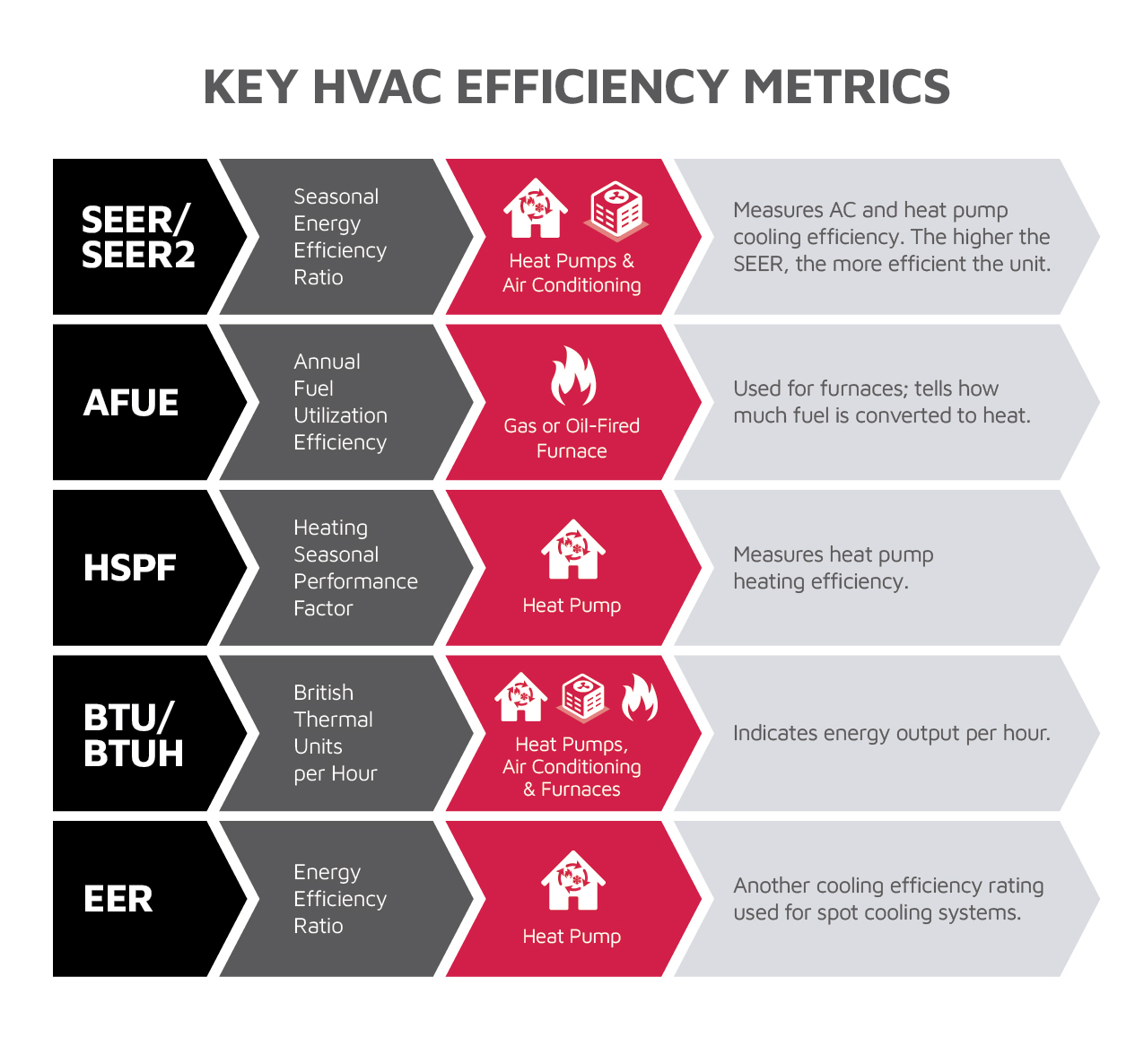
Credit: www.lennox.com
Installation Essentials
Installing a new HVAC system involves more than just placing equipment. The process requires careful planning and precise execution. Proper installation ensures the system runs efficiently and lasts longer. It also helps maintain comfortable indoor temperatures all year.
Sizing And Load Calculation
Correct sizing is key to HVAC performance. A system too big wastes energy and causes uneven cooling. One too small struggles to maintain comfort. Load calculation measures your home’s heating and cooling needs. Factors include house size, insulation, windows, and climate. Professionals use these to select the right system size.
Proper Placement
Where the HVAC units sit matters a lot. Outdoor units need space for airflow and easy maintenance access. Indoor components should be placed to distribute air evenly. Avoid blocking vents or placing units near heat sources. Proper placement reduces strain and extends system life.
Energy Efficiency Ratings
Energy efficiency affects utility bills and environmental impact. Look for systems with high SEER or AFUE ratings. These numbers show how well the system converts energy into heating or cooling. Efficient systems use less power and save money over time. Choosing a high-rated system supports greener living.
Maintenance And Upkeep
Proper maintenance and upkeep keep an HVAC system running smoothly. It helps avoid costly repairs and extends the system’s life. Regular care ensures your home stays comfortable all year.
Regular Inspections
Schedule inspections at least twice a year. A technician checks all parts for wear and damage. Early detection of problems saves money and prevents breakdowns. Inspections improve system efficiency and indoor air quality.
Filter Replacement
Filters trap dust, pollen, and other particles. Replace filters every 1 to 3 months depending on use. Clean filters improve airflow and reduce strain on the system. Fresh filters help maintain healthy air inside your home.
System Cleaning
Cleaning removes dirt and debris from coils and ducts. Dirty parts reduce efficiency and increase energy costs. Clean systems run quieter and last longer. Professional cleaning ensures every component works well.
Credit: www.carrier.com
Frequently Asked Questions
What Are The Main Components Of A New Hvac System?
A new HVAC system typically includes an air conditioner, furnace or heat pump, ductwork, thermostat, and ventilation components. These parts work together to regulate indoor temperature and air quality efficiently.
How Does A New Hvac System Improve Energy Efficiency?
Modern HVAC systems use advanced technology and energy-efficient components. They reduce energy consumption, lower utility bills, and provide better temperature control compared to older models.
What Is Included In The Installation Of A New Hvac System?
Installation includes removing old equipment, setting up new units, connecting ductwork, wiring the thermostat, and testing the entire system for proper operation and efficiency.
How Often Should A New Hvac System Be Maintained?
Regular maintenance is recommended twice a year. This includes cleaning, inspecting, and tuning components to ensure optimal performance and extend the system’s lifespan.
Conclusion
A new HVAC system includes many important parts. It helps keep your home warm or cool. The system uses a thermostat, air handler, and outdoor unit. Proper installation ensures better comfort and energy savings. Regular maintenance keeps it working well for years.
Choosing the right system fits your home’s needs and budget. Understanding these basics makes decisions easier. A good HVAC system improves your daily life. Simple, reliable, and efficient – that’s what you want.



