
Have you ever wondered why your home has vents and what role they actually play? Whether it’s the small openings on your walls or the larger grilles on your ceiling, vents do much more than just sit there.
They help control air flow, keep your space comfortable, and even protect your health. Understanding what a vent does can change how you think about your home’s air quality and energy use. Stick with me, and by the end of this article, you’ll see why vents are more important than you might have realized—and how they work to keep your environment fresh and safe.
Purpose Of Vents
Vents play a crucial role in maintaining a comfortable and healthy environment in your home or building. Their primary purpose is to manage the movement of air, balance pressure, and control moisture levels. Understanding these functions can help you appreciate why vents are essential for your living space.
Airflow Regulation
Vents control the flow of air in and out of rooms, ensuring fresh air circulates effectively. This helps prevent stale air buildup and reduces odors, making your space feel cleaner and more inviting. Have you noticed how a well-ventilated room feels more comfortable and energizing?
Pressure Balance
Properly placed vents maintain pressure balance within a building. Without this balance, doors might slam shut or stay stuck, and drafts can become a nuisance. Maintaining pressure balance also protects your home’s structure from damage caused by uneven air pressure.
Moisture Control
Vents help remove excess moisture from areas like bathrooms and kitchens, reducing the risk of mold and mildew. Moist environments can cause damage to walls and furniture, and even impact your health. By controlling moisture, vents keep your home safer and more durable.
Types Of Vents
Vents play a vital role in controlling airflow in buildings. They help remove stale air and bring in fresh air. Different types of vents serve unique purposes in various parts of a structure. Knowing these types can help you understand how ventilation works.
Roof Vents
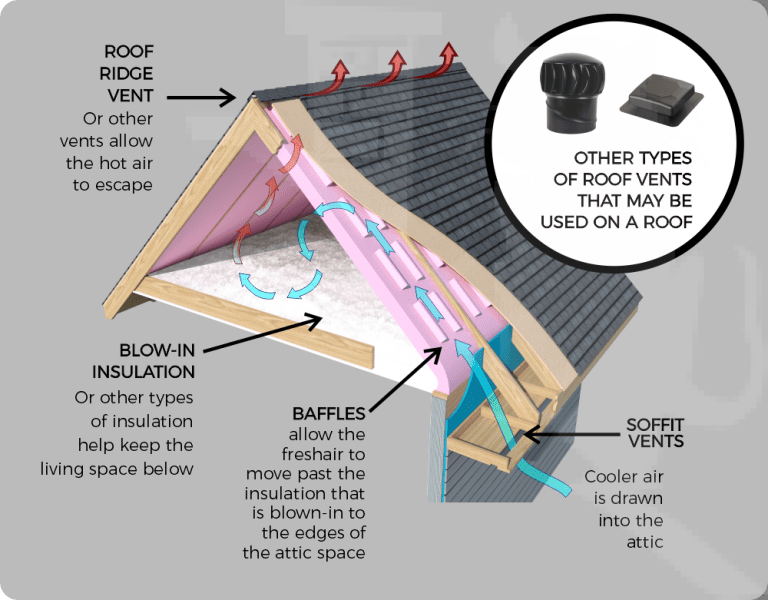
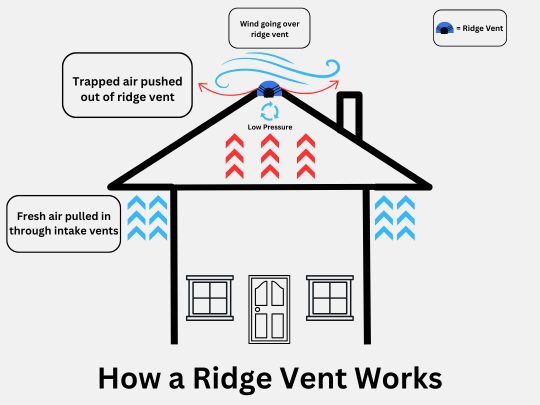
Roof vents let hot air escape from the attic. This reduces heat buildup and prevents moisture problems. They come in many styles, like turbine vents and ridge vents. Proper roof ventilation improves energy efficiency and extends roof life.
Wall Vents
Wall vents allow air to flow in and out through exterior walls. They help ventilate spaces like bathrooms and kitchens. Some wall vents include exhaust fans to remove odors and humidity. They keep indoor air fresh and reduce mold risk.
Floor Vents
Floor vents deliver warm or cool air from heating and cooling systems. They are usually found along baseboards or under windows. Floor vents help maintain even temperature throughout a room. Adjustable grilles control airflow for comfort.
Vents In Hvac Systems
Vents play a vital role in HVAC systems. They help move air through your home. Without vents, heating and cooling would not reach every room. They also keep indoor air fresh and clean. Understanding vents can help you appreciate how your HVAC system works.
Heating And Cooling Distribution
Vents spread warm or cool air evenly throughout a space. Air travels from the HVAC unit through ducts to vents. Each vent releases air into rooms to keep them comfortable. Proper vent placement ensures no room is too hot or cold. It helps maintain a steady temperature all year round.
Air Quality Improvement
Vents help improve indoor air quality by circulating fresh air. They allow stale air to leave and fresh air to enter. Filters often work with vents to trap dust and allergens. Clean vents reduce the buildup of harmful particles. This leads to healthier breathing and a cleaner home environment.
Credit: www.billraganroofing.com
Vents In Plumbing
Vents in plumbing play a crucial role in keeping your home’s drainage system working smoothly. They may seem like simple pipes sticking out of your roof, but they do much more than you might think. Understanding how these vents function can help you spot plumbing issues early and maintain a healthy system.
Sewer Gas Release
One of the main jobs of plumbing vents is to release sewer gases safely outside your home. Without proper venting, these gases can build up inside your pipes and cause unpleasant odors or even health risks. Have you ever noticed a sudden foul smell in your bathroom? That could be a sign your vent isn’t working right.
Vents act like a breath of fresh air for your plumbing system. They let harmful gases escape, preventing them from entering your living space. This not only keeps your home smelling clean but also protects you and your family from potential exposure to dangerous gases.
Drainage Efficiency
Vents also help your drains work more efficiently by allowing air to enter the plumbing system. This air pressure balances the vacuum created when water flows down the pipes. Without this balance, drains can slow down, gurgle, or even get clogged.
Think about the last time you noticed water draining slowly or heard weird noises from your sink. Often, the problem lies with a blocked or missing vent. Keeping your vents clear ensures water flows freely and prevents backups that can turn into costly repairs.
Vent Maintenance Tips
Vents help move air in and out of spaces, keeping rooms fresh and safe. They remove moisture, odors, and harmful gases from inside buildings. Proper vent care ensures clean air and better home comfort.
Vent maintenance is crucial for keeping your home safe and comfortable. Regular upkeep ensures that vents function efficiently and last longer. Here are some essential tips to help maintain your vents.Cleaning Procedures
Regular cleaning is vital for optimal vent performance. Dust and debris can block airflow. Use a vacuum with a hose attachment to remove dust from the vent surface. For deeper cleaning, remove the vent cover. Wash it with warm, soapy water, then dry completely before reattaching. Ensure no moisture remains to prevent mold growth.Common Issues To Watch
Vents can develop issues over time. Watch for unusual noises, which may indicate blockages. Check for signs of damage or rust on the vent covers. If airflow is weak, inspect for blockages or obstructions in the ductwork. Regular inspection helps catch problems early.When To Replace Vents
Vents do not last forever. Replace them when they show signs of wear. Cracks or breaks in the vent cover mean it’s time for a new one. If cleaning doesn’t improve airflow, consider replacement. Rust and corrosion are also signals for replacement. New vents improve air quality and efficiency.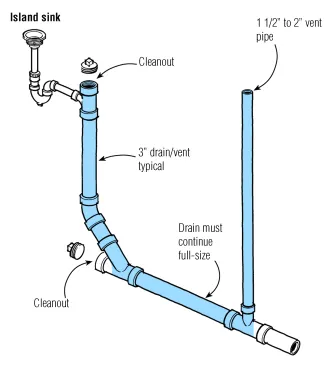
Credit: www.jlconline.com
Energy Efficiency And Vents
Vents play a crucial role in maintaining energy efficiency in your home. They help regulate airflow, which directly affects heating and cooling costs. Understanding how vents contribute to energy savings can empower you to make smarter decisions about your home’s ventilation system.
Reducing Energy Loss
Vents help prevent energy loss by controlling the flow of air in and out of your living spaces. Without proper ventilation, warm or cool air can escape, forcing your HVAC system to work harder. This not only increases your energy bills but also wears out your equipment faster.
Sealing gaps around vents and using vent covers during off-seasons can minimize unwanted air leaks. Have you ever noticed a draft near a vent? That’s a sign energy is slipping away. Addressing these leaks can save you a significant amount on heating and cooling costs.
Proper Vent Placement
Where you place your vents matters just as much as the vents themselves. Placing vents near windows or exterior walls helps balance indoor temperatures by offsetting heat loss or gain. It’s a simple step that can improve comfort and reduce reliance on your HVAC system.
Think about rooms that tend to feel stuffy or too warm—adjusting vent placement can solve those issues. If you’re renovating or building, ask your contractor about vent locations that optimize airflow and energy use. Small changes here can lead to big savings over time.

Credit: dragonventsaustralia.com.au
Frequently Asked Questions
What Is The Main Function Of A Vent?
A vent allows air to flow in and out of spaces. It prevents moisture buildup and controls temperature. Vents improve air quality and reduce pressure differences in buildings.
How Do Vents Prevent Moisture Problems?
Vents release trapped moisture and humidity from inside buildings. This stops mold and mildew growth. Proper ventilation protects structural materials and keeps indoor air fresh.
Why Are Vents Important For Plumbing Systems?
Plumbing vents let sewer gases escape safely outside. They maintain air pressure in pipes to ensure smooth drainage. Without vents, drains could clog or release harmful gases indoors.
Can Vents Improve Indoor Air Quality?
Yes, vents continuously exchange stale indoor air with fresh outdoor air. This reduces pollutants and odors inside homes. Proper ventilation supports a healthier living environment.
Conclusion
A vent helps air flow in and out of spaces. It keeps rooms fresh and stops moisture build-up. Proper venting protects buildings from damage and mold. Vents also improve comfort by controlling temperature and air quality. Knowing what a vent does helps you care for your home better.
Simple and effective, vents play a key role in healthy living spaces. Keep vents clean and clear for best results. They work quietly but make a big difference every day.



