
Have you ever wondered what an HVAC system actually looks like? You might hear the term all the time, but understanding its appearance can help you spot the parts in your home or workplace.
Knowing what to look for makes it easier to maintain your comfort and catch problems early. You’ll discover the key components of an HVAC system and how they work together to keep your space just right. Keep reading, and you’ll never be in the dark about your heating, ventilation, and air conditioning again.
Credit: modernize.com
Hvac System Components
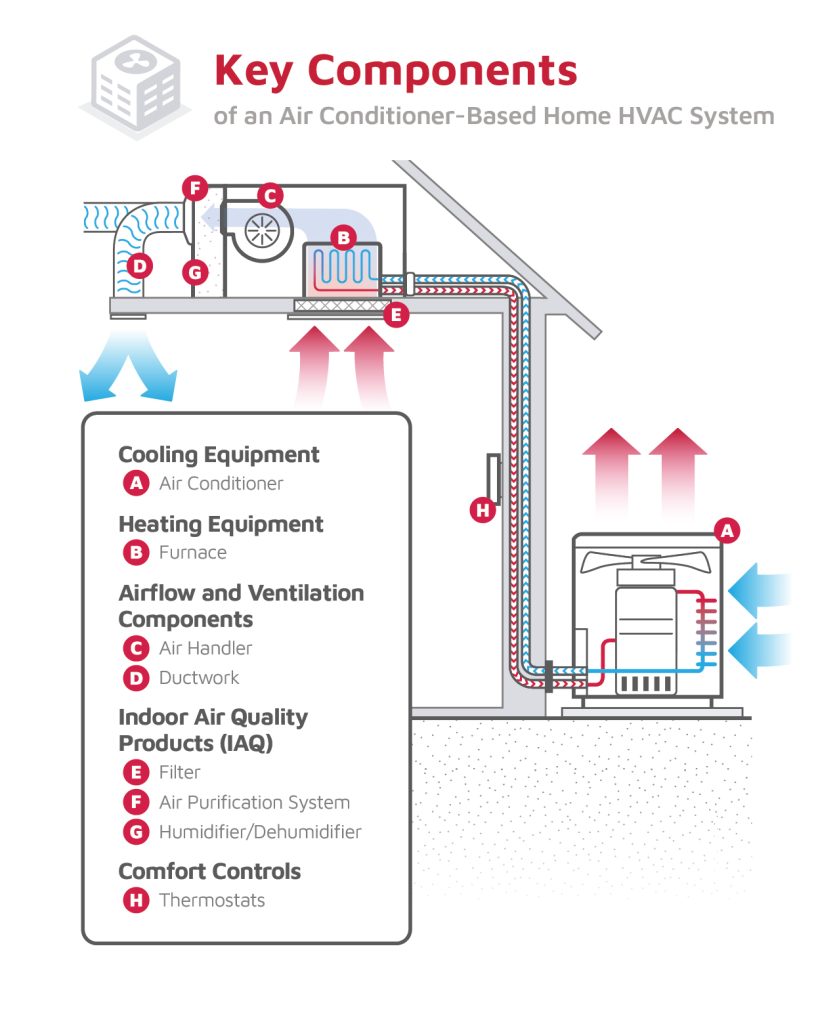
An HVAC system has many parts working together to control your home’s temperature and air quality. Each component plays a key role in heating, cooling, and ventilating your space. Understanding these parts helps you know how HVAC keeps you comfortable all year.
Heating Units
Heating units warm the air inside your home. Common types include furnaces, boilers, and heat pumps. Furnaces burn fuel or use electricity to create heat. Boilers heat water that flows through pipes to warm rooms. Heat pumps move heat from outside to inside, even in cold weather. These units often use ducts or radiators to spread heat evenly.
Cooling Units
Cooling units remove heat and humidity from your home. Air conditioners and heat pumps are the main cooling devices. Air conditioners use refrigerants to absorb heat and release it outside. Heat pumps can switch between heating and cooling modes. These units circulate cool air through ducts or vents, keeping rooms fresh and comfortable.
Ventilation Parts
Ventilation parts bring fresh air in and remove stale air. This process improves indoor air quality. Common components include air ducts, vents, and exhaust fans. Air ducts carry air to different rooms. Vents allow air to enter or exit spaces. Exhaust fans remove moisture and odors from kitchens and bathrooms. Proper ventilation prevents mold and keeps air clean.
Types Of Hvac Systems
HVAC systems come in different types. Each type serves a specific purpose for heating, cooling, and ventilation. Choosing the right system depends on your home’s size and design. Understanding the main types helps in making a better decision for comfort and energy savings.
Split Systems
Split systems are the most common type of HVAC. They have two main parts: one inside and one outside your home. The indoor unit contains the evaporator coil and blower. The outdoor unit holds the compressor and condenser coil. These systems work well for homes with existing ductwork. They are efficient and easy to maintain.
Packaged Systems
Packaged systems combine all components in one unit. This unit is usually placed outside or on the roof. It handles heating, cooling, and sometimes ventilation. Packaged systems are ideal for homes without enough indoor space. They are simple to install and take up less room inside.
Ductless Systems
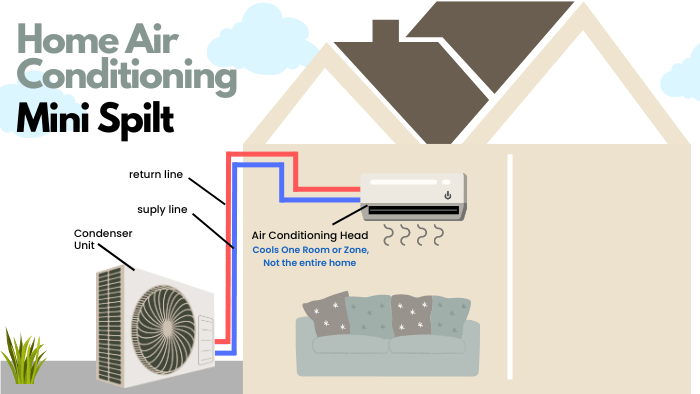
Ductless systems use individual units in different rooms. Each unit connects directly to an outdoor compressor. These systems do not require ductwork. They provide flexible heating and cooling options. Ductless systems are energy efficient and easy to install. Perfect for older homes or additions without ducts.
Indoor Equipment Visuals
Indoor HVAC equipment includes several key components. Each part has a unique look and function. Understanding what these pieces look like helps you identify them during maintenance or repair.
Furnaces
Furnaces are usually large metal boxes. They often sit in basements, closets, or utility rooms. The front panel may have vents or a door for access. Inside, burners and heat exchangers warm the air. A blower then pushes warm air through ducts to heat your home.
Air Handlers
Air handlers look like rectangular metal cabinets. They connect to your duct system. Inside, a fan moves air over heating or cooling elements. Air handlers often work with heat pumps or air conditioners. They may include filters and dampers to control airflow.
Thermostats
Thermostats are small wall-mounted devices. They come in digital or simple dial designs. Digital thermostats have screens showing temperature and settings. Some models allow programming for different times of day. They control the HVAC system by turning it on or off to maintain comfort.
Credit: www.carrier.com
Outdoor Equipment Visuals
Outdoor HVAC equipment can look intimidating at first glance, but understanding what each component does helps you feel more confident in spotting issues or describing problems to a technician. These units usually sit outside your home or building, exposed to weather and ready to keep your indoor air comfortable. Recognizing the main parts by their appearance can save you time and money when maintenance or repairs are needed.
Condensers
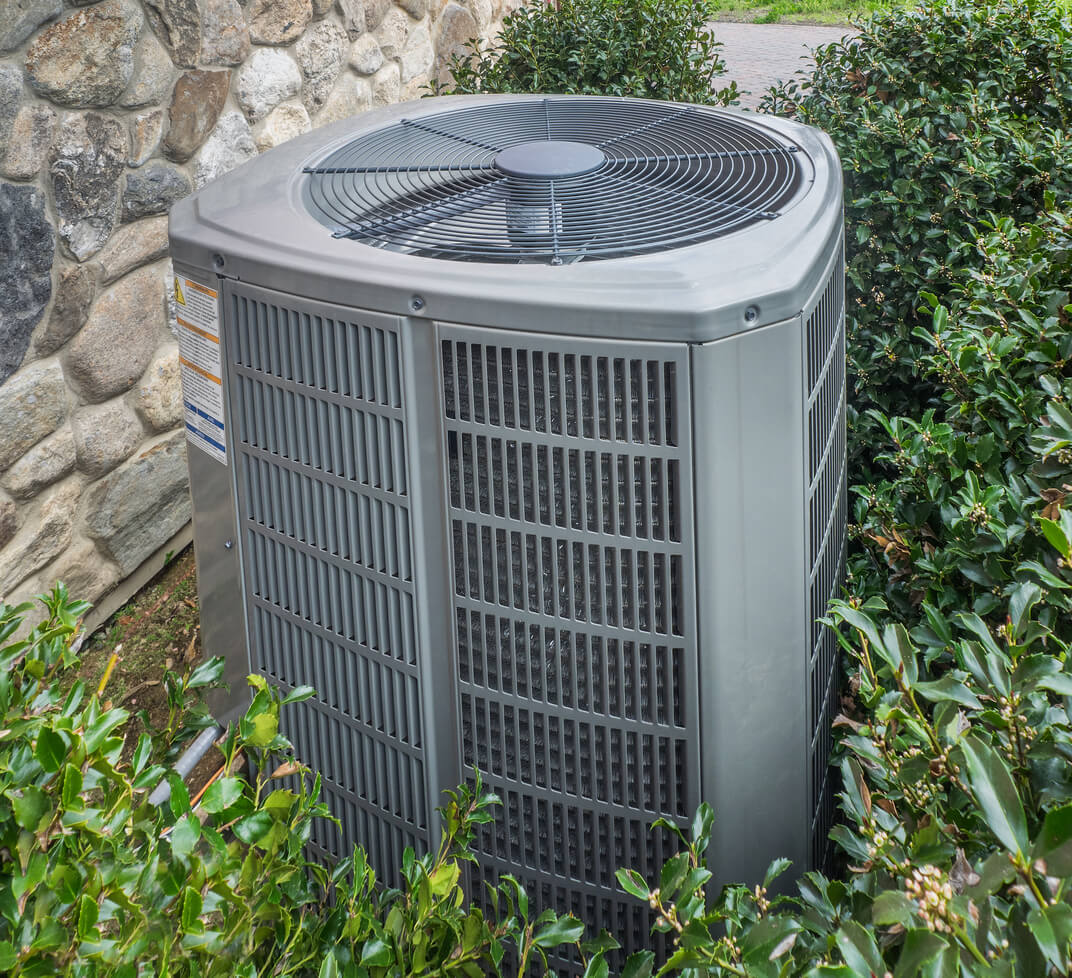
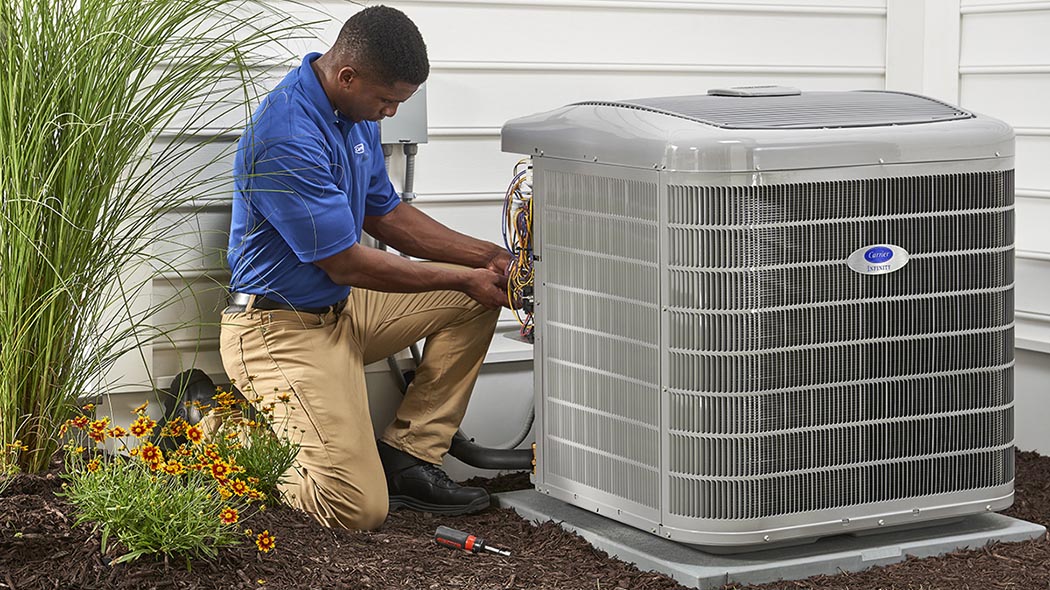
Condensers are often the largest visible part of your outdoor HVAC system. They look like metal boxes with a large fan on top and fins on the sides to release heat. You might notice they hum when running and sometimes vibrate slightly.
If you’ve ever seen a unit with a fan spinning inside a cage-like frame, that’s likely the condenser. It’s responsible for expelling heat absorbed from inside your home. Keeping the fins clean and free of debris is crucial for efficient cooling, so check if leaves or dirt have piled up around it.
Heat Pumps
Heat pumps resemble condensers but have an added feature: they can reverse operation to provide heating as well as cooling. Visually, they look similar to condensers but might have more electrical connections or labels indicating their dual function.
Imagine an outdoor box quietly pulling warmth from the air even on chilly days. That’s your heat pump at work. If you notice ice forming on it during winter, it could mean the defrost cycle isn’t working properly, a common issue you can watch for.
Compressors
Compressors are usually housed inside the condenser or heat pump cabinet, so you won’t see them directly without opening the unit. They look like a heavy, cylindrical metal part connected to pipes and electrical wires.
The compressor’s job is to pressurize the refrigerant, which is essential for transferring heat. If your system sounds louder than usual or fails to start, the compressor might be struggling. Understanding this helps you communicate the problem clearly to your HVAC technician.
Ductwork And Airflow
The HVAC system is a crucial part of indoor comfort. It controls temperature, air quality, and circulation. Understanding ductwork and airflow helps in appreciating how HVAC systems function. Let’s explore the components involved.
Duct Types
Ducts are pathways for air. They come in various materials and shapes. The most common types are:
- Sheet Metal Ducts:Durable and long-lasting. Made from galvanized steel or aluminum.
- Flexible Ducts:Made from a spring coil covered with plastic. They are easy to install in tight spaces.
- Fiberglass Ducts:Lined with fiberglass. Good for soundproofing and insulation.
Air Vents And Registers
Air vents and registers control airflow in rooms. Vents allow air to enter or exit spaces. Registers have grilles and dampers. They adjust the flow and direction of air.
Proper placement ensures efficient heating and cooling. Regular checks prevent blockages and maintain comfort.
Filters
Filters are essential for clean air. They trap dust, pollen, and other particles. Regular replacement or cleaning is vital. It keeps the system efficient and air quality high.
Filters come in different types, like fiberglass, pleated, and electrostatic. Choose based on needs and HVAC compatibility.
Common Hvac Accessories
Common HVAC accessories help improve the comfort and efficiency of your heating and cooling systems. They do more than just support temperature control—they enhance air quality and allow you to customize your home environment. Understanding these accessories can help you decide which ones fit your needs and lifestyle.
Humidifiers And Dehumidifiers
Maintaining the right moisture level in your home is essential for comfort and health. Humidifiers add moisture to dry air, which can prevent dry skin, irritated sinuses, and static electricity. On the other hand, dehumidifiers remove excess moisture, reducing mold growth and musty odors.
If you’ve ever felt uncomfortable during winter or noticed a damp smell in your basement, a humidifier or dehumidifier might be the missing piece in your HVAC setup. These devices work with your system to balance humidity automatically, so you don’t have to adjust settings constantly.
Zoning Systems
Zoning systems let you control the temperature in different parts of your home independently. Imagine being able to cool your living room while keeping bedrooms warmer without wasting energy. This feature saves money and boosts comfort, especially for families with different temperature preferences.
Have you experienced rooms that are always too hot or too cold? Adding zoning to your HVAC system can solve this problem by directing airflow only where it’s needed. It’s a smart upgrade if your home has multiple floors or separate wings.
Air Purifiers
Air purifiers improve indoor air quality by removing dust, pollen, pet dander, and other pollutants. If you or your family members suffer from allergies or asthma, this accessory can make a significant difference in daily comfort.
Some air purifiers attach directly to your HVAC system, cleaning the air throughout your entire home. This means you breathe fresher air without having to place standalone units in every room. Wouldn’t you want cleaner air working quietly in the background?
Visual Maintenance Tips
Keeping an HVAC system in top shape means more than just relying on professional check-ups. You can often spot potential issues just by looking closely at your unit. Visual maintenance is your first line of defense against costly repairs and inefficient performance.
Cleaning Components
Dust and debris buildup can choke your HVAC system’s efficiency. Check the exterior components like coils and fins for dirt, leaves, or spider webs. A soft brush or gentle vacuum can clear away grime without damaging delicate parts.
Have you noticed your system struggling on hot days? Cleaning these components regularly helps air flow smoothly and keeps your HVAC working like new. Don’t forget to inspect the drain pan and drain lines for clogs that might cause leaks or water damage.
Checking For Wear
Look closely for signs of wear on belts, wiring, and insulation. Cracks, fraying, or discoloration can indicate parts that need replacement. Catching these early prevents unexpected breakdowns.
When was the last time you really examined your system’s exterior? Small issues like rust or loose screws might seem minor but often lead to bigger problems. Regular visual checks help you stay ahead of costly repairs.
Replacing Filters
Dirty filters reduce airflow and strain your HVAC system. Check your filters every month, especially during heavy use seasons. If they look gray or clogged, swap them out immediately.
Think about the air quality inside your home. Clean filters not only protect your system but also keep your indoor air fresh and healthy. It’s a simple task that makes a huge difference in comfort and energy bills.
Credit: thegentlemenpros.com
Frequently Asked Questions
What Does An Hvac System Look Like Inside A Home?
An HVAC system typically includes a furnace, air conditioner, and ductwork. The furnace heats air, while the AC cools it. Ducts distribute air throughout rooms. Visible components include vents, thermostats, and outdoor condenser units. Each part works together to maintain comfortable indoor temperatures efficiently.
How Can I Identify Hvac Components Visually?
Look for a large metal box (furnace) inside, ductwork running through walls or ceilings, vents on floors or walls, and an outdoor unit with a fan (condenser). Thermostats on walls control settings. These parts form the visible, functional elements of an HVAC system.
Are Hvac Units Different In Size And Shape?
Yes, HVAC units vary based on home size and system type. Furnaces are usually rectangular metal boxes. Outdoor AC units are square or rectangular with a fan on top. Ducts can be round or rectangular. Size and shape depend on capacity and installation design.
What Exterior Features Indicate An Hvac System Is Present?
An outdoor condenser unit is a key HVAC feature. It is usually a metal box with a fan grill on top. Nearby, you’ll find refrigerant lines running into the home. These components signal the presence of an air conditioning and heating system.
Conclusion
An HVAC system includes several key parts you can easily spot. It helps control air temperature, humidity, and quality inside homes. Knowing what an HVAC looks like helps you understand its function better. Regular care keeps it working well and saves money.
Now, you can feel more confident talking about HVAC systems. They play a big role in keeping your space comfortable. Simple knowledge goes a long way in home care.



