
Have you ever wondered what HVAC really stands for and why it’s so important for your home or office? Whether you’re feeling too hot in the summer or shivering during winter, HVAC plays a key role in keeping your space comfortable.
Understanding what HVAC means can help you make smarter choices about heating, cooling, and air quality. Keep reading, and you’ll discover the simple truth behind HVAC and how it affects your everyday life. This knowledge could save you money and improve your comfort more than you might think.
Credit: www.lennox.com
Hvac Meaning
Understanding the term HVAC is key to knowing how buildings stay comfortable. This acronym is common in homes and offices but not always clear. HVAC relates to systems that control air quality and temperature inside buildings.
Breaking Down The Acronym
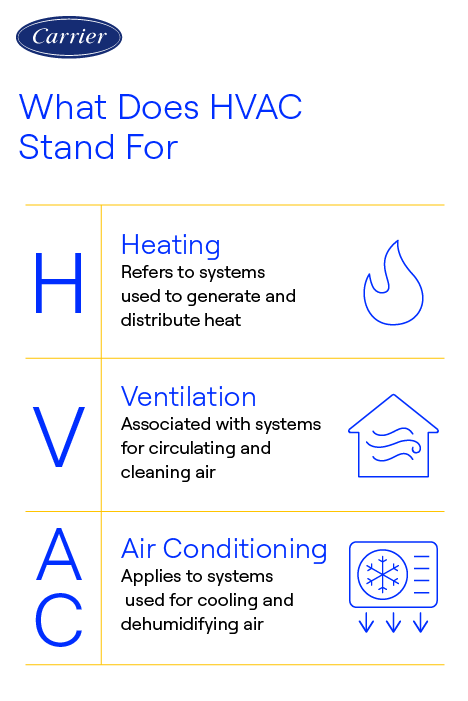
HVAC stands for Heating, Ventilation, and Air Conditioning. Each part plays a role in managing indoor environments. Heating keeps spaces warm during cold weather. Ventilation moves fresh air in and removes stale air out. Air Conditioning cools the air to provide comfort in hot weather.
Core Functions
- Heating:Uses furnaces or heat pumps to warm air.
- Ventilation:Circulates air to improve air quality and remove odors.
- Air Conditioning:Cools and dehumidifies the indoor air.
These functions work together to keep indoor spaces healthy and comfortable. HVAC systems also help control humidity and reduce airborne pollutants. Proper HVAC maintenance ensures energy efficiency and better air quality.
Heating Systems
Heating systems are a vital part of HVAC, standing for Heating, Ventilation, and Air Conditioning. They keep your home warm and comfortable during cold months. Understanding different heating options helps you make better choices for your space and budget.
Types Of Heating
You have several heating types to choose from, each with its own strengths.
- Furnaces:Use air to distribute heat through ducts. They are fast and effective.
- Boilers:Heat water to provide warmth through radiators or radiant floor systems. They create a cozy, steady heat.
- Heat Pumps:Transfer heat instead of generating it, working efficiently in mild climates.
- Electric Heaters:Offer quick spot heating but can increase your electric bill.
Think about your home size and insulation before picking a system. Which type fits your lifestyle and local weather best?
Energy Sources
Heating systems run on various energy sources that impact cost and environmental footprint.
- Natural Gas:Common and affordable but not available everywhere.
- Electricity:Widely accessible and clean if sourced from renewables but can be costly.
- Oil:Powerful but less popular now due to environmental concerns.
- Propane:Used in rural areas without natural gas lines.
- Renewable Options:Solar-powered heating is gaining traction for eco-conscious homeowners.
Have you checked which energy source is most efficient and cost-effective in your area?
Maintenance Tips
Keeping your heating system in good shape saves money and prevents breakdowns.
- Replace or clean filters every 1-3 months to ensure good airflow.
- Inspect ducts and vents for leaks or blockages regularly.
- Schedule annual professional tune-ups to catch issues early.
- Keep the area around the unit clear of dust and debris.
- Test your thermostat to make sure it’s working accurately.
Small maintenance steps can extend your system’s life and improve your comfort. What’s the last thing you did to maintain your heating system?
Cooling Systems
Cooling systems are a vital part of HVAC, helping you stay comfortable during hot days. They work by removing heat from indoor air and replacing it with cooler air. Understanding how these systems operate can help you choose the right unit for your home or office.
Air Conditioning Basics
At its core, an air conditioner moves heat from inside your space to the outside. It uses a refrigerant to absorb heat and then releases it outside through coils. This process not only cools the air but also reduces humidity, making the environment more comfortable.
Have you ever noticed how your air conditioner sometimes feels less effective during very humid days? That’s because moisture removal is just as important as temperature control in cooling systems.
Types Of Cooling Units
- Central Air Conditioners:These cool an entire building by circulating air through ducts. They are great for larger spaces but require professional installation.
- Window Units:Compact and easy to install, window units are perfect for cooling single rooms. They’re budget-friendly but less energy-efficient for large areas.
- Portable Air Conditioners:These can be moved from room to room, offering flexibility. However, they may be noisier and less effective than fixed units.
- Ductless Mini-Splits:These systems cool individual rooms without ducts. They offer precise temperature control and are easy to install in homes without existing ductwork.
Which type fits your lifestyle better—fixed central cooling or flexible portable units?
Efficiency Factors
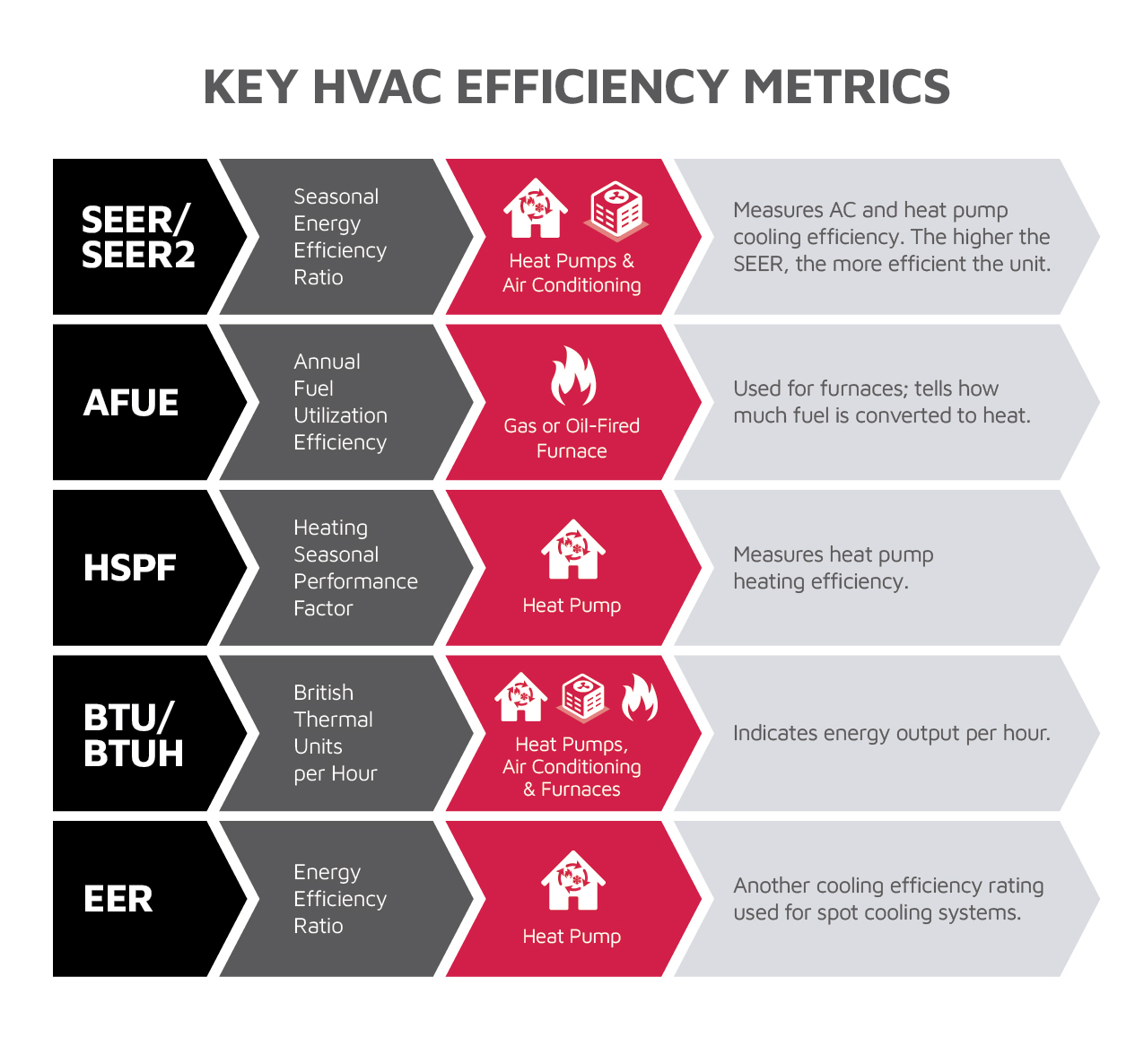
Energy efficiency in cooling systems affects both your electricity bill and the environment. Look for the SEER (Seasonal Energy Efficiency Ratio) rating; higher numbers mean better efficiency.
Regular maintenance, like cleaning filters and checking refrigerant levels, keeps your system running smoothly and efficiently. Also, consider the size of the unit—too big or too small units waste energy and won’t cool effectively.
Think about your daily habits: Are you willing to invest time in upkeep? The right balance between efficiency and convenience can save you money and hassle in the long run.

Credit: www.youtube.com
Ventilation Importance
Ventilation plays a key role in HVAC systems. It moves fresh air inside and pushes out stale air. Good ventilation keeps indoor spaces comfortable and safe. It helps control temperature and remove pollutants. Proper airflow reduces moisture and prevents mold growth. Ventilation supports a healthy environment in homes and offices.
Indoor Air Quality
Indoor air quality depends on clean, fresh air. Poor ventilation traps dust, smoke, and allergens inside. Polluted air causes headaches, fatigue, and allergies. HVAC systems with good ventilation improve air quality. They bring in outside air and filter it. This process lowers indoor pollution and keeps air fresh.
Ventilation Methods
- Natural ventilation uses windows and vents to let air flow.
- Mechanical ventilation uses fans and ducts to move air.
- Exhaust ventilation removes stale air from kitchens and bathrooms.
- Supply ventilation brings fresh air into living spaces.
- Balanced ventilation supplies and removes equal amounts of air.
Each method helps maintain airflow and air quality. The right choice depends on building design and climate.
Health Benefits
Good ventilation reduces airborne germs and allergens. It lowers the risk of respiratory problems. Fresh air helps people breathe easier and feel better. Proper airflow controls humidity and prevents mold. Healthy air supports better sleep and concentration. Ventilation protects both physical and mental health.
Hvac Components
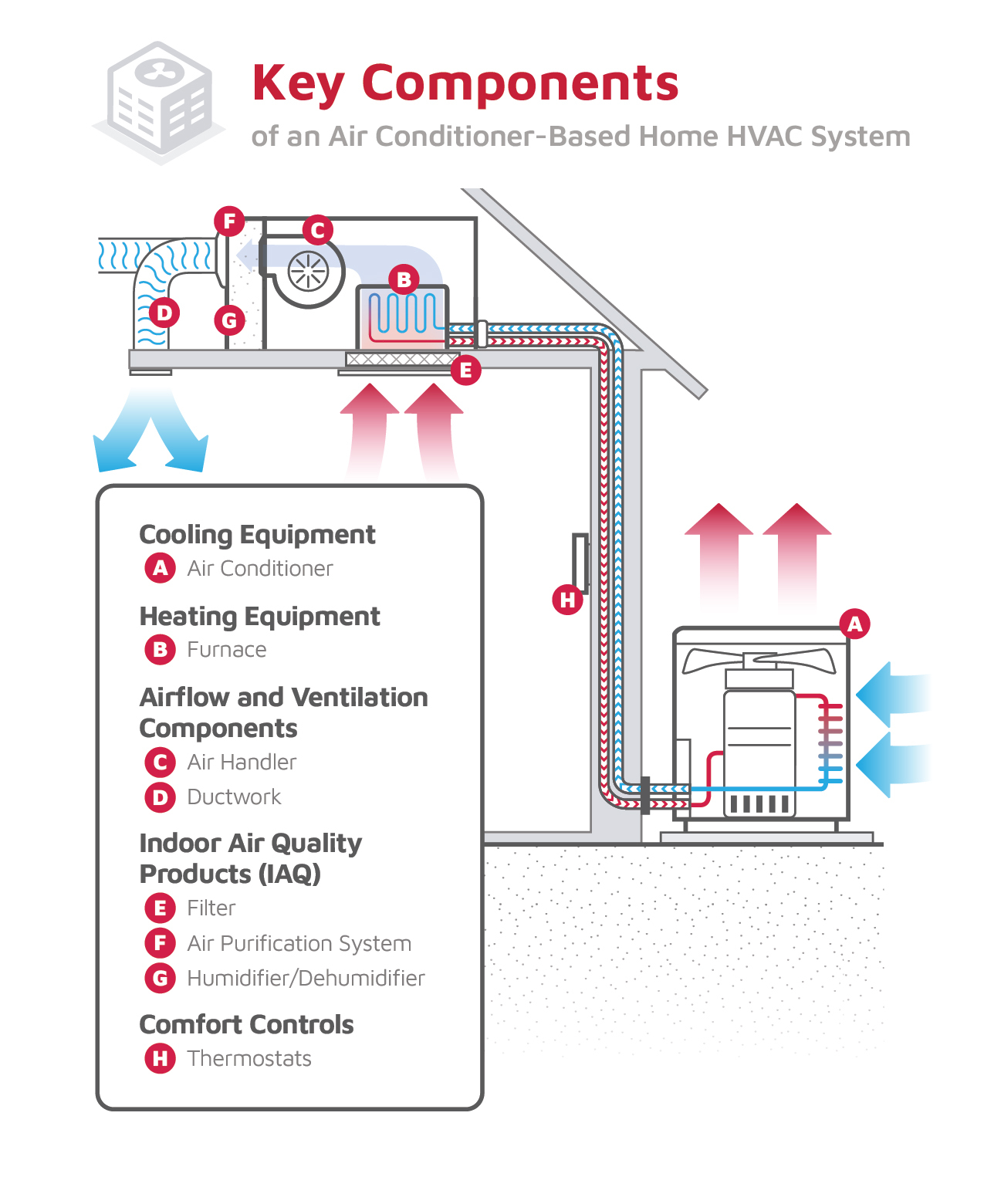
HVAC stands for Heating, Ventilation, and Air Conditioning. These components work together to control indoor temperature and air quality. They keep homes and buildings comfortable throughout the year.
Understanding the components of an HVAC system is crucial to grasping how it operates to maintain comfort in your home. These components work together to control temperature, humidity, and overall air quality. As you explore the inner workings of an HVAC system, you’ll discover how each part plays a vital role in achieving optimal indoor conditions.Thermostats And Controls
Thermostats are the brains of your HVAC system. They regulate the temperature by activating the heating or cooling units based on your settings. With advancements in technology, smart thermostats now allow you to control your home’s climate from your smartphone, adding convenience and efficiency to your life.Ductwork Design
Ductwork is the circulatory system of your HVAC setup. It distributes air throughout your home, ensuring each room stays comfortable. Properly designed ductwork minimizes energy loss and ensures even temperature distribution, making it essential for an efficient HVAC system.Filters And Purifiers
Filters and purifiers are the unsung heroes of your HVAC system. They remove dust, allergens, and other pollutants from the air, improving your home’s air quality. Regularly changing filters not only keeps your air clean but also extends the life of your HVAC equipment. Have you ever considered how these components work together to create the perfect indoor environment? Understanding these parts can empower you to make informed decisions about maintaining and upgrading your system for optimal performance.Energy Efficiency
Energy efficiency is a key factor when considering HVAC systems. It directly impacts your utility bills and the environment. Understanding how to measure and improve this efficiency can help you make smarter choices for your home or business.
Seer And Afue Ratings
SEER (Seasonal Energy Efficiency Ratio) measures cooling efficiency. A higher SEER rating means your air conditioner uses less energy to cool your space. Look for units with SEER ratings of 14 or above to save money over time.
AFUE (Annual Fuel Utilization Efficiency) applies to heating systems. It shows how efficiently your furnace converts fuel into heat. An AFUE rating of 90% or higher means less fuel waste and lower heating costs.
Smart Hvac Technologies
Smart thermostats learn your schedule and adjust temperatures automatically. This avoids unnecessary heating or cooling when you’re away. Some models even let you control settings from your phone, giving you full control wherever you are.
Variable-speed motors in HVAC units adjust power based on demand. This reduces energy use compared to traditional systems that run at full speed all the time. Have you noticed how some newer HVAC systems feel more comfortable and quieter? That’s often thanks to these technologies.
Cost-saving Strategies
- Seal air leaks around doors and windows to prevent wasted energy.
- Regularly change or clean your HVAC filters to keep the system running efficiently.
- Schedule annual professional maintenance to catch issues early and maintain peak performance.
- Use ceiling fans to circulate air, allowing you to set your thermostat a few degrees higher or lower.
Have you tracked how much you could save by simply adjusting your thermostat by a degree or two? Small changes can add up quickly on your energy bill while keeping your home comfortable.
Common Hvac Problems
HVAC systems are essential for indoor comfort. They heat, cool, and circulate air in homes and buildings. Despite their importance, HVAC units face common problems that affect performance.
Recognizing these issues early can save money and prevent bigger repairs. Understanding the signs and simple fixes helps maintain a healthy HVAC system.
Signs Of Malfunction
- Uneven temperatures in different rooms
- Strange noises like banging or grinding
- Unpleasant odors coming from vents
- Increased energy bills without extra use
- System frequently turning on and off
- Poor airflow or weak air coming from vents
Troubleshooting Tips
- Check and replace dirty air filters
- Clear debris around outdoor units
- Ensure thermostat settings are correct
- Inspect circuit breakers and reset if needed
- Clean vents and registers for better airflow
When To Call A Professional
- System fails to start after troubleshooting
- Persistent strange noises or smells
- Water leaks near the HVAC unit
- Frequent cycling on and off
- Unexplained spikes in energy bills
Choosing The Right System
HVAC stands for Heating, Ventilation, and Air Conditioning. Choosing the right system means finding one that fits your space and needs. This helps keep your home comfortable all year round.
Choosing the right HVAC system is crucial for comfort and efficiency. The ideal system meets your home’s specific needs and fits your budget. Understanding key aspects can help you make an informed decision.Sizing Your Hvac
The size of the HVAC system must match your home’s needs. An oversized system wastes energy and costs more to run. A small system struggles to maintain comfort. Calculate the space and energy requirements to find the right size. Consult with a professional for precise measurements. Proper sizing ensures efficiency and longevity.Factors To Consider
Several factors influence your choice of an HVAC system. Climate affects the type of system that suits your home. Insulation and window quality impact energy efficiency. Consider energy ratings to save on electricity bills. Assess your budget and maintenance needs. Research different brands and models for reliability.Installation Insights
Proper installation ensures the system works efficiently. Choose a certified professional for installation. Check their experience and references. Incorrect installation can lead to high energy bills. Make sure the installation includes testing the system. Ensure the installer explains the operation and maintenance. Regular maintenance checks keep the system running smoothly.Future Of Hvac
The future of HVAC is moving toward smarter, cleaner, and more efficient systems. Technology and environmental needs are shaping new ways to heat and cool homes and buildings. This shift will benefit users by lowering costs and reducing energy waste.
Green Technologies
Green technologies focus on reducing energy use and harmful emissions. HVAC systems now use natural refrigerants with low global warming potential. Solar-powered HVAC units gain popularity for homes and offices. Smart thermostats help control energy by adjusting temperatures automatically.
Innovations On The Horizon
New HVAC designs include advanced sensors and AI to improve comfort. Systems will predict maintenance needs before breakdowns occur. Integration with home automation allows users to manage HVAC remotely. Heat recovery ventilators will become more common to recycle warm air.
Impact On Environment
Modern HVAC systems reduce carbon footprints significantly. Efficient heating and cooling lower electricity demand and pollution. Using renewable energy sources cuts reliance on fossil fuels. Cleaner HVAC leads to healthier indoor air quality and better living conditions.
Credit: www.lennox.com
Frequently Asked Questions
What Does Hvac Stand For In Home Systems?
HVAC stands for Heating, Ventilation, and Air Conditioning. It refers to technology that controls indoor temperature, air quality, and humidity. HVAC systems keep buildings comfortable year-round by heating in winter and cooling in summer.
Why Is Hvac Important For Indoor Comfort?
HVAC systems regulate temperature and air quality indoors. They ensure proper ventilation, reducing pollutants and allergens. This creates a healthy, comfortable environment in homes and offices, improving wellbeing and productivity.
How Does Hvac Improve Energy Efficiency?
Modern HVAC systems use advanced technology to reduce energy use. They optimize heating and cooling, lowering utility bills. Proper maintenance also helps HVAC units run efficiently, saving energy and costs over time.
What Are Common Hvac System Components?
HVAC systems include a furnace or heat pump, air conditioner, ductwork, and thermostat. Each part works together to control air temperature and quality inside a building. Proper installation and maintenance ensure smooth operation.
Conclusion
HVAC stands for heating, ventilation, and air conditioning. It keeps indoor air clean and comfortable. Knowing what HVAC means helps you understand your home’s system. It controls temperature and airflow all year round. Proper HVAC care saves energy and money.
It also improves your health by filtering air. Now, you can talk about HVAC with confidence. This basic knowledge helps you make better choices. HVAC plays a big role in daily comfort. Simple but important.



