
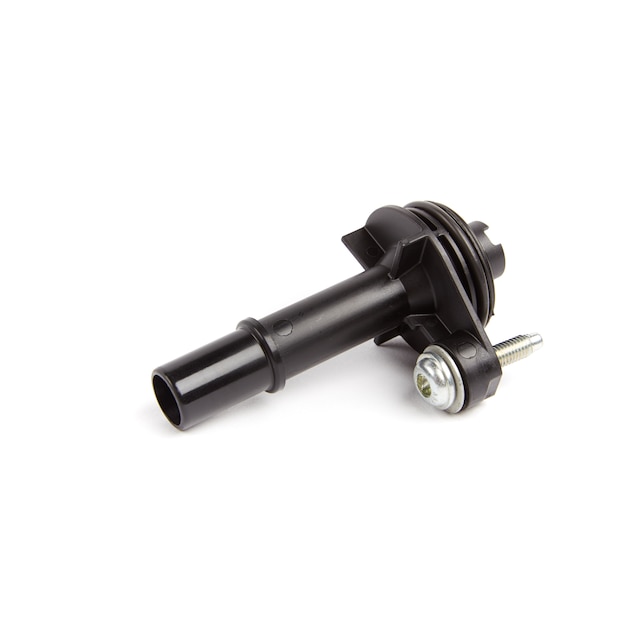
Have you ever wondered what keeps your car’s engine running clean and smooth? The answer lies in a small but powerful part called the Positive Crankcase Ventilation (PCV) valve.
This little valve plays a crucial role in protecting your engine from damage and boosting its performance. If you want to understand how your vehicle stays efficient and what you can do to keep it in top shape, learning about the PCV valve is a great place to start.
Keep reading, and you’ll discover why this tiny component matters more than you might think.
Role Of The Pcv Valve
The Positive Crankcase Ventilation (PCV) valve plays a crucial role in maintaining your engine’s health and controlling harmful emissions. It acts as a small but powerful gatekeeper, managing the flow of gases that would otherwise cause damage or pollution. Understanding its role helps you appreciate why regular maintenance of the PCV valve can save you from costly repairs and keep your vehicle running smoothly.
How It Controls Emissions
The PCV valve reroutes harmful gases from the crankcase back into the engine’s combustion chamber. Instead of releasing these gases into the atmosphere, it ensures they are burned off during combustion.
This process reduces the amount of toxic pollutants your car emits, helping your vehicle meet environmental standards. Imagine driving through a busy city—your PCV valve is quietly working to cut down smog and air pollution with every mile.
Impact On Engine Performance
Your engine’s efficiency depends on clean, well-managed internal conditions. A faulty or clogged PCV valve can cause pressure buildup, leading to oil leaks and sludge formation inside the engine.
When you’ve experienced rough idling or unexpected engine stalls, a worn-out PCV valve might be the hidden culprit. Keeping it in good shape improves fuel economy, reduces engine wear, and helps your car perform at its best.
How Pcv Valves Work
Understanding how a Positive Crankcase Ventilation (PCV) valve works can change the way you see your car’s engine maintenance. This small but vital component controls harmful gases inside your engine, helping it run cleaner and more efficiently. Let’s break down how it manages this task.
Flow Of Gases In The Engine
Inside your engine, combustion produces gases that can leak past the piston rings into the crankcase. These gases, called blow-by gases, contain unburned fuel, moisture, and other pollutants. If these gases build up, they can cause sludge and corrosion inside your engine.
The PCV valve directs these gases back into the intake manifold, where they are burned again in the combustion chamber. This reduces emissions and prevents pressure buildup in the crankcase. Have you ever noticed your engine running smoother after a PCV valve replacement? That’s because it helps keep the airflow balanced and the engine clean.
Valve Mechanism And Operation
The PCV valve is a simple yet clever device. It acts like a one-way valve that opens and closes based on engine vacuum pressure. When your engine is idling or running at low speed, the valve restricts airflow to prevent too much gas from entering the intake manifold.
As engine speed increases, the valve opens wider, allowing more blow-by gases to flow through. Inside the valve, a spring-loaded plunger moves to regulate this flow precisely. This ensures your engine gets the right amount of ventilation without flooding the intake.
Ever wondered why a malfunctioning PCV valve can cause rough idling or increased oil consumption? That’s because it disrupts this delicate balance. Keeping the valve clean and functioning is crucial for your engine’s health and performance.
Signs Of A Faulty Pcv Valve
Recognizing the signs of a faulty Positive Crankcase Ventilation (PCV) valve helps prevent engine problems. The PCV valve controls harmful gases inside the engine and keeps it running smoothly. A damaged or clogged PCV valve can cause several issues. Early detection can save repair costs and improve vehicle performance.
Common Symptoms
- Rough engine idle or stalling
- Increased oil consumption or leaks
- Check engine light turns on
- Engine misfires or hesitation
- Excessive smoke from the exhaust
- Poor fuel economy
- Strange noises from the engine
Effects On Vehicle Efficiency
A faulty PCV valve reduces engine efficiency. It can cause poor fuel mixture, leading to higher fuel use. Engine performance drops, making acceleration slow and uneven. Oil contamination and pressure build-up may damage engine parts. Emissions increase, causing the vehicle to fail pollution tests. Timely replacement restores smooth engine function and saves fuel.

Credit: www.amazon.com
Types Of Pcv Valves
Positive Crankcase Ventilation (PCV) valves come in various types. Fixed orifice PCV valves regulate air flow with a simple design. Variable orifice valves adjust air flow based on engine conditions. Both types help reduce emissions and maintain engine performance.
Understanding the types of Positive Crankcase Ventilation (PCV) valves can be crucial for maintaining your car’s efficiency and longevity. PCV valves play a pivotal role in controlling emissions and ensuring engine performance. But did you know that not all PCV valves are created equal? Let’s dive into the different types to see which might be the best fit for your vehicle.Standard Vs. Advanced Designs
Standard PCV valves are the most common type found in vehicles. They are simple in design and function effectively for many standard engines. Their main advantage is their reliability and ease of replacement, making them a favorite for many car owners. However, advanced designs have started to gain popularity. These are designed to handle more complex engine systems and offer enhanced performance. They often come with additional features like improved filtration systems, which can help reduce oil consumption and boost engine efficiency. If you’re driving a high-performance vehicle, an advanced design might be worth considering.Material Differences
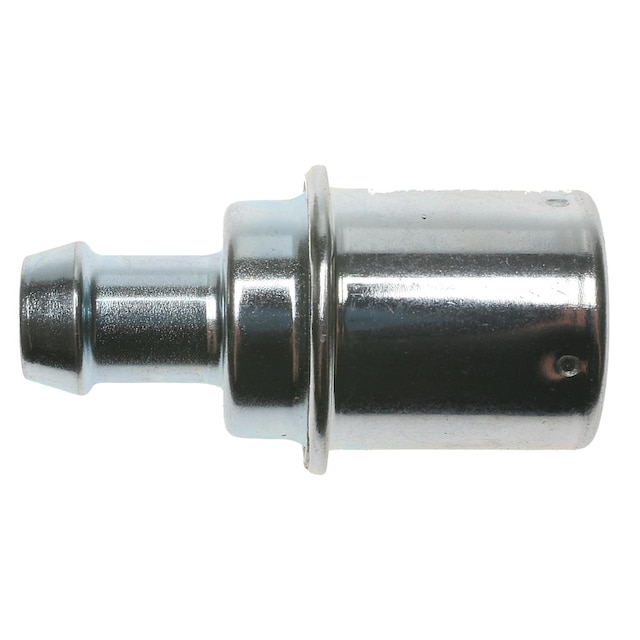
The material of a PCV valve can significantly impact its durability and performance. Traditional valves are often made from metal, which offers robustness and longevity. Metal PCV valves are ideal for environments where temperature and pressure can fluctuate, providing consistent performance over time. On the other hand, some PCV valves are made from high-grade plastics. These are typically lighter and can be more resistant to corrosion. Plastic valves might not have the same heat resistance as their metal counterparts, but they can offer better resilience against certain chemicals. When choosing a PCV valve, think about the conditions your engine regularly faces. Have you ever considered how the materials and design of your PCV valve might affect your car’s performance? Next time you’re up for maintenance, take a closer look. Understanding these differences can lead to smarter choices and a smoother ride.Maintaining Your Pcv Valve
Maintaining your PCV valve is essential for engine health and efficiency. A clean and functioning PCV valve prevents harmful gases from building up inside the engine. It also helps reduce emissions and improves fuel economy. Regular care extends the life of your vehicle’s engine and avoids costly repairs.
Cleaning Tips
Start by locating the PCV valve under the hood. Remove it carefully to avoid damage. Check for dirt, oil, and sludge buildup. Use a carburetor cleaner or a similar solvent to clean the valve. Soak it for a few minutes, then blow air through it to clear any debris. If the valve does not rattle when shaken, it might be clogged and need replacement. Always allow the valve to dry completely before reinstalling it.
Replacement Intervals
Replace the PCV valve according to your vehicle’s manual. Most cars need replacement every 20,000 to 50,000 miles. Driving conditions affect this interval—dusty or harsh environments require more frequent checks. Signs of a bad PCV valve include rough idling, increased oil consumption, and engine misfires. Regular inspection helps spot problems early and keeps your engine running smoothly.
Credit: parts.cadillac.com
Installation And Replacement
Installing or replacing a Positive Crankcase Ventilation (PCV) valve helps keep your engine clean. It controls harmful gases inside the engine, preventing damage and improving performance. This process is simple and can be done with basic tools. Follow clear steps to ensure proper installation or replacement.
Tools Needed
- Socket wrench set
- Screwdriver
- Pliers
- New PCV valve
- Gloves
- Rags for cleanup
Step-by-step Guide
- Locate the old PCV valve on the engine’s valve cover.
- Remove any hoses connected to the valve carefully.
- Use the socket wrench or pliers to pull out the old valve.
- Check the valve for dirt or damage before disposal.
- Insert the new PCV valve into the same spot.
- Reconnect all hoses securely to avoid leaks.
- Start the engine and listen for unusual sounds.
- Check for leaks around the valve area.
- Clean any spilled oil or dirt around the installation spot.
Benefits Of A Healthy Pcv Valve
Keeping your PCV (Positive Crankcase Ventilation) valve in good shape offers more than just smooth engine performance. It plays a crucial role in maintaining your vehicle’s overall health and efficiency. You might not notice it until something goes wrong, but a healthy PCV valve can save you time, money, and stress.
Improved Fuel Economy
A properly functioning PCV valve helps your engine burn fuel more efficiently. It prevents the buildup of excess pressure and harmful gases inside the engine, which means your vehicle uses fuel more effectively.
When your PCV valve is clogged or faulty, your engine may run richer than necessary, wasting fuel. Have you ever noticed your gas mileage dropping for no clear reason? Checking the PCV valve could be a simple fix.
Reduced Engine Wear
The PCV valve keeps harmful contaminants out of your engine oil by venting crankcase gases. This reduces sludge buildup and keeps engine components lubricated properly.
Think about how you feel when you breathe fresh air versus polluted air. Your engine feels the same way. A healthy PCV valve means fewer deposits on engine parts, extending their life and avoiding costly repairs.

Credit: www.curbsideclassic.com
Frequently Asked Questions
What Is The Main Function Of A Pcv Valve?
The PCV valve controls harmful gases in the engine crankcase. It reroutes these gases to the intake manifold. This prevents pollution and engine damage, improving efficiency and reducing emissions.
How Does A Positive Crankcase Ventilation Valve Work?
It opens and closes based on engine pressure. When open, it allows gases to flow from the crankcase. These gases then burn in the engine’s combustion chamber, reducing emissions and maintaining engine health.
Why Is A Pcv Valve Important For Engines?
The PCV valve prevents pressure buildup in the crankcase. It stops oil leaks and sludge formation. This enhances engine performance, reduces pollution, and extends engine life.
What Are Signs Of A Faulty Pcv Valve?
Symptoms include rough idling, increased oil consumption, and engine misfires. You may also notice oil leaks or smoke from the crankcase. Timely replacement prevents engine damage and maintains efficiency.
Conclusion
A positive crankcase ventilation valve helps keep engines clean. It stops harmful gases from escaping into the air. This valve also improves engine performance and fuel efficiency. Regular checks can prevent engine problems later. Understanding this small part can save you time and money.
Remember, a well-maintained valve means a healthier engine and cleaner environment. Simple care makes a big difference.



