

Have you ever wondered how doctors help patients breathe when their lungs struggle to do the job? One powerful method they use is called Airway Pressure Release Ventilation, or APRV.
This technique can make a big difference in how well someone recovers from serious lung problems. If you want to understand what APRV is and why it matters for breathing support, keep reading. By the end, you’ll see why this approach could be a game-changer for patients in critical care—and why it’s important for you to know about it.

Credit: www.icureach.com
Basics Of Airway Pressure Release Ventilation
Airway Pressure Release Ventilation (APRV) is a special way to help people breathe. It uses different pressure levels to keep lungs open and improve airflow. APRV is often used in intensive care units for patients with lung problems.
This ventilation mode focuses on keeping the lungs inflated longer while allowing short releases of pressure. This helps oxygen reach the blood better and reduces lung injury.
How Aprv Works
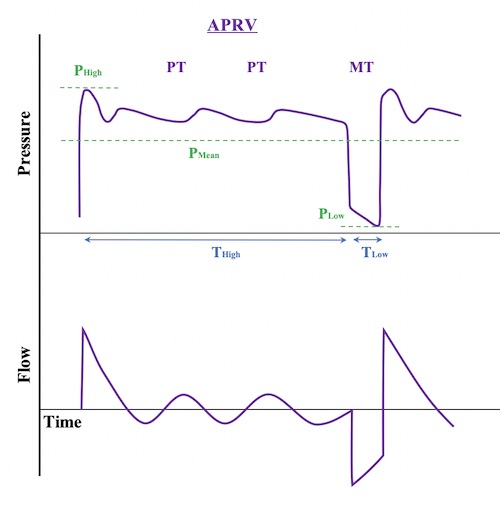
APRV keeps a high pressure in the lungs most of the time. This pressure helps keep the tiny air sacs open. After a set time, the pressure quickly drops to a lower level. This drop lets the lungs release air and carbon dioxide.
The cycle repeats many times per minute. The patient can breathe freely during the high-pressure phase. This helps maintain natural breathing effort and improves comfort.
Key Components Of Aprv
- High Pressure (Phigh):The main pressure level to keep lungs open.
- Low Pressure (Plow):The pressure during the release phase, usually near zero.
- Time High (Thigh):The duration the lung stays at high pressure.
- Time Low (Tlow):The short time when pressure drops to release air.
Differences From Conventional Ventilation
- APRV uses longer high-pressure times than traditional methods.
- It allows spontaneous breathing during the high-pressure phase.
- Conventional ventilation uses set breaths; APRV cycles pressure instead.
- APRV may reduce lung injury by avoiding repeated opening and closing.
Clinical Applications
Airway Pressure Release Ventilation (APRV) is a unique mode of mechanical ventilation. It helps improve oxygenation and lung function while allowing spontaneous breathing. APRV is often used in critical care settings. Understanding its clinical applications can guide healthcare providers in choosing the right patients and conditions for this therapy.
When To Use Aprv
APRV is useful for patients with severe lung problems who need better oxygen support. It works well when traditional ventilation methods fail to improve oxygen levels. APRV helps keep the lungs open and reduces lung injury. It is often used in intensive care units for patients who require long-term breathing support.
Patient Selection Criteria
- Patients with acute respiratory distress syndrome (ARDS)
- Individuals with poor oxygenation despite conventional ventilation
- Patients able to tolerate spontaneous breathing efforts
- Those without contraindications such as severe airway obstruction
- Patients requiring lung-protective ventilation strategies
Common Conditions Treated
- Acute respiratory distress syndrome (ARDS)
- Pneumonia causing severe lung inflammation
- Trauma-related lung injury
- Postoperative respiratory failure
- Hypoxemic respiratory failure from various causes
Setting Up Aprv
Setting up Airway Pressure Release Ventilation (APRV) requires careful attention to several parameters. These settings influence how well the patient’s lungs are supported and how effectively oxygen is delivered. Understanding each setting helps you tailor the ventilation to your patient’s unique needs.
Initial Parameter Settings
The first step is to establish the initial pressures and timing. Start by setting the high pressure (Phigh) close to the plateau pressure from conventional ventilation. This ensures the lungs get enough volume without overdistension.
Set the low pressure (Plow) usually at zero or a minimal positive pressure. This allows for release and expiration, helping with carbon dioxide removal. For time settings, the time at high pressure (Thigh) should be significantly longer than the time at low pressure (Tlow), often around 4 to 6 seconds for Thighand 0.5 to 0.8 seconds for Tlow.
Adjusting Pressure Levels
Adjusting pressure levels is key to optimizing oxygenation and ventilation. If oxygen levels remain low, consider increasing Phighcautiously. But be mindful—too high a pressure risks lung injury.
Lowering Plowcan enhance CO2clearance but might also reduce lung recruitment. The balance between Phighand Plowimpacts both gas exchange and lung protection. Ask yourself: Is the patient’s oxygen improving without causing discomfort or instability?
Timing And Release Settings
The timing of pressure releases influences ventilation efficiency. A longer Thighmaintains alveolar recruitment, improving oxygenation. However, if Thighis too long, CO2removal might suffer.
Shorter Tlowprevents alveolar collapse but must be long enough to allow adequate exhalation. Monitor your patient’s response closely and adjust these times to maintain a good balance. How often do you check if the release times align with your patient’s breathing pattern?
Credit: traumaicu.org
Benefits Of Aprv
Airway Pressure Release Ventilation (APRV) offers several benefits that make it effective for patients needing mechanical ventilation. This mode supports better breathing by improving oxygen levels and protecting the lungs. APRV also helps patients feel more comfortable during treatment.
Improved Oxygenation
APRV keeps the lungs open longer, allowing more air to enter the lungs. This helps oxygen move into the blood more efficiently. Better oxygen levels support overall body function and healing.
Reduced Lung Injury
This ventilation method lowers the risk of lung damage by using gentle pressure. It avoids the high pressures that can hurt delicate lung tissues. Patients experience less inflammation and fewer complications.
Enhanced Patient Comfort
APRV allows spontaneous breathing, making patients feel less restricted. It reduces the need for heavy sedation and muscle relaxants. This leads to easier recovery and a more natural breathing experience.
Potential Risks And Challenges
Airway Pressure Release Ventilation (APRV) is a valuable tool in critical care. It offers benefits but also presents challenges and risks. Understanding these can improve patient care and outcomes.
Possible Complications
APRV may lead to certain complications. Patients can experience barotrauma, which is lung injury from high air pressure. Ventilator-associated pneumonia is another risk. This infection occurs in patients on mechanical ventilation. APRV may also cause volutrauma. This is lung damage from large tidal volumes. Close monitoring is crucial to avoid these complications.
Monitoring And Safety Measures
Proper monitoring ensures patient safety during APRV. Regular checks of blood gases are essential. This helps maintain optimal oxygen levels. Observing lung function is vital too. It prevents overdistension and injury. Staff training is important. It ensures they respond quickly to any issues. Using alarms can alert staff to critical changes. This enhances patient safety.
Limitations Of Aprv
APRV is not suitable for all patients. It requires specific settings that may not fit everyone. Patients with certain lung conditions might not benefit. Those with severe airflow obstruction may face challenges. APRV can be complex for some healthcare teams. It demands thorough understanding and experience. This limits its use in some settings.

Credit: www.youtube.com
Recent Advances And Research
The field of Airway Pressure Release Ventilation (APRV) is evolving quickly, with new research shedding light on how to use this mode more effectively. Advances are helping clinicians tailor treatments to individual patient needs, which can improve outcomes. Understanding these developments can help you stay informed and make better decisions in respiratory care.
New Techniques In Aprv
Recent studies have introduced modifications to traditional APRV settings to enhance patient comfort and lung protection. One technique adjusts the release time dynamically based on real-time lung mechanics, which helps maintain optimal oxygenation without causing lung injury.
Another approach involves combining APRV with personalized sedation strategies, allowing patients to breathe more naturally while still receiving adequate support. Have you considered how these adjustments might reduce complications in your patients?
Clinical Trial Results
Several clinical trials have compared APRV to conventional ventilation methods, revealing promising results in reducing ventilator-associated lung injury and improving oxygenation. Some trials showed shorter ventilation times and lower mortality rates, especially in patients with acute respiratory distress syndrome (ARDS).
However, not all results are consistent, and researchers highlight the importance of patient selection and precise parameter settings. Are you curious about which patient groups benefit the most from APRV based on the latest evidence?
Future Directions
Looking ahead, researchers are exploring the integration of APRV with advanced monitoring technologies like electrical impedance tomography (EIT) to visualize lung recruitment in real time. This could allow clinicians to fine-tune ventilation more accurately and avoid overdistension.
There’s also growing interest in machine learning algorithms that could automatically adjust APRV settings based on continuous patient data. How might these innovations change your approach to mechanical ventilation in the next decade?
Frequently Asked Questions
What Is Airway Pressure Release Ventilation (aprv)?
APRV is a mechanical ventilation mode that maintains continuous airway pressure. It allows spontaneous breathing and improves oxygenation by releasing pressure periodically. APRV helps in lung recruitment and reduces ventilator-induced lung injury.
How Does Aprv Differ From Traditional Ventilation?
Unlike traditional modes, APRV uses two pressure levels. It keeps high pressure for longer to open lungs, then briefly lowers it. This method supports spontaneous breaths and enhances gas exchange more efficiently.
Who Benefits Most From Aprv Therapy?
APRV is ideal for patients with acute respiratory distress syndrome (ARDS). It improves oxygenation and lung compliance while minimizing lung damage. Patients who struggle with conventional ventilation may see better outcomes with APRV.
What Are The Key Advantages Of Aprv?
APRV improves oxygenation, allows spontaneous breathing, and reduces sedation needs. It helps prevent lung collapse and lowers risk of ventilator-induced lung injury. APRV also promotes better patient comfort and shorter ventilation duration.
Conclusion
Airway Pressure Release Ventilation helps improve breathing support. It uses pressure changes to move air in and out. This method can protect the lungs from damage. Doctors use it for patients with serious breathing problems. Understanding how it works can help patients and caregivers.
It offers a different way to assist breathing than usual methods. Always ask healthcare professionals for advice about this ventilation type. It plays a key role in critical care settings today.



