
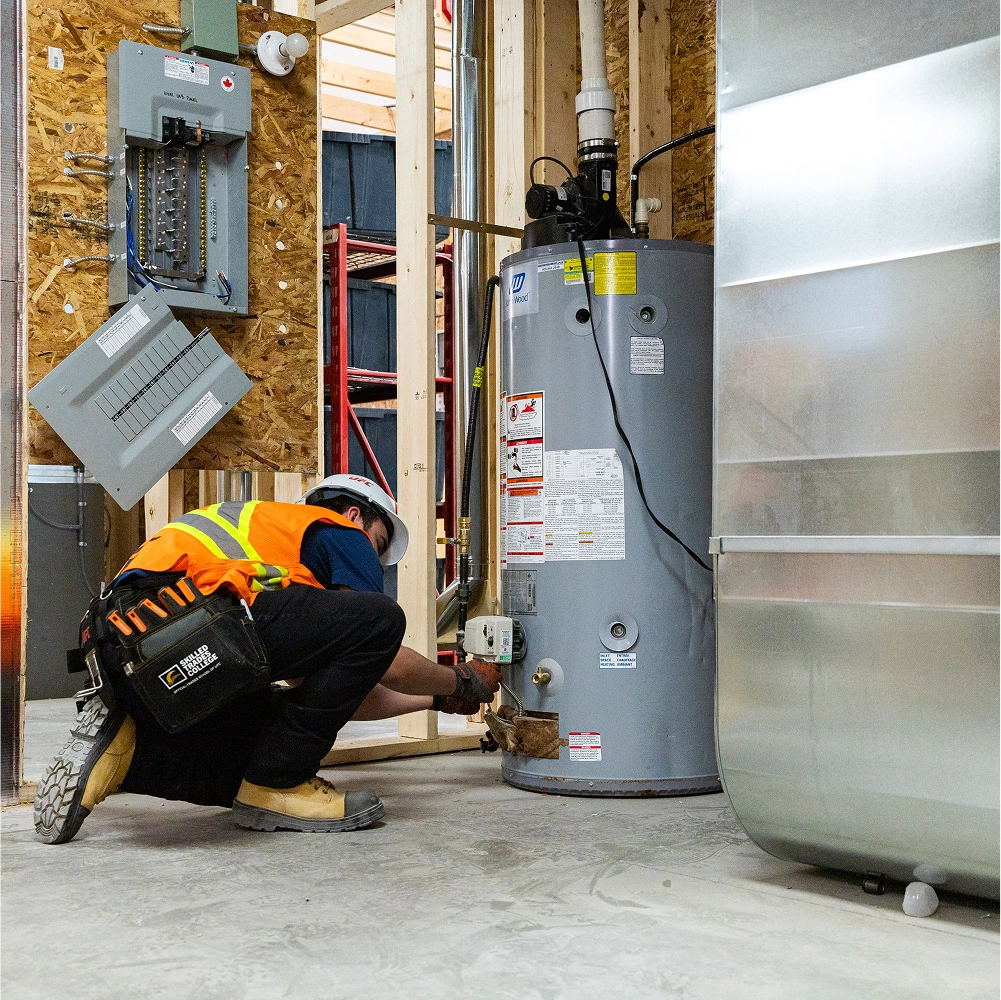
Have you ever wondered who makes sure your home stays comfortable all year round? That person is an HVAC technician.
Whether it’s the scorching heat of summer or the chilly cold of winter, HVAC technicians work behind the scenes to keep your heating, ventilation, and air conditioning systems running smoothly. But what exactly does an HVAC technician do, and why is their role so important for your daily comfort?
Keep reading to discover the answers and learn how these experts make your environment just right.

Credit: www.furnaceprices.ca
Role Of An Hvac Technician
An HVAC technician plays a vital role in keeping indoor environments comfortable. They install, maintain, and repair heating, ventilation, and air conditioning systems. Their work ensures systems run efficiently and safely, providing clean air and ideal temperatures. The role demands technical knowledge, problem-solving skills, and hands-on experience.
Daily Tasks And Responsibilities
- Inspect heating and cooling systems for issues
- Perform routine maintenance like cleaning filters and ducts
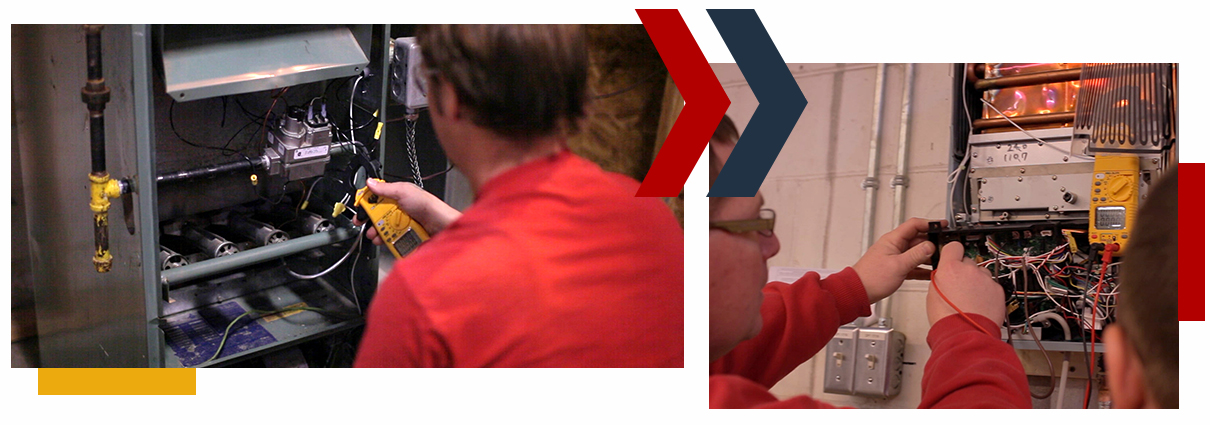
- Diagnose and fix mechanical or electrical faults
- Install new HVAC units and components
- Test system performance and make adjustments
- Provide customer advice on system use and upkeep
Skills And Tools Used
- Knowledge of electrical circuits and mechanical systems
- Ability to read blueprints and technical manuals
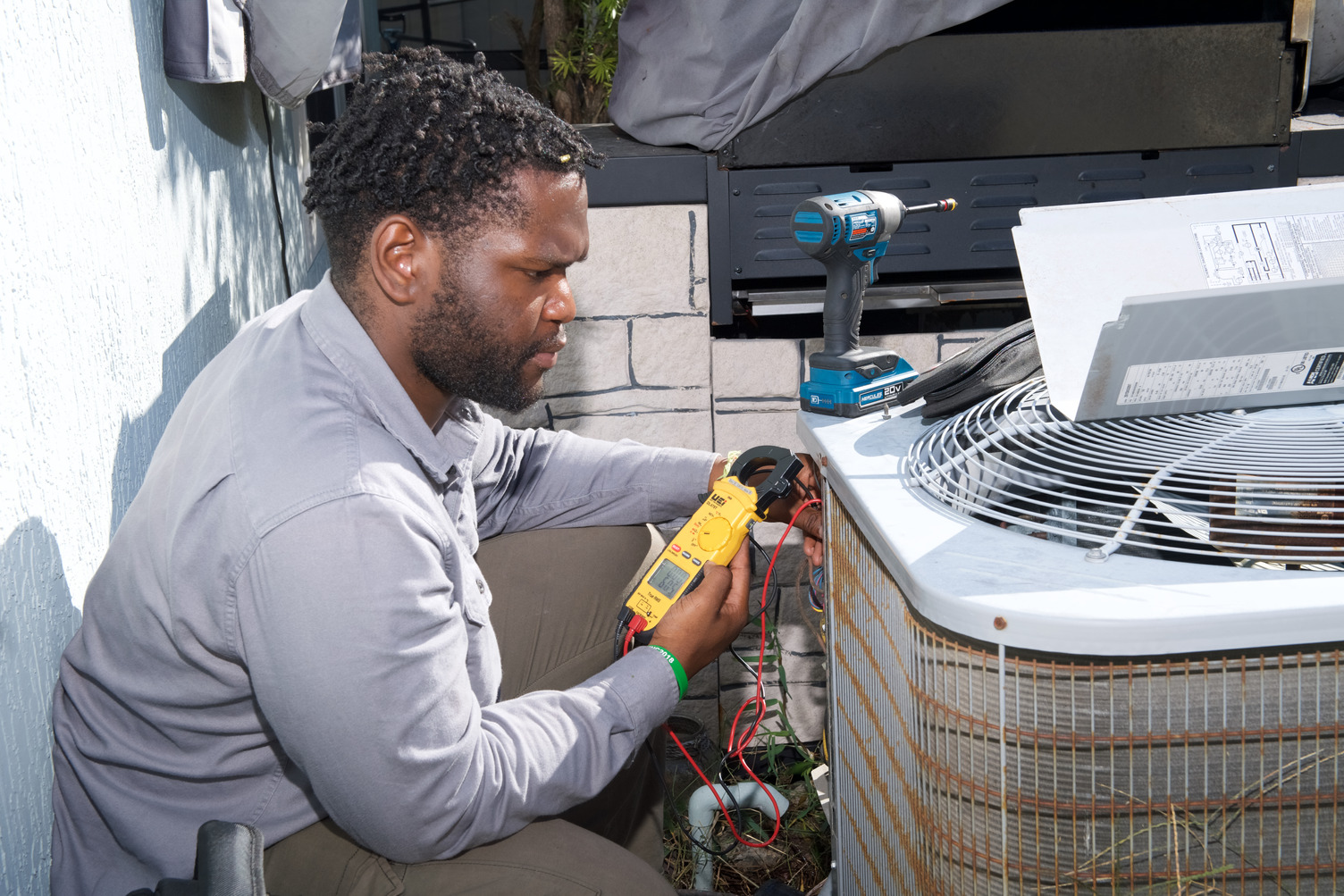
- Use of tools like multimeters, gauges, and refrigerant recovery machines
- Strong problem-solving and critical thinking skills
- Good communication for explaining repairs to clients
- Physical stamina and manual dexterity for hands-on work
Types Of Systems Serviced
- Residential HVAC systems in homes
- Commercial systems in offices and stores
- Industrial HVAC setups in factories and warehouses
- Heat pumps, furnaces, air conditioners, and ventilation units
- Refrigeration systems for food storage and transport
Credit: www.rsi.edu
Training And Certification
Training and certification form the foundation of a career as an HVAC technician. These steps ensure technicians have the skills and knowledge to install, maintain, and repair heating, ventilation, and air conditioning systems safely and efficiently. Proper training also helps technicians stay updated with industry standards and regulations.
Educational Pathways
Most HVAC technicians start with a high school diploma or equivalent. Many then enroll in technical schools or community colleges. These programs usually last six months to two years. They cover basics like electrical systems, refrigeration, and heating technology. Some programs offer hands-on training through labs and workshops. This education prepares students for entry-level positions in the field.
Important Certifications
Certifications prove a technician’s skills to employers and customers. The Environmental Protection Agency (EPA) Section 608 certification is essential. It allows technicians to handle refrigerants safely. Other certifications focus on specific brands or system types. Examples include:
- North American Technician Excellence (NATE)
- HVAC Excellence
- Refrigeration Service Engineers Society (RSES)
These certifications boost job prospects and demonstrate professionalism.
Apprenticeship And On-the-job Training
Hands-on experience is crucial for HVAC technicians. Apprenticeships combine paid work and classroom learning. They typically last 3 to 5 years. Apprentices work under experienced technicians to learn practical skills. On-the-job training helps technicians understand real-world challenges. This training builds confidence and expertise in the trade.
Work Environment
The work environment of an HVAC technician is diverse and often challenging. Understanding where and how these professionals operate can help you decide if this career fits your lifestyle and preferences. Let’s look closely at the typical settings, physical demands, and safety precautions involved in this field.
Typical Work Settings
HVAC technicians work in a variety of places including residential homes, commercial buildings, and industrial sites. You might find yourself indoors repairing a furnace or outside installing an air conditioning unit on a rooftop. The job rarely confines you to a single location, which keeps each day interesting.
Many HVAC techs also travel between multiple job sites daily. This means you need to be comfortable with a flexible schedule and some level of unpredictability. Have you considered how moving from place to place would fit your work style?
Physical Demands
Expect to spend a lot of time on your feet, bending, lifting, and sometimes crawling into tight spaces. Carrying heavy equipment and tools is a regular part of the job, which requires good physical strength and stamina. If you enjoy hands-on work and staying active, this can be rewarding.
Working in extreme temperatures is also common. You might fix a heater in freezing cold or install an AC unit on a hot summer day. Can you handle the physical strain that comes with these conditions?
Safety Considerations
Safety is a top priority when working with electrical systems, refrigerants, and heavy machinery. Wearing proper protective gear like gloves, safety glasses, and masks is essential. Many technicians follow strict guidelines to avoid accidents and health risks.
Understanding the risks and maintaining awareness on the job can prevent injuries. Are you ready to commit to these safety practices to protect yourself and others?
Credit: nats.ca
Career Opportunities
Choosing a career as an HVAC technician opens up a variety of paths you can take. Whether you want steady work or chances to grow, this field offers options that fit different goals. Understanding what’s available helps you decide where to focus your skills and energy.
Job Growth And Demand
The demand for HVAC technicians is strong and expected to rise. More homes and businesses need climate control systems installed and maintained. This steady need means job security and plenty of openings in many locations.
Have you noticed how every building seems to have heating or cooling systems? That’s why technicians are always in demand. The growth rate for these jobs often outpaces the average for other trades.
Specializations Within The Field
You don’t have to stick to just one type of HVAC work. Some technicians focus on residential systems, helping homeowners stay comfortable. Others specialize in commercial or industrial systems, which can be larger and more complex.
Additional specializations include:
- Refrigeration systems
- Energy management and efficiency
- System design and installation
- Maintenance and repair
Choosing a specialty can increase your expertise and make you more valuable. What area do you feel most excited to master?
Advancement Possibilities
Starting as an entry-level technician doesn’t limit your future. With experience, you can move into supervisory roles, training, or even sales and consulting. Some technicians choose to start their own HVAC business, gaining full control over their work.
Certification and additional training open doors to higher-paying positions. Have you considered how gaining specific licenses could boost your career? Taking small steps toward advancement can lead to big rewards over time.
Challenges Faced
Handling complex systems and diagnosing issues quickly can be tough for HVAC technicians. They often work in tight spaces and face extreme weather conditions. Constantly learning new technology also adds to their daily challenges.
Being an HVAC technician is a demanding yet rewarding career. It requires a unique set of skills and resilience to face various challenges on the job. From unpredictable work hours to intense problem-solving demands, HVAC technicians navigate a landscape that is as dynamic as it is challenging. Let’s explore some of these challenges in detail.Common Job Difficulties
One of the most common difficulties is diagnosing complex system issues. HVAC systems are intricate, with multiple components that must work in harmony. When one part fails, it can be like finding a needle in a haystack to identify the root cause. Technicians often work in uncomfortable conditions. Whether it’s scorching attics or freezing basements, the work environment can be less than ideal. This requires not only technical skills but also physical endurance.Seasonal Workload Variations
The workload for HVAC technicians can vary drastically with the seasons. During summer and winter, the demand for heating and cooling services skyrockets. You might find yourself working overtime, with packed schedules and little downtime. In contrast, the spring and fall can be slower, leading to potential income fluctuations. This ebb and flow can be challenging, especially for those who rely on steady work throughout the year.Handling Emergencies
Emergencies are an inevitable part of an HVAC technician’s life. Systems can fail at the most inconvenient times, requiring immediate attention. You might be called out in the middle of the night or during a family gathering. These situations demand quick thinking and problem-solving under pressure. It’s not just about fixing a problem; it’s about restoring comfort and safety to someone’s home. The ability to handle stress and act swiftly is crucial. Have you ever thought about how critical your role is in maintaining comfort in people’s lives? Each challenge faced as an HVAC technician is an opportunity to hone your skills and make a significant impact.Earning Potential
Understanding the earning potential of an HVAC technician can help you decide if this career path aligns with your financial goals. The income varies widely depending on various factors, but many find it rewarding both professionally and financially. Knowing what influences pay and what perks come with the job can guide your expectations and career planning.
Average Salaries
The average salary for an HVAC technician in the United States typically ranges from $40,000 to $70,000annually. Entry-level technicians often start near the lower end, while experienced professionals or those with specialized skills can earn significantly more. Some technicians working in high-demand areas or for large companies report salaries exceeding $80,000per year.
Factors Affecting Pay
Your location plays a big role in your salary. Urban areas or regions with extreme climates usually offer higher pay due to increased demand for HVAC services. Experience, certifications, and the type of employer—whether residential, commercial, or industrial—also impact your earnings.
Consider your skillset as well. Technicians who handle complex systems or green technologies often command better wages. Have you thought about how additional training or certifications could boost your paycheck?
Benefits And Perks
Beyond the base salary, many HVAC technicians receive valuable benefits. Health insurance, retirement plans, and paid time off are common perks. Some employers also offer bonuses for meeting performance goals or overtime pay during busy seasons.
Additionally, tools and equipment allowances, company vehicles, and opportunities for career advancement can add to the overall compensation package. These extras can make a significant difference in your quality of life and job satisfaction.
Frequently Asked Questions
What Does An Hvac Technician Do Daily?
An HVAC technician installs, maintains, and repairs heating, ventilation, and air conditioning systems. They ensure systems run efficiently and safely.
How Do I Become A Certified Hvac Technician?
To become certified, complete a technical training program and pass a certification exam. Hands-on experience is also crucial for success.
What Skills Are Essential For Hvac Technicians?
Key skills include mechanical aptitude, problem-solving, and customer service. Technicians must understand electrical systems and safety regulations.
How Much Does An Hvac Technician Earn?
HVAC technician salaries vary by location and experience. The average hourly wage ranges between $18 and $30 in the US.
Conclusion
An HVAC technician keeps your home comfortable all year. They install, fix, and maintain heating and cooling systems. Their work helps save energy and lower bills. Skilled technicians use tools and knowledge to solve problems fast. Choosing a trained technician ensures your system runs well.
Now, you understand what an HVAC technician does every day. Trust their work for a cozy and safe environment.



