
Imagine coming home on a hot day and stepping into a cool, comfortable room without lifting a finger. That’s the magic of a central air conditioning system.
But what exactly is it, and how does it work to keep your entire home refreshingly cool? If you’ve ever wondered how to make your living space more comfortable all year round, understanding this system is the first step. Keep reading, and you’ll discover everything you need to know about central air conditioning—how it operates, why it might be the perfect choice for your home, and how it can transform your daily comfort.
This knowledge could change the way you think about cooling your space forever.
How Central Air Conditioning Works
Understanding how a central air conditioning system works can help you appreciate the technology keeping your home cool and comfortable. It’s not just about blowing cold air; it’s a carefully coordinated process involving several key parts working together. Let’s break down what happens behind the scenes when you switch on your AC.
Basic Components
A central air conditioning system has a few main parts that you should know about:
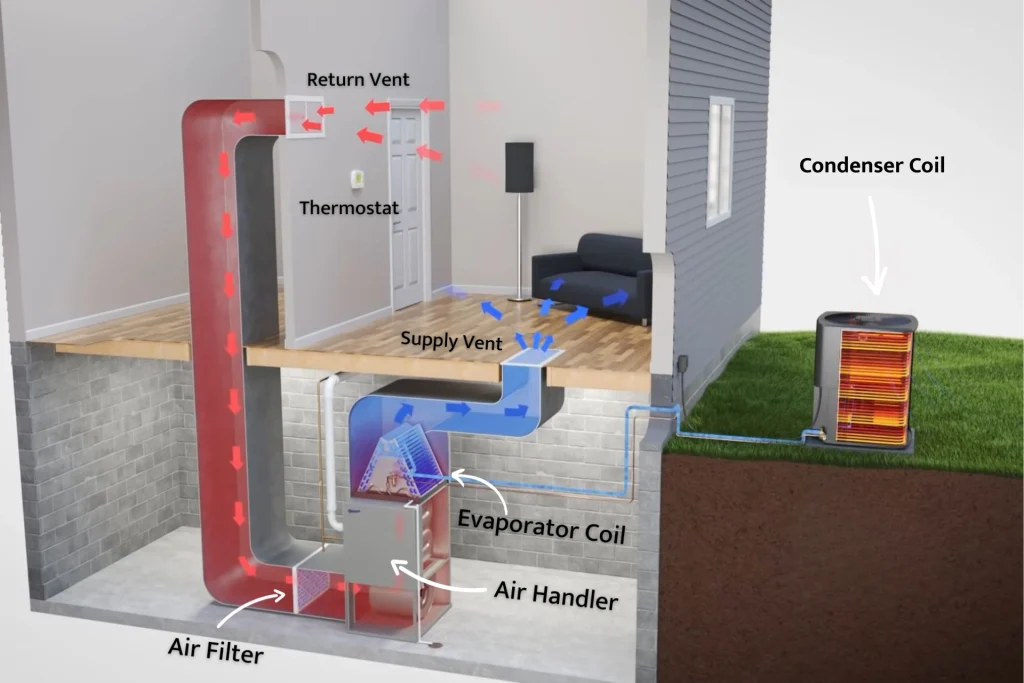
- Evaporator Coil:Located inside your home, this cool coil absorbs heat from the indoor air.
- Compressor:Often outside, it compresses refrigerant gas, increasing its pressure and temperature.
- Condenser Coil:Also outside, this coil releases the heat absorbed from your home to the outside air.
- Expansion Valve:Controls the flow of refrigerant into the evaporator coil, reducing its pressure and temperature.
- Ductwork:Channels cooled air from the evaporator throughout your home.
Each component plays a vital role, but they only work effectively when combined in a proper cycle.
Cooling Cycle Explained
The cooling cycle starts with warm air inside your home being pulled through return ducts and passing over the evaporator coil. The refrigerant inside the coil absorbs this heat, cooling the air before it gets pushed back into your rooms.
Next, the refrigerant, now warm and gaseous, travels to the compressor outside. The compressor squeezes this gas, raising its temperature and pressure, preparing it to release heat.
After compression, the hot refrigerant moves to the condenser coil. Here, it releases the heat it absorbed from your home to the outside air, turning back into a liquid.
The liquid refrigerant then passes through the expansion valve, which lowers its pressure and temperature, turning it into a cool, low-pressure liquid ready to absorb heat again. This cycle repeats continuously while your AC is on.
Have you ever felt how quickly a room cools down after turning on your AC? Now you know the complex dance behind that comfort.
Credit: www.carrier.com
Types Of Central Air Systems
Central air conditioning systems come in different types. Each type has unique features and suits specific needs. Understanding these types helps choose the right system for any home or building.
Split Systems
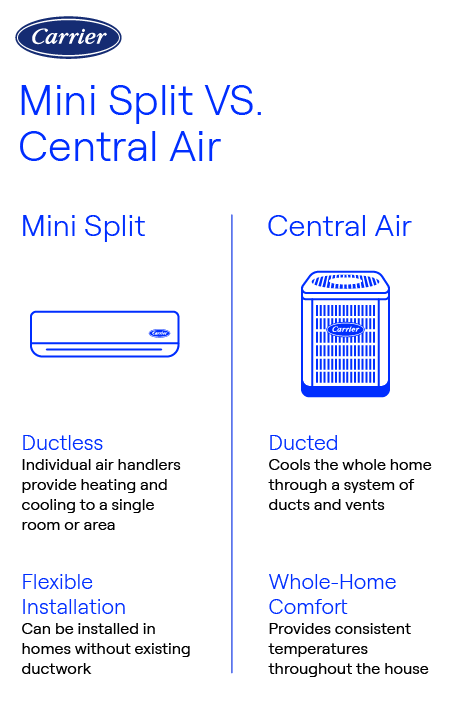
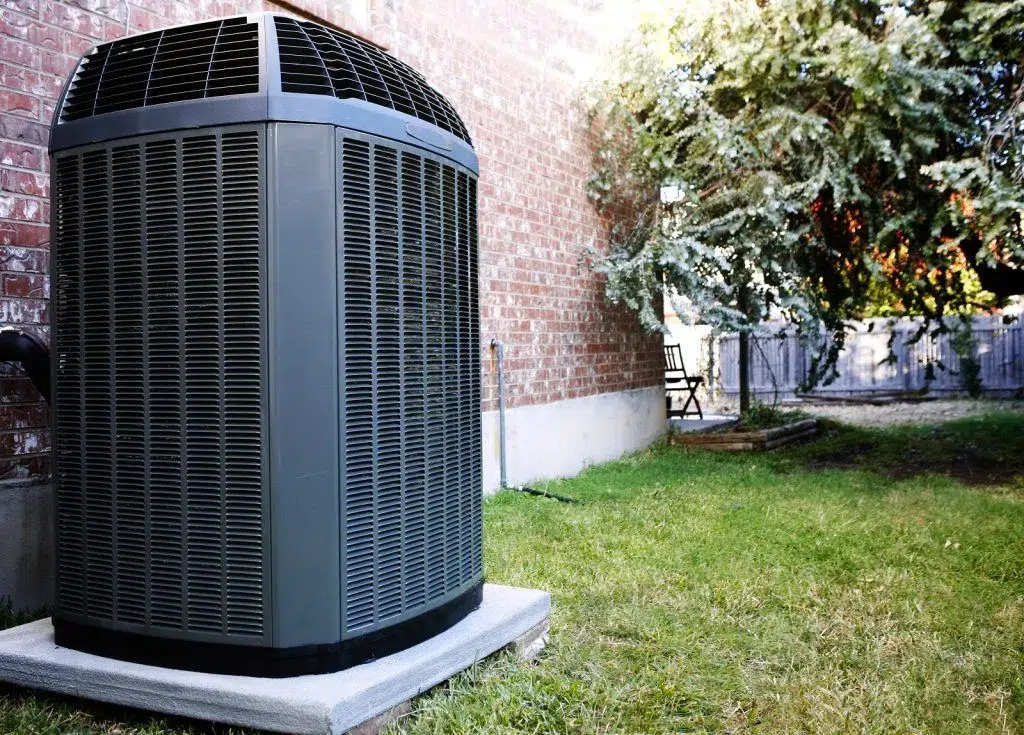
Split systems are the most common central air conditioners. They have two main parts: an outdoor unit and an indoor unit. The outdoor unit contains the compressor and condenser. The indoor unit has the evaporator coil and air handler.
This system cools air inside and sends it through ducts. It is quiet and energy-efficient. Split systems work well in homes with existing ductwork.
Packaged Units
Packaged units combine all cooling parts in one outdoor box. This box contains the compressor, condenser, and evaporator. Air is cooled and pushed into the building through ducts.
Packaged units save indoor space since nothing is inside. They are easy to install and maintain. These units are good for buildings without indoor room for equipment.
Benefits Of Central Air Conditioning
Central air conditioning offers many benefits for homes and offices. It cools large spaces efficiently and keeps indoor air comfortable. This system provides a better cooling experience than window units or portable air conditioners. Understanding its benefits helps in choosing the right cooling option.
Energy Efficiency
Central air conditioning uses less energy than multiple window units. It cools the entire house with one system, reducing power use. Many modern systems have energy-saving features that lower electricity bills. Efficient cooling means less waste and a smaller carbon footprint.
Improved Air Quality
These systems filter indoor air to remove dust, pollen, and allergens. They help reduce breathing problems and allergies. Central air conditioning also controls humidity, preventing mold growth. Cleaner air makes the home healthier and more comfortable.
Consistent Cooling
Central air conditioning keeps the temperature steady throughout the house. It avoids hot and cold spots found in other cooling methods. The system circulates air evenly in every room. This creates a pleasant environment all day long.
Credit: www.allamericanpha.com
Installation Process
Installing a central air conditioning system is more than just placing a unit outside your home. It requires careful planning and precise execution to ensure your space cools efficiently and comfortably. Let’s walk through the key steps involved in the installation process.
Assessing Home Requirements
Before any equipment arrives, you need to understand your home’s cooling needs. This involves measuring your home’s size, checking insulation quality, and noting window placements. These details help determine the right system capacity to avoid overspending or underperformance.
Have you ever felt uneven temperatures in different rooms? That might mean your home’s layout needs special attention during this assessment.
Ductwork And Placement
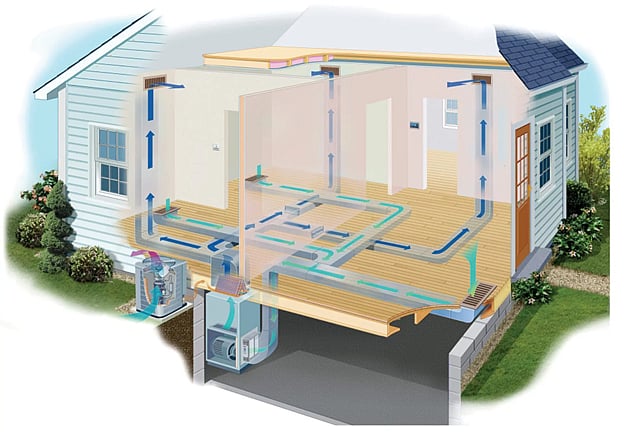
Ducts carry cool air from the central unit to every room, so their design and placement are crucial. Existing ductwork might need repairs or adjustments to fit the new system. If your home lacks ducts, adding them requires planning to minimize disruptions to your walls and ceilings.
Think about the air vents’ locations too—poor placement can lead to hot spots or drafts, defeating the purpose of your new AC system.
Professional Setup
Central air installation is a job for trained technicians. They handle the heavy lifting, connect refrigerant lines, and ensure electrical safety. A professional setup guarantees your system runs smoothly from day one, preventing costly repairs later.
Would you risk damaging your home or voiding warranties by trying this yourself? Hiring experts saves time, money, and stress.
Maintenance Tips
Proper maintenance keeps a central air conditioning system running smoothly. It improves efficiency and extends the system’s life. Neglecting basic care can lead to costly repairs and poor air quality. Follow these simple tips to maintain your AC unit effectively.
Filter Replacement
Changing the air filter regularly is crucial. Dirty filters block airflow and reduce cooling power. Replace filters every 1 to 3 months, depending on usage. Use filters recommended by the manufacturer for best results.
System Cleaning
Cleaning the system removes dust and debris that harm performance. Clear leaves, dirt, and grass from outside units. Wipe down indoor components gently to avoid damage. Clean coils and fins to improve heat exchange.
Regular Inspections
Schedule professional inspections at least once a year. Technicians check refrigerant levels, electrical connections, and overall system health. Early detection of issues prevents breakdowns and keeps energy use low. Monitor your system monthly for unusual sounds or leaks.
Credit: resident.com
Common Issues And Fixes
Central air conditioning systems can face common problems that affect comfort and efficiency. Knowing these issues helps in quick fixes and better maintenance. This section covers typical problems and simple solutions for them.
Uneven Cooling
Uneven cooling happens when some rooms feel hot while others stay cool. It often occurs due to blocked vents or dirty air filters. Check vents for furniture or objects blocking airflow. Clean or replace air filters regularly to improve air distribution.
Another cause is improper ductwork. Leaks or poor insulation in ducts reduce airflow to certain areas. Seal duct leaks with tape or mastic sealant. Ensure ducts are insulated well, especially in unconditioned spaces like attics.
Strange Noises
Unusual sounds from your AC system signal potential problems. Rattling noises may come from loose parts or debris in the unit. Tighten screws and remove any objects near the fan or blower.
Squealing or grinding sounds often indicate motor or belt issues. Check belts for wear and replace if needed. Lubricate motor bearings to reduce friction and noise.
High Energy Bills
Rising energy bills can result from an inefficient air conditioner. Dirty coils reduce cooling efficiency, causing the system to work harder. Clean condenser coils regularly to maintain performance.
Old or poorly maintained units use more electricity. Schedule routine inspections to keep your system in good shape. Upgrade to energy-efficient models if the current unit is outdated.
Choosing The Right System
Choosing a central air conditioning system ensures efficient cooling for your home. It provides consistent temperature control and improved air quality. Suitable for larger spaces, it integrates seamlessly with your home’s ventilation, offering comfort throughout the year.
Choosing the right central air conditioning system is vital. It impacts comfort and energy bills. The right choice ensures efficient cooling and long-term savings. Here’s how you can make an informed decision.Sizing Your Unit
The size of your unit matters a lot. A unit too small struggles to cool the home. A unit too large wastes energy and increases costs. Measure the space you need to cool. Use a BTU calculator for accurate sizing. Consult an expert if unsure.Energy Ratings
Check energy ratings before buying. High ratings mean better efficiency. They save money on energy bills. Look for the Energy Star label. It indicates superior energy performance. Better ratings also mean less environmental impact.Budget Considerations
Budget plays a key role in your choice. Set a realistic budget first. Consider initial cost and long-term savings. A cheaper unit might cost more in maintenance. Factor in installation and energy costs. Choose a system that offers the best value for your money.Frequently Asked Questions
What Is A Central Air Conditioning System?
A central air conditioning system cools an entire building using one unit. It circulates cool air through ducts. This system provides uniform temperature control and improved indoor air quality. It is efficient for large spaces compared to individual window units.
How Does Central Air Conditioning Work?
Central air conditioning works by removing heat from inside and releasing it outside. It uses a compressor, condenser, and evaporator coil. Cool air is then distributed through ducts to rooms. This cycle keeps indoor spaces comfortable during hot weather.
What Are The Benefits Of Central Air Conditioning?
Central air conditioning offers consistent cooling throughout the home. It improves air quality by filtering dust and allergens. It operates quietly and saves space compared to multiple window units. Additionally, it increases property value and enhances energy efficiency.
How Often Should Central Ac Be Serviced?
Central AC should be serviced at least once a year. Regular maintenance ensures optimal performance and extends equipment lifespan. Cleaning filters and checking refrigerant levels prevent breakdowns. Seasonal inspections help maintain energy efficiency and indoor air quality.
Conclusion
Central air conditioning keeps your whole home cool and comfortable. It uses one system to cool many rooms at once. This makes it easy to control the temperature everywhere. It also helps improve air quality by filtering dust and allergens.
While it can cost more upfront, it often saves energy and money over time. Understanding how it works helps you choose the right system. A well-maintained central AC can last many years. Simple, efficient, and effective—central air conditioning suits many homes well.



