
Have you ever wondered if the space you spend most of your time in is truly safe and healthy? Knowing what is considered a well ventilated area can make a big difference in your comfort and well-being.
Good ventilation helps keep the air fresh, reduces harmful pollutants, and even boosts your energy. You’ll discover simple signs of a well ventilated area and why it matters for your health. Keep reading to learn how you can improve your environment and breathe easier every day.
Credit: x.com
Importance Of Ventilation
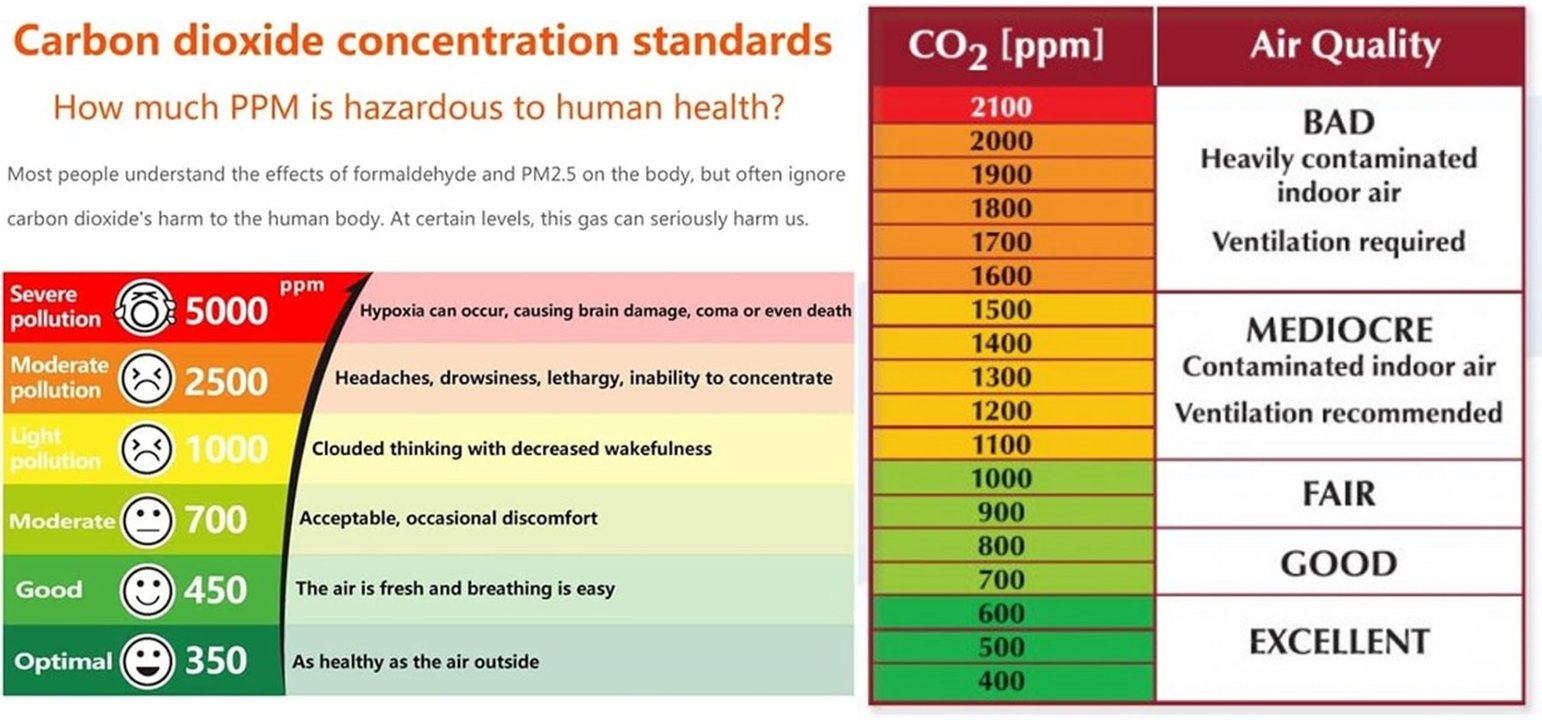
Ventilation plays a crucial role in creating spaces where you feel healthy, comfortable, and energized. Without proper airflow, indoor environments can quickly become stagnant, leading to a buildup of pollutants and moisture. Understanding why ventilation matters can help you make better choices about your living or working spaces.
Health Benefits
Proper ventilation reduces the concentration of indoor pollutants like dust, allergens, and harmful gases. This can lower the risk of respiratory issues such as asthma or allergies. Have you noticed how stuffy rooms make it harder to breathe? Good airflow helps your body get the oxygen it needs and keeps airborne germs at bay.
Comfort And Air Quality
Ventilation helps control humidity levels, preventing dampness and mold growth. It also balances indoor temperatures, making your space feel fresher and more inviting. Think about the last time you opened a window after a long day indoors—didn’t that fresh air instantly improve your mood?
Energy Efficiency
When your space is well ventilated, heating and cooling systems don’t have to work as hard. This can lead to noticeable savings on your energy bills. Proper airflow reduces the need for constant temperature adjustments, which benefits both your wallet and the environment.

Credit: www.knaufnorthamerica.com
Airflow And Circulation
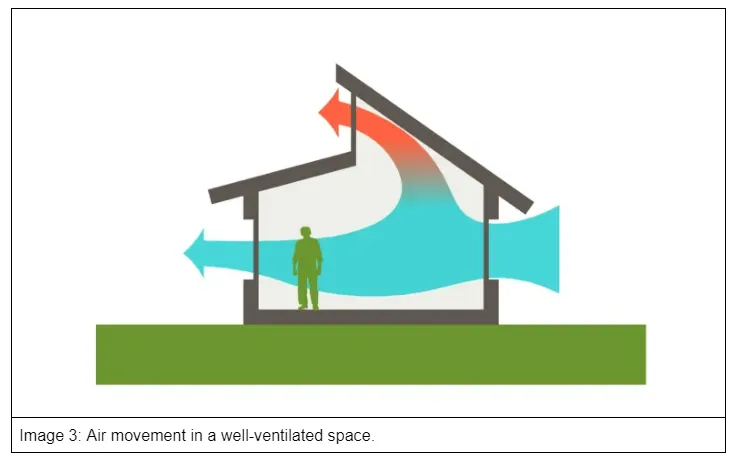
Airflow and circulation are key for a well ventilated area. They help fresh air move in and stale air move out. Proper airflow reduces moisture and removes bad odors. Good circulation keeps the air fresh and healthy to breathe.
Natural Ventilation
Natural ventilation uses windows, doors, and vents to let air flow. It depends on wind and temperature differences outside and inside. Open windows and vents create paths for air to enter and leave. This method costs no energy and works well in mild climates.
Mechanical Ventilation
Mechanical ventilation uses fans and systems to move air. It helps in places with little natural airflow. Exhaust fans pull bad air out, while supply fans bring fresh air in. This method controls air quality and works anytime, regardless of weather.
Cross Ventilation
Cross ventilation happens when air moves between openings on opposite sides. It creates a strong airflow that cools and refreshes the space quickly. Open windows or vents on two sides of a room allow air to flow straight through. This method works best with a clear path for air.
Ventilation Standards And Guidelines
Ventilation standards and guidelines define what makes an area well ventilated. These rules help maintain fresh air flow, reduce pollution, and keep spaces safe and comfortable. They come from different sources, including building codes, safety regulations, and air quality recommendations. Understanding these helps ensure proper ventilation in homes, offices, and public places.
Building Codes
Building codes set minimum requirements for ventilation in new and existing structures. They specify how much fresh air must enter a room. Codes often require windows, vents, or mechanical systems to supply clean air. These rules vary by location but always aim to prevent stale air and moisture buildup.
Common elements in building codes include:
- Minimum air changes per hour (ACH)
- Ventilation rates based on room size
- Requirements for exhaust fans in kitchens and bathrooms
Occupational Safety Standards
Workplaces follow safety standards to protect employees from harmful air pollutants. These standards set limits on dust, fumes, and gases in the air. Proper ventilation helps keep these levels low. Employers must provide ventilation systems that meet these limits to ensure worker health.
Key points in occupational standards include:
- Airflow rates for different industries
- Use of exhaust hoods and filtration
- Regular monitoring of air quality
Indoor Air Quality Recommendations
Indoor air quality guidelines promote healthy air inside buildings. They suggest ways to reduce allergens, mold, and pollutants. These recommendations support natural or mechanical ventilation methods. Clean air improves comfort, health, and productivity.
Typical recommendations are:
- Maintaining humidity between 30% and 50%
- Using air purifiers and proper filters
- Ensuring continuous fresh air supply
Factors Affecting Ventilation Quality
Understanding what contributes to a well-ventilated area can significantly improve your indoor air quality and overall well-being. Several factors play a critical role in determining the quality of ventilation in your space. Let’s explore some of these key factors that can help you create a healthier, more comfortable environment.
Room Size And Layout
The size and layout of a room significantly impact its ventilation. Larger rooms naturally allow for more air circulation, but even smaller spaces can be well-ventilated if designed intelligently. Consider how air moves in your room—are there obstacles that disrupt airflow? Rearranging furniture or removing clutter can enhance air movement, making your space feel fresher.
Window And Door Placement
The positioning of windows and doors is crucial for effective ventilation. Ideally, windows should be placed opposite each other to allow for cross-ventilation, which facilitates a steady flow of fresh air. Even a single strategically placed window can make a big difference if it captures prevailing winds. Don’t underestimate the power of a well-placed door to contribute to natural ventilation.
Ventilation System Design
A well-designed ventilation system can be a game-changer for your indoor air quality. Whether it’s a simple exhaust fan or a complex HVAC system, the design should suit your specific needs. Consider energy-efficient models that not only improve air quality but also reduce energy consumption. Have you recently checked your ventilation system for efficiency? Regular maintenance can ensure it performs optimally, providing you with cleaner air and a healthier living space.
By focusing on these factors, you can effectively improve the ventilation quality in your home or workplace. Take a moment to assess your current setup. What changes can you make today to breathe easier tomorrow?
Signs Of Poor Ventilation
Poor ventilation in a space can cause many problems. It affects air quality and comfort. Recognizing signs of poor ventilation helps prevent health issues and damage to your home. These signs often appear as physical changes or discomfort. Paying attention to them ensures a safer and fresher environment.
Condensation And Mold
Excess moisture collects on windows and walls. This condensation can lead to mold growth. Mold appears as black, green, or white patches. It often grows in corners, ceilings, and behind furniture. Mold damages surfaces and harms air quality. Persistent dampness is a strong sign of poor airflow.
Odors And Stale Air
Stale air feels heavy and unpleasant. Rooms may smell musty or damp. Cooking smells linger longer than usual. Smoke or pet odors become stronger indoors. These odors signal that fresh air is not circulating. Poor ventilation traps these smells inside your home.
Health Symptoms
People may experience headaches and dizziness. Dry or itchy eyes are common. Coughing and throat irritation occur more often. Allergies and asthma symptoms can worsen. Fatigue and difficulty concentrating may appear. These health issues often result from bad indoor air quality.
Credit: www.organo.co.in
Improving Ventilation In Spaces
Improving ventilation in any space enhances air quality and comfort. Good airflow reduces moisture, odors, and harmful particles. Simple changes can make a big difference in how fresh and safe a room feels.
Using Fans And Exhaust Systems
Fans help move air inside rooms. They create circulation, which lowers stuffiness. Exhaust systems remove stale air outside. They are common in kitchens and bathrooms. Using these devices keeps air clean and fresh.
Adding Vents And Openings
Vents allow air to enter and exit a space naturally. Adding vents on opposite walls creates cross-ventilation. Open windows and doors also improve airflow. These openings let fresh air replace old air continuously.
Maintaining Ventilation Equipment
Clean fans and exhausts regularly for best results. Dust and dirt block airflow and reduce efficiency. Check vents to ensure nothing is clogged or broken. Proper maintenance keeps ventilation systems working well.
Frequently Asked Questions
What Defines A Well Ventilated Area?
A well ventilated area allows fresh air to circulate freely. It reduces indoor pollutants, moisture, and odors. Natural airflow or mechanical systems like fans ensure consistent air exchange, improving air quality and comfort.
Why Is Good Ventilation Important Indoors?
Good ventilation prevents mold growth, removes harmful gases, and controls humidity. It improves respiratory health and reduces allergens. Proper airflow also enhances comfort and reduces the risk of airborne diseases.
How Can I Improve Ventilation At Home?
Open windows and doors regularly to increase fresh air flow. Use exhaust fans in kitchens and bathrooms. Consider installing air vents or mechanical ventilation systems for continuous air exchange.
What Areas Are Typically Well Ventilated?
Outdoor spaces, rooms with multiple windows, and areas with exhaust fans are well ventilated. Kitchens, bathrooms, and basements need extra ventilation to prevent moisture buildup and maintain air quality.
Conclusion
A well ventilated area means fresh air moves freely. It keeps rooms cool and reduces moisture. Good airflow helps stop bad smells and germs. Open windows or vents often create such spaces. Small fans can also improve air movement. Clean air supports better health and comfort.
Remember, clear air means a safer, happier place. Choose spots with enough space for air to flow. This simple step makes a big difference daily.



