
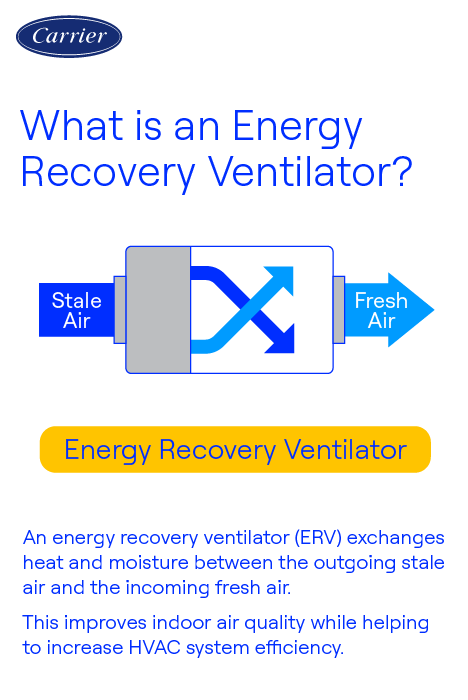
Are you curious about how to keep the air in your home fresh without wasting energy? An Energy Recovery Ventilator (ERV) might be the solution you’ve been looking for.
It’s a smart device that helps bring in fresh outdoor air while saving your heating and cooling costs. If you want to understand how an ERV works and why it could make a big difference for your comfort and energy bills, keep reading.
This simple guide will show you exactly what an Energy Recovery Ventilator is and how it benefits your home.
Energy Recovery Ventilator Basics
An Energy Recovery Ventilator (ERV) improves indoor air quality while saving energy. It exchanges stale indoor air with fresh outdoor air. At the same time, it transfers heat and moisture between the air streams. This process reduces energy costs and keeps your home comfortable all year.
Understanding the basics of an ERV helps in knowing how it benefits your living space. The device works quietly and efficiently, making it a smart choice for modern homes.
How Ervs Work
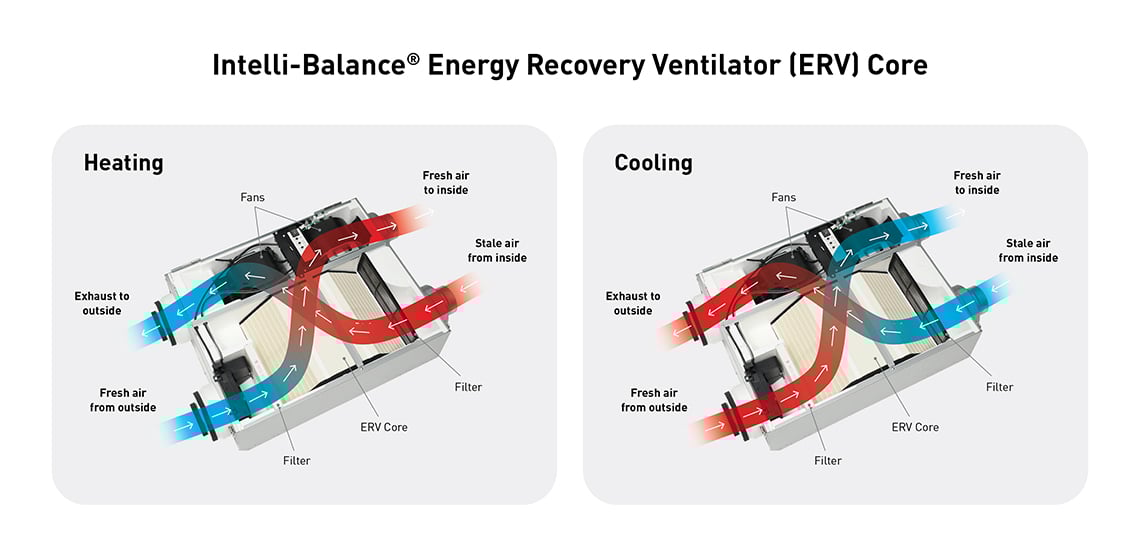
An ERV moves air in and out of your home continuously. It draws fresh air from outside and pushes stale air out. Inside the core of the ERV, heat and moisture transfer between these air streams. This means warm air inside gives heat to the cold incoming air during winter. In summer, the cool indoor air cools down the hot incoming air. Moisture is also balanced to keep humidity levels steady.
Key Components
- Heat Exchange Core:The heart of the ERV where heat and moisture transfer happens.
- Fans:Move fresh air inside and stale air outside.
- Filters:Clean incoming air by removing dust and pollutants.
- Dampers:Control airflow and prevent backdrafts.
- Controls:Allow users to adjust settings and monitor performance.
Credit: iaq.na.panasonic.com
Types Of Energy Recovery Ventilators
Energy Recovery Ventilators (ERVs) come in different types, each designed to improve indoor air quality while saving energy in unique ways. Understanding these types helps you pick the right system for your home or office. Let’s look at the two main types that dominate the market and what makes each one stand out.
Heat Recovery Ventilators
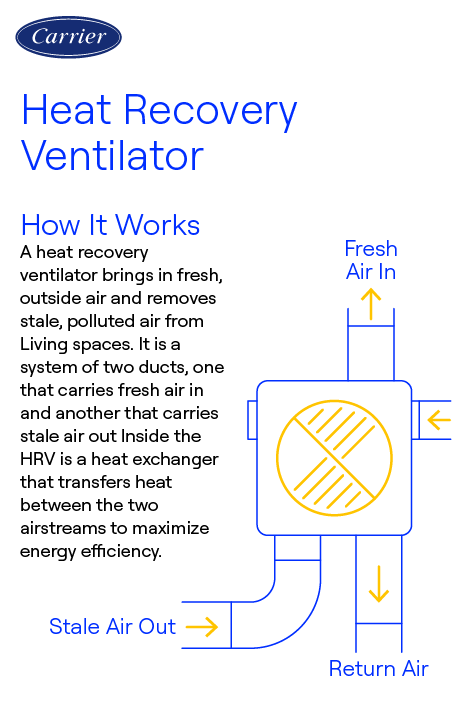
Heat Recovery Ventilators (HRVs) focus on exchanging heat between incoming and outgoing air. They transfer warmth from stale indoor air to fresh cold air entering your space during winter, and reverse this process in summer to keep your home comfortable.
HRVs don’t transfer moisture, which means they work best in climates where humidity levels are moderate. If you live in an area with high humidity, you might notice the air feels a bit dry after running an HRV for a while.
Enthalpy Recovery Ventilators
Enthalpy Recovery Ventilators (ERVs) take things a step further by transferring both heat and moisture. This means they help keep humidity levels balanced, making them ideal for humid or very dry climates.
Using an ERV can prevent your space from becoming overly dry in winter or too damp in summer. Ever felt uncomfortable because the air inside your home felt stale or sticky? An ERV can significantly improve that experience by managing moisture along with temperature.
Benefits For Indoor Air Quality
An Energy Recovery Ventilator (ERV) improves indoor air quality by exchanging stale indoor air with fresh outdoor air. It captures energy from outgoing air and transfers it to incoming air, balancing temperature and humidity levels. This process helps maintain a healthier living environment, reducing pollutants and odors.
Fresh Air Circulation
ERVs bring fresh air into your home without wasting energy. They continuously replace indoor air with clean outdoor air. This circulation removes indoor pollutants such as dust, smoke, and pet dander. It creates a constant flow of fresh air that keeps your space comfortable and healthy.
Moisture Control
ERVs regulate moisture in your home by transferring humidity between incoming and outgoing air. This helps prevent excess dampness and dry air. Proper moisture control reduces mold growth and protects wood and furniture. It also improves comfort by maintaining balanced humidity levels all year round.
Credit: www.carrier.com
Energy Efficiency Advantages
Energy Recovery Ventilators (ERVs) offer significant energy efficiency advantages. They help improve indoor air quality without wasting energy. By transferring heat and moisture, ERVs reduce the need for extra heating or cooling. This saves energy and lowers utility bills. Their design supports a comfortable home environment while using less power.
Reducing Heating And Cooling Costs
ERVs recover heat from outgoing air and transfer it to incoming air. This process reduces the energy needed to heat or cool fresh air. In winter, warm air inside warms the cold incoming air. In summer, cool air inside cools the warm incoming air. This balance lowers the demand on HVAC systems. Homeowners see lower heating and cooling bills as a result.
Minimizing Energy Waste
Without an ERV, warm or cool air escapes outside during ventilation. This loss forces HVAC systems to work harder. ERVs prevent this by capturing energy from the exhaust air. They recycle this energy back into the home’s ventilation. This reduces wasted energy and increases overall efficiency. The result is a more sustainable and cost-effective ventilation system.
Environmental Impact
Energy Recovery Ventilators reduce waste by recycling heat and moisture from stale indoor air. This process lowers energy use and helps protect the environment. They improve air quality while cutting down on pollution and energy costs.
The integration of an Energy Recovery Ventilator (ERV) into your home does more than just enhance indoor air quality. It plays a significant role in reducing environmental impact. By efficiently exchanging heat and moisture between incoming and outgoing air, ERVs help minimize energy consumption, which can significantly affect our planet’s health.Lower Carbon Footprint
Installing an ERV can substantially lower your home’s carbon footprint. This is because ERVs reduce the need for additional heating or cooling, which in turn decreases energy usage. Imagine cutting down your reliance on traditional HVAC systems and contributing less to greenhouse gas emissions—it’s an impactful change you can make from the comfort of your living room. These systems can be particularly beneficial in regions with extreme weather. They ensure your home remains comfortable year-round without the energy-intensive demands of conventional systems. Lower energy consumption means fewer fossil fuels burned, making ERVs a practical step toward a greener planet.Sustainable Home Design
Incorporating an ERV into your home design can elevate your sustainability efforts. It’s a smart move for anyone looking to build or renovate with an eye on the environment. Consider the long-term benefits: reduced utility bills and a healthier home environment. Think of an ERV as an investment in your home’s future. It aligns with sustainable building practices by promoting energy efficiency and reducing waste. Are you planning to build a new home or upgrade your current one? An ERV might be the eco-friendly addition you need to meet modern sustainability standards. Moreover, integrating ERVs can enhance your home’s market value by appealing to eco-conscious buyers. As more people prioritize sustainability, having an ERV can set your property apart. So, why not embrace this green technology and contribute to a more sustainable future?Installation And Maintenance Tips
Installing and maintaining your Energy Recovery Ventilator (ERV) correctly is key to ensuring it works efficiently and lasts longer. Proper setup helps maximize energy savings and indoor air quality. Meanwhile, regular upkeep prevents costly repairs and keeps your system running smoothly.
Choosing The Right Erv
Think about the size of your home and the local climate before selecting an ERV. A unit that’s too small won’t ventilate properly, while one that’s too large wastes energy. Look for models with adjustable settings to match your home’s specific needs.
Consider ease of installation as well. Some ERVs come with straightforward instructions and flexible ducting options, saving you time and effort. Have you checked if your chosen model fits your existing HVAC system or if you’ll need extra modifications?
Routine Maintenance Tasks
Keep your ERV filters clean by checking them every 3 months and replacing them as needed. Dirty filters reduce airflow and efficiency. You can often clean washable filters with warm water and mild soap—just make sure they’re fully dry before reinstalling.
Don’t forget to inspect and clean the core of the ERV at least once a year. Dust and debris buildup here can block heat exchange and lower performance. Use a soft brush or vacuum to gently remove buildup, but avoid harsh chemicals that could damage the core.
- Check the condensate drain to prevent water buildup and mold growth.
- Listen for unusual noises that might signal mechanical issues.
- Test the system’s airflow periodically to ensure balanced ventilation.
Have you noticed a drop in indoor air quality or higher energy bills? These could be signs that your ERV needs attention. Regular maintenance keeps your system efficient and your home comfortable year-round.
Common Applications
Energy Recovery Ventilators (ERVs) are versatile devices that improve indoor air quality and energy efficiency. Their design suits a variety of settings, helping to control humidity and bring in fresh air without wasting energy. Understanding where ERVs fit best can help you decide if installing one makes sense for your space.
Residential Use
In homes, ERVs help keep the air fresh while lowering heating and cooling costs. If you live in a tightly sealed house, you might notice stale air or excess moisture. An ERV solves this by exchanging indoor air with outdoor air, transferring heat and moisture to maintain comfort.
People with allergies or respiratory issues often see improvements after installing an ERV. It reduces pollutants and controls humidity, making your home healthier. Have you ever wondered why some rooms feel stuffy despite the windows being closed? An ERV could be the answer.
Commercial Buildings
In offices and commercial spaces, ERVs play a crucial role in maintaining a healthy work environment. These buildings typically use mechanical ventilation systems, and ERVs help cut down on energy costs by recovering heat or coolness from exhausted air.
Restaurants, gyms, and schools benefit greatly from ERVs because they manage odors and moisture effectively. This leads to better indoor air quality and a more comfortable experience for customers and employees. Could your workplace improve its air quality without hiking energy bills?
Comparing Ervs To Other Ventilation Systems
Energy Recovery Ventilators (ERVs) exchange stale indoor air with fresh outdoor air while saving energy. Unlike other systems, ERVs recover heat and moisture, making homes more comfortable and efficient. This helps reduce heating and cooling costs compared to traditional ventilation methods.
Comparing ERVs to other ventilation systems is crucial for making informed decisions about indoor air quality and energy efficiency. Understanding how an Energy Recovery Ventilator (ERV) stacks up against other options helps homeowners and businesses alike to choose systems that meet their specific needs. Let’s dive into how ERVs compare to other popular ventilation systems.Erv Vs Hrv
An ERV and a Heat Recovery Ventilator (HRV) are both designed to improve indoor air quality. However, their operational focus differs slightly. ERVs not only transfer heat but also manage humidity levels. This makes them ideal for areas with varying seasonal climates, helping to maintain comfortable humidity indoors. HRVs, on the other hand, are more focused on heat exchange. They are best suited for colder climates where humidity control is less of a concern. Which one aligns better with your home’s needs?Erv Vs Traditional Ventilation
Traditional ventilation systems simply exhaust stale indoor air and bring in fresh outdoor air without energy recovery. This can lead to increased energy costs as heating or cooling systems work harder to maintain the desired indoor temperature. ERVs, in contrast, recover energy from outgoing air to precondition incoming air. This significantly reduces the load on HVAC systems, enhancing energy efficiency and reducing costs. Have you considered how energy-efficient your current ventilation system is? An ERV might be the upgrade you need to balance comfort and savings. Choosing the right ventilation system can impact both your comfort and energy bills. So, what’s the next step for you in improving your home’s air quality?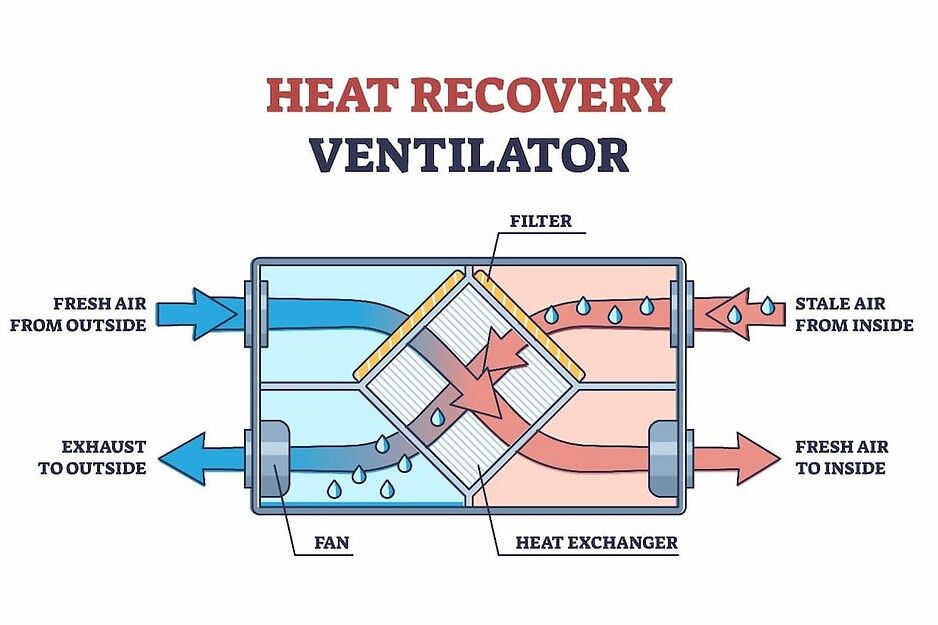
Credit: bossplumbingltd.com
Frequently Asked Questions
What Is An Energy Recovery Ventilator?
An Energy Recovery Ventilator (ERV) is a ventilation system that exchanges indoor stale air with fresh outdoor air. It recovers heat and moisture to improve indoor air quality while saving energy. ERVs help maintain comfortable humidity and reduce heating and cooling costs.
How Does An Energy Recovery Ventilator Work?
An ERV transfers heat and moisture between incoming and outgoing air streams. It captures energy from exhaust air to pre-condition fresh air. This process reduces energy consumption and maintains balanced ventilation, improving indoor comfort and air quality efficiently.
What Are The Benefits Of Using An Erv?
ERVs enhance indoor air quality by providing continuous fresh air. They save energy by recovering heat and moisture, reducing HVAC loads. ERVs also control humidity levels, prevent mold growth, and create a healthier, more comfortable indoor environment.
Where Should An Energy Recovery Ventilator Be Installed?
ERVs are best installed in homes or buildings with sealed, energy-efficient construction. Common locations include basements, utility rooms, or mechanical closets. Proper installation ensures optimal airflow, energy savings, and improved indoor air quality throughout the space.
Conclusion
An Energy Recovery Ventilator helps bring fresh air inside your home. It saves energy by recycling heat or coolness from outgoing air. This keeps your house comfortable and healthy. It also reduces energy bills by using less power. Installing one can improve indoor air quality easily.
A simple way to balance air and energy use. Think of it as fresh air with less waste. Consider adding an Energy Recovery Ventilator for better home air flow.



