
Have you ever wondered how your home can stay fresh and comfortable without losing heat or wasting energy? That’s where an HRV ventilation system comes in.
It’s a smart way to keep the air inside your home clean and healthy while saving on your energy bills. If you want to learn how this system works and why it might be the perfect upgrade for your living space, keep reading.
Understanding HRV could change the way you think about indoor air quality and comfort forever.
Basics Of Hrv Systems
Understanding the basics of HRV (Heat Recovery Ventilation) systems can change the way you think about fresh air in your home or office. These systems don’t just bring in outdoor air—they do it smartly, ensuring you get fresh air without losing energy. If you’ve ever wondered how to keep your indoor air quality high while managing energy bills, learning about HRV systems is a good place to start.
How Hrv Works
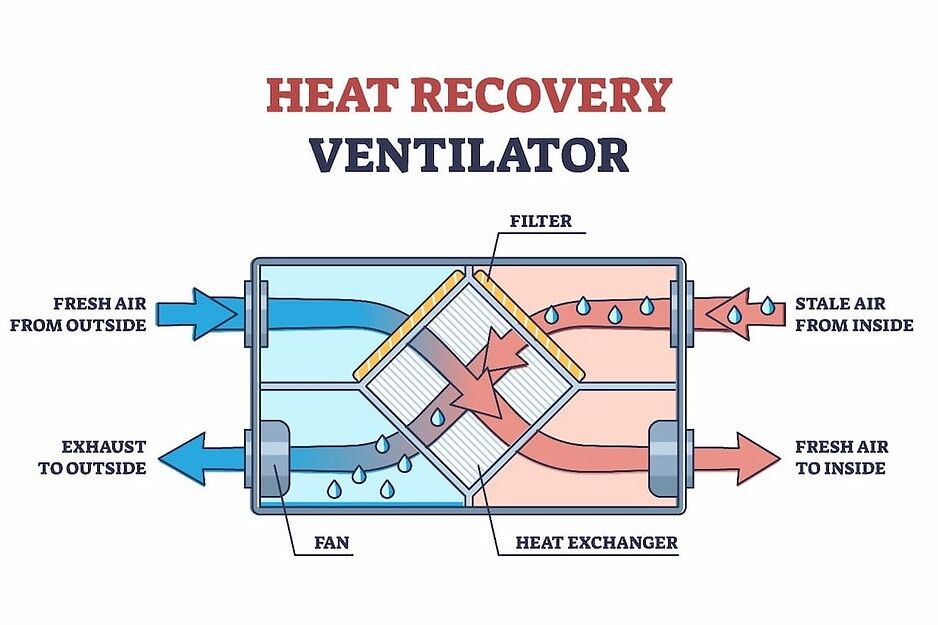
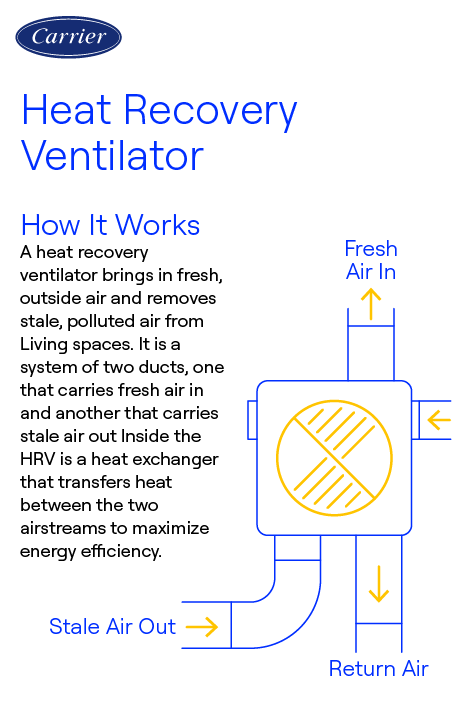
HRV systems pull stale, warm air from inside your space and push it outside. At the same time, they bring fresh, cooler air in from outside. The clever part is the heat exchanger inside the system, which transfers heat from the outgoing air to the incoming air without mixing the two air streams.
This heat transfer helps keep your home warm in winter and cool in summer, reducing the load on your heating and cooling systems. You get fresh air without the shock of cold drafts or heat loss. Have you noticed how some ventilated rooms still feel chilly? HRVs solve that problem efficiently.
Components Of Hrv
- Heat Exchanger:The core part where heat is transferred between outgoing and incoming air.
- Fans:One fan expels stale air, and another brings in fresh air.
- Filters:Clean the incoming air, removing dust and allergens.
- Ductwork:Channels that carry air to and from different parts of your building.
- Controls:Allow you to adjust airflow and monitor system performance.
Each component plays a vital role. For example, without proper filters, the system might bring in dust instead of clean air.
Difference Between Hrv And Erv
Both HRV and ERV (Energy Recovery Ventilation) systems exchange heat, but they differ in moisture handling. HRVs transfer heat only, while ERVs transfer both heat and humidity.
This means ERVs are better in humid climates, as they control moisture levels inside your space. On the other hand, HRVs are often preferred in cold, dry climates because they focus on heat recovery without adding humidity.
Which system suits your environment better depends on your local weather and indoor air needs. Have you thought about whether moisture control is important in your area?
Credit: www.carrier.com
Benefits Of Hrv Ventilation
Understanding the benefits of an HRV (Heat Recovery Ventilation) system can change how you think about indoor air and energy use. These systems do more than just bring fresh air inside—they improve your home’s overall environment in smart, efficient ways. Let’s look at what makes HRV ventilation a valuable addition to your living space.
Improved Indoor Air Quality
HRV systems continuously replace stale indoor air with fresh outdoor air. This reduces pollutants, allergens, and odors that often build up inside your home. If you’ve ever noticed a musty smell or felt congestion indoors, an HRV can help clear the air and make breathing easier.
By filtering incoming air, these systems also block dust and pollen. This is especially helpful if you or your family members suffer from allergies or asthma. How often do you consider the quality of the air you’re breathing at home?
Energy Efficiency
HRV systems recover heat from outgoing air to warm incoming air during cold months. This means your heating system doesn’t have to work as hard, saving you money on energy bills. In warmer seasons, some systems can also help with cooling efficiency.
Imagine cutting your heating costs without sacrificing fresh air. That’s the practical advantage of energy recovery in ventilation. Wouldn’t you want a system that pays for itself over time?
Moisture Control
Excess moisture in your home can cause mold, mildew, and damage to walls or furniture. HRV systems help balance humidity by exchanging damp indoor air with drier outside air. This keeps your home dry and prevents the problems that come with excess moisture.
Have you ever noticed condensation on windows or a musty smell after cooking or showering? Managing moisture with HRV can reduce these issues without needing a separate dehumidifier.
Health Advantages
Better air quality and moisture control lead to fewer respiratory problems and allergies. HRV systems support a healthier living environment by reducing indoor pollutants and maintaining comfortable humidity levels. This means fewer headaches, less fatigue, and better sleep for you and your family.
Think about how much time you spend indoors. Isn’t it worth investing in air that supports your well-being every day?
Choosing The Right Hrv System
Choosing the right HRV (Heat Recovery Ventilation) system is crucial for maintaining fresh air while saving energy in your home. A system that fits your space and lifestyle can improve indoor air quality and reduce heating costs. Let’s break down what you need to consider before making your choice.
Sizing And Capacity
Picking an HRV system that matches your home’s size is essential. Too small, and it won’t ventilate effectively; too large, and it wastes energy. Calculate your home’s volume and air exchange needs to find the right capacity.
Think about the number of rooms and occupants. A system designed for a small apartment won’t work well in a large family home. Have you checked the airflow rating of the unit? It should correspond with your living space for balanced ventilation.
Installation Considerations
Installing an HRV system can be straightforward or complex depending on your home’s layout. You might need professional help if ductwork installation is required. Consider the placement of the unit—ideally in a basement, attic, or utility room where it’s out of sight but accessible.
Think about noise levels and ease of maintenance. Would you prefer a system that allows you to change filters easily? Planning installation during renovation or construction can save time and money.
Cost Factors
The initial price of an HRV system is just one part of the total cost. Installation fees, maintenance, and energy savings all affect your budget. Sometimes spending more upfront can lead to bigger savings on your energy bills.
Look for units with energy-efficient certifications to ensure long-term value. Have you compared warranties and service plans? They can protect your investment and reduce future expenses.
Maintenance And Operation Tips
HRV ventilation systems bring fresh air inside while removing stale air. Regular filter cleaning and checking fan operation keep it working well. Proper maintenance improves air quality and system efficiency.
Maintaining your HRV (Heat Recovery Ventilation) system is crucial to ensure it operates efficiently and provides clean, healthy air in your home. Regular upkeep can extend the lifespan of your system and keep it functioning at its best. Here are some essential maintenance and operation tips to keep your HRV system in top shape.Filter Replacement
Replacing filters regularly is vital for your HRV system’s performance. Dirty filters can reduce airflow and diminish air quality. Check your filters every three months and replace them if they appear clogged or worn. Consider keeping spare filters on hand so you can replace them promptly. It’s a simple task that you can do yourself without needing professional help. This not only saves you money but also ensures continuous clean air circulation.Cleaning Procedures
Cleaning your HRV system is essential to maintain its efficiency. Dust and debris can accumulate over time, impacting performance. Begin by turning off the system and unplugging it for safety. Use a vacuum with a brush attachment to remove dust from the grilles and fans. Ensure the intake and exhaust vents are clear of obstructions and clean them with a damp cloth if necessary. Check the core of the HRV for any dust buildup. Gently clean it following the manufacturer’s instructions to avoid damage. Regular cleaning not only improves air quality but also helps the system run smoothly.Optimizing Performance
For optimal performance, consider the placement of your HRV system. Ensure there is adequate space around it for air to circulate freely. Keep an eye on humidity levels in your home. HRV systems can help regulate humidity, but extreme levels might require additional solutions. A hygrometer can help you monitor indoor humidity effectively. Regularly inspect the system for unusual noises or changes in performance. Catching issues early can prevent costly repairs later. By taking these steps, you ensure your HRV system functions efficiently and continues to provide a healthy living environment.Common Issues And Troubleshooting
Even the most efficient HRV (Heat Recovery Ventilation) systems can face issues over time. Knowing how to spot and fix common problems can save you from discomfort and costly repairs. Let’s look at some typical issues you might encounter and practical ways to troubleshoot them.
Noise Problems
Is your HRV system suddenly louder than usual? Noise often indicates a problem with the fan or debris caught in the system. Dirt buildup on the fan blades or loose parts can cause rattling or humming sounds.
Try cleaning the fan blades and checking for loose screws. If the noise persists, the motor bearings might be worn out and need replacement. Have you noticed noises only during certain times of the day? This could hint at an airflow obstruction causing the fan to strain.
Reduced Airflow
Low airflow means your HRV system isn’t moving air efficiently, which defeats its purpose. Blocked filters or clogged vents are common causes. These parts are easy to overlook but essential for smooth operation.
Regularly inspect and replace filters every 3 to 6 months. Also, check if any furniture or objects are blocking air intakes or exhausts. If airflow remains weak, the ductwork might have leaks or damage reducing air movement.
System Imbalance
HRV systems balance incoming and outgoing air to maintain indoor air quality. When this balance is off, you might feel stuffy rooms or notice condensation issues. It’s a subtle problem that often goes unnoticed until discomfort arises.
Check if both intake and exhaust fans are running properly. Adjusting the fan speeds can help restore balance, but this might require professional calibration. Ask yourself: does the air feel stale despite the system running? That’s a sign your HRV needs attention.
Credit: blizzard.co.nz
Comparing Hrv With Other Ventilation Options
Understanding how an HRV (Heat Recovery Ventilation) system stacks up against other ventilation methods can help you make smarter choices for your home’s air quality and energy use. Each ventilation type offers unique benefits and challenges, especially when it comes to efficiency, comfort, and cost. Let’s break down how HRV compares with natural ventilation, mechanical ventilation, and the option of integrating with heat pumps.
Natural Ventilation
Natural ventilation relies on windows, doors, and vents to let fresh air in and push stale air out. It’s simple and cost-effective but depends heavily on outdoor weather and air quality. If you live in a polluted or noisy area, natural ventilation might bring in unwanted elements alongside fresh air.
HRV systems, on the other hand, control airflow more precisely. They exchange stale indoor air with fresh outdoor air while recovering heat, which natural ventilation cannot do. Would you prefer relying on unpredictable weather or a system that keeps your indoor climate stable year-round?
Mechanical Ventilation
Mechanical ventilation uses fans to circulate air in and out of your home. Unlike natural ventilation, it offers more control and consistency regardless of outdoor conditions. However, without heat recovery, it can increase heating and cooling costs since warm or cool air is expelled without saving its energy.
HRV systems add a layer of efficiency by capturing heat from outgoing air and transferring it to incoming fresh air. This feature reduces energy bills while maintaining good air quality. Have you noticed your energy bills spike during extreme weather? A mechanical system with heat recovery might be the solution.
Heat Pump Integration
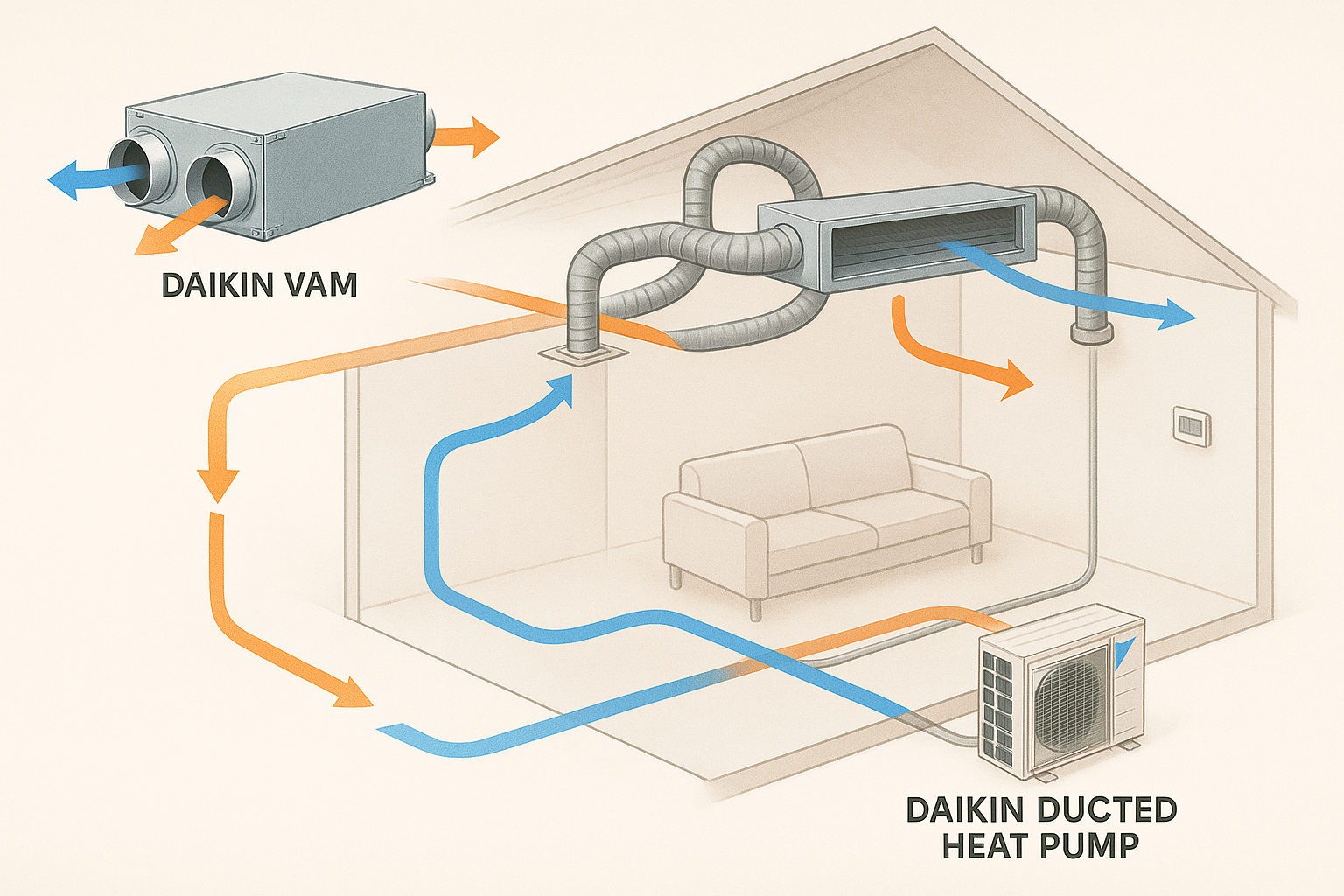
Integrating HRV with a heat pump creates a smart system that balances ventilation and temperature control efficiently. Heat pumps move heat rather than generate it, making them energy-efficient for heating and cooling. When paired with HRV, the system maximizes energy savings by recovering heat and managing airflow.
This combination can lead to noticeable comfort improvements, especially in colder climates where managing heat loss is crucial. Are you looking for a way to lower your carbon footprint while keeping your home cozy? Heat pump and HRV integration could be what you need.

Credit: en.wikipedia.org
Frequently Asked Questions
What Is An Hrv Ventilation System?
An HRV ventilation system exchanges stale indoor air with fresh outdoor air. It recovers heat from outgoing air to warm incoming air. This improves indoor air quality and energy efficiency in homes and buildings.
How Does Hrv Ventilation Save Energy?
HRV systems capture heat from exhaust air and transfer it to incoming air. This process reduces heating and cooling costs. It minimizes energy loss while ensuring fresh air circulation indoors.
What Are The Benefits Of Hrv Systems?
HRV systems enhance indoor air quality by reducing pollutants and humidity. They provide consistent ventilation without wasting energy. This leads to healthier, more comfortable living environments.
Can Hrv Systems Reduce Mold And Moisture?
Yes, HRV ventilation controls indoor humidity by exchanging moist air. It helps prevent mold growth and structural damage. Proper ventilation maintains balanced moisture levels inside buildings.
Conclusion
HRV ventilation systems help keep your home fresh and healthy. They bring in clean air while removing stale air. This process saves energy by using heat from outgoing air. You breathe better and reduce moisture problems. Installing an HRV system can improve comfort in any season.
It is a smart choice for good indoor air quality. Consider how this system fits your home and lifestyle. Clean air matters for your family’s health and well-being. Simple, effective, and energy-saving—HRV systems make sense.



