
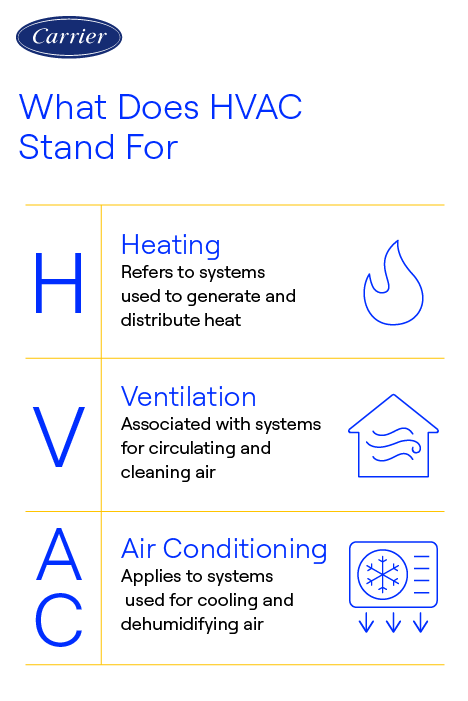
Have you ever wondered what HVAC stands for and why it matters to your home or workplace? Understanding HVAC is key to keeping your space comfortable all year round, whether it’s scorching hot outside or freezing cold.
This simple acronym holds the secret to controlling the air you breathe, saving energy, and even lowering your bills. Keep reading, and you’ll discover exactly what HVAC means and how it impacts your daily life in ways you might not expect.
Hvac Basics
Understanding HVAC basics is essential for anyone looking to improve comfort in their home or workplace. HVAC stands for Heating, Ventilation, and Air Conditioning, which are the core systems responsible for controlling indoor climate. Knowing how these systems work can help you make better decisions about maintenance, repairs, or upgrades.
Meaning Of Hvac
HVAC stands for Heating, Ventilation, and Air Conditioning. These three functions work together to regulate temperature, air quality, and humidity inside buildings. Heating warms the space during cold weather, ventilation ensures fresh air circulation, and air conditioning cools the area during hot weather.
Think about the last time you adjusted your thermostat. You were interacting with your HVAC system without even realizing it. This simple control impacts your comfort and energy use every day.
Core Components
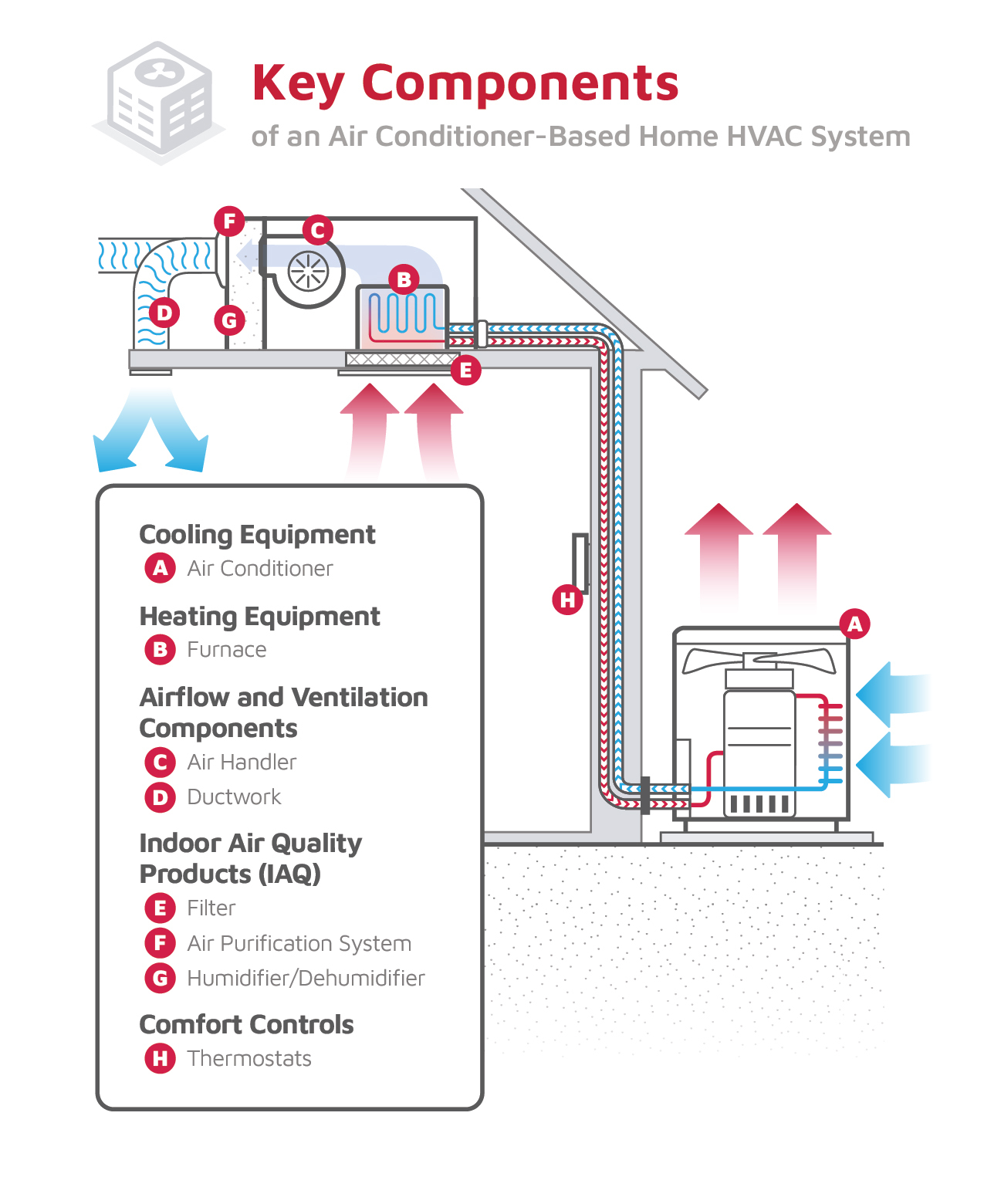
The HVAC system consists of several key parts that work together to maintain your indoor environment. These include:
- Furnace or Heat Pump:Provides warmth by heating air or transferring heat from outside.
- Air Conditioner:Removes heat from inside and cools the air.
- Ventilation System:Moves air in and out to maintain air quality and control moisture.
- Thermostat:The control center that lets you set your desired temperature.
- Ductwork:Channels that distribute heated or cooled air throughout the building.
Have you ever noticed how a clogged air filter affects your system’s performance? Keeping these components clean and well-maintained is crucial for efficiency and comfort.
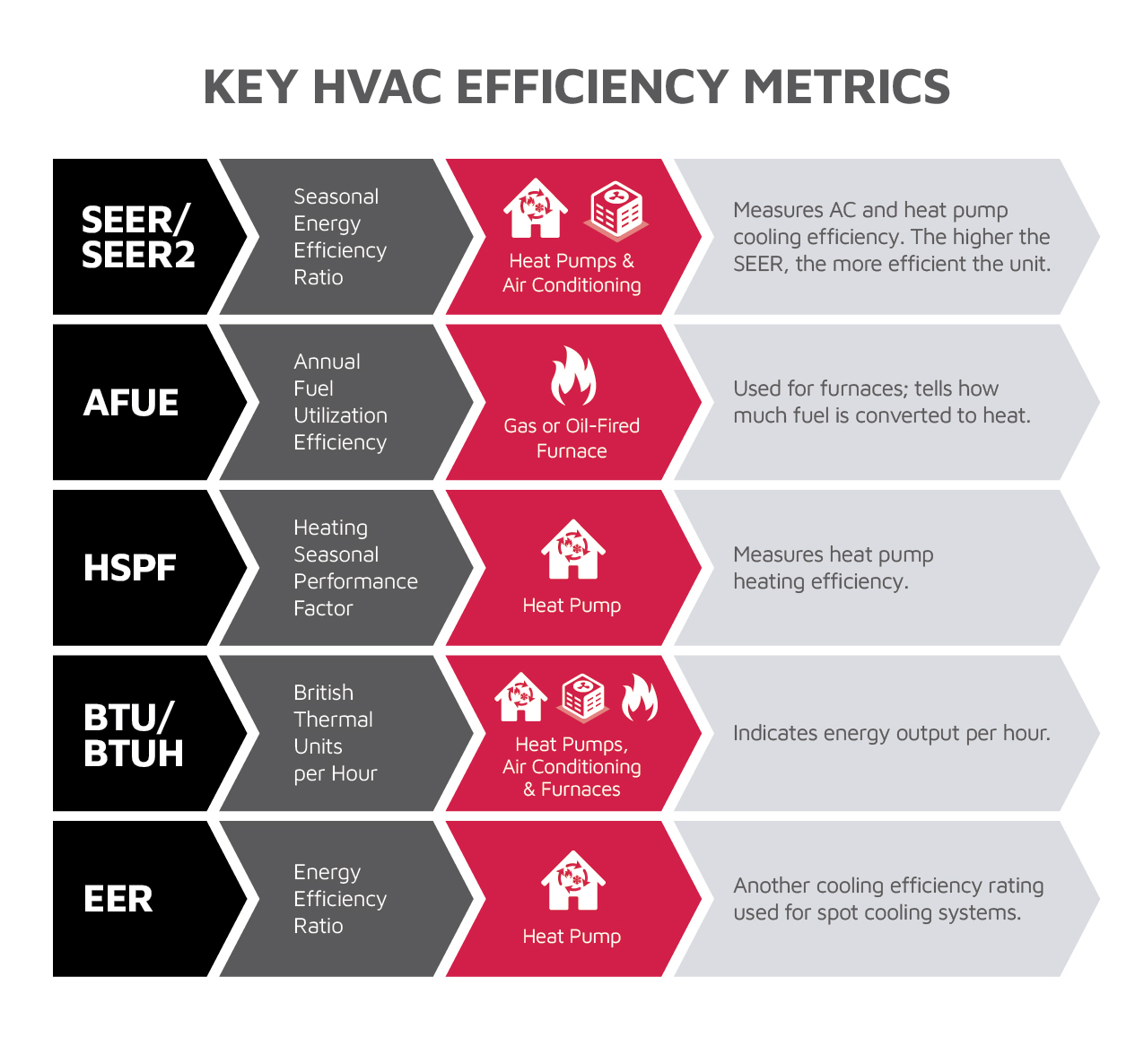
Credit: www.lennox.com
Types Of Hvac Systems
Understanding the different types of HVAC systems can help you choose the best option for your home or business. Each system offers unique benefits depending on your space, budget, and energy needs. Let’s break down the main types of HVAC systems so you can make an informed decision.
Split Systems
Split systems are the most common HVAC setup. They have two main parts: an outdoor unit that cools or heats the air, and an indoor unit that distributes the air inside your home.
This separation allows for efficient temperature control and easier maintenance. If you’ve ever adjusted a thermostat and felt the air change quickly, you’ve likely experienced a split system in action.
Hybrid Systems
Hybrid systems combine a traditional furnace with an electric heat pump. This setup switches between gas and electric power depending on which is more efficient at the time.
They save energy by using electricity when it’s mild outside and gas when it’s very cold. This dual approach can lower your utility bills and reduce your carbon footprint.
Duct-free Systems
Duct-free systems, also called mini-splits, don’t require ductwork to deliver air. Instead, they use individual indoor units connected to an outdoor compressor.
These systems are perfect for older homes without ducts or for adding heating and cooling to specific rooms. Have you ever wished you could control the temperature in just one room? Duct-free systems make that easy.
Packaged Heating And Air
Packaged systems contain all components in a single outdoor unit. They are common in places where indoor space is limited, such as small commercial buildings.
Since everything is in one box, installation is often simpler and quicker. If you want a compact solution that handles both heating and cooling, this might be the right choice for you.
Heating Methods
Understanding the different heating methods within HVAC systems helps you make better choices for your home comfort and energy bills. Each method uses unique technology to warm your living space, and knowing how they work can guide you toward the most efficient option for your needs.
Furnaces
Furnaces are one of the most common heating methods in many homes. They burn fuel—like natural gas, oil, or propane—to generate heat, which is then distributed through your home using air ducts.
If you’ve ever felt a quick rush of warm air from your vents on a cold morning, that’s a furnace at work. They heat air fast and are great for colder climates, but you should check their efficiency ratings to avoid high energy costs.
Heat Pumps
Heat pumps offer a clever way to heat and cool your home by moving heat instead of generating it. They extract warmth from the outside air—even in chilly weather—and bring it inside.
Imagine having one system that works year-round: it heats in winter and cools in summer. Heat pumps can save you money, but they perform best in moderate climates.
Boilers
Boilers heat water to provide warmth through radiators or underfloor heating. Instead of blowing air, they rely on hot water or steam to circulate heat quietly and evenly.
Have you noticed how radiator heat feels softer and less dry? That’s because boilers produce a gentle warmth that’s often more comfortable for people with allergies or respiratory issues.
Credit: www.lennox.com
Cooling Techniques
HVAC stands for Heating, Ventilation, and Air Conditioning. It refers to systems used to regulate indoor climate. Proper HVAC systems ensure comfort by providing efficient cooling and heating solutions.
Cooling techniques in HVAC systems are essential for creating comfortable indoor environments, especially during the sweltering summer months. Whether you’re at home, in an office, or a commercial space, understanding the different cooling methods can help you choose the most efficient system for your needs. Let’s take a closer look at some of these cooling techniques, focusing on two popular options: air conditioners and evaporative coolers.Air Conditioners
Air conditioners are perhaps the most common cooling solution worldwide. They work by removing heat from the indoor air and expelling it outside. An air conditioner typically consists of a compressor, a condenser, and an evaporator, which together cool and dehumidify the air. Many people prefer air conditioners for their efficiency and ability to maintain a consistent indoor temperature. Whether you opt for a window unit, split system, or central air conditioning, these systems can transform a hot room into a refreshing oasis. But did you know the energy consumption can vary significantly depending on the type and size of the unit? It’s crucial to consider energy efficiency ratings when selecting an air conditioner to keep your electricity bills in check.Evaporative Coolers
Evaporative coolers, also known as swamp coolers, offer an alternative cooling method that can be highly effective in dry climates. They work by drawing hot air through water-soaked pads, which cools the air as it evaporates the water. This process not only cools but also adds moisture to the air, making it a dual-purpose solution. One of the key advantages of evaporative coolers is their energy efficiency. They typically use less electricity than traditional air conditioners, making them a cost-effective choice. However, they may not be suitable for humid areas, as they rely on the evaporation process, which is less effective when the air is already saturated with moisture. Are you ready to optimize your indoor climate? Understanding these cooling techniques can help you make informed decisions for your space. What cooling method do you think would work best for your home or office?Ventilation Importance
Ventilation plays a crucial role in maintaining a healthy and comfortable indoor environment. It helps remove stale air, controls humidity, and brings in fresh oxygen, which directly impacts your well-being and the efficiency of your HVAC system. Understanding how ventilation works can empower you to improve air quality in your space effectively.
Natural Ventilation
Natural ventilation uses openings like windows, doors, and vents to let fresh air in and push stale air out. It’s simple, energy-efficient, and relies on wind and temperature differences to circulate air. Have you noticed how a breeze through an open window can instantly refresh a room? That’s natural ventilation at work.
While natural ventilation is cost-effective, it depends on weather conditions and building design. It can be less reliable in extreme climates or urban areas with polluted air. Still, it’s a great way to reduce energy bills and improve indoor air quality when conditions allow.
Mechanical Ventilation
Mechanical ventilation uses fans and duct systems to control airflow actively. It ensures consistent air exchange regardless of outside weather, making it ideal for modern homes and commercial buildings. You might have experienced this with bathroom exhaust fans or whole-house ventilation systems.
These systems can filter incoming air, remove excess moisture, and reduce allergens. They often integrate with HVAC units to balance heating and cooling with fresh air supply. Could your home benefit from mechanical ventilation to avoid stuffy rooms and maintain healthier air all year?

Credit: www.youtube.com
Energy Efficiency Tips
Energy efficiency is key to reducing your HVAC system’s running costs. Small changes can cut energy use and save money. Focus on simple, effective actions to keep your home comfortable and energy-wise.
Regular Maintenance
Keep your HVAC system clean and in good shape. Change filters every month to improve airflow. Check ducts for leaks that waste energy. Clean coils to help the system work better. Schedule yearly professional inspections to catch problems early.
Smart Thermostats
Smart thermostats adjust temperatures automatically. They learn your schedule and lower use when you are away. You can control them from your phone. This means you use energy only when needed. It helps keep your bills low and comfort high.
Sealing And Insulation
Seal gaps around doors and windows to stop air leaks. Use weather stripping or caulk for tight seals. Add insulation in attics and walls to keep heat inside. This reduces the work your HVAC system must do. It keeps your home warm in winter and cool in summer.
Common Hvac Problems
Common HVAC problems can disrupt comfort and increase energy bills. These issues often arise due to wear and tear or poor maintenance. Knowing what to look for helps catch problems early. Below are some frequent HVAC troubles.
Airflow Issues
Poor airflow reduces heating and cooling efficiency. Blocked vents, dirty filters, and duct leaks cause airflow problems. These issues make rooms unevenly heated or cooled. Cleaning filters and sealing ducts improve air movement.
Thermostat Malfunctions
A faulty thermostat can cause incorrect temperature readings. This leads to overheating or overcooling your space. Dead batteries, wiring faults, or calibration errors often cause malfunctions. Replacing or recalibrating the thermostat restores proper control.
Refrigerant Leaks
Refrigerant leaks reduce cooling performance and waste energy. Signs include warm air from vents and ice buildup on coils. Leaks also harm the environment. A professional must find and repair leaks, then recharge the system.
Choosing The Right System
Choosing the right HVAC system is crucial for comfort and efficiency in your home. It’s not just about picking a unit that cools or heats; it’s about selecting one that fits your specific needs. A system tailored to your situation saves energy, reduces costs, and keeps your living space comfortable all year round.
Home Size Considerations
The size of your home plays a major role in deciding the right HVAC system. A small apartment needs a different setup compared to a large, multi-story house. Oversized units waste energy, while undersized ones struggle to maintain temperature.
Think about how many rooms need heating or cooling, and how often you use each space. Have you noticed some rooms feel colder or warmer? That might mean you need zoning options or a more flexible system.
Climate Factors
Your local climate affects the type and capacity of the HVAC system you need. Hot, humid areas require powerful air conditioning, while colder regions need efficient heating. If you live in a place with extreme weather changes, a system that can handle both heating and cooling is essential.
Consider how often you use heating versus cooling. Would a heat pump work well, or is a furnace better? Understanding your climate helps you avoid overspending on unnecessary features.
Budget Planning
Setting a clear budget helps narrow down your HVAC options. Remember to include installation costs, ongoing maintenance, and energy bills. Sometimes spending a bit more upfront on an energy-efficient system pays off in the long run.
Have you checked for any local rebates or incentives for energy-efficient units? These can significantly lower your initial cost. Make a list of must-haves versus nice-to-haves to keep your spending focused.
Frequently Asked Questions
What Does Hvac Stand For In Home Systems?
HVAC stands for Heating, Ventilation, and Air Conditioning. It refers to systems that control indoor climate and air quality.
Why Is Hvac Important For Building Comfort?
HVAC systems regulate temperature, humidity, and air flow. This ensures comfortable and healthy living or working environments.
How Does Hvac Improve Indoor Air Quality?
HVAC units filter and circulate air. They remove pollutants, allergens, and moisture, enhancing overall indoor air quality.
What Components Are Included In Hvac Systems?
HVAC includes heaters, air conditioners, ventilation ducts, and controls. Together, they provide heating, cooling, and fresh air circulation.
Conclusion
HVAC stands for Heating, Ventilation, and Air Conditioning. It helps keep buildings warm or cool. It also improves indoor air quality. Knowing what HVAC means helps you understand home comfort systems. These systems save energy and keep you healthy. Many places use HVAC every day.
Now you know the basics of HVAC. It plays a key role in your comfort. Easy to see why it matters so much.



