
Have you ever wondered what keeps your home comfortable no matter the season? The answer lies in something called HVAC.
But what is meant by HVAC, and why is it so important for your everyday life? Understanding HVAC can help you make smarter choices about your home’s heating and cooling, save money on energy bills, and improve the air you breathe.
Keep reading to discover how HVAC works and why it matters to you.
Credit: www.daikinmea.com
Basics Of Hvac
Understanding the basics of HVAC is essential for anyone interested in how buildings stay comfortable. HVAC systems control indoor temperature, humidity, and air quality. These systems work quietly in the background to create a pleasant environment in homes, offices, and stores.
The term HVAC covers several important functions. It involves heating, cooling, and ventilation. Each plays a vital role in making indoor spaces livable and healthy. Knowing what HVAC stands for and its key components helps you appreciate its role in daily life.
What Hvac Stands For
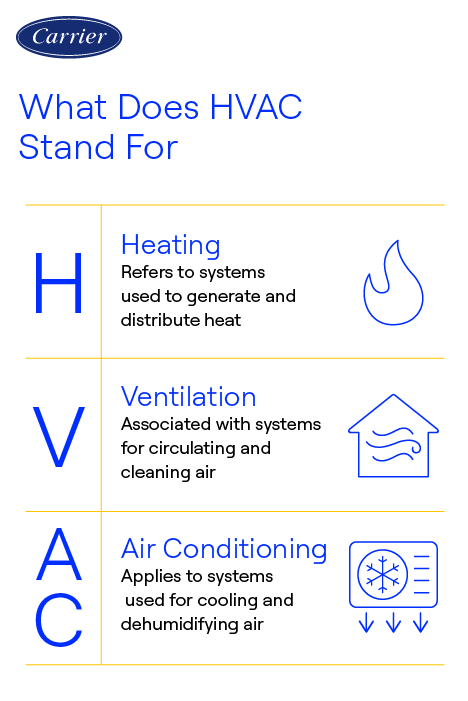
HVAC is an acronym for Heating, Ventilation, and Air Conditioning. Heating warms the air inside a building during cold weather. Ventilation exchanges indoor air with fresh outdoor air. Air conditioning cools the air and controls humidity in warm weather. Together, these functions keep indoor environments comfortable all year round.
Key Components
HVAC systems consist of several main parts that work together:
- Furnace or Heater:Produces warm air for heating the space.
- Air Conditioner:Removes heat and moisture to cool the indoor air.
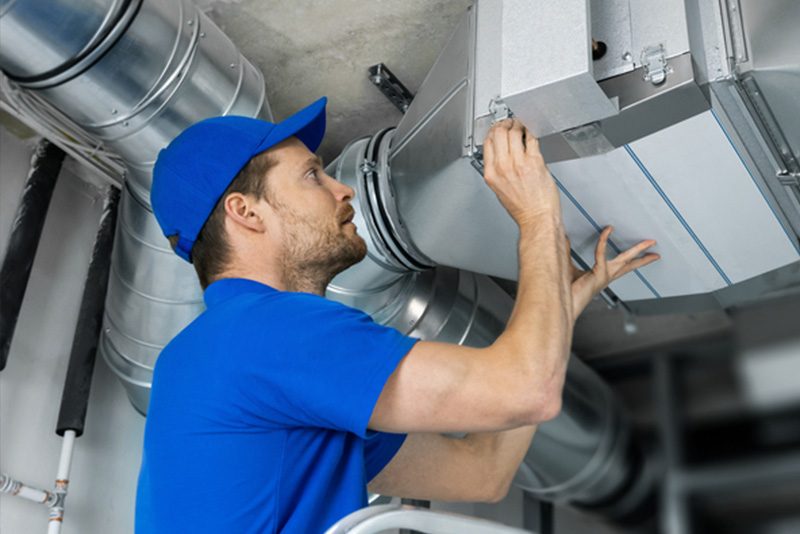
- Ventilation System:Circulates air and removes pollutants.
- Ductwork:Channels air throughout the building.
- Thermostat:Controls the temperature by regulating the system.
Each component plays a unique role in maintaining comfort and air quality. Together, they form a system that adapts to changing weather and indoor needs.
Credit: www.carrier.com
Types Of Hvac Systems
HVAC systems come in different types to fit various home and business needs. Each type works differently to control temperature and air quality. Understanding the main types helps choose the right system.
Split Systems
Split systems have two main parts: an indoor unit and an outdoor unit. The indoor unit handles heating and cooling inside the building. The outdoor unit removes heat from the air. This system uses ductwork to move air through rooms.
Split systems are common in many homes. They are efficient and easy to maintain. These systems work well in moderate climates and offer good temperature control.
Packaged Systems
Packaged systems combine heating and cooling in one outdoor unit. All the components are in one box. These systems do not need ductwork inside the home.
Packaged systems are ideal for places with limited indoor space. They are simple to install and maintain. These units are popular for small commercial buildings and apartments.
Ductless Systems
Ductless systems, also called mini-splits, do not use ducts. They have one outdoor unit connected to one or more indoor units.
Ductless systems offer flexible installation and zone control. Each indoor unit cools or heats a specific area. These systems save energy by focusing only on used spaces.
How Heating Systems Work
Heating systems keep homes warm during cold weather. They work by creating heat and moving it inside buildings. Different types of heating systems use various methods to generate warmth. Understanding these systems helps you choose the right one for your needs.
Furnaces
Furnaces burn fuel like gas, oil, or use electricity to create heat. The heat warms air inside the system. A blower then pushes this warm air through ducts into rooms. This method heats the entire house evenly and quickly.
Heat Pumps
Heat pumps move heat instead of making it. They pull heat from outside air or the ground. Even in cold weather, they extract warmth and bring it indoors. Heat pumps can also cool homes by reversing this process.
Boilers
Boilers heat water to make steam or hot water. This heat moves through pipes to radiators or floors. The warmth spreads quietly and evenly. Boilers often use gas or oil as fuel and provide consistent heat.
Cooling Systems Explained
Cooling systems play a vital role in keeping your indoor environment comfortable, especially during hot weather. Understanding how these systems work can help you make better choices for your home or office. Let’s break down the main types of cooling systems and what makes each one unique.
Air Conditioners
Air conditioners are one of the most common cooling systems you’ll find. They work by removing heat from inside your space and releasing it outside, using a refrigerant cycle. This process not only cools the air but also reduces humidity, making the room feel fresher and more comfortable.
Most air conditioners come in different forms, such as window units, split systems, or central air systems. Each type has its own installation needs and efficiency levels. Have you ever noticed how quickly an air conditioner can change the temperature in a room? That’s the power of its refrigeration cycle at work.
Evaporative Coolers
Evaporative coolers, also known as swamp coolers, work on a different principle. Instead of using chemicals or refrigerants, they cool the air by evaporating water. When warm air passes through the wet pads inside the cooler, the water evaporates and cools the air naturally.
This method is energy-efficient and works best in dry climates where humidity is low. If you live somewhere with high humidity, evaporative coolers might not be as effective because the air is already saturated with moisture. Have you ever tried feeling the difference between the air from an evaporative cooler and a traditional air conditioner? The cooler air often feels fresher but less dry.
Ventilation And Air Quality
HVAC stands for heating, ventilation, and air conditioning. It controls indoor air quality and temperature for comfort. Proper ventilation helps remove pollutants and brings fresh air inside.
Ventilation and air quality are crucial components of HVAC systems. They ensure a comfortable and healthy indoor environment. Proper ventilation removes stale air and introduces fresh air. It prevents the buildup of pollutants and odors.Importance Of Ventilation
Ventilation helps control indoor air quality. It reduces the concentration of pollutants inside. Good ventilation is essential in homes and buildings. It helps in maintaining a healthy living space. Proper airflow can also regulate indoor temperature. This contributes to energy efficiency and comfort.Air Filtration Methods
Air filtration plays a key role in HVAC systems. It removes dust, pollen, and other particles from the air. There are various methods to filter air:- HEPA filters are highly effective. They capture tiny particles.
- Activated carbon filters remove odors and gases.
- Electrostatic filters use static electricity. They attract particles.
- UV filters kill bacteria and viruses.
Energy Efficiency Tips
Energy efficiency in HVAC systems reduces power use and lowers bills. Small changes can keep your home comfortable without wasting energy. Focus on key areas to improve efficiency and save money.
Proper Insulation
Insulation keeps warm or cool air inside your home. It reduces the workload on heating and cooling systems. Check walls, attics, and floors for gaps or thin spots. Use quality materials to seal leaks and add layers.
Regular Maintenance
Clean and inspect HVAC units often. Replace filters every one to three months. Clear debris around outdoor units. Well-maintained systems run smoothly and use less energy. Schedule professional checks at least once a year.
Smart Thermostats
Smart thermostats adjust temperatures automatically for comfort and savings. They learn your schedule and reduce heating or cooling when not needed. Control them remotely with a smartphone. They help avoid wasting energy during empty hours.
Common Hvac Problems
Understanding common HVAC problems can save you from unexpected discomfort and costly repairs. Your HVAC system works hard to keep your home comfortable all year round, but like any machine, it can run into issues. Spotting problems early and knowing how to troubleshoot can keep your system running smoothly and extend its life.
Signs Of System Failure
Does your HVAC system struggle to maintain the right temperature? Uneven heating or cooling in different rooms often signals a problem. Strange noises like banging or rattling can mean loose parts or motor issues.
Other signs include:
- Increased energy bills without a change in usage
- Frequent cycling on and off
- Unpleasant odors coming from vents
- Weak airflow or no airflow at all
Ignoring these signs can lead to a complete system breakdown. Have you noticed any of these in your home?
Troubleshooting Basics
Start by checking your thermostat settings. Sometimes a simple reset or battery replacement can fix the issue. Make sure air filters are clean; clogged filters restrict airflow and reduce efficiency.
Inspect your outdoor unit for debris or ice buildup. Clearing leaves or dirt can improve performance instantly. If the system still doesn’t work, check the circuit breaker to ensure it hasn’t tripped.
When troubleshooting, always prioritize safety. If you’re unsure or uncomfortable, contacting a professional is the smartest move. What small steps can you take today to keep your HVAC system in top shape?
Credit: www.trane.com
Choosing The Right Hvac System
Choosing the right HVAC system is crucial for comfort and efficiency. It impacts your energy bills and indoor climate. With many options available, making an informed decision is key. Your choice should fit your home’s needs and your budget. Let’s explore the factors to consider.
Assessing Your Needs
Understanding your home’s specific needs is the first step. Consider the size of your home. Larger homes may need more powerful systems. Think about the climate in your area. Cold regions require strong heating. Hot areas need effective cooling. List any special requirements, like air quality concerns. Your lifestyle also plays a role. Spend time at home? Prioritize comfort and quiet operation. Knowing your needs helps narrow down options.
Budget Considerations
Budget is a major factor in choosing an HVAC system. Systems vary in price based on features and efficiency. High-efficiency units cost more but save on energy bills. Initial costs aren’t the only thing to consider. Maintenance and repair costs add up over time. Look for systems with good warranties. They offer peace of mind for potential future repairs. Always balance upfront costs with long-term savings. Budget wisely to find a system that fits your financial plan.
Frequently Asked Questions
What Does Hvac Stand For In Building Systems?
HVAC stands for Heating, Ventilation, and Air Conditioning. It refers to systems that control indoor temperature, air quality, and humidity in buildings.
Why Is Hvac Important For Indoor Comfort?
HVAC systems regulate temperature and air quality, ensuring comfort and health. They maintain optimal indoor environments year-round.
How Does An Hvac System Work?
HVAC systems use heating and cooling units combined with ventilation to circulate air. They adjust temperature and remove pollutants efficiently.
What Are Common Types Of Hvac Systems?
Common types include split systems, packaged systems, and ductless units. Each serves different building sizes and energy needs effectively.
Conclusion
HVAC means heating, ventilation, and air conditioning. It controls air temperature and quality in buildings. Good HVAC keeps homes and offices comfortable. It also helps save energy and reduce costs. Knowing HVAC basics helps you understand your environment better. Proper HVAC care extends system life and improves air health.
Simple steps can keep your system working well. Now, you have a clearer idea of what HVAC means.



