
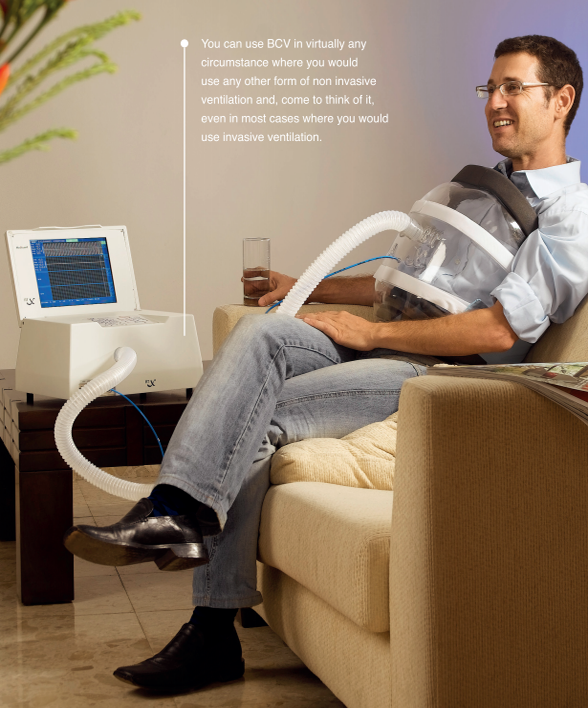
Have you ever wondered how some breathing machines help people breathe easier without pushing air directly into their lungs? That’s where negative pressure ventilation comes in.
It’s a unique and gentle way to support your breathing by creating a vacuum around your chest. This method might sound simple, but it plays a powerful role in helping those with lung problems breathe more naturally. If you want to understand how this life-changing technology works and why it might be important for you or someone you care about, keep reading.
You’re about to discover the surprising benefits and key facts about negative pressure ventilation.
Basics Of Negative Pressure Ventilation
Negative pressure ventilation is a breathing support technique. It helps patients who cannot breathe well on their own. This method uses a pressure difference outside the chest to assist lung expansion.
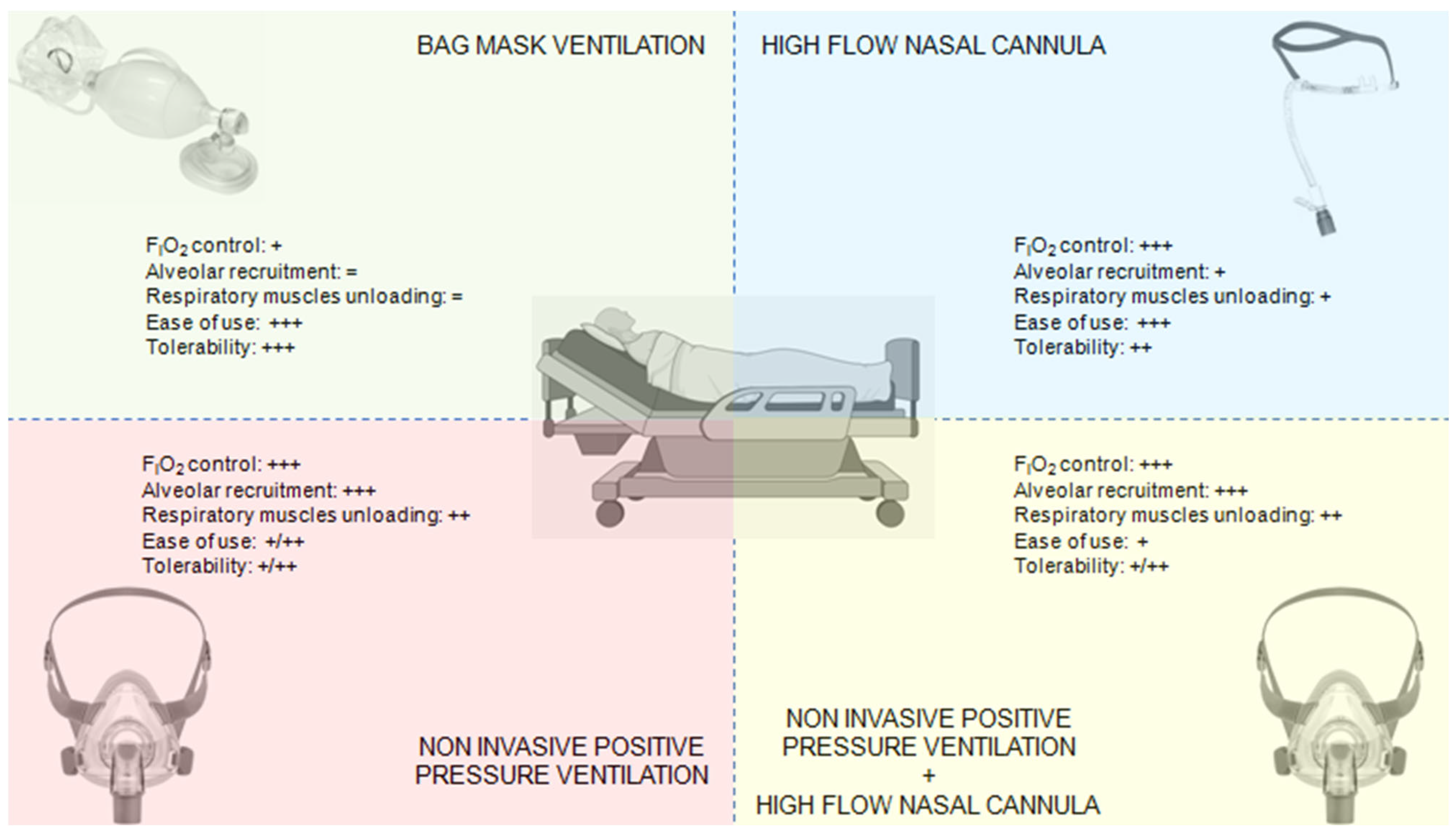
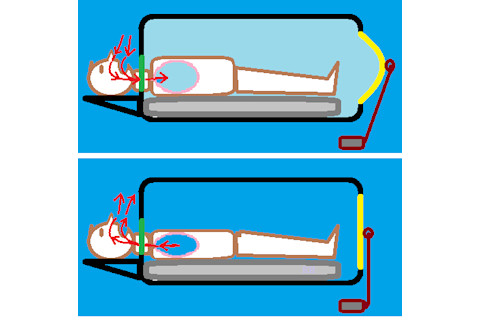
Unlike positive pressure ventilation, negative pressure ventilation works by creating a vacuum around the chest. This causes the chest to expand and air to flow into the lungs naturally. It mimics normal breathing more closely than other methods.
How It Works
A device surrounds the chest or body and lowers the air pressure outside the lungs. This negative pressure pulls the chest outward. The lungs expand as a result, drawing air inside.
When the pressure returns to normal, the chest relaxes, and air flows out. This cycle repeats to help with breathing. It supports natural lung movement without forcing air in.
Types Of Devices
- Iron Lung:A large machine that covers the whole body except the head. It creates negative pressure to help the lungs expand.
- Chest Cuirass:A smaller shell-like device worn on the chest. It applies negative pressure locally to assist breathing.
- Poncho or Jacket Devices:Flexible suits that cover the upper body and create negative pressure around the chest area.
Credit: www.mdpi.com
Advantages Of Negative Pressure Ventilation
Negative pressure ventilation offers several key advantages for patients needing respiratory support. It mimics natural breathing by creating a vacuum around the chest. This helps air flow into the lungs without forcing it in. The benefits range from better lung function to increased comfort and safety during treatment.
Improved Respiratory Function
Negative pressure ventilation enhances lung expansion by gently pulling air inside. It supports natural breathing patterns and helps clear mucus. This improves oxygen levels and reduces the effort needed to breathe. Patients often experience easier and more effective respiration.
Comfort And Mobility Benefits
This type of ventilation uses external devices that are less invasive. It allows patients to move more freely compared to other ventilation methods. The absence of tubes inside the airway reduces discomfort and irritation. Many users find it easier to talk and eat during treatment.
Reduced Risk Of Lung Injury
Negative pressure ventilation lowers the chance of lung damage caused by high pressure. It avoids overinflation and stress on lung tissues. This makes it safer for long-term use, especially in vulnerable patients. The gentle airflow protects delicate lungs from injury.
Medical Conditions Treated
Negative pressure ventilation helps patients breathe by creating a vacuum around the chest. This method supports lung expansion and eases breathing efforts. It is useful in treating several medical conditions where normal breathing is difficult or impossible.
Poliomyelitis
Poliomyelitis affects nerve cells that control muscles. It can paralyze the muscles needed for breathing. Negative pressure ventilation assists these patients by moving air in and out of the lungs. This support can be lifesaving during polio outbreaks.
Chronic Respiratory Failure
Chronic respiratory failure happens when lungs cannot supply enough oxygen. Patients may struggle to breathe on their own. Negative pressure ventilation helps by improving lung function. It reduces the work needed to breathe and increases oxygen intake.
Neuromuscular Disorders
Neuromuscular disorders weaken muscles that control breathing. Examples include muscular dystrophy and ALS. Negative pressure ventilation supports breathing without invasive tubes. It helps maintain lung health and improves quality of life for these patients.
Credit: www.discovermagazine.com
Comparison With Positive Pressure Ventilation
Negative Pressure Ventilation (NPV) and Positive Pressure Ventilation (PPV) are two key methods of respiratory support. Understanding their differences is crucial for effective patient care. NPV involves creating a vacuum around the chest to draw air into the lungs. PPV pushes air directly into the lungs through a mask or tube. These approaches differ significantly in their mechanisms, patient suitability, and potential side effects.
Mechanism Differences
NPV mimics natural breathing patterns. It draws air into the lungs by creating a vacuum. The chest wall expands, reducing pressure in the lungs. This causes air to flow in naturally. PPV, on the other hand, uses mechanical force. Air is pushed into the lungs under pressure. This can be done using masks or tubes.
Suitability For Patients
NPV is often used for patients with certain neuromuscular disorders. It is also suitable for individuals who can breathe on their own but need support. PPV is more common in critical care settings. It is preferred for patients with severe respiratory failure. PPV provides controlled and precise ventilation support.
Potential Side Effects
NPV side effects are generally mild. Some patients may experience skin irritation from the device. PPV has a higher risk of complications. Patients may experience lung injury or infections. Barotrauma is another potential risk with PPV. It occurs when the pressure damages lung tissue.
Practical Applications In Healthcare
Negative Pressure Ventilation (NPV) plays a vital role in healthcare by offering an alternative way to support breathing. Its practical applications range from critical hospital environments to the comfort of a patient’s home. Understanding where and how NPV fits into healthcare can help you appreciate its benefits and limitations.
Hospital Settings
In hospitals, NPV is often used for patients with respiratory failure who cannot tolerate positive pressure ventilators. It helps maintain lung function without invasive tubes, reducing the risk of infections like ventilator-associated pneumonia.
NPV machines, such as the iron lung, surround the patient’s torso and create negative pressure, encouraging natural inhalation. This method is especially useful in cases of neuromuscular diseases or spinal cord injuries where muscle control is compromised.
Hospitals also use NPV during weaning processes to gradually reduce ventilator dependence. Have you ever thought about how this less invasive approach might improve patient comfort and recovery speed?
Home Care Use
Many patients benefit from NPV at home, especially those with chronic respiratory conditions. This option allows you or your loved one to maintain mobility and independence while receiving essential breathing support.
Home NPV devices are typically lighter and easier to manage than hospital equipment. They provide an opportunity for better quality of life by reducing hospital stays and allowing care in familiar surroundings.
Using NPV at home requires proper training and regular monitoring to ensure effectiveness. Have you considered how this technology could change long-term care for people with breathing difficulties?
Future Trends And Innovations
The future of Negative Pressure Ventilation (NPV) holds exciting possibilities. Innovations aim to improve patient comfort and treatment effectiveness. Advances in technology will drive new designs and better performance. Expanding clinical uses will broaden its application to more patients.
Technological Advancements
Future devices will be smaller and lighter. Improved materials will increase durability and comfort. Smart sensors may adjust pressure automatically based on patient needs. Wireless connectivity could allow remote monitoring by healthcare providers. Battery life will get longer, enabling more mobility.
Expanding Clinical Uses
NPV may help patients with chronic respiratory diseases beyond traditional cases. It could support rehabilitation after lung surgeries. New studies explore its use for sleep apnea and neuromuscular disorders. Combining NPV with other therapies may enhance treatment results. More hospitals might adopt it for non-invasive ventilation options.
Credit: www.hepacart.com
Frequently Asked Questions
What Is Negative Pressure Ventilation Used For?
Negative pressure ventilation helps patients breathe when their lungs cannot expand properly. It is commonly used for respiratory failure and neuromuscular diseases. This method mimics natural breathing by creating a vacuum around the chest. It supports lung expansion without invasive tubes, improving patient comfort and oxygen intake.
How Does Negative Pressure Ventilation Work?
Negative pressure ventilation works by lowering air pressure outside the chest. This pressure difference causes the chest to expand and air to flow into the lungs. When the pressure returns to normal, air is exhaled naturally. This process simulates normal breathing without forcing air into the lungs.
What Are The Benefits Of Negative Pressure Ventilation?
Negative pressure ventilation offers non-invasive respiratory support, reducing infection risks. It improves lung expansion and oxygen exchange naturally. Patients often experience better comfort and mobility compared to invasive methods. It is useful for long-term care and certain acute respiratory conditions.
Who Can Benefit From Negative Pressure Ventilation?
Patients with respiratory muscle weakness, spinal cord injuries, or chronic lung diseases benefit most. It is ideal for those who cannot tolerate invasive ventilation. Also, it suits individuals requiring long-term respiratory support without intubation. Doctors choose it based on specific patient needs and lung function.
Conclusion
Negative pressure ventilation helps people breathe more easily. It works by creating a gentle suction around the chest. This method supports lung function without pushing air inside. Many patients find it comfortable and effective. Knowing how it works can guide better health choices.
Always talk to a doctor about the best breathing support. Understanding this option can improve care and comfort. Simple, safe, and helpful—negative pressure ventilation plays an important role.



