

Have you ever wondered what the AC unit inside your house is actually called? You might know it cools your home on hot days, but its name and how it works could surprise you.
Understanding this can help you take better care of your cooling system and even save money on repairs. Keep reading to discover the simple term for your indoor AC unit and why knowing this matters for your comfort and wallet.
Credit: www.carrier.com
Types Of Indoor Ac Units
Indoor air conditioning units come in different types to fit various home needs. Each type offers unique features and installation methods. Understanding these types helps you choose the right AC for your space and comfort.
Central Air Handlers
Central air handlers work with a central cooling system. They move cool air through ducts to different rooms. These units are usually hidden in basements or closets. Central systems cool large homes efficiently and evenly.
Ductless Mini-splits
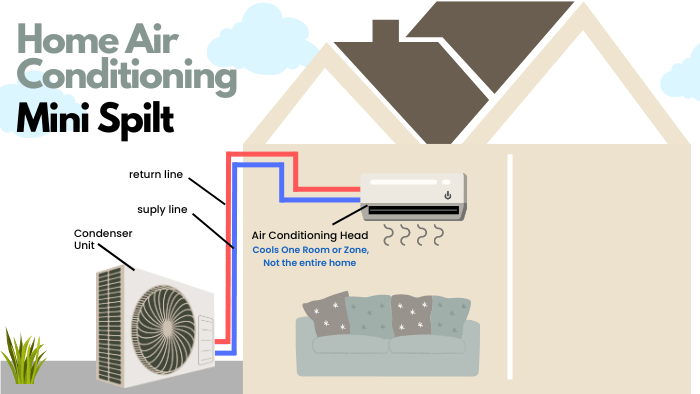
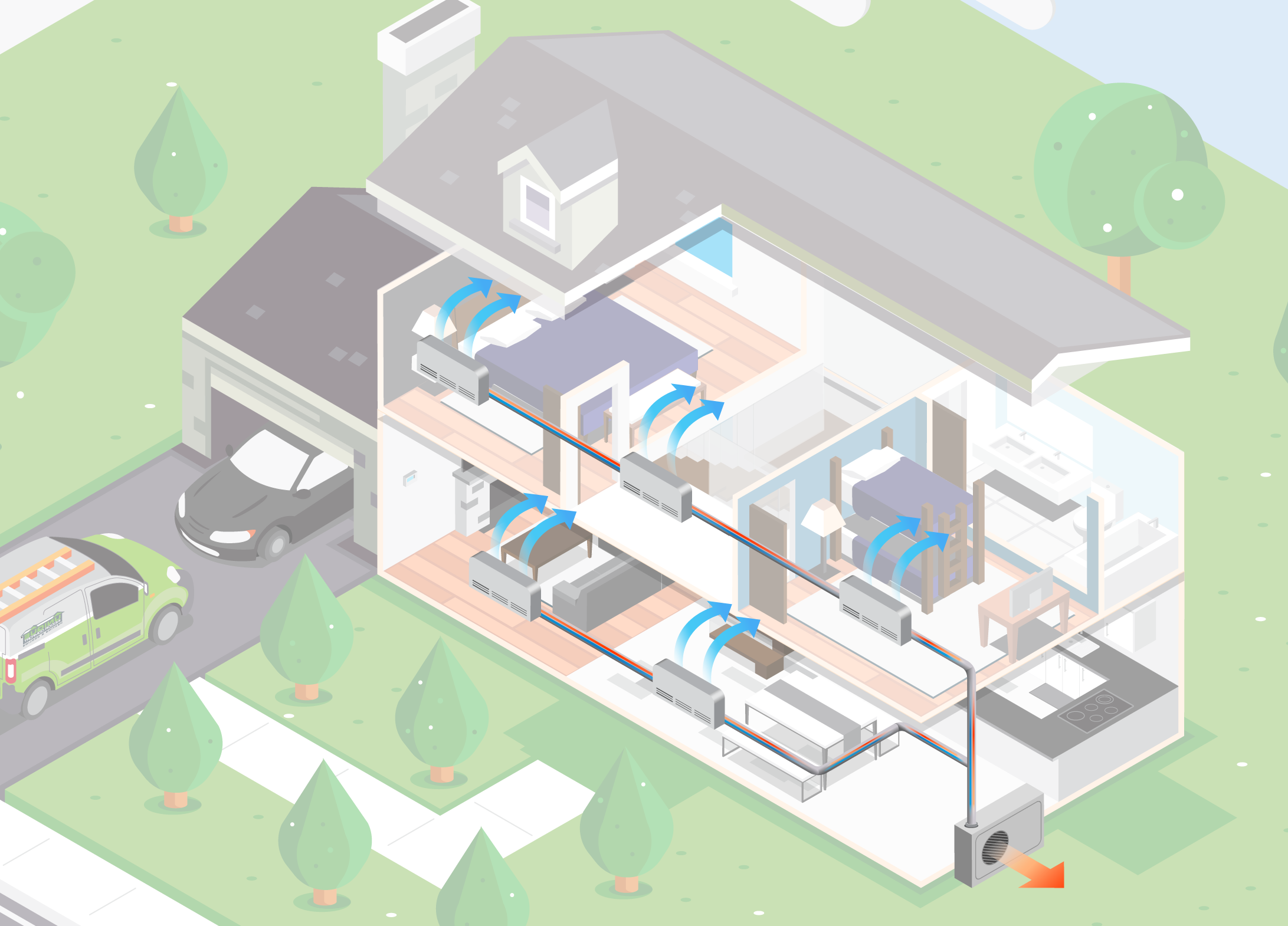
Ductless mini-splits have an indoor unit mounted on a wall. They connect to an outdoor compressor with small pipes. These units cool rooms individually and save energy. Ideal for homes without ductwork or for room additions.
Window Ac Units
Window AC units fit into a window frame or wall opening. They cool a single room by blowing cool air inside. These are easy to install and remove seasonally. Best for small spaces or rooms needing extra cooling.
Portable Ac Units
Portable AC units stand on the floor and can be moved easily. They have a hose that vents hot air outside through a window. These units cool one room at a time. Great for renters or rooms without permanent AC.
Key Components Inside The Ac Unit
The AC unit inside the house has several important parts. These parts work together to cool the air efficiently. Understanding these components helps you know how your AC keeps your home comfortable. Each part plays a specific role in the cooling process. Below are the key components inside the AC unit.
Evaporator Coil
The evaporator coil cools the warm air from your home. It uses a refrigerant to absorb heat. As air passes over the coil, it becomes cooler and more comfortable. This coil is usually inside the indoor unit.
Blower Fan
The blower fan moves air through the evaporator coil and into your rooms. It pushes the cooled air through ducts or vents. Without the blower fan, cool air would not reach your living spaces.
Thermostat
The thermostat controls the AC unit’s temperature. It senses the room temperature and sends signals to the system. This helps maintain the desired comfort level automatically.
Air Filter
The air filter cleans dust and particles from the air before cooling. It protects the AC unit from damage and keeps indoor air fresh. Regular filter changes improve air quality and system efficiency.
How Indoor Ac Units Work
Indoor AC units, often called air handlers or evaporator units, keep your home cool and comfortable. They work quietly inside the house, removing heat from the air. This process lowers the temperature and controls humidity. Understanding how these units function helps you appreciate their role in home cooling.
Cooling Cycle Basics
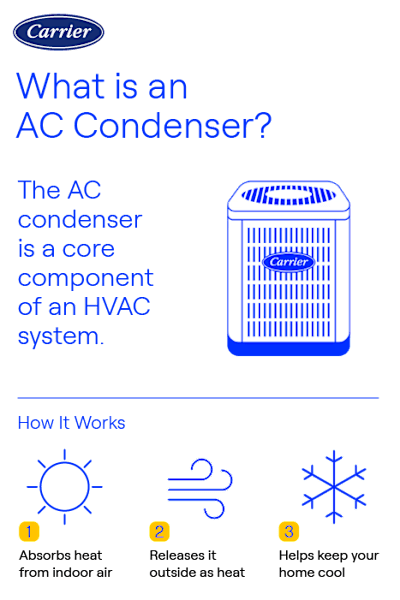
The cooling cycle starts with refrigerant absorbing heat from indoor air. The refrigerant changes from liquid to gas as it captures heat. Then, it moves to the outdoor unit to release this heat outside. After releasing heat, the refrigerant cools down and returns inside to repeat the cycle.
Air Circulation Process
Indoor AC units pull warm air from rooms through return vents. The air passes over cold evaporator coils filled with refrigerant. As air cools, the unit blows it back into rooms through supply vents. This circulation repeats to keep the indoor air fresh and cool.
Temperature Regulation
Thermostats control indoor AC units to keep rooms at a set temperature. They sense the room’s heat and tell the AC unit to start or stop cooling. This automatic control maintains a steady, comfortable temperature in your home without waste.
Credit: thegentlemenpros.com
Choosing The Right Indoor Ac Unit
Choosing the right indoor AC unit is essential for creating a comfortable living space without overspending on energy bills or installation. The right unit matches your room’s needs and fits seamlessly into your home’s layout. Let’s look at the key factors to consider before making your decision.
Room Size Considerations
Understanding your room size is crucial. An AC unit that’s too small won’t cool efficiently, while one that’s too large will waste energy and cause humidity issues.
Measure the square footage of the room you want to cool. Typically, you need about 20 BTUs (British Thermal Units) per square foot. For example, a 300-square-foot room will need an AC unit with around 6,000 BTUs.
Think about the room’s purpose too. A kitchen or a room with many windows might need a stronger unit. Have you checked if your current AC feels cold enough or struggles during peak heat?
Energy Efficiency Ratings
Energy efficiency saves you money and reduces your environmental impact. Look for units with a high SEER (Seasonal Energy Efficiency Ratio) or EER (Energy Efficiency Ratio).
Units labeled ENERGY STAR® certified meet strict efficiency guidelines. They use less electricity and keep your bills lower over time.
Consider how often you’ll use the AC. If it runs daily, investing in a more efficient model pays off quickly. Have you reviewed your last electric bill to see how much cooling costs you?
Installation Requirements
Installation varies depending on the type of indoor AC unit you choose. Window units are easier to install but might block natural light or views.
Split systems require professional installation but offer quieter operation and better performance. Portable units don’t need installation but take up floor space.
Think about where the unit will go. Is there an accessible window or wall? Will you need electrical upgrades? Asking these questions helps avoid surprises during installation.
Maintenance Tips For Indoor Ac Units
The AC unit inside the house is called the indoor unit or evaporator. Regular cleaning and filter checks keep it running well. Simple care helps your home stay cool and fresh.
Maintaining your indoor AC unit is crucial for ensuring it runs efficiently and lasts longer. Regular maintenance can prevent costly repairs and keep your home comfortable year-round. Let’s explore some practical tips that can help you take care of your indoor AC unit effectively.Regular Filter Cleaning
Regular filter cleaning is one of the simplest yet most effective ways to maintain your indoor AC unit. Dirty filters restrict airflow, making the unit work harder, which can increase energy consumption and reduce its lifespan. Aim to clean or replace the filters every 1-3 months, depending on usage and air quality in your home. Imagine coming home to a cool, refreshing environment on a hot day. Keeping your filters clean ensures that your AC can provide that oasis without overworking. Plus, cleaner filters mean better air quality, which is a bonus for your health.Checking For Leaks
Leaks can significantly impact the efficiency of your AC unit. Check for any signs of water pooling around the unit or unusual noises, which could indicate a refrigerant leak. If left unchecked, leaks can lead to higher energy bills and potential damage to your home. Have you ever noticed a sudden spike in your energy bills? It could be a sign of a leak. Regularly inspecting your unit and addressing leaks promptly can save you money and keep your AC running smoothly.Professional Servicing
While regular DIY maintenance is essential, professional servicing ensures that your AC unit is in top condition. A qualified technician can identify and fix issues that you might miss. Schedule a professional check-up at least once a year to keep your unit running efficiently. Think of professional servicing as an investment in your comfort and peace of mind. A well-maintained AC unit not only performs better but also lasts longer, offering you a cool, comfortable home without unexpected breakdowns.Common Issues With Indoor Ac Units
Indoor AC units, often called air handlers or evaporator coils, can face several common issues that affect their performance and your comfort. Recognizing these problems early can save you from expensive repairs and keep your home cool when you need it most. Let’s look at some typical challenges you might encounter with your indoor AC unit.
Poor Cooling Performance
When your indoor AC unit isn’t cooling properly, it can feel like the system is working harder than it should. This often happens because of dirty air filters, blocked vents, or low refrigerant levels. Have you checked your filter recently? A clogged filter restricts airflow and reduces cooling efficiency.
Another reason could be a malfunctioning thermostat or a problem with the evaporator coil. If your room stays warm despite the AC running, it’s time to inspect these parts or call a professional. Simple maintenance like cleaning the coils or replacing filters can restore your system’s cooling power quickly.
Strange Noises
Hearing unusual sounds from your indoor AC unit can be unsettling. Clicking, buzzing, or rattling noises usually signal mechanical issues or loose parts inside the unit. For example, a loose fan blade can cause a rattling sound, while an electrical problem might produce buzzing.
Ignoring these noises might lead to bigger problems. Have you ever noticed a sudden noise before your AC stopped working? That’s a clear sign to get your unit checked before a small issue turns into a costly repair.
Water Leaks
Water leaking from your indoor AC unit isn’t just annoying—it can damage walls and floors. This usually occurs when the condensate drain line is clogged or the drip pan is damaged. You might notice water pooling around the unit or dripping onto the floor.
Regularly inspecting and clearing the drain line can prevent leaks. If you see water near your AC, don’t wait. Ignoring a leak can lead to mold growth and expensive repairs. What steps can you take today to avoid water damage from your AC?
Credit: www.uniqueheatingandcooling.com
Frequently Asked Questions
What Is The Indoor Part Of An Ac Unit Called?
The indoor part of an AC unit is called the air handler or evaporator coil. It circulates and cools the air inside your home efficiently.
How Does An Indoor Ac Unit Work?
An indoor AC unit cools air by absorbing heat using refrigerant in the evaporator coil. It then circulates cool air through ducts.
Can Indoor Ac Units Improve Air Quality?
Yes, indoor AC units often contain filters that remove dust, allergens, and pollutants, improving your home’s indoor air quality significantly.
Where Is The Indoor Ac Unit Installed?
Indoor AC units are usually installed in basements, attics, or closets to efficiently distribute cooled air throughout the house.
Conclusion
The indoor part of an AC unit is called the air handler or evaporator coil. It cools the air inside your home by removing heat. This unit works with the outdoor compressor to keep rooms comfortable. Knowing this helps you understand how your AC system functions.
Proper care and maintenance keep it running well. Clean filters and regular check-ups improve air quality and efficiency. Now, you can easily identify the main AC unit inside your house. Simple knowledge makes home cooling less confusing. Stay cool and comfortable all year long.



